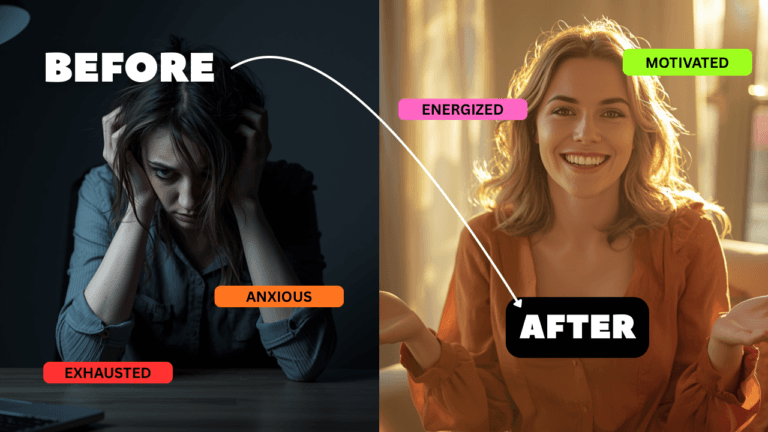
Living with anxiety can feel overwhelming and isolating. Many individuals seek natural ways to find relief, and thankfully, the body holds powerful keys to managing stress. In fact, understanding the role of the vagus nerve is a significant step towards achieving a calmer state. Therefore, exploring vagus nerve exercises for anxiety offers a hopeful path.
The vagus nerve acts like a superhighway connecting your brain to your gut, heart, and other organs. It plays a crucial role in your parasympathetic nervous system, which controls your “rest and digest” functions. By stimulating this nerve, you can shift your body out of a “fight or flight” response.
This comprehensive guide will explain how your vagus nerve impacts anxiety. Additionally, we will provide seven actionable, natural tips and exercises to help you harness its power. You can empower yourself to find greater peace and well-being through these simple practices.
Understanding the Vagus Nerve and Its Role in Anxiety
The vagus nerve is the longest cranial nerve in your body. It extends from your brainstem down to your abdomen, touching many vital organs along the way. This nerve is a primary component of the autonomic nervous system. It directly influences your heart rate, digestion, mood, and immune response.
When you experience stress or anxiety, your sympathetic nervous system often takes over. This triggers the “fight or flight” response, leading to increased heart rate and shallow breathing. However, the vagus nerve helps regulate this response. It promotes calm by activating your parasympathetic nervous system.
What is Vagal Tone?
Vagal tone refers to the activity of your vagus nerve. Higher vagal tone means your vagus nerve is more active and efficient. Individuals with higher vagal tone tend to recover more quickly from stress. They also often experience better mood regulation and overall resilience. Therefore, improving your vagal tone is key for managing anxiety.
- Regulates Stress: A strong vagus nerve helps switch off the “fight or flight” response.
- Improves Mood: It influences neurotransmitter release, promoting feelings of well-being.
- Enhances Digestion: Optimal vagal activity supports healthy gut function.
- Reduces Inflammation: The vagus nerve has anti-inflammatory properties, benefiting overall health.
By engaging in specific vagus nerve exercises, you can actively strengthen its function. This proactive approach can lead to a significant reduction in anxiety symptoms. Additionally, it fosters a greater sense of calm and control in your daily life.
1. Deep Diaphragmatic Breathing: The Foundation of Calm
Deep breathing is perhaps the most accessible and effective vagus nerve exercise for anxiety. This technique, also known as belly breathing, directly stimulates the vagus nerve. It sends signals to your brain that it is safe to relax. Therefore, it helps to quickly calm your nervous system.
Many people breathe shallowly from their chest, especially when anxious. This type of breathing can exacerbate stress. Practicing diaphragmatic breathing, conversely, engages your diaphragm. As a result, it encourages deeper, more regulated breaths. This deep breathing immediately activates your parasympathetic nervous system.
How to Practice Diaphragmatic Breathing:
- Find a Comfortable Position: First, lie down or sit comfortably with one hand on your chest and the other on your belly.
- Inhale Deeply: Next, slowly inhale through your nose. Feel your belly rise as your diaphragm expands. Your chest should remain relatively still.
- Exhale Slowly: Then, gently exhale through your mouth, letting your belly fall. Make your exhale longer than your inhale, perhaps counting to four on the inhale and six on the exhale.
- Repeat Consistently: Practice this for 5-10 minutes daily. Gradually increase the duration as you become more comfortable.
This simple practice can significantly improve your vagal tone over time. It provides an immediate sense of calm when anxiety strikes. Therefore, make deep breathing a regular part of your self-care routine.
2. Cold Exposure Techniques: A Quick Vagal Boost
Exposing your body to cold temperatures can powerfully stimulate the vagus nerve. This response is known as the “diving reflex.” It immediately slows your heart rate and redirects blood flow to your brain and core. As a result, it can quickly reduce feelings of anxiety and panic.
You do not need to take an ice bath to experience these benefits. Simple, targeted cold exposure can be very effective. This method is a quick way to reset your nervous system. Therefore, consider incorporating it into your daily routine.
Effective Cold Exposure Exercises:
- Cold Face Plunge: First, fill a bowl with ice water. Hold your breath and plunge your face into the water for 10-30 seconds. Repeat a few times. This is one of the quickest ways to activate the vagus nerve.
- Cold Shower Finish: Next, try ending your warm shower with 30-60 seconds of cold water. Start gradually and increase the duration over time.
- Iced Washcloth: Alternatively, place a cold, damp washcloth on your face and neck. Focus on the area behind your ears, where the vagus nerve runs close to the surface.
These techniques provide an acute, powerful stimulus to the vagus nerve. They can interrupt a cycle of anxiety. Always listen to your body and start slowly with any cold exposure. Consult your doctor if you have any health concerns, especially heart conditions.
3. Humming, Chanting, and Singing: Vibrational Vagal Stimulation
Using your voice to hum, chant, or sing creates vibrations that stimulate the vagus nerve. The vagus nerve passes through the vocal cords and muscles in the throat. Therefore, activating these areas can directly enhance vagal tone. This is a joyful and expressive way to reduce anxiety.
These vocal exercises also encourage deeper exhalations. As a result, they naturally activate the parasympathetic nervous system. You don’t need to be a professional singer to benefit from these practices. Even a simple hum can make a difference.
Simple Vocal Vagus Nerve Exercises for Anxiety:
- Humming: Simply hum your favorite tune or a sustained “Om” sound for several minutes. Feel the vibration in your chest and throat.
- Singing: Sing loudly in the car, in the shower, or with friends. Choose songs that uplift your mood.
- Gargling: Vigorously gargle water for 30-60 seconds, several times a day. This action specifically activates throat muscles connected to the vagus nerve.
- Chanting: Explore ancient chants or mantra repetitions. The rhythmic vocalization and focus can be deeply calming.
Incorporating these vocal practices into your day can significantly impact your emotional state. They offer a creative and natural pathway to reduce stress and anxiety. Regular practice strengthens the mind-body connection. Furthermore, it enhances your overall well-being.
4. Gentle Yoga and Mindful Movement: Connecting Body and Breath
Gentle yoga and mindful movement practices are excellent for stimulating the vagus nerve. These activities combine physical postures, controlled breathing, and meditation. As a result, they create a powerful trifecta for anxiety relief. Movement helps release tension stored in the body.
Specific yoga poses and stretches can directly target areas where the vagus nerve is active. For instance, neck stretches can stimulate its pathway. Additionally, twists and backbends can gently massage internal organs, indirectly affecting vagal function. Therefore, moving your body with intention is highly beneficial.
Vagus Nerve-Boosting Movements:
- Neck Stretches: Slowly tilt your head from side to side, then gently roll it from ear to shoulder. This releases tension and stimulates the vagus nerve in the neck.
- Cat-Cow Pose: On your hands and knees, arch your back on the inhale and round it on the exhale. Coordinate with deep breathing.
- Spinal Twists: Gentle seated twists help massage internal organs. These movements enhance blood flow and vagal activity.
- Corpse Pose (Savasana): Lie flat on your back, relax your body, and focus on your breath. This allows your nervous system to fully integrate the benefits.
Regular practice of mindful movement helps build resilience against stress. It fosters a deeper connection to your body’s innate calming abilities. These vagus nerve exercises for anxiety are both gentle and profoundly effective.
5. Laughter and Positive Social Connection: Joyful Vagal Activation
Laughter is truly a powerful medicine for the mind and body. When you laugh heartily, your diaphragm contracts. This action gently massages your internal organs and stimulates the vagus nerve. Consequently, laughter releases endorphins, which are natural mood elevators.
Beyond the physical act of laughing, positive social connection also plays a crucial role. Humans are social creatures. Meaningful interactions and feelings of belonging can significantly lower stress hormones. Therefore, fostering strong relationships is a natural way to boost vagal tone.
Ways to Incorporate Laughter and Connection:
- Watch Comedy: Enjoy funny movies, TV shows, or stand-up specials.
- Spend Time with Loved Ones: Prioritize quality time with family and friends who make you feel good.
- Join a Laughter Yoga Class: These classes use breathing exercises and guided laughter to promote well-being.
- Volunteer: Helping others can create a sense of purpose and connection, which reduces anxiety.
These activities not only uplift your spirits but also directly benefit your nervous system. Seeking out joy and connection is a natural and enjoyable way to engage in vagus nerve exercises for anxiety. Embrace these moments for better mental health.
6. Mindful Meditation and Gratitude Practices: Cultivating Inner Peace
Mindful meditation is a practice of bringing your attention to the present moment. This often involves focusing on your breath, bodily sensations, or sounds. Regular meditation can profoundly influence your vagal tone. It trains your mind to remain calm amidst distractions.
Gratitude practices further enhance the calming effects of meditation. Focusing on what you are thankful for shifts your perspective. It moves you away from anxious thoughts and towards positive emotions. Therefore, integrating these practices can significantly reduce anxiety levels.
How to Practice Mindfulness and Gratitude:
- Focused Breathing Meditation: First, find a quiet space. Close your eyes and focus on the sensation of your breath. If your mind wanders, gently bring it back to your breath. Start with 5-10 minutes daily.
- Body Scan Meditation: Next, lie down and bring your attention to different parts of your body, noticing any sensations without judgment. This helps release physical tension.
- Gratitude Journaling: Every day, write down three to five things you are grateful for. They can be small or large.
- Gratitude Walk: As you walk, consciously notice things around you that you appreciate.
These practices activate the vagus nerve indirectly by promoting a state of deep relaxation. They cultivate a sense of inner peace and resilience. Regular engagement with mindful meditation and gratitude can offer sustained relief from anxiety.
Frequently Asked Questions
Question 1: What exactly is the vagus nerve?
The vagus nerve is the longest cranial nerve, extending from the brainstem to various organs like the heart, lungs, and gut. It plays a key role in the parasympathetic nervous system, responsible for the “rest and digest” functions. Essentially, it helps regulate your body’s stress response and promotes calmness.
Question 2: How long do vagus nerve exercises take to work for anxiety?
The effects of vagus nerve exercises can vary. Some people experience immediate relief, especially with acute techniques like cold face plunges or deep breathing. However, consistent daily practice over weeks or months typically leads to more significant and lasting improvements in vagal tone and anxiety management.
Question 3: Are there any risks to stimulating the vagus nerve?
Generally, natural vagus nerve exercises like breathing, humming, and cold exposure are safe for most individuals. However, if you have specific medical conditions like heart problems, epilepsy, or severe asthma, consult your doctor before trying cold exposure or intense exercises. Artificial vagus nerve stimulation devices have different considerations.
Question 4: Can these exercises replace therapy or medication for anxiety?
Vagus nerve exercises are powerful complementary tools for managing anxiety. They can significantly reduce symptoms and improve coping mechanisms. However, they should not necessarily replace professional therapy or prescribed medication. Always discuss your treatment plan with a qualified mental health professional to determine the best approach for your needs.
Question 5: What is vagal tone and why is it important for anxiety?
Vagal tone measures the activity of your vagus nerve. Higher vagal tone indicates a more active and responsive vagus nerve. A higher vagal tone means your body is better equipped to transition from stress to relaxation, improving your ability to manage anxiety, regulate emotions, and recover from stressful events more efficiently.
Key Takeaways
Managing anxiety involves understanding your body’s natural mechanisms for calm. The vagus nerve is a powerful pathway to achieving greater peace. By integrating specific vagus nerve exercises for anxiety into your daily routine, you can significantly improve your well-being.
- Deep diaphragmatic breathing is a foundational practice for calming the nervous system.
- Cold exposure, even briefly, can rapidly stimulate the vagus nerve.
- Vocal exercises like humming and singing activate the nerve through vibration.
- Mindful movement and gentle yoga release tension and enhance vagal tone.
- Laughter and positive social connections are natural mood boosters and vagal activators.
- Mindfulness and gratitude cultivate a peaceful internal state.
These natural strategies empower you to take an active role in your mental health journey. Remember, consistency is key to strengthening your vagal tone over time. If you are struggling with severe anxiety, please reach out to a healthcare professional for personalized support. You deserve to live a life of peace and resilience.
Embrace these vagus nerve exercises for anxiety and begin your journey toward lasting calm today!
Helpful Resources
- SAMHSA National Helpline: 1-800-662-4357 (24/7 free, confidential support for individuals and families facing mental and/or substance use disorders)
- Anxiety & Depression Association of America (ADAA): Provides resources, information, and support for people with anxiety and depression.
- National Alliance on Mental Illness (NAMI): Offers education, advocacy, and support for individuals and families affected by mental illness.
- The American Institute of Stress: Offers articles, videos, and information on stress management techniques and research.
Disclaimer: This article is for informational purposes only and does not constitute medical advice. Always consult with qualified healthcare professionals for diagnosis and treatment of anxiety or any other health condition. If you are experiencing a mental health crisis, please utilize the resources provided above or seek immediate professional help.