

Did you know that approximately 70% of adults in the United States experience stress or anxiety daily, and vagus nerve stimulation can be a natural solution? Vagus nerve stimulation, also known as VNS, is a method to activate the body’s calm response, reducing stress and anxiety by targeting the vagus nerve, which plays a crucial role in our parasympathetic nervous system. In this article, we will explore 11 natural ways to stimulate the vagus nerve and activate your body’s calm response, using vagus nerve stimulation techniques.
The vagus nerve is responsible for regulating various bodily functions, including heart rate, digestion, and respiratory rate. When the vagus nerve is stimulated, it can help reduce stress and anxiety by releasing neurotransmitters such as acetylcholine, dopamine, and serotonin. By incorporating vagus nerve stimulation into your daily routine, you can improve your overall well-being and reduce stress. Let’s dive into the 11 natural ways to stimulate the vagus nerve and activate your body’s calm response through vagus nerve stimulation.
Before we begin, it’s essential to note that while these methods can be beneficial, they should not replace medical treatment. If you’re experiencing chronic stress or anxiety, consult with a healthcare professional for proper diagnosis and treatment. Now, let’s explore the natural ways to stimulate the vagus nerve and activate your body’s calm response, focusing on vagus nerve stimulation.
Understanding the Vagus Nerve and Vagus Nerve Stimulation
The vagus nerve is a complex nerve that plays a vital role in our nervous system. It is responsible for regulating various bodily functions, including heart rate, digestion, and respiratory rate. Vagus nerve stimulation is a method to activate the vagus nerve, which can help reduce stress and anxiety. By understanding how the vagus nerve works, we can better appreciate the importance of vagus nerve stimulation in activating our body’s calm response.
The vagus nerve is often referred to as the “wanderer” because it wanders through various parts of the body, connecting the brain to the heart, lungs, and digestive system. When the vagus nerve is stimulated, it can help reduce inflammation, improve mood, and enhance cognitive function, all of which are benefits of vagus nerve stimulation.
Vagus Nerve Stimulation and the Parasympathetic Nervous System
The parasympathetic nervous system (PNS) is responsible for promoting relaxation and reducing stress. The vagus nerve is a key player in the PNS, and vagus nerve stimulation can help activate the PNS, leading to a decrease in stress and anxiety. By stimulating the vagus nerve, we can activate our body’s calm response, which can have a positive impact on our overall well-being, using vagus nerve stimulation techniques.
- Reduced stress and anxiety: Vagus nerve stimulation can help reduce stress and anxiety by releasing neurotransmitters such as acetylcholine, dopamine, and serotonin.
- Improved mood: Vagus nerve stimulation can help improve mood by increasing the production of neurotransmitters such as serotonin and dopamine.
- Enhanced cognitive function: Vagus nerve stimulation can help improve cognitive function by increasing the production of neurotransmitters such as acetylcholine.
11 Natural Ways to Stimulate the Vagus Nerve and Activate Your Body’s Calm Response
Now that we understand the importance of the vagus nerve and vagus nerve stimulation, let’s explore 11 natural ways to stimulate the vagus nerve and activate our body’s calm response. These methods can be incorporated into your daily routine to reduce stress and anxiety, using vagus nerve stimulation techniques.
- Deep breathing exercises: Deep breathing exercises can help stimulate the vagus nerve, reducing stress and anxiety. To practice deep breathing, find a comfortable seated or lying position, and breathe deeply through your nose, holding your breath for a few seconds before exhaling slowly through your mouth.
- Progressive muscle relaxation: Progressive muscle relaxation can help reduce physical tension and stimulate the vagus nerve. To practice progressive muscle relaxation, find a comfortable position, and tense and then relax different muscle groups in your body, starting with your toes and moving up to your head.
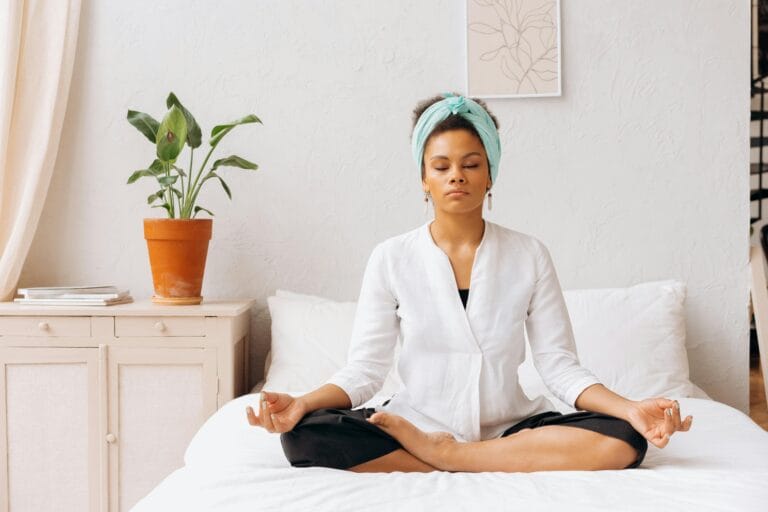
- Meditation and mindfulness: Meditation and mindfulness can help reduce stress and anxiety by stimulating the vagus nerve. To practice meditation and mindfulness, find a quiet and comfortable space, and focus on your breath, a mantra, or a physical sensation in your body.
- Yoga: Yoga can help stimulate the vagus nerve by combining physical postures, breathing techniques, and meditation. To practice yoga, find a qualified instructor or online class, and start with simple postures and breathing techniques.
- Listening to music: Listening to music can help stimulate the vagus nerve, reducing stress and anxiety. To practice listening to music, find a quiet and comfortable space, and listen to calming music, such as classical or nature sounds.
- Laughing and smiling: Laughing and smiling can help stimulate the vagus nerve, releasing endorphins and improving mood. To practice laughing and smiling, watch a funny movie, read a humorous book, or spend time with people who make you laugh.
- Getting a massage: Getting a massage can help stimulate the vagus nerve, reducing physical tension and promoting relaxation. To practice getting a massage, find a qualified therapist or ask a partner or friend to give you a massage.
- Taking a cold shower: Taking a cold shower can help stimulate the vagus nerve, increasing circulation and releasing certain neurotransmitters. To practice taking a cold shower, start with warm water and gradually decrease the temperature, staying in the shower for at least 30 seconds.
- Practicing gratitude: Practicing gratitude can help stimulate the vagus nerve, releasing endorphins and improving mood. To practice gratitude, write down three things you are grateful for each day, or share your gratitude with a friend or family member.
- Getting enough sleep: Getting enough sleep can help stimulate the vagus nerve, reducing stress and anxiety. To practice getting enough sleep, establish a consistent sleep schedule, avoid caffeine and electronics before bedtime, and create a relaxing bedtime routine.
- Eating a balanced diet: Eating a balanced diet can help stimulate the vagus nerve, providing essential nutrients and reducing inflammation. To practice eating a balanced diet, focus on whole foods, such as fruits, vegetables, whole grains, and lean proteins, and avoid processed and sugary foods.
The Benefits of Vagus Nerve Stimulation
Vagus nerve stimulation can have numerous benefits, including reducing stress and anxiety, improving mood, and enhancing cognitive function. By incorporating vagus nerve stimulation into your daily routine, you can experience these benefits and improve your overall well-being, using vagus nerve stimulation techniques.
Vagus nerve stimulation can also help reduce inflammation, improve heart rate variability, and enhance gut health. By stimulating the vagus nerve, we can activate our body’s natural healing processes, leading to improved physical and mental health, all of which are benefits of vagus nerve stimulation.
Vagus Nerve Stimulation and Mental Health
Vagus nerve stimulation can have a positive impact on mental health, reducing symptoms of anxiety and depression. By stimulating the vagus nerve, we can release neurotransmitters such as serotonin and dopamine, which can help improve mood and reduce stress, using vagus nerve stimulation techniques.
- Reduced symptoms of anxiety and depression: Vagus nerve stimulation can help reduce symptoms of anxiety and depression by releasing neurotransmitters such as serotonin and dopamine.
- Improved mood: Vagus nerve stimulation can help improve mood by increasing the production of neurotransmitters such as serotonin and dopamine.
- Enhanced cognitive function: Vagus nerve stimulation can help improve cognitive function by increasing the production of neurotransmitters such as acetylcholine.
Incorporating Vagus Nerve Stimulation into Your Daily Routine
Incorporating vagus nerve stimulation into your daily routine can be simple and effective. By starting with small changes, such as deep breathing exercises or progressive muscle relaxation, you can reduce stress and anxiety and improve your overall well-being, using vagus nerve stimulation techniques.
It’s essential to find a method that works for you and to be consistent. With regular practice, you can experience the benefits of vagus nerve stimulation and improve your mental and physical health, all of which are benefits of vagus nerve stimulation.
Common Mistakes to Avoid When Practicing Vagus Nerve Stimulation
When practicing vagus nerve stimulation, it’s essential to avoid common mistakes that can reduce its effectiveness. By being mindful of these mistakes, you can optimize your practice and experience the benefits of vagus nerve stimulation, using vagus nerve stimulation techniques.
One common mistake is not being consistent with your practice. Vagus nerve stimulation is most effective when practiced regularly, so it’s essential to find a method that you enjoy and can commit to, using vagus nerve stimulation.
Overcoming Obstacles and Staying Motivated
Overcoming obstacles and staying motivated can be challenging when practicing vagus nerve stimulation. By finding a supportive community or working with a healthcare professional, you can stay motivated and overcome common obstacles, using vagus nerve stimulation techniques.
- Finding a supportive community: Finding a supportive community can help you stay motivated and overcome common obstacles.
- Working with a healthcare professional: Working with a healthcare professional can help you develop a personalized plan and overcome common obstacles.
- Tracking your progress: Tracking your progress can help you stay motivated and see the benefits of vagus nerve stimulation.
Frequently Asked Questions
Question 1: What is the vagus nerve and how does it affect my body?
The vagus nerve is a complex nerve that plays a vital role in our nervous system, regulating various bodily functions, including heart rate, digestion, and respiratory rate. Vagus nerve stimulation can help reduce stress and anxiety by releasing neurotransmitters such as acetylcholine, dopamine, and serotonin, using vagus nerve stimulation techniques.
Question 2: How can I stimulate my vagus nerve naturally?
There are several ways to stimulate the vagus nerve naturally, including deep breathing exercises, progressive muscle relaxation, meditation, and mindfulness. You can also try listening to music, laughing, and smiling, as well as getting a massage or taking a cold shower, using vagus nerve stimulation techniques.
Question 3: Can vagus nerve stimulation help with anxiety and depression?
Yes, vagus nerve stimulation can help reduce symptoms of anxiety and depression by releasing neurotransmitters such as serotonin and dopamine. By incorporating vagus nerve stimulation into your daily routine, you can experience improved mood and reduced stress, using vagus nerve stimulation techniques.
Question 4: How long does it take to see the benefits of vagus nerve stimulation?
The benefits of vagus nerve stimulation can vary depending on the individual and the method used. Some people may experience immediate benefits, while others may take several weeks or months to notice a difference. Consistency and patience are key when practicing vagus nerve stimulation, using vagus nerve stimulation techniques.
Question 5: Can I use vagus nerve stimulation in conjunction with other therapies?
Yes, vagus nerve stimulation can be used in conjunction with other therapies, such as cognitive-behavioral therapy or medication. In fact, vagus nerve stimulation can enhance the effectiveness of other therapies and promote overall well-being, using vagus nerve stimulation techniques.
Key Takeaways
In conclusion, vagus nerve stimulation is a natural and effective way to reduce stress and anxiety, improve mood, and enhance cognitive function. By incorporating vagus nerve stimulation into your daily routine, you can experience the benefits of vagus nerve stimulation and improve your overall well-being, using vagus nerve stimulation techniques.
- Vagus nerve stimulation can reduce stress and anxiety by releasing neurotransmitters such as acetylcholine, dopamine, and serotonin.
- Vagus nerve stimulation can improve mood by increasing the production of neurotransmitters such as serotonin and dopamine.
- Vagus nerve stimulation can enhance cognitive function by increasing the production of neurotransmitters such as acetylcholine.
- There are 11 natural ways to stimulate the vagus nerve, including deep breathing exercises, progressive muscle relaxation, meditation, and mindfulness.
- Vagus nerve stimulation can be used in conjunction with other therapies to promote overall well-being.
If you’re looking to reduce stress and anxiety and improve your overall well-being, consider incorporating vagus nerve stimulation into your daily routine. With patience and consistency, you can experience the benefits of vagus nerve stimulation and improve your mental and physical health, using vagus nerve stimulation techniques. Remember to always consult with a healthcare professional before starting any new therapy or treatment, and to prioritize your health and well-being by using vagus nerve stimulation.
By using vagus nerve stimulation, you can take the first step towards a healthier, happier you. So why not start today and discover the benefits of vagus nerve stimulation for yourself, using vagus nerve stimulation techniques and focusing on vagus nerve stimulation?
Resources
- SAMHSA National Helpline: 1-800-662-4357 (24/7 free, confidential support)
- National Institute of Mental Health: [www.nimh.nih.gov](http://www.nimh.nih.gov) (information on mental health conditions and treatments)
- Mayo Clinic: [www.mayoclinic.org](http://www.mayoclinic.org) (information on health and wellness)
- Cleveland Clinic: [www.clevelandclinic.org](http://www.clevelandclinic.org) (information on health and wellness)
Disclaimer: This article is for informational purposes only and does not constitute medical advice. Always consult with qualified healthcare professionals for diagnosis and treatment of substance use disorders.