Did you know that nearly 1 in 5 adults in the United States experience anxiety or stress on a daily basis? Box breathing, also known as Navy SEAL breathing, is a powerful technique used by Navy SEALs to achieve instant calm and reduce stress in high-pressure situations. This article will explore the benefits of box breathing, how to practice it, and its applications in everyday life, all centered around the concept of box breathing for instant calm.
Box breathing is a simple yet effective technique that involves breathing in for a count of 4, holding your breath for a count of 4, exhaling for a count of 4, and holding your breath again for a count of 4. This creates a “box” shape with your breath, hence the name. By focusing on your breath and the counting, you can calm your mind and reduce stress. In this article, we will delve into the world of box breathing techniques and how they can be applied to achieve instant calm in various situations.
In the following sections, we will cover the benefits of box breathing, how to practice it, and its applications in everyday life. Whether you’re a person in recovery, an athlete, or simply someone looking to reduce stress, box breathing can be a valuable tool to add to your toolkit. So, let’s dive in and explore the world of box breathing and its potential for achieving instant calm.
What is Box Breathing and How Does it Work?
Box breathing is a type of diaphragmatic breathing that engages the diaphragm, the muscle that separates the chest and abdominal cavities. When we breathe in, our diaphragm contracts and moves downward, allowing our lungs to fill with air. When we breathe out, our diaphragm relaxes and moves upward, allowing our lungs to empty. By focusing on our breath and using the box breathing technique, we can slow down our heart rate, lower our blood pressure, and reduce stress.
The science behind box breathing is rooted in the concept of breathing techniques and their impact on the body’s physiological response to stress. When we’re under stress, our body’s “fight or flight” response is triggered, causing our heart rate and blood pressure to increase. Box breathing helps to counteract this response by stimulating the parasympathetic nervous system, which promotes relaxation and calmness.
Benefits of Box Breathing
The benefits of box breathing are numerous and well-documented. Some of the most significant advantages include reduced stress and anxiety, improved focus and concentration, and enhanced overall well-being. By incorporating box breathing into your daily routine, you can experience these benefits for yourself and improve your overall quality of life.
- Reduced stress and anxiety: Box breathing can help calm the mind and reduce feelings of stress and anxiety.
- Improved focus and concentration: By slowing down your breath and focusing on the present moment, you can improve your ability to concentrate and stay focused.
- Enhanced overall well-being: Box breathing can help reduce inflammation, improve sleep, and boost the immune system, all of which contribute to overall well-being.
How to Practice Box Breathing
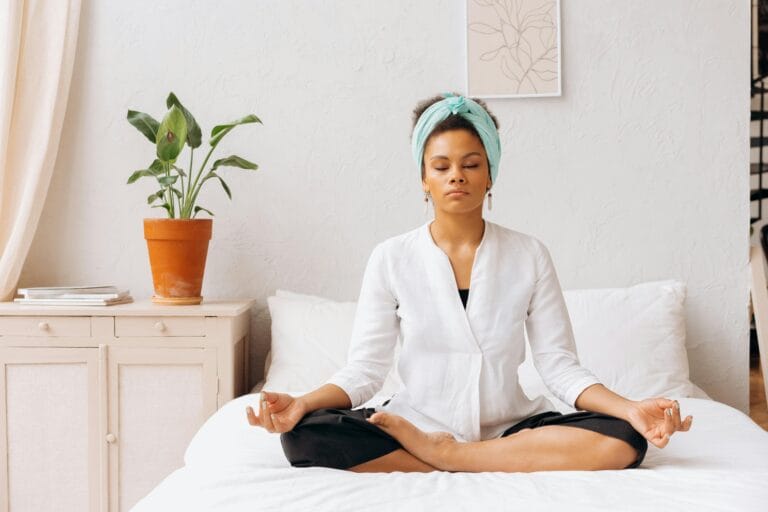
Practicing box breathing is simple and straightforward. Find a quiet, comfortable place to sit or lie down, close your eyes, and begin to breathe in for a count of 4. Hold your breath for a count of 4, exhale for a count of 4, and hold your breath again for a count of 4. Repeat this cycle for several minutes, focusing on your breath and the counting.
- Step 1: Find a quiet, comfortable place to sit or lie down and close your eyes.
- Step 2: Begin to breathe in for a count of 4, feeling your diaphragm contract and your lungs fill with air.
- Step 3: Hold your breath for a count of 4, feeling your body relax and your mind calm.
- Step 4: Exhale for a count of 4, feeling your diaphragm relax and your lungs empty.
- Step 5: Hold your breath again for a count of 4, feeling your body relax and your mind calm.
Remember to focus on your breath and the counting, and try to let go of any distracting thoughts or feelings. With regular practice, you can master the box breathing technique and experience its many benefits for yourself.
Applications of Box Breathing in Everyday Life
Box breathing has a wide range of applications in everyday life, from reducing stress and anxiety to improving focus and concentration. It can be used in a variety of situations, including during meditation, before a big meeting or presentation, or during a stressful commute.
For example, if you’re a person in recovery, box breathing can be a valuable tool to help manage cravings and reduce stress. By focusing on your breath and the counting, you can calm your mind and reduce the urge to use substances. Similarly, if you’re an athlete, box breathing can help improve your focus and concentration, allowing you to perform at your best.
Using Box Breathing in High-Pressure Situations
Box breathing can be particularly useful in high-pressure situations, such as during a job interview or a critical meeting. By taking a few minutes to practice box breathing, you can calm your nerves and improve your focus, allowing you to perform at your best.
- Before a big meeting or presentation: Take a few minutes to practice box breathing, focusing on your breath and the counting.
- During a stressful commute: Practice box breathing while driving or riding public transportation, focusing on your breath and the counting.
- During meditation: Use box breathing as a focal point for your meditation practice, focusing on your breath and the counting.
The Science Behind Box Breathing
The science behind box breathing is rooted in the concept of breathing techniques and their impact on the body’s physiological response to stress. When we’re under stress, our body’s “fight or flight” response is triggered, causing our heart rate and blood pressure to increase. Box breathing helps to counteract this response by stimulating the parasympathetic nervous system, which promotes relaxation and calmness.
By slowing down our breath and focusing on the counting, we can activate the parasympathetic nervous system, which helps to reduce stress and anxiety. This can have a positive impact on our overall health and well-being, reducing inflammation, improving sleep, and boosting the immune system.
Common Mistakes to Avoid When Practicing Box Breathing
When practicing box breathing, there are several common mistakes to avoid. These include trying to breathe too deeply or quickly, getting distracted by thoughts or feelings, and not practicing regularly.
By avoiding these common mistakes, you can get the most out of your box breathing practice and experience its many benefits for yourself. Remember to focus on your breath and the counting, and try to let go of any distracting thoughts or feelings.
- Trying to breathe too deeply or quickly: Focus on slow, deep breaths, and avoid trying to breathe too quickly or deeply.
- Getting distracted by thoughts or feelings: Try to let go of any distracting thoughts or feelings, and focus on your breath and the counting.
- Not practicing regularly: Make box breathing a regular part of your daily routine, practicing at the same time each day.
Using Box Breathing in Conjunction with Other Techniques
Box breathing can be used in conjunction with other techniques, such as meditation or yoga, to enhance its benefits. By combining box breathing with other practices, you can create a powerful toolkit for managing stress and anxiety.
For example, you can use box breathing as a focal point for your meditation practice, or combine it with physical postures and movements in yoga. By experimenting with different combinations, you can find what works best for you and experience the many benefits of box breathing for yourself.
Frequently Asked Questions
Question 1: What is the best way to practice box breathing?
The best way to practice box breathing is to find a quiet, comfortable place to sit or lie down, close your eyes, and focus on your breath and the counting.
Question 2: Can box breathing be used in high-pressure situations?
Yes, box breathing can be particularly useful in high-pressure situations, such as during a job interview or a critical meeting. By taking a few minutes to practice box breathing, you can calm your nerves and improve your focus.
Question 3: How often should I practice box breathing?
It’s recommended to practice box breathing at the same time each day, making it a regular part of your daily routine. This can help you get the most out of your practice and experience its many benefits.
Question 4: Can box breathing be used in conjunction with other techniques?
Yes, box breathing can be used in conjunction with other techniques, such as meditation or yoga, to enhance its benefits. By combining box breathing with other practices, you can create a powerful toolkit for managing stress and anxiety.
Question 5: Is box breathing suitable for everyone?
Yes, box breathing is suitable for everyone, regardless of age or health status. However, it’s always a good idea to consult with a healthcare professional before starting any new practice, especially if you have any underlying health conditions.
Key Takeaways
In conclusion, box breathing is a powerful technique that can be used to achieve instant calm and reduce stress in high-pressure situations. By focusing on your breath and the counting, you can calm your mind and reduce feelings of anxiety and stress.
- Box breathing is a simple yet effective technique that involves breathing in for a count of 4, holding your breath for a count of 4, exhaling for a count of 4, and holding your breath again for a count of 4.
- Box breathing can be used in a variety of situations, including during meditation, before a big meeting or presentation, or during a stressful commute.
- Box breathing can be used in conjunction with other techniques, such as meditation or yoga, to enhance its benefits.
- Regular practice of box breathing can help reduce stress and anxiety, improve focus and concentration, and enhance overall well-being.
- Box breathing is suitable for everyone, regardless of age or health status, but it’s always a good idea to consult with a healthcare professional before starting any new practice.
If you’re looking to reduce stress and anxiety and improve your overall well-being, consider trying box breathing. With regular practice, you can master this powerful technique and experience its many benefits for yourself. Remember to focus on your breath and the counting, and try to let go of any distracting thoughts or feelings. By incorporating box breathing into your daily routine, you can achieve instant calm and improve your overall quality of life.
So why not give box breathing a try? With its many benefits and ease of use, it’s a technique that can be used by anyone, anywhere. Whether you’re a person in recovery, an athlete, or simply someone looking to reduce stress, box breathing can be a valuable tool to add to your toolkit. By practicing box breathing regularly, you can achieve instant calm and improve your overall well-being.
Resources
- SAMHSA National Helpline: 1-800-662-4357 (24/7 free, confidential support)
- National Institute of Mental Health: A trusted source of information on mental health topics, including stress and anxiety.
- American Heart Association: A trusted source of information on heart health, including the impact of stress on cardiovascular health.
- Yoga Alliance: A trusted source of information on yoga and its benefits, including reduced stress and anxiety.
Disclaimer: This article is for informational purposes only and does not constitute medical advice. Always consult with qualified healthcare professionals for diagnosis and treatment of substance use disorders.