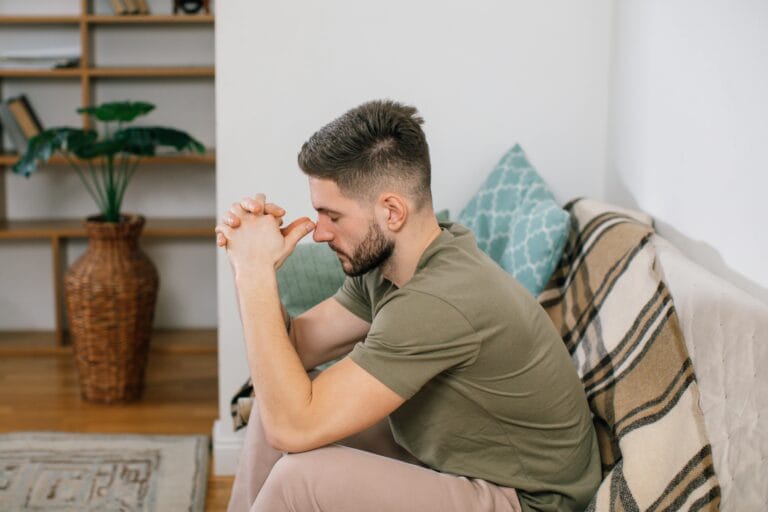

Are you one of the millions of people who wake up every morning feeling overwhelmed and anxious? Morning anxiety affects approximately 40 million adults in the United States alone, making it a common yet debilitating condition. If you’re struggling to start your day due to anxiety, you’re not alone. In this article, we’ll explore the causes of morning anxiety and provide you with 7 effective ways to manage and overcome it.
Morning anxiety can be a challenging condition to deal with, especially when it feels like it’s controlling your daily life. However, by understanding the underlying causes and implementing the right strategies, you can learn to manage your anxiety and start your day with confidence and clarity. Throughout this article, we’ll discuss the complexities of morning anxiety, its symptoms, and most importantly, how to stop it.
So, let’s dive into the world of morning anxiety, explore its intricacies, and discover the solutions that can help you regain control over your mornings. Whether you’re looking for immediate relief or long-term solutions, this article is designed to provide you with the tools and knowledge you need to overcome morning anxiety and start living the life you deserve.
Understanding Morning Anxiety: Causes and Symptoms
Morning anxiety is a type of anxiety that occurs specifically in the morning, often as soon as you wake up. It can be triggered by a variety of factors, including stress, trauma, sleep disorders, and even certain medications. The symptoms of morning anxiety can vary from person to person but commonly include feelings of nervousness, rapid heartbeat, and an overwhelming sense of dread or fear.
Additionally, morning anxiety can also manifest physically, causing symptoms such as headaches, stomachaches, and fatigue. If left unaddressed, morning anxiety can significantly impact a person’s daily life, making it challenging to perform even the simplest tasks.
The Role of Stress in Morning Anxiety
Stress is a significant contributor to morning anxiety. When we experience stress, our body’s “fight or flight” response is triggered, releasing stress hormones like cortisol and adrenaline into our system. These hormones can cause a range of physical and emotional symptoms, including anxiety, making it difficult to start the day feeling calm and relaxed.
7 Ways to Stop Morning Anxiety
Fortunately, there are many effective ways to manage and overcome morning anxiety. Here are 7 strategies you can try to help you start your day feeling more calm and centered:
- Establish a Consistent Sleep Schedule: Going to bed and waking up at the same time every day can help regulate your body’s internal clock and reduce morning anxiety.
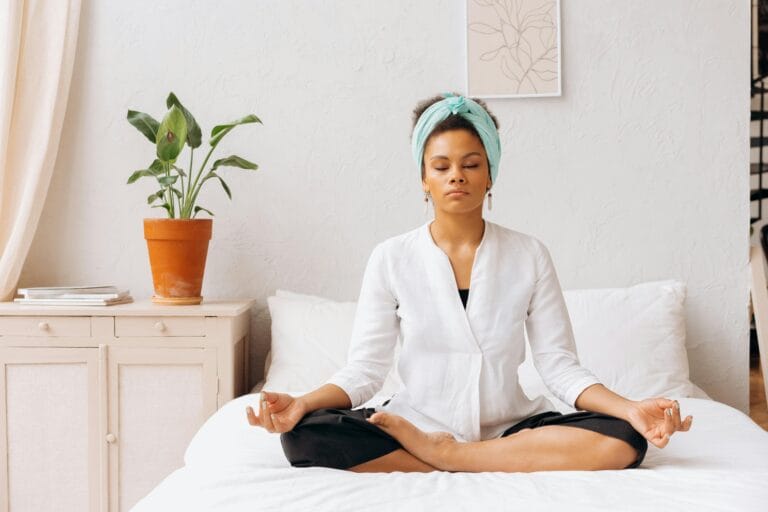
- Practice Morning Meditation: Starting your day with a short meditation session can help calm your mind and set a positive tone for the day ahead.
- Engage in Physical Activity: Regular exercise can help reduce anxiety by releasing endorphins, also known as “feel-good” hormones.
- Connect with Nature: Spending time outdoors, whether it’s walking, hiking, or simply sitting in a park, can help reduce stress and anxiety.
- Try Journaling: Writing down your thoughts and feelings can help you process and release emotions, reducing morning anxiety.
- Practice Deep Breathing Exercises: Deep breathing can help calm your nervous system and reduce feelings of anxiety.
- Seek Social Support: Talking to a friend, family member, or mental health professional can provide you with the support and guidance you need to overcome morning anxiety.
The Importance of Self-Care in Managing Morning Anxiety
Self-care is essential for managing morning anxiety. By prioritizing your physical and emotional well-being, you can reduce your stress levels and improve your overall mental health. This can include activities such as taking a warm bath, reading a book, or practicing yoga.
Additionally, self-care can also involve setting healthy boundaries, learning to say “no” when necessary, and taking regular breaks throughout the day. By incorporating self-care into your daily routine, you can better manage your morning anxiety and improve your overall quality of life.
Overcoming Morning Anxiety: A Long-Term Solution
While the strategies outlined above can provide immediate relief from morning anxiety, overcoming it in the long term requires a more comprehensive approach. This can involve working with a mental health professional to address underlying issues, such as trauma or low self-esteem, and developing a personalized plan to manage anxiety.
It’s also essential to prioritize your physical health, including eating a balanced diet, staying hydrated, and getting regular exercise. By addressing the physical and emotional aspects of morning anxiety, you can develop a robust plan to manage and overcome it.
Morning Anxiety and Mental Health: Breaking the Stigma
Morning anxiety is often stigmatized, with many people feeling ashamed or embarrassed to talk about their struggles. However, it’s essential to remember that morning anxiety is a common condition that affects millions of people worldwide.
By breaking the stigma surrounding morning anxiety, we can create a more supportive and understanding community, where people feel comfortable seeking help and sharing their experiences. If you’re struggling with morning anxiety, remember that you’re not alone, and there is help available.
The Role of Mindfulness in Managing Morning Anxiety
Mindfulness is a powerful tool for managing morning anxiety. By practicing mindfulness, you can learn to stay present in the moment, letting go of worries about the past or future. This can involve activities such as meditation, deep breathing, or yoga.
Additionally, mindfulness can also involve paying attention to your thoughts and emotions, without judgment. By developing a greater awareness of your inner experiences, you can better understand your anxiety and develop more effective coping strategies.
Conclusion and Next Steps
In conclusion, morning anxiety is a common condition that can be managed and overcome with the right strategies and support. By prioritizing self-care, practicing mindfulness, and seeking social support, you can reduce your morning anxiety and improve your overall mental health.
Frequently Asked Questions
Question 1: What is morning anxiety, and how is it different from regular anxiety?
Morning anxiety is a type of anxiety that occurs specifically in the morning, often as soon as you wake up. It can be triggered by a variety of factors, including stress, trauma, and sleep disorders.
Question 2: How can I tell if I have morning anxiety, and what are the symptoms?
The symptoms of morning anxiety can vary from person to person but commonly include feelings of nervousness, rapid heartbeat, and an overwhelming sense of dread or fear.
Question 3: Can morning anxiety be treated, and what are the most effective treatments?
Yes, morning anxiety can be treated with a combination of self-care strategies, mindfulness practices, and professional help. The most effective treatments often involve a comprehensive approach that addresses the physical, emotional, and psychological aspects of anxiety.
Question 4: How can I prevent morning anxiety from occurring in the first place?
Preventing morning anxiety involves prioritizing self-care, managing stress, and developing healthy sleep habits. Additionally, practicing mindfulness and seeking social support can also help reduce the risk of morning anxiety.
Question 5: What if my morning anxiety is severe, and I need immediate help?
If you’re experiencing severe morning anxiety, it’s essential to seek immediate help from a mental health professional or a crisis hotline. They can provide you with the support and guidance you need to manage your anxiety and develop a plan for long-term recovery.
Key Takeaways
In conclusion, morning anxiety is a common condition that can be managed and overcome with the right strategies and support. By prioritizing self-care, practicing mindfulness, and seeking social support, you can reduce your morning anxiety and improve your overall mental health.
- Establish a consistent sleep schedule to regulate your body’s internal clock.
- Practice morning meditation to calm your mind and set a positive tone for the day.
- Engage in physical activity to reduce anxiety and improve your mood.
- Connect with nature to reduce stress and improve your mental health.
- Try journaling to process and release emotions.
- Practice deep breathing exercises to calm your nervous system.
- Seek social support from friends, family, or a mental health professional.
If you’re struggling with morning anxiety, remember that you’re not alone, and there is help available. Don’t hesitate to reach out to a mental health professional or a crisis hotline for support. With the right strategies and support, you can overcome morning anxiety and start your day feeling calm, centered, and ready to take on whatever challenges come your way.
By taking the first step towards seeking help and support, you can begin to manage your morning anxiety and improve your overall mental health. Remember, you deserve to live a life free from the grip of anxiety, and with the right tools and support, you can achieve that. So, take a deep breath, be kind to yourself, and start your journey towards a more peaceful and fulfilling life, free from morning anxiety.
Resources
- SAMHSA National Helpline: 1-800-662-4357 (24/7 free, confidential support)
- National Alliance on Mental Illness (NAMI) Helpline: 1-800-950-6264 (Monday – Friday, 10am – 6pm ET)
- Crisis Text Line: Text “HOME” to 741741 (24/7 free, confidential support)
- American Psychological Association (APA) Psychologist Locator: A tool to find a licensed psychologist in your area.
Disclaimer: This article is for informational purposes only and does not constitute medical advice. Always consult with qualified healthcare professionals for diagnosis and treatment of mental health conditions.