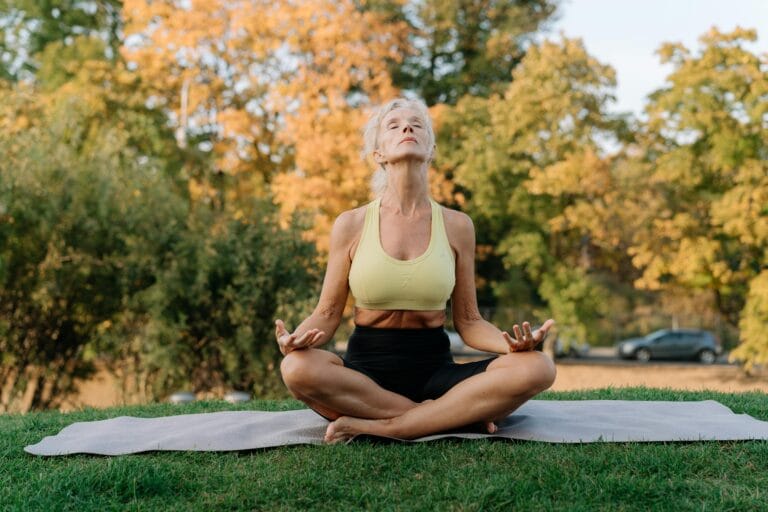

Are you one of the millions of people struggling with stress and anxiety, with over 40 million adults in the United States alone experiencing anxiety disorders each year? If so, you’re likely looking for effective ways to manage your symptoms and improve your overall well-being. One technique that has gained popularity in recent years is progressive muscle relaxation, a method that involves systematically tensing and relaxing different muscle groups to promote relaxation and reduce muscle tension. In this article, we’ll explore the concept of progressive muscle relaxation, its benefits, and provide a complete script and guide to get you started.
Progressive muscle relaxation is a powerful tool for managing stress and anxiety, and it’s based on the idea that physical relaxation can lead to mental calmness. By learning how to relax your muscles, you can reduce feelings of tension and anxiety, improve your sleep, and enhance your overall quality of life. Whether you’re a person in recovery from substance use disorder or simply looking for a healthy way to cope with stress, progressive muscle relaxation is a technique worth exploring.
In the following sections, we’ll delve into the world of progressive muscle relaxation, covering its history, benefits, and practical applications. We’ll also provide a step-by-step guide on how to practice progressive muscle relaxation, including a complete script you can follow along with. So, let’s get started on this journey to relaxation and wellness, using progressive muscle relaxation as our guide.
What is Progressive Muscle Relaxation?
Progressive muscle relaxation is a technique developed by American physician Edmund Jacobson in the 1920s. It involves systematically tensing and relaxing different muscle groups in the body, starting with the toes and moving up to the head. This technique is based on the idea that muscle tension is a physical manifestation of anxiety and stress, and that by releasing this tension, we can promote relaxation and reduce feelings of anxiety.
The process of progressive muscle relaxation typically involves a series of steps, including deep breathing, visualization, and physical relaxation. By combining these elements, individuals can create a state of deep relaxation, reducing muscle tension and promoting overall well-being. Progressive muscle relaxation has been shown to be an effective technique for managing stress and anxiety, and it’s often used in conjunction with other therapies, such as cognitive-behavioral therapy.
How Does Progressive Muscle Relaxation Work?
Progressive muscle relaxation works by teaching the body to recognize and release physical tension. When we’re stressed or anxious, our muscles tend to tense up, leading to feelings of discomfort and pain. By systematically tensing and relaxing different muscle groups, we can learn to release this tension, promoting relaxation and reducing muscle pain. This technique also helps to slow down our heart rate, lower our blood pressure, and promote deeper breathing, all of which contribute to a state of relaxation and calmness.
Benefits of Progressive Muscle Relaxation
The benefits of progressive muscle relaxation are numerous, and they include reduced stress and anxiety, improved sleep, and enhanced overall well-being. This technique has also been shown to be effective in managing chronic pain, reducing symptoms of depression, and improving cognitive function. By incorporating progressive muscle relaxation into your daily routine, you can experience these benefits for yourself, leading to a happier, healthier you.
Some of the key benefits of progressive muscle relaxation include:
- Reduced stress and anxiety: Progressive muscle relaxation has been shown to be an effective technique for managing stress and anxiety, promoting relaxation and calmness.
- Improved sleep: By reducing muscle tension and promoting relaxation, progressive muscle relaxation can help improve sleep quality, leading to better rest and recovery.
- Enhanced overall well-being: This technique can help reduce symptoms of depression, improve cognitive function, and promote overall well-being, leading to a happier, healthier you.
How to Practice Progressive Muscle Relaxation
To practice progressive muscle relaxation, you’ll need to find a quiet, comfortable space where you can sit or lie down without distractions. You’ll also need to set aside some time to focus on your breathing and relaxation. Here’s a step-by-step guide to get you started:
- Find a comfortable position: Sit or lie down in a comfortable position, with your back supported and your body relaxed.
- Close your eyes: Close your eyes and take a few deep breaths, feeling the air move in and out of your body.
- Tense and relax your muscles: Start by tensing the muscles in your toes, holding for a few seconds, and then releasing. Move up your body, tensing and relaxing each muscle group in turn, including your feet, calves, thighs, hips, back, shoulders, arms, hands, neck, and head.
- Focus on your breath: As you tense and relax each muscle group, focus on your breath, feeling the air move in and out of your body. If your mind wanders, gently bring it back to your breath.
- Practice regularly: Practice progressive muscle relaxation regularly, ideally at the same time each day, to experience the benefits of this technique for yourself.
Complete Script for Progressive Muscle Relaxation
Here’s a complete script you can follow along with to practice progressive muscle relaxation:
Start by finding a comfortable position, closing your eyes, and taking a few deep breaths. Feel the air move in and out of your body, and allow yourself to relax. Begin by tensing the muscles in your toes, holding for a few seconds, and then releasing. As you release the tension in your toes, feel the relaxation spread up through your feet, calves, and thighs. Continue to breathe deeply, feeling the air move in and out of your body.
Next, tense the muscles in your hips, holding for a few seconds, and then releasing. Feel the relaxation spread through your lower back, hips, and pelvis. Continue to breathe deeply, feeling the air move in and out of your body. Move up your body, tensing and relaxing each muscle group in turn, including your back, shoulders, arms, hands, neck, and head. As you tense and relax each muscle group, focus on your breath, feeling the air move in and out of your body.
Common Challenges and Solutions
While progressive muscle relaxation can be a powerful tool for managing stress and anxiety, it’s not without its challenges. Some common challenges people face when practicing this technique include difficulty relaxing, trouble focusing, and feeling self-conscious. Here are some solutions to these common challenges:
- Difficulty relaxing: If you’re having trouble relaxing, try listening to calming music, nature sounds, or guided meditations. You can also try practicing progressive muscle relaxation at the same time each day, so your body gets into a routine.
- Trouble focusing: If you’re having trouble focusing, try using a mindfulness app, guided meditation, or simply paying attention to your breath. You can also try practicing progressive muscle relaxation in a quiet, distraction-free space.
- Feeling self-conscious: If you’re feeling self-conscious about practicing progressive muscle relaxation, try reminding yourself that this is a normal, healthy practice. You can also try practicing in private, or with a trusted friend or family member.
Frequently Asked Questions
Question 1: What is the best time to practice progressive muscle relaxation?
The best time to practice progressive muscle relaxation is when you’re feeling stressed or anxious, or when you need to relax and unwind. This can be first thing in the morning, before bed, or any time in between.
Question 2: Can I practice progressive muscle relaxation if I have a medical condition?
Yes, you can practice progressive muscle relaxation if you have a medical condition, but it’s always best to consult with your healthcare provider first. They can help you determine if this technique is safe and suitable for your specific condition.
Question 3: How long does it take to see results from progressive muscle relaxation?
You can start to see results from progressive muscle relaxation after just one session, but it’s best to practice regularly to experience the full benefits of this technique. With regular practice, you can reduce stress and anxiety, improve sleep, and enhance overall well-being.
Question 4: Can I use progressive muscle relaxation in conjunction with other therapies?
Yes, you can use progressive muscle relaxation in conjunction with other therapies, such as cognitive-behavioral therapy, medication, or other relaxation techniques. In fact, this technique is often used in conjunction with other therapies to enhance their effectiveness.
Question 5: Is progressive muscle relaxation suitable for children?
Yes, progressive muscle relaxation is suitable for children, and it can be a great way to help them manage stress and anxiety. You can adapt the technique to suit your child’s age and needs, and practice it together as a family.
Key Takeaways
In this article, we’ve explored the concept of progressive muscle relaxation, its benefits, and provided a complete script and guide to get you started. Remember, progressive muscle relaxation is a powerful tool for managing stress and anxiety, and it’s suitable for people of all ages and backgrounds. By incorporating this technique into your daily routine, you can reduce muscle tension, promote relaxation, and enhance overall well-being.
- Progressive muscle relaxation is a technique that involves systematically tensing and relaxing different muscle groups to promote relaxation and reduce muscle tension.
- This technique can help reduce stress and anxiety, improve sleep, and enhance overall well-being.
- To practice progressive muscle relaxation, find a comfortable position, close your eyes, and tense and relax each muscle group in turn, starting with your toes and moving up to your head.
- Remember to focus on your breath, feeling the air move in and out of your body, and try to practice regularly to experience the full benefits of this technique.
- Progressive muscle relaxation is a versatile technique that can be used in conjunction with other therapies, and it’s suitable for people of all ages and backgrounds.
If you’re struggling with stress and anxiety, or if you’re simply looking for a healthy way to cope with the challenges of everyday life, consider trying progressive muscle relaxation. This technique is easy to learn, and it can be practiced anywhere, at any time. So why not give it a try, and start experiencing the benefits of progressive muscle relaxation for yourself, using this powerful technique to promote relaxation and reduce muscle tension?
Finally, remember that progressive muscle relaxation is just one tool in your toolkit for managing stress and anxiety. If you’re struggling with persistent or severe symptoms, don’t hesitate to reach out to a qualified healthcare professional for support and guidance. With the right tools and techniques, you can take control of your mental health, and live a happier, healthier life, using progressive muscle relaxation as a key part of your self-care routine.
Resources
- SAMHSA National Helpline: 1-800-662-4357 (24/7 free, confidential support)
- National Institute of Mental Health: A trusted source of information on mental health topics, including stress, anxiety, and relaxation techniques.
- Calm: A popular mindfulness and relaxation app that offers guided meditations, sleep stories, and relaxing music.
- Headspace: A meditation and mindfulness app that offers personalized meditation sessions, sleep sounds, and relaxing music.
Disclaimer: This article is for informational purposes only and does not constitute medical advice. Always consult with qualified healthcare professionals for diagnosis and treatment of substance use disorders or other medical conditions.