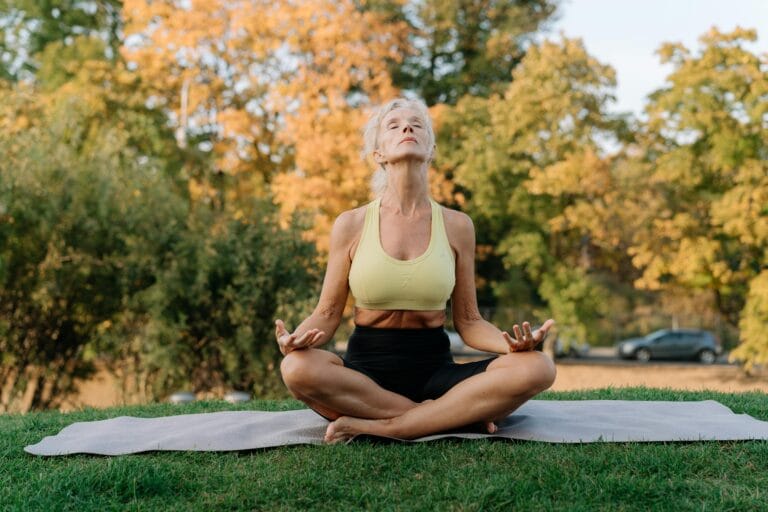
Anxiety affects over 40 million adults in the United States alone, making it one of the most common mental health conditions. Can yoga really help anxiety, or is it just a trend? The answer lies in the science behind yoga and its effects on both body and mind. In this article, we will explore how yoga can help alleviate anxiety symptoms and introduce you to 8 poses to try today.
Yoga is not just a physical practice; it’s a holistic approach to well-being that combines movement, breathwork, and meditation. By incorporating yoga into your daily routine, you can experience significant reductions in anxiety and improvements in overall mental health. But how exactly does yoga help anxiety, and what are the best poses to get you started?
Before diving into the specifics, it’s essential to understand that yoga is not a replacement for medical treatment. If you’re experiencing anxiety, it’s crucial to consult with a healthcare professional for proper diagnosis and treatment. However, as a complementary therapy, yoga can be a powerful tool in managing anxiety symptoms and enhancing your overall quality of life.
Understanding Anxiety and Yoga
Anxiety is a complex condition characterized by feelings of worry, nervousness, and fear that are persistent and overwhelming. Yoga, with its focus on breath awareness, physical postures, and meditation, offers a unique approach to addressing anxiety. By practicing yoga, individuals can develop greater body awareness, reduce stress, and enhance their ability to cope with anxiety-provoking situations.
One of the primary ways yoga helps anxiety is by activating the parasympathetic nervous system (PNS), which promotes relaxation and calmness. The PNS counters the effects of the sympathetic nervous system (SNS), which is responsible for the “fight or flight” response often associated with anxiety. By balancing these two systems, yoga can help regulate the body’s response to stress and anxiety.
The Science Behind Yoga and Anxiety
Research has shown that yoga can have a positive impact on anxiety by reducing symptoms of anxiety disorders, improving mood, and enhancing cognitive function. The science behind yoga’s anxiety-reducing effects is rooted in its ability to decrease cortisol levels, increase oxytocin production, and promote neuroplasticity. Oxytocin, often referred to as the “cuddle hormone,” plays a crucial role in social bonding and trust, while neuroplasticity allows the brain to reorganize and adapt in response to new experiences.
- Reduced Cortisol Levels: Chronic anxiety can lead to elevated cortisol levels, which can have detrimental effects on overall health. Yoga has been shown to decrease cortisol levels, thereby reducing the physical and emotional symptoms of anxiety.
- Increased Oxytocin Production: Oxytocin is involved in social bonding, trust, and relaxation. Yoga practices that promote social connection and community, such as group classes or partner yoga, can increase oxytocin production and help alleviate anxiety symptoms.
- Promoting Neuroplasticity: Yoga encourages neuroplasticity by challenging the brain to adapt to new movements, breathing techniques, and meditation practices. This can lead to improved cognitive function, enhanced mood, and reduced anxiety symptoms.
8 Yoga Poses to Help Alleviate Anxiety
While there are countless yoga poses that can help alleviate anxiety, here are 8 poses to get you started. Remember to listen to your body and modify or rest when needed.
- Child’s Pose (Balasana): A gentle, restorative pose that promotes relaxation and reduces stress.
- Downward-Facing Dog (Adho Mukha Svanasana): Stretches the entire back side of the body, from the shoulders to the heels, and can help calm the mind.
- Cobra Pose (Bhujangasana): Opens the chest, strengthens the back muscles, and can help improve mood and reduce anxiety.
- Cat-Cow Pose (Marjaryasana-Bitilasana): A gentle, flowing sequence that warms up the spine, promotes flexibility, and can help reduce stress and anxiety.
- Seated Forward Fold (Paschimottanasana): Stretches the entire front side of the body, from the shoulders to the toes, and can help calm the mind and reduce anxiety.
- Plank Pose (Phalakasana): Strengthens the arms, shoulders, and core, and can help improve focus and reduce anxiety.
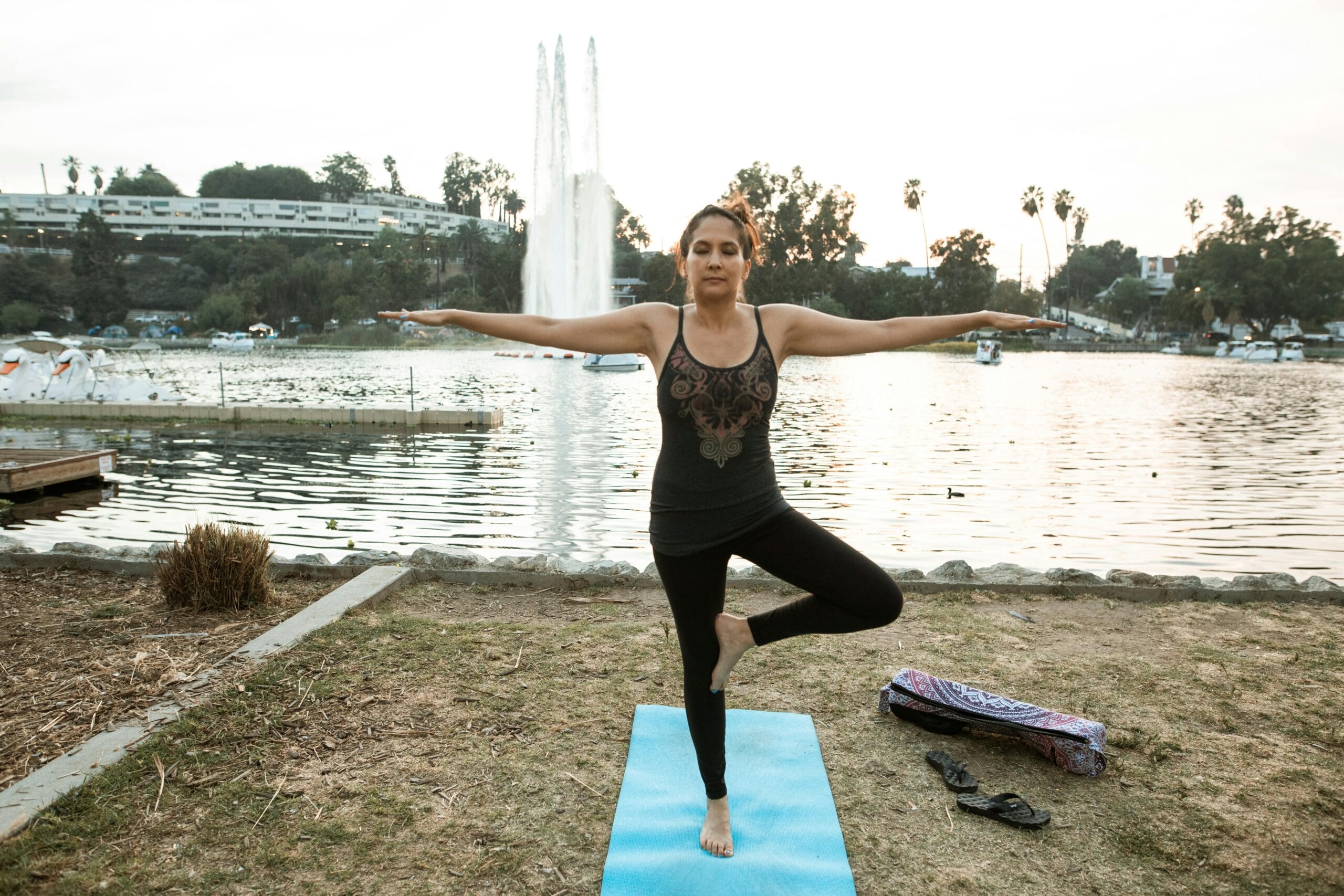
- Tree Pose (Vrksasana): Promotes balance, stability, and calmness, and can help reduce anxiety and improve overall well-being.
- Legs Up The Wall Pose (Viparita Karani): A restorative pose that promotes relaxation, reduces stress, and can help alleviate anxiety symptoms.
Getting Started with Yoga for Anxiety
Starting a yoga practice can seem intimidating, especially if you’re new to the practice. However, with a little guidance, you can begin to experience the benefits of yoga for anxiety. Here are some tips to get you started:
First, find a quiet and comfortable space to practice. You can start with short sessions, even just 5-10 minutes a day, and gradually increase the duration as you become more comfortable with the practice. Invest in a good yoga mat, and consider guided classes or online tutorials to help you learn the poses and breathing techniques.
Combining Yoga with Other Anxiety-Reducing Techniques
While yoga can be a powerful tool in managing anxiety, it’s often most effective when combined with other techniques. Some additional strategies you can try include:
- Meditation and Mindfulness: Regular mindfulness practice can help reduce anxiety symptoms, improve mood, and enhance overall well-being.
- Deep Breathing Exercises: Conscious breathing can help calm the nervous system, reduce stress, and promote relaxation.
- Progressive Muscle Relaxation: A technique that involves systematically tensing and relaxing different muscle groups to promote relaxation and reduce anxiety.
- Journaling and Reflection: Writing down your thoughts, feelings, and experiences can help you process and release emotions, gain insight, and develop a greater understanding of yourself.
Frequently Asked Questions
Question 1: Can I practice yoga if I have a physical limitation or injury?
Yes, yoga can be modified to accommodate physical limitations or injuries. It’s essential to consult with a healthcare professional or experienced yoga instructor to develop a practice that meets your needs and abilities.
Question 2: How often should I practice yoga to see benefits for anxiety?
Consistency is key. Aim to practice yoga at least 2-3 times a week, and ideally every day, even if it’s just for a few minutes. The more you practice, the more you’ll experience the benefits of yoga for anxiety.
Question 3: Can yoga replace traditional anxiety treatments?
No, yoga should not replace traditional anxiety treatments. While yoga can be a powerful complementary therapy, it’s essential to work with a healthcare professional to develop a comprehensive treatment plan that addresses your unique needs and circumstances.
Question 4: What if I feel anxious or overwhelmed during a yoga practice?
If you feel anxious or overwhelmed during a yoga practice, it’s essential to listen to your body and take a break. Modify or rest in a comfortable position, and remember that it’s okay to take things at your own pace.
Question 5: Can I practice yoga at home, or do I need to attend a studio or class?
Both options are available. You can practice yoga at home using online tutorials, videos, or guided meditations, or attend a studio or class to experience the benefits of community and guidance from an experienced instructor.
Key Takeaways
In conclusion, yoga can be a powerful tool in managing anxiety symptoms and enhancing overall mental health. By incorporating yoga into your daily routine, you can experience significant reductions in anxiety and improvements in mood, cognitive function, and overall well-being.
- Yoga can help reduce anxiety symptoms by activating the parasympathetic nervous system and promoting relaxation.
- Regular yoga practice can decrease cortisol levels, increase oxytocin production, and promote neuroplasticity.
- There are many yoga poses that can help alleviate anxiety, including Child’s Pose, Downward-Facing Dog, and Legs Up The Wall Pose.
- Combining yoga with other anxiety-reducing techniques, such as meditation, deep breathing, and journaling, can enhance its benefits.
- It’s essential to work with a healthcare professional to develop a comprehensive treatment plan that addresses your unique needs and circumstances.
If you’re struggling with anxiety, consider trying yoga as a complementary therapy. With its focus on breath awareness, physical postures, and meditation, yoga can help you develop greater body awareness, reduce stress, and enhance your ability to cope with anxiety-provoking situations. Remember to listen to your body, be patient, and seek guidance from experienced instructors or healthcare professionals as needed.
By incorporating yoga into your daily routine and combining it with other anxiety-reducing techniques, you can take the first steps towards a more balanced, calm, and fulfilling life. So why not give yoga a try today and discover the benefits of this ancient practice for yourself?
Resources
- National Alliance on Mental Illness (NAMI) Helpline: 1-800-950-6264 (Monday – Friday, 10am – 6pm EST)
- Anxiety and Depression Association of America (ADAA): A comprehensive online resource for anxiety and depression, including articles, webinars, and support groups.
- Yoga Alliance: A professional organization that provides resources, training, and certification for yoga instructors, as well as a directory of qualified instructors and studios.
- Crisis Text Line: Text HOME to 741741 (24/7 free, confidential support)
Disclaimer: This article is for informational purposes only and does not constitute medical advice. Always consult with qualified healthcare professionals for diagnosis and treatment of anxiety disorders.