
Are you one of the millions of people who experience panic attacks, with over 30% of the population having at least one panic attack in their lifetime? Reducing panic attacks naturally with breath and body awareness is a holistic approach that focuses on using your body’s natural responses to calm your mind and reduce symptoms. In this article, we will explore how to reduce panic attacks naturally, using techniques that combine breath and body awareness to promote relaxation and well-being.
The primary keyword, “reduce panic attacks naturally,” is a crucial concept in this discussion, as it emphasizes the importance of using natural methods to manage panic attacks. By understanding how to reduce panic attacks naturally with breath and body awareness, individuals can take the first step towards regaining control over their mental health. This article will provide a comprehensive guide on how to reduce panic attacks naturally, covering topics such as the benefits of breath and body awareness, how to practice deep breathing, and the importance of physical exercise.
As we delve into the world of natural panic attack reduction, it’s essential to remember that everyone’s journey is unique, and what works for one person may not work for another. Therefore, it’s crucial to approach this topic with an open mind and a willingness to explore different techniques. By doing so, individuals can find the methods that work best for them and start their journey towards a panic-attack-free life.
Understanding Panic Attacks and the Role of Breath and Body Awareness
Panic attacks are intense episodes of fear or discomfort that reach a peak within minutes, causing physical and emotional symptoms such as a racing heart, sweating, and a feeling of impending doom. Breath and body awareness play a crucial role in reducing panic attacks naturally, as they help individuals become more aware of their physical and emotional responses to stress and anxiety. By practicing breath and body awareness, individuals can learn to recognize the early warning signs of a panic attack and take steps to prevent it.
The primary keyword, “reduce panic attacks naturally,” is closely related to the concept of breath and body awareness, as it emphasizes the importance of using natural methods to manage panic attacks. By combining breath and body awareness techniques, individuals can develop a more holistic approach to managing their panic attacks and improving their overall mental health.
Benefits of Breath and Body Awareness
Breath and body awareness offer numerous benefits for reducing panic attacks naturally, including reduced stress and anxiety, improved emotional regulation, and enhanced self-awareness. By practicing breath and body awareness, individuals can become more attuned to their physical and emotional needs, allowing them to respond to stress and anxiety in a more mindful and intentional way.
- Reduced stress and anxiety: Breath and body awareness can help individuals manage stress and anxiety by promoting relaxation and reducing muscle tension.
- Improved emotional regulation: By becoming more aware of their emotional responses, individuals can learn to regulate their emotions more effectively, reducing the likelihood of panic attacks.
- Enhanced self-awareness: Breath and body awareness can increase self-awareness, allowing individuals to better understand their thoughts, feelings, and behaviors, and make positive changes to improve their mental health.
How to Practice Deep Breathing for Panic Attack Reduction
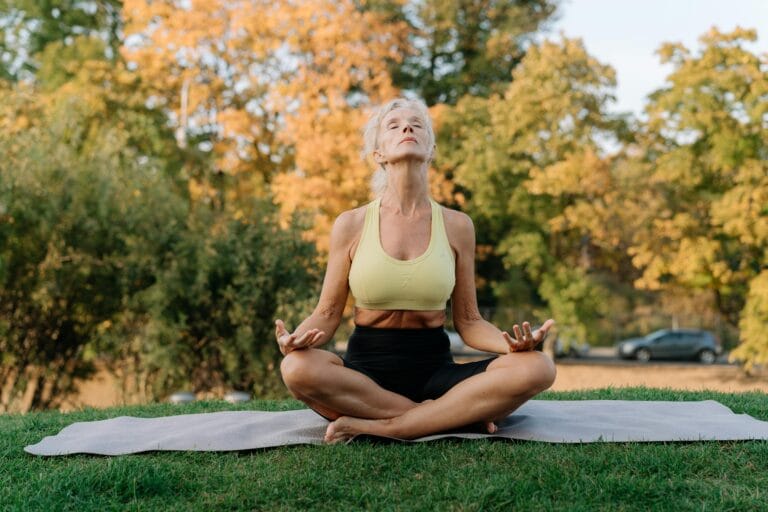
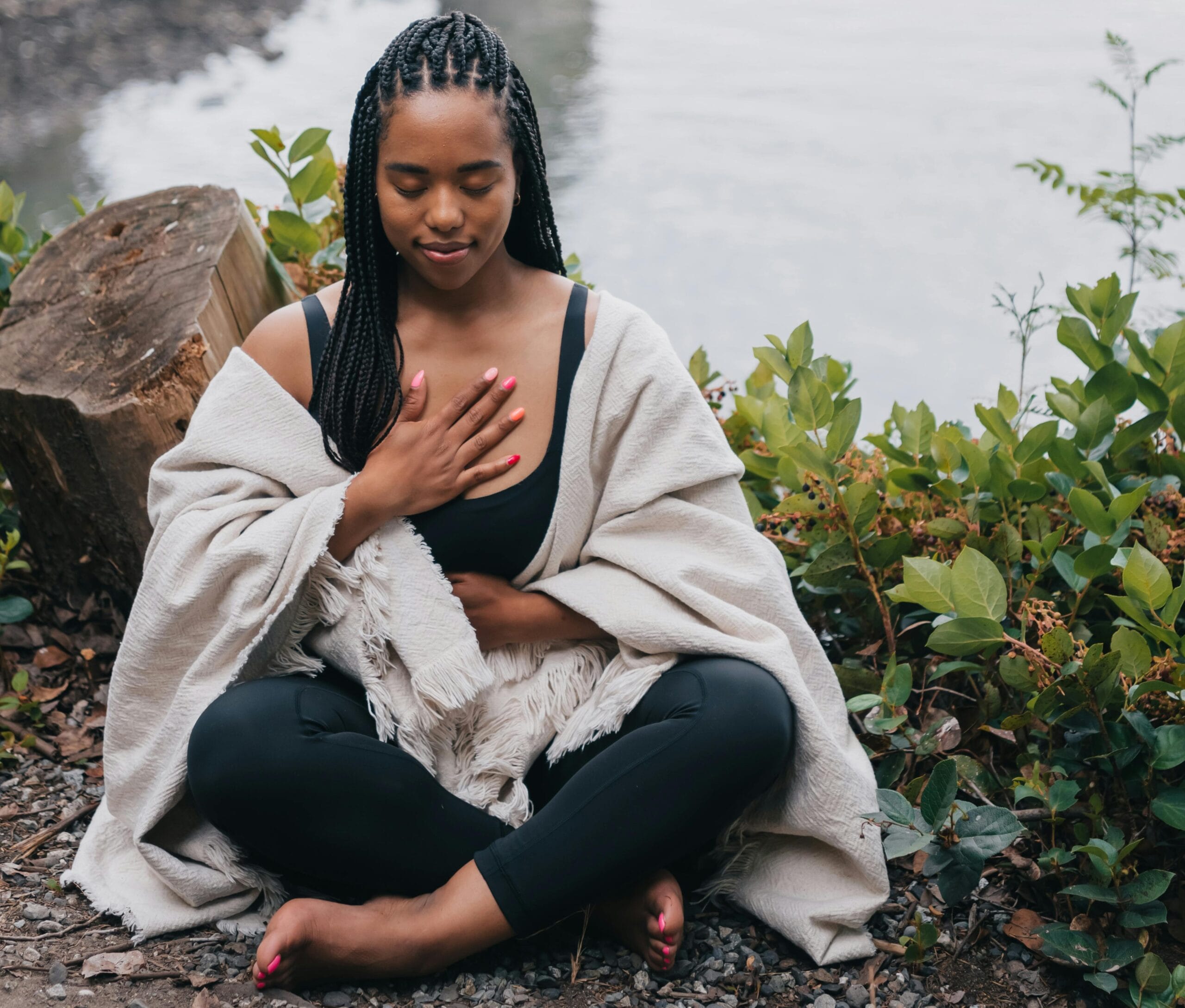
Deep breathing is a powerful technique for reducing panic attacks naturally, as it can help slow down your heart rate, lower your blood pressure, and promote relaxation. To practice deep breathing, find a comfortable and quiet space to sit or lie down, close your eyes, and focus on your breath. Inhale slowly through your nose, filling your lungs completely, and then exhale slowly through your mouth, emptying your lungs completely.
- Step 1: Find a comfortable and quiet space to practice deep breathing, free from distractions and interruptions.
- Step 2: Close your eyes and focus on your breath, feeling the sensation of the air moving in and out of your body.
- Step 3: Inhale slowly through your nose, filling your lungs completely, and then exhale slowly through your mouth, emptying your lungs completely.
By practicing deep breathing regularly, individuals can reduce their stress and anxiety levels, improve their emotional regulation, and enhance their self-awareness, all of which are essential for reducing panic attacks naturally.
The Importance of Physical Exercise for Reducing Panic Attacks
Physical exercise is a natural and effective way to reduce panic attacks, as it can help reduce stress and anxiety, improve mood, and enhance overall physical and mental well-being. Regular exercise can also help individuals develop a sense of control and self-efficacy, which is essential for managing panic attacks. By incorporating physical exercise into their daily routine, individuals can reduce their symptoms of panic attacks and improve their overall quality of life.
The primary keyword, “reduce panic attacks naturally,” is closely related to the concept of physical exercise, as it emphasizes the importance of using natural methods to manage panic attacks. By combining physical exercise with breath and body awareness techniques, individuals can develop a more holistic approach to managing their panic attacks and improving their overall mental health.
Types of Exercise for Reducing Panic Attacks
There are several types of exercise that can help reduce panic attacks, including aerobic exercise, yoga, and walking. Aerobic exercise, such as running or swimming, can help reduce stress and anxiety by releasing endorphins, also known as “feel-good” hormones. Yoga can help individuals develop greater body awareness, reduce muscle tension, and improve their overall sense of well-being. Walking can help individuals clear their minds, reduce stress and anxiety, and improve their mood.
- Aerobic exercise: Aerobic exercise, such as running or swimming, can help reduce stress and anxiety by releasing endorphins.
- Yoga: Yoga can help individuals develop greater body awareness, reduce muscle tension, and improve their overall sense of well-being.
- Walking: Walking can help individuals clear their minds, reduce stress and anxiety, and improve their mood.
Progressive Muscle Relaxation for Reducing Panic Attacks
Progressive muscle relaxation is a technique that involves tensing and relaxing different muscle groups in the body to promote relaxation and reduce muscle tension. This technique can be particularly helpful for reducing panic attacks, as it can help individuals become more aware of their physical responses to stress and anxiety. By practicing progressive muscle relaxation, individuals can learn to release physical tension and promote relaxation, reducing the likelihood of panic attacks.
- Step 1: Find a comfortable and quiet space to practice progressive muscle relaxation, free from distractions and interruptions.
- Step 2: Tense the muscles in your toes, holding for 5-10 seconds, and then release.
- Step 3: Move up your body, tensing and relaxing each muscle group in turn, including your feet, calves, thighs, hips, back, shoulders, arms, hands, neck, and head.
By practicing progressive muscle relaxation regularly, individuals can reduce their stress and anxiety levels, improve their emotional regulation, and enhance their self-awareness, all of which are essential for reducing panic attacks naturally.
Mindfulness and Meditation for Reducing Panic Attacks
Mindfulness and meditation are powerful techniques for reducing panic attacks, as they can help individuals develop greater awareness of their thoughts, feelings, and physical sensations. By practicing mindfulness and meditation, individuals can learn to observe their experiences without judgment, reducing the likelihood of panic attacks. Mindfulness and meditation can also help individuals develop a greater sense of self-awareness, allowing them to better understand their thoughts, feelings, and behaviors, and make positive changes to improve their mental health.
The primary keyword, “reduce panic attacks naturally,” is closely related to the concept of mindfulness and meditation, as it emphasizes the importance of using natural methods to manage panic attacks. By combining mindfulness and meditation with breath and body awareness techniques, individuals can develop a more holistic approach to managing their panic attacks and improving their overall mental health.
Getting Started with Mindfulness and Meditation
Getting started with mindfulness and meditation is easy, and can be done with just a few minutes of practice each day. Find a quiet and comfortable space to sit or lie down, close your eyes, and focus on your breath. When your mind wanders, gently bring it back to your breath, without judgment. Start with short periods of practice, such as 5-10 minutes, and gradually increase as you become more comfortable with the technique.
- Start small: Start with short periods of practice, such as 5-10 minutes, and gradually increase as you become more comfortable with the technique.
- Find a quiet space: Find a quiet and comfortable space to practice mindfulness and meditation, free from distractions and interruptions.
- Focus on your breath: Focus on your breath, feeling the sensation of the air moving in and out of your body, and gently bring your mind back to your breath when it wanders.
Grounding Techniques for Reducing Panic Attacks
Grounding techniques are powerful tools for reducing panic attacks, as they can help individuals focus on the present moment and distract themselves from anxious thoughts and feelings. Grounding techniques can be as simple as paying attention to your five senses, such as the feeling of your feet on the ground, the sounds around you, or the sensation of the air on your skin. By practicing grounding techniques, individuals can learn to calm their minds and bodies, reducing the likelihood of panic attacks.
The primary keyword, “reduce panic attacks naturally,” is closely related to the concept of grounding techniques, as it emphasizes the importance of using natural methods to manage panic attacks. By combining grounding techniques with breath and body awareness techniques, individuals can develop a more holistic approach to managing their panic attacks and improving their overall mental health.
Examples of Grounding Techniques
There are many examples of grounding techniques that can be used to reduce panic attacks, including deep breathing, progressive muscle relaxation, and mindfulness meditation. Other techniques include paying attention to your five senses, such as the feeling of your feet on the ground, the sounds around you, or the sensation of the air on your skin. Individuals can also use creative activities, such as drawing or painting, to express themselves and distract themselves from anxious thoughts and feelings.
- Deep breathing: Deep breathing can help individuals calm their minds and bodies, reducing the likelihood of panic attacks.
- Progressive muscle relaxation: Progressive muscle relaxation can help individuals release physical tension and promote relaxation, reducing the likelihood of panic attacks.
- Mindfulness meditation: Mindfulness meditation can help individuals develop greater awareness of their thoughts, feelings, and physical sensations, reducing the likelihood of panic attacks.
Frequently Asked Questions
Question 1: What is the best way to reduce panic attacks naturally?
The best way to reduce panic attacks naturally is to combine breath and body awareness techniques, such as deep breathing, progressive muscle relaxation, and mindfulness meditation, with regular physical exercise and a healthy lifestyle.
Question 2: How can I stop a panic attack once it has started?
To stop a panic attack once it has started, try to focus on your breath, using deep breathing techniques to calm your mind and body. You can also use grounding techniques, such as paying attention to your five senses, to distract yourself from anxious thoughts and feelings.
Question 3: Can I use natural remedies, such as herbs and supplements, to reduce panic attacks?
While some natural remedies, such as herbs and supplements, may be helpful in reducing panic attacks, it’s essential to consult with a healthcare professional before using them. Some natural remedies can interact with medications or have side effects, so it’s crucial to use them under the guidance of a qualified healthcare professional.
Question 4: How can I prevent panic attacks from occurring in the first place?
To prevent panic attacks from occurring in the first place, try to maintain a healthy lifestyle, including regular physical exercise, a balanced diet, and sufficient sleep. You can also practice stress-reducing techniques, such as deep breathing, progressive muscle relaxation, and mindfulness meditation, to help manage stress and anxiety.
Question 5: Can I use therapy, such as cognitive-behavioral therapy, to reduce panic attacks?
Yes, therapy, such as cognitive-behavioral therapy, can be an effective way to reduce panic attacks. Cognitive-behavioral therapy can help individuals identify and change negative thought patterns and behaviors that contribute to panic attacks, and develop more adaptive coping strategies to manage stress and anxiety.
Key Takeaways
In conclusion, reducing panic attacks naturally with breath and body awareness is a holistic approach that combines techniques such as deep breathing, progressive muscle relaxation, and mindfulness meditation to promote relaxation and reduce symptoms. By incorporating these techniques into your daily routine, you can reduce your stress and anxiety levels, improve your emotional regulation, and enhance your self-awareness, all of which are essential for reducing panic attacks naturally.
- Practice deep breathing techniques to calm your mind and body
- Use progressive muscle relaxation to release physical tension and promote relaxation
- Practice mindfulness meditation to develop greater awareness of your thoughts, feelings, and physical sensations
- Incorporate regular physical exercise into your daily routine to reduce stress and anxiety
- Use grounding techniques, such as paying attention to your five senses, to distract yourself from anxious thoughts and feelings
If you’re struggling with panic attacks, don’t hesitate to reach out for help. Consult with a healthcare professional, such as a therapist or counselor, who can provide you with personalized guidance and support. Remember, reducing panic attacks naturally with breath and body awareness is a journey, and it may take time and patience to find the techniques that work best for you. However, with persistence and dedication, you can learn to manage your panic attacks and improve your overall mental health.
By using the techniques outlined in this article, you can reduce your panic attacks naturally and improve your overall quality of life. Remember to always prioritize your mental health and well-being, and don’t hesitate to seek help when you need it. Reducing panic attacks naturally with breath and body awareness is a powerful tool for taking control of your mental health, and it’s never too late to start your journey towards a panic-attack-free life.
Resources
- SAMHSA National Helpline: 1-800-662-4357 (24/7 free, confidential support)
- Anxiety and Depression Association of America (ADAA): [www.adaa.org](http://www.adaa.org) (online resources and support for anxiety and depression)
- National Institute of Mental Health (NIMH): [www.nimh.nih.gov](http://www.nimh.nih.gov) (research and information on mental health conditions, including panic disorder)
- Crisis Text Line: Text “HOME” to 741741 (24/7 free, confidential support)
Disclaimer: This article is for informational purposes only and does not constitute medical advice. Always consult with qualified healthcare professionals for diagnosis and treatment of panic disorder or any other mental health condition.