
Did you know that spending time in nature can reduce stress levels by up to 28%? Nature therapy, also known as ecotherapy, is a growing field that focuses on using the natural environment to calm the mind and heal stress. By incorporating nature therapy into your daily routine, you can improve your mental health and well-being, reducing the risk of anxiety and depression. In this article, we’ll explore the benefits of nature therapy and provide you with practical tips on how to use it to calm your mind and heal stress.
Nature has a profound impact on our mental health, and research has shown that spending time outdoors can have a positive effect on our mood, cognitive function, and overall well-being. Whether it’s walking in a park, hiking in the woods, or simply sitting in a garden, nature therapy can help you feel more grounded and connected to the world around you. So, let’s dive in and explore the world of nature therapy and how it can benefit you.
Before we begin, it’s essential to note that nature therapy is not a replacement for traditional therapy or medical treatment. However, it can be a valuable complement to your existing treatment plan, helping you to manage stress and anxiety in a healthy and sustainable way. So, if you’re ready to start your nature therapy journey, keep reading to learn more about the benefits and how to get started.
What is Nature Therapy and How Does it Work?
Nature therapy is a type of therapy that uses the natural environment to promote physical and mental well-being. It’s based on the idea that spending time in nature can have a positive impact on our mental health, reducing stress and anxiety while improving our mood and cognitive function. Nature therapy can take many forms, from walking and hiking to gardening and simply spending time outdoors.
Research has shown that nature therapy can have a positive effect on our mental health by reducing the production of stress hormones like cortisol and adrenaline. It can also improve our mood by increasing the production of neurotransmitters like serotonin and dopamine, which are essential for regulating our mood and emotional well-being.
Benefits of Nature Therapy
Some of the benefits of nature therapy include reduced stress and anxiety, improved mood, and enhanced cognitive function. Nature therapy can also help us feel more connected to the world around us, reducing feelings of loneliness and isolation. Additionally, nature therapy can provide us with a sense of purpose and meaning, helping us to feel more grounded and focused.
- Reduces stress and anxiety: Nature therapy can help reduce stress and anxiety by promoting relaxation and calmness.
- Improves mood: Nature therapy can improve our mood by increasing the production of neurotransmitters like serotonin and dopamine.
- Enhances cognitive function: Nature therapy can improve our cognitive function by reducing stress and anxiety and promoting relaxation and calmness.
How to Get Started with Nature Therapy
Getting started with nature therapy is easy, and it doesn’t require any special equipment or training. Simply spending time outdoors can be beneficial, whether it’s walking in a park, hiking in the woods, or simply sitting in a garden. Here are some tips to help you get started:
- Find a nearby park or nature reserve: Look for a nearby park or nature reserve where you can spend time outdoors. This could be a local park, a nature reserve, or even a garden in your backyard.
- Take a walk: Take a walk in the park or nature reserve, paying attention to your surroundings and the natural environment. Notice the sights, sounds, and smells around you.
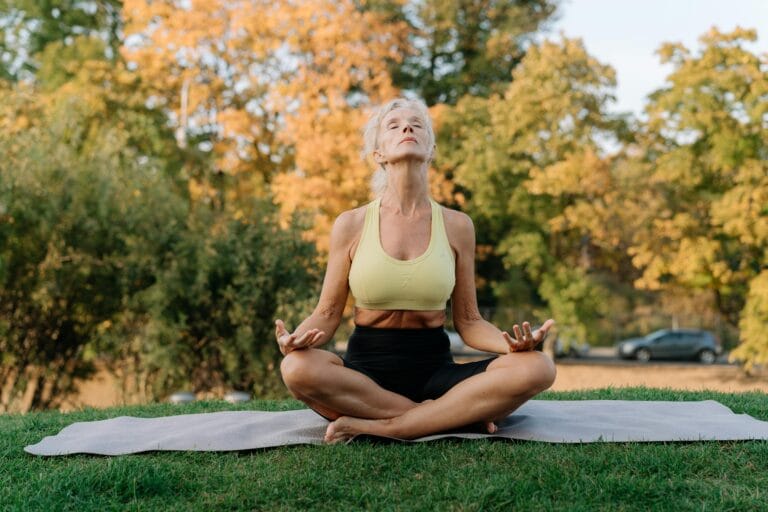
- Practice mindfulness: Practice mindfulness by paying attention to the present moment and letting go of distractions. Focus on your breath, your body, and the natural environment around you.
Remember, the key to nature therapy is to spend time outdoors and connect with the natural environment. You don’t need to do anything special or have any specific goals in mind. Simply being in nature can be beneficial, so find a way to incorporate it into your daily routine.
Nature Therapy Activities
There are many nature therapy activities you can try, from walking and hiking to gardening and simply spending time outdoors. Here are some ideas to get you started:
Walking and Hiking
Walking and hiking are great ways to get outdoors and connect with nature. Find a nearby park or nature reserve and take a walk, paying attention to your surroundings and the natural environment. You can also try hiking, which can be a great way to challenge yourself and get some exercise.
Gardening
Gardening is another great way to connect with nature and promote mental well-being. Plant some flowers, vegetables, or herbs, and tend to them regularly. Gardening can be a great way to reduce stress and anxiety, and it can also provide you with a sense of purpose and meaning.
- Plant a garden: Plant a garden in your backyard or even just a few plants in pots. This can be a great way to connect with nature and promote mental well-being.
- Try forest bathing: Forest bathing is a Japanese practice that involves spending time in the forest to promote relaxation and calmness. Find a nearby forest and take a walk, paying attention to your surroundings and the natural environment.
- Go birdwatching: Birdwatching can be a great way to connect with nature and promote mental well-being. Find a nearby park or nature reserve and see how many different species you can spot.
Nature Therapy for Stress and Anxiety
Nature therapy can be a great way to reduce stress and anxiety, promoting relaxation and calmness. Here are some tips to help you use nature therapy to manage stress and anxiety:
- Find a quiet spot: Find a quiet spot in nature where you can sit and relax. This could be a park, a nature reserve, or even just a garden in your backyard.
- Practice deep breathing: Practice deep breathing exercises, focusing on your breath and the natural environment around you. This can help calm your mind and reduce stress and anxiety.
- Listen to nature sounds: Listen to nature sounds, such as birds singing or water flowing. This can be a great way to calm your mind and reduce stress and anxiety.
Remember, nature therapy is not a replacement for traditional therapy or medical treatment. However, it can be a valuable complement to your existing treatment plan, helping you to manage stress and anxiety in a healthy and sustainable way.
Nature Therapy for Mental Health
Nature therapy can be a great way to promote mental health, reducing stress and anxiety while improving our mood and cognitive function. Here are some tips to help you use nature therapy to promote mental health:
Benefits for Mental Health
Nature therapy can have a positive impact on our mental health, reducing stress and anxiety while improving our mood and cognitive function. It can also provide us with a sense of purpose and meaning, helping us to feel more grounded and focused.
- Reduces symptoms of depression: Nature therapy can help reduce symptoms of depression, improving our mood and cognitive function.
- Improves sleep: Nature therapy can help improve sleep, reducing stress and anxiety and promoting relaxation and calmness.
- Enhances cognitive function: Nature therapy can improve our cognitive function, reducing stress and anxiety and promoting relaxation and calmness.
How to Incorporate Nature Therapy into Your Daily Routine
Incorporating nature therapy into your daily routine can be easy, and it doesn’t require any special equipment or training. Here are some tips to help you get started:
- Take a walk during your lunch break: Take a walk during your lunch break, paying attention to your surroundings and the natural environment. This can be a great way to reduce stress and anxiety and promote mental well-being.
- Get outside in the morning: Get outside in the morning, taking a walk or simply sitting in a garden. This can be a great way to start your day, promoting relaxation and calmness.
- Try a nature-based workout: Try a nature-based workout, such as hiking or biking. This can be a great way to get exercise and promote mental well-being.
Remember, the key to nature therapy is to spend time outdoors and connect with the natural environment. You don’t need to do anything special or have any specific goals in mind. Simply being in nature can be beneficial, so find a way to incorporate it into your daily routine.
Frequently Asked Questions
What is nature therapy?
Nature therapy, also known as ecotherapy, is a type of therapy that uses the natural environment to promote physical and mental well-being.
How does nature therapy work?
Nature therapy works by reducing stress and anxiety, improving our mood and cognitive function, and promoting relaxation and calmness.
What are the benefits of nature therapy?
The benefits of nature therapy include reduced stress and anxiety, improved mood, and enhanced cognitive function. It can also provide us with a sense of purpose and meaning, helping us to feel more grounded and focused.
How can I incorporate nature therapy into my daily routine?
You can incorporate nature therapy into your daily routine by taking a walk during your lunch break, getting outside in the morning, or trying a nature-based workout.
Is nature therapy a replacement for traditional therapy or medical treatment?
No, nature therapy is not a replacement for traditional therapy or medical treatment. However, it can be a valuable complement to your existing treatment plan, helping you to manage stress and anxiety in a healthy and sustainable way.
Key Takeaways
In conclusion, nature therapy is a powerful tool for promoting mental health and well-being. By spending time outdoors and connecting with the natural environment, we can reduce stress and anxiety, improve our mood and cognitive function, and promote relaxation and calmness.
- Reduced stress and anxiety
- Improved mood and cognitive function
- Enhanced sense of purpose and meaning
- Improved sleep
- Increased sense of connection to nature
If you’re struggling with stress and anxiety, consider incorporating nature therapy into your daily routine. Take a walk, go for a hike, or simply spend time outdoors. Remember, nature therapy is not a replacement for traditional therapy or medical treatment, but it can be a valuable complement to your existing treatment plan. So, get outside and start exploring the natural world today!
Nature therapy can be a powerful tool for promoting mental health and well-being, and it’s easier than you think to get started. By incorporating nature therapy into your daily routine, you can reduce stress and anxiety, improve your mood and cognitive function, and promote relaxation and calmness. So, why not give it a try? Get outside, connect with nature, and start feeling the benefits of nature therapy for yourself.
Resources
- National Park Service: Find a nearby national park and get outside to explore the natural world.
- Local parks and recreation departments: Find a nearby park or nature reserve and get outside to connect with nature.
- Nature therapy programs: Look for nature therapy programs in your area, which can provide you with guided nature walks and other activities.
- Mental health professionals: Consult with a mental health professional to learn more about nature therapy and how it can benefit you.
Disclaimer: This article is for informational purposes only and does not constitute medical advice. Always consult with qualified healthcare professionals for diagnosis and treatment of mental health conditions.