Did you know that approximately 70% of adults in the United States have experienced some form of traumatic event, with many struggling to find effective ways to heal without reliving the trauma? Body-based healing for trauma offers a promising approach, focusing on the physical and emotional release of trauma stored in the body, rather than solely relying on talk therapy. In this article, we’ll explore how to start body-based healing for trauma without reliving it, providing you with practical steps and techniques to begin your journey towards recovery.
Body-based healing acknowledges that trauma is not just an emotional or psychological experience, but also a physical one. When we experience trauma, our body’s stress response is triggered, leading to changes in our physiology, nervous system, and brain chemistry. By addressing these physical changes, we can begin to release the trauma stored in our body, promoting healing and recovery. Throughout this article, we’ll delve into the world of body-based healing, exploring its benefits, techniques, and applications, all while focusing on the primary keyword: body-based healing for trauma.
As we embark on this journey, it’s essential to remember that body-based healing is not a replacement for traditional therapy or medical treatment, but rather a complementary approach that can enhance your overall recovery. By incorporating body-based healing into your treatment plan, you can experience a more holistic and sustainable healing process. Therefore, let’s dive into the main content sections, where we’ll discuss the various aspects of body-based healing for trauma, including its benefits, techniques, and applications, all centered around the concept of body-based healing for trauma.
Understanding Body-Based Healing for Trauma
Body-based healing for trauma is an approach that focuses on the physical and emotional release of trauma stored in the body. This can be achieved through various techniques, such as somatic experiencing, trauma-sensitive yoga, and mind-body therapies. By acknowledging the interconnectedness of our body and mind, we can begin to release the physical tension and emotional pain associated with trauma, promoting a sense of safety, calmness, and well-being.
The primary goal of body-based healing is to help individuals develop greater body awareness, allowing them to better regulate their nervous system and manage their stress response. This can be particularly beneficial for those who have experienced trauma, as it enables them to reconnect with their body and develop a sense of trust and safety. As we explore the concept of body-based healing for trauma, we’ll discuss its benefits, including reduced symptoms of anxiety and depression, improved sleep quality, and enhanced overall well-being.
Benefits of Body-Based Healing for Trauma
The benefits of body-based healing for trauma are numerous, including reduced symptoms of anxiety and depression, improved sleep quality, and enhanced overall well-being. By addressing the physical and emotional aspects of trauma, individuals can experience a more comprehensive and sustainable healing process. Additionally, body-based healing can help individuals develop greater resilience, allowing them to better cope with future challenges and stressors.
- Reduced symptoms of anxiety and depression: Body-based healing can help individuals manage their stress response, reducing symptoms of anxiety and depression.
- Improved sleep quality: By promoting relaxation and reducing physical tension, body-based healing can help individuals improve their sleep quality.
- Enhanced overall well-being: Body-based healing can help individuals develop a greater sense of calmness, safety, and well-being, leading to enhanced overall well-being.
Techniques for Body-Based Healing
There are various techniques that can be used for body-based healing, including somatic experiencing, trauma-sensitive yoga, and mind-body therapies. These techniques focus on promoting physical and emotional release, while also enhancing body awareness and nervous system regulation. By incorporating these techniques into your daily routine, you can begin to experience the benefits of body-based healing for trauma.
- Somatic Experiencing: This technique focuses on releasing physical tension and promoting nervous system regulation, helping individuals develop greater body awareness and manage their stress response.
- Trauma-Sensitive Yoga: This approach combines yoga with trauma-informed principles, providing a safe and supportive environment for individuals to process and release trauma.
- Mind-Body Therapies: These therapies, such as mindfulness and meditation, can help individuals develop greater body awareness, manage their stress response, and promote emotional regulation.
As we explore the various techniques for body-based healing, it’s essential to remember that each individual’s experience with trauma is unique, and what works for one person may not work for another. Therefore, it’s crucial to work with a qualified healthcare professional or therapist who can help you develop a personalized treatment plan, incorporating body-based healing techniques that cater to your specific needs and goals.
Creating a Safe and Supportive Environment
Creating a safe and supportive environment is essential for body-based healing, as it allows individuals to feel comfortable and secure while processing and releasing trauma. This can be achieved by establishing clear boundaries, promoting open communication, and fostering a sense of trust and connection with your healthcare professional or therapist. By doing so, you can create a safe space for yourself to explore your feelings, emotions, and physical sensations, without fear of judgment or criticism.
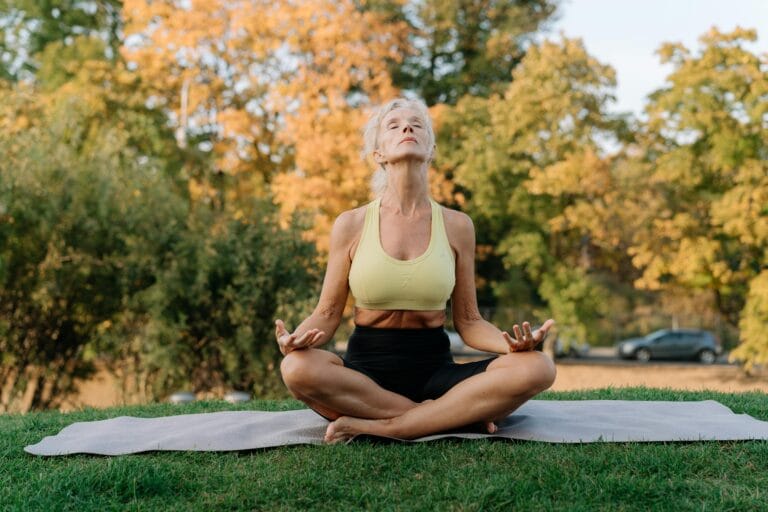
A safe and supportive environment can also be created through self-care practices, such as meditation, yoga, or spending time in nature. These activities can help individuals develop greater body awareness, manage their stress response, and promote emotional regulation, all of which are essential for body-based healing. As we discuss the importance of creating a safe and supportive environment, we’ll explore the various ways in which you can cultivate this sense of safety and security, both in your personal and therapeutic relationships.
Self-Care Practices for Body-Based Healing
Self-care practices, such as meditation, yoga, or spending time in nature, can help individuals develop greater body awareness, manage their stress response, and promote emotional regulation. These practices can be particularly beneficial for those who have experienced trauma, as they provide a sense of control and agency over one’s body and emotions. By incorporating self-care practices into your daily routine, you can enhance your overall well-being, reduce symptoms of anxiety and depression, and promote a sense of calmness and safety.
- Meditation: This practice can help individuals develop greater body awareness, manage their stress response, and promote emotional regulation.
- Yoga: This practice combines physical movement with deep breathing and meditation, providing a comprehensive approach to body-based healing.
- Spending time in nature: This activity can help individuals develop a sense of calmness and connection to their body, while also promoting emotional regulation and well-being.
Working with a Qualified Healthcare Professional
Working with a qualified healthcare professional or therapist is essential for body-based healing, as they can provide guidance, support, and expertise throughout the healing process. A qualified healthcare professional can help you develop a personalized treatment plan, incorporating body-based healing techniques that cater to your specific needs and goals. By doing so, you can ensure that you’re receiving the most effective and comprehensive care possible, while also promoting a sense of safety and security.
A qualified healthcare professional can also help you navigate the complexities of body-based healing, providing education and support as you explore your feelings, emotions, and physical sensations. By working together, you can develop a deeper understanding of your body and its responses to trauma, allowing you to better manage your stress response and promote emotional regulation. As we discuss the importance of working with a qualified healthcare professional, we’ll explore the various ways in which they can support and guide you throughout your healing journey.
What to Expect from a Qualified Healthcare Professional
When working with a qualified healthcare professional, you can expect to receive a comprehensive and personalized approach to body-based healing. They will work with you to develop a treatment plan that addresses your specific needs and goals, incorporating body-based healing techniques that promote physical and emotional release. A qualified healthcare professional will also provide ongoing support and guidance, helping you navigate the healing process and overcome any challenges that may arise.
- Personalized treatment plan: A qualified healthcare professional will work with you to develop a personalized treatment plan that addresses your specific needs and goals.
- Ongoing support and guidance: They will provide ongoing support and guidance, helping you navigate the healing process and overcome any challenges that may arise.
- Education and empowerment: A qualified healthcare professional will educate and empower you, providing the tools and techniques necessary for body-based healing and promoting a sense of control and agency over your body and emotions.
Overcoming Common Challenges
Overcoming common challenges is an essential aspect of body-based healing, as it allows individuals to navigate the healing process with greater ease and confidence. Common challenges may include feelings of anxiety or fear, physical tension or pain, and emotional overwhelm or dissociation. By working with a qualified healthcare professional and incorporating self-care practices into your daily routine, you can develop the skills and strategies necessary to overcome these challenges and promote a sense of safety and security.
Additionally, it’s essential to remember that body-based healing is a process that takes time, patience, and compassion. It’s not a quick fix or a one-size-fits-all approach, but rather a journey that requires commitment, dedication, and self-awareness. By embracing this journey and working through the challenges that arise, you can develop a deeper understanding of your body and its responses to trauma, allowing you to promote a sense of calmness, safety, and well-being.
Strategies for Overcoming Common Challenges
Strategies for overcoming common challenges may include deep breathing exercises, physical movement or yoga, and mindfulness or meditation practices. These strategies can help individuals develop greater body awareness, manage their stress response, and promote emotional regulation, all of which are essential for body-based healing. By incorporating these strategies into your daily routine, you can enhance your overall well-being, reduce symptoms of anxiety and depression, and promote a sense of calmness and safety.
- Deep breathing exercises: These exercises can help individuals develop greater body awareness, manage their stress response, and promote emotional regulation.
- Physical movement or yoga: This practice combines physical movement with deep breathing and meditation, providing a comprehensive approach to body-based healing.
- Mindfulness or meditation practices: These practices can help individuals develop greater body awareness, manage their stress response, and promote emotional regulation, all of which are essential for body-based healing.
Integrating Body-Based Healing into Daily Life
Integrating body-based healing into daily life is essential for promoting a sense of calmness, safety, and well-being. This can be achieved by incorporating self-care practices into your daily routine, such as meditation, yoga, or spending time in nature. By doing so, you can develop greater body awareness, manage your stress response, and promote emotional regulation, all of which are essential for body-based healing.
Additionally, it’s essential to remember that body-based healing is not a one-time event, but rather a process that requires ongoing commitment and practice. By integrating body-based healing into your daily life, you can promote a sense of consistency and routine, allowing you to better manage your stress response and navigate the challenges that arise. As we discuss the importance of integrating body-based healing into daily life, we’ll explore the various ways in which you can cultivate a sense of calmness, safety, and well-being, both in your personal and therapeutic relationships.
Tips for Integrating Body-Based Healing into Daily Life
Tips for integrating body-based healing into daily life may include scheduling self-care practices into your daily routine, setting aside time for relaxation and stress reduction, and prioritizing physical and emotional well-being. By doing so, you can develop a sense of consistency and routine, allowing you to better manage your stress response and navigate the challenges that arise. Additionally, it’s essential to remember that body-based healing is a journey that requires patience, compassion, and self-awareness, and that it’s okay to take things one step at a time.
- Scheduling self-care practices: Schedule self-care practices into your daily routine, such as meditation, yoga, or spending time in nature.
- Setting aside time for relaxation and stress reduction: Set aside time for relaxation and stress reduction, allowing you to manage your stress response and promote emotional regulation.
- Prioritizing physical and emotional well-being: Prioritize physical and emotional well-being, allowing you to develop a sense of calmness, safety, and well-being.
Frequently Asked Questions
Question 1: What is body-based healing, and how does it differ from traditional therapy?
Body-based healing is an approach that focuses on the physical and emotional release of trauma stored in the body, rather than solely relying on talk therapy. It acknowledges that trauma is not just an emotional or psychological experience, but also a physical one, and seeks to address the interconnectedness of body and mind.
Question 2: How can I find a qualified healthcare professional who specializes in body-based healing?
To find a qualified healthcare professional who specializes in body-based healing, you can search online, ask for referrals from friends or family members, or contact professional organizations that specialize in trauma and body-based healing.
Question 3: What are some common benefits of body-based healing, and how can I expect to feel during and after the healing process?
Common benefits of body-based healing include reduced symptoms of anxiety and depression, improved sleep quality, and enhanced overall well-being. During the healing process, you may experience a range of emotions and physical sensations, including feelings of anxiety or fear, physical tension or pain, and emotional overwhelm or dissociation. However, with the guidance of a qualified healthcare professional and the incorporation of self-care practices, you can develop the skills and strategies necessary to navigate these challenges and promote a sense of calmness, safety, and well-being.
Question 4: How can I integrate body-based healing into my daily life, and what are some tips for maintaining a consistent practice?
To integrate body-based healing into your daily life, you can schedule self-care practices into your daily routine, set aside time for relaxation and stress reduction, and prioritize physical and emotional well-being. Tips for maintaining a consistent practice include being patient and compassionate with yourself, seeking support from friends, family, or a qualified healthcare professional, and celebrating your successes along the way.
Question 5: What are some additional resources that I can use to support my body-based healing journey?
Additional resources that you can use to support your body-based healing journey include books, online courses, and workshops that focus on trauma, body-based healing, and mindfulness. You can also seek out support groups or online communities that specialize in body-based healing and trauma recovery, allowing you to connect with others who are navigating similar experiences and challenges.
Key Takeaways
In conclusion, body-based healing for trauma offers a promising approach to recovery, focusing on the physical and emotional release of trauma stored in the body. By incorporating body-based healing techniques into your daily routine, you can develop greater body awareness, manage your stress response, and promote emotional regulation, all of which are essential for healing and recovery. As you embark on this journey, remember to be patient, compassionate, and kind to yourself, seeking support from qualified healthcare professionals and prioritizing your physical and emotional well-being.
- Body-based healing focuses on the physical and emotional release of trauma stored in the body.
- Techniques such as somatic experiencing, trauma-sensitive yoga, and mind-body therapies can be used to promote body-based healing.
- Creating a safe and supportive environment is essential for body-based healing, and can be achieved through self-care practices and working with a qualified healthcare professional.
- Integrating body-based healing into daily life can promote a sense of calmness, safety, and well-being, and can be achieved through scheduling self-care practices, setting aside time for relaxation and stress reduction, and prioritizing physical and emotional well-being.
- Additional resources, such as books, online courses, and workshops, can be used to support your body-based healing journey.
If you’re ready to start your body-based healing journey, consider reaching out to a qualified healthcare professional or seeking out additional resources to support your recovery. Remember, healing is a journey that takes time, patience, and compassion, and it’s okay to take things one step at a time. By prioritizing your physical and emotional well-being, and seeking support when needed, you can promote a sense of calmness, safety, and well-being, and begin to heal from the effects of trauma, using body-based healing for trauma as a powerful tool for recovery.
As you move forward on your journey, keep in mind that body-based healing for trauma is a process that requires commitment, dedication, and self-awareness. However, with the right support, resources, and mindset, you can overcome the challenges that arise and promote a sense of calmness, safety, and well-being. Therefore, we encourage you to take the first step towards healing, and to remember that you are not alone in your journey, using the power of body-based healing for trauma to guide you towards recovery and wellness.
Resources
- SAMHSA National Helpline: 1-800-662-4357 (24/7 free, confidential support)
- National Institute of Mental Health (NIMH): [Brief description]
- The Body Keeps the Score by Bessel van der Kolk: [Brief description]
- Trauma-Sensitive Yoga Certification Program: [Brief description]
Disclaimer: This article is for informational purposes only and does not constitute medical advice. Always consult with qualified healthcare professionals for diagnosis and treatment of trauma and related conditions.