
Do you often find yourself feeling mentally overstimulated, like you’re drowning in a sea of thoughts, emotions, and sensory inputs? You’re not alone. According to the American Psychological Association, nearly 80% of adults report feeling stressed, and self-regulation is a crucial skill for managing these feelings. Practicing self-regulation when you feel mentally overstimulated can help you regain control over your emotions, thoughts, and behaviors, and improve your overall well-being. In this article, we’ll explore the concept of self-regulation, its benefits, and provide practical tips on how to practice it when you’re feeling overwhelmed.
Self-regulation refers to the ability to manage and modulate your own thoughts, feelings, and behaviors in response to internal and external stimuli. It involves being aware of your emotional state, recognizing when you’re feeling overwhelmed, and using strategies to calm and regulate yourself. By practicing self-regulation, you can reduce stress, improve your mood, and enhance your resilience. Therefore, it’s essential to learn how to practice self-regulation, especially when you’re feeling mentally overstimulated.
As we delve into the world of self-regulation, you’ll discover that it’s a skill that can be developed and strengthened over time with practice, patience, and persistence. So, let’s get started on this journey of self-discovery and exploration, and learn how to practice self-regulation when you feel mentally overstimulated.
Understanding Self-Regulation and Its Benefits
Self-regulation is a complex process that involves multiple brain regions, including the prefrontal cortex, amygdala, and hippocampus. It’s a dynamic interplay between cognitive, emotional, and behavioral processes that helps you navigate challenging situations and maintain emotional balance. The benefits of self-regulation are numerous, including reduced stress, improved emotional well-being, and enhanced cognitive functioning.
Additionally, self-regulation can help you develop better relationships, improve your communication skills, and increase your self-awareness. By practicing self-regulation, you can become more attuned to your thoughts, feelings, and behaviors, and make more informed decisions that align with your values and goals.
Key Components of Self-Regulation
Self-regulation involves several key components, including self-awareness, self-monitoring, and self-modulation. Self-awareness refers to the ability to recognize and understand your thoughts, feelings, and behaviors. Self-monitoring involves tracking your progress, identifying patterns, and anticipating challenges. Self-modulation refers to the ability to adjust your thoughts, feelings, and behaviors in response to changing circumstances.
- Self-Awareness: Recognizing and understanding your thoughts, feelings, and behaviors
- Self-Monitoring: Tracking your progress, identifying patterns, and anticipating challenges
- Self-Modulation: Adjusting your thoughts, feelings, and behaviors in response to changing circumstances
Practicing Self-Regulation Techniques
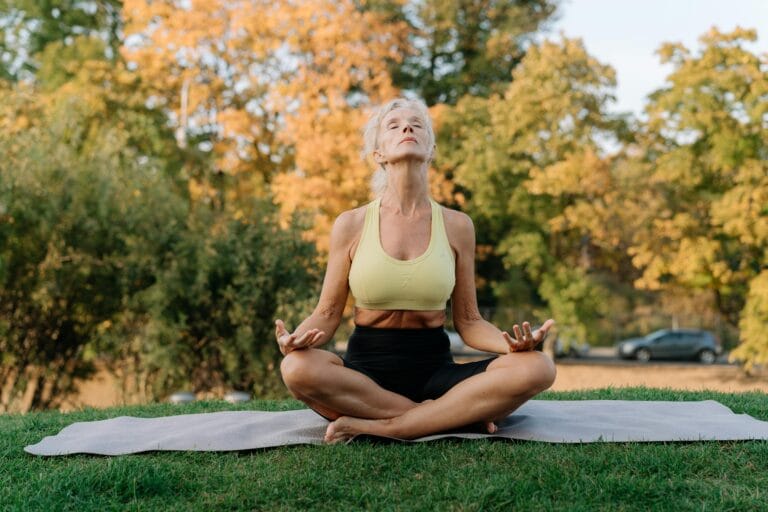
There are several self-regulation techniques that you can practice to help manage feelings of mental overstimulation. These techniques include mindfulness meditation, deep breathing exercises, and physical activity. Mindfulness meditation involves paying attention to the present moment, without judgment or distraction. Deep breathing exercises can help calm the nervous system and reduce stress. Physical activity, such as yoga or walking, can help reduce anxiety and improve mood.
- Mindfulness Meditation: Paying attention to the present moment, without judgment or distraction
- Deep Breathing Exercises: Calming the nervous system and reducing stress
- Physical Activity: Reducing anxiety and improving mood
Additionally, you can practice self-regulation by engaging in activities that bring you joy and relaxation, such as reading, listening to music, or spending time in nature. By incorporating these activities into your daily routine, you can reduce feelings of mental overstimulation and improve your overall well-being.
Developing Self-Awareness
Self-awareness is a critical component of self-regulation, as it allows you to recognize and understand your thoughts, feelings, and behaviors. To develop self-awareness, you can practice journaling, which involves writing down your thoughts, feelings, and experiences. You can also practice self-reflection, which involves examining your values, goals, and motivations.
Furthermore, you can develop self-awareness by seeking feedback from others, such as friends, family members, or therapists. By seeking feedback, you can gain new insights into your thoughts, feelings, and behaviors, and develop a more nuanced understanding of yourself.
Self-Awareness Exercises
There are several self-awareness exercises that you can practice to develop a deeper understanding of yourself. These exercises include meditation, self-inquiry, and values-based reflection. Meditation involves paying attention to your thoughts, feelings, and bodily sensations, without judgment or distraction. Self-inquiry involves asking yourself questions, such as “What am I feeling right now?” or “What are my values and goals?” Values-based reflection involves examining your values and goals, and identifying areas for personal growth and development.
- Meditation: Paying attention to your thoughts, feelings, and bodily sensations
- Self-Inquiry: Asking yourself questions, such as “What am I feeling right now?” or “What are my values and goals?”
- Values-Based Reflection: Examining your values and goals, and identifying areas for personal growth and development
Managing Stress and Anxiety
Stress and anxiety are common experiences that can contribute to feelings of mental overstimulation. To manage stress and anxiety, you can practice relaxation techniques, such as progressive muscle relaxation or visualization. You can also engage in physical activity, such as walking or yoga, to reduce anxiety and improve mood.
Additionally, you can manage stress and anxiety by setting boundaries, prioritizing self-care, and seeking social support. By setting boundaries, you can protect your time and energy, and reduce feelings of overwhelm. By prioritizing self-care, you can engage in activities that nourish your mind, body, and spirit. By seeking social support, you can connect with others, and receive emotional support and validation.
Building Resilience
Resilience is the ability to bounce back from adversity, trauma, or stress. To build resilience, you can practice self-care, develop a growth mindset, and cultivate a sense of purpose and meaning. Self-care involves engaging in activities that nourish your mind, body, and spirit, such as meditation, exercise, or spending time in nature.
Developing a growth mindset involves embracing challenges, persisting in the face of obstacles, and learning from failures. Cultivating a sense of purpose and meaning involves identifying your values, goals, and passions, and aligning them with your actions and decisions.
Seeking Support
Seeking support is an essential aspect of self-regulation, as it allows you to connect with others, receive emotional support and validation, and develop a sense of belonging and community. You can seek support from friends, family members, therapists, or support groups.
Additionally, you can seek support from online resources, such as online therapy platforms, forums, or social media groups. By seeking support, you can reduce feelings of loneliness and isolation, and develop a stronger sense of connection and community.
Frequently Asked Questions
What is self-regulation, and why is it important?
Self-regulation refers to the ability to manage and modulate your own thoughts, feelings, and behaviors in response to internal and external stimuli. It’s essential for maintaining emotional balance, reducing stress, and improving overall well-being.
How can I practice self-regulation when I’m feeling mentally overstimulated?
You can practice self-regulation by using techniques such as mindfulness meditation, deep breathing exercises, and physical activity. You can also develop self-awareness, manage stress and anxiety, and build resilience.
What are some common self-regulation techniques?
Common self-regulation techniques include mindfulness meditation, deep breathing exercises, physical activity, and self-awareness exercises. You can also practice self-regulation by engaging in activities that bring you joy and relaxation, such as reading, listening to music, or spending time in nature.
How can I develop self-awareness and self-regulation skills?
You can develop self-awareness and self-regulation skills by practicing self-reflection, seeking feedback from others, and engaging in self-awareness exercises. You can also develop self-awareness by practicing mindfulness meditation, self-inquiry, and values-based reflection.
What are some resources available for learning more about self-regulation and mental health?
There are many resources available for learning more about self-regulation and mental health, including online therapy platforms, mental health websites, and support groups. You can also consult with mental health professionals, such as therapists or counselors, for personalized guidance and support.
Key Takeaways
In conclusion, practicing self-regulation when you feel mentally overstimulated is a powerful way to manage your emotions, thoughts, and behaviors, and improve your overall well-being. By developing self-awareness, managing stress and anxiety, and building resilience, you can reduce feelings of overwhelm and develop a stronger sense of emotional balance and regulation.
- Develop self-awareness through self-reflection and self-awareness exercises
- Manage stress and anxiety through relaxation techniques and physical activity
- Build resilience through self-care, growth mindset, and purpose
- Seek support from others, including friends, family, therapists, and online resources
- Practice self-regulation techniques, such as mindfulness meditation and deep breathing exercises
If you’re struggling with mental overstimulation, remember that you’re not alone. There are many resources available to help you develop self-regulation skills and improve your mental health. Don’t hesitate to reach out for support, and remember to practice self-compassion and self-care along the way. By prioritizing your mental health and well-being, you can develop the skills and strategies you need to thrive in a rapidly changing world.
So, take the first step today, and start practicing self-regulation. Remember, self-regulation is a journey, not a destination, and it’s okay to take things one step at a time. With patience, persistence, and practice, you can develop the skills and strategies you need to manage mental overstimulation and improve your overall well-being. Therefore, keep in mind that self-regulation is a powerful tool for achieving emotional balance and well-being, and it’s always available to you, whenever you need it.
Resources
- SAMHSA National Helpline: 1-800-662-4357 (24/7 free, confidential support)
- National Alliance on Mental Illness (NAMI) Helpline: 1-800-950-6264 (Monday – Friday, 10am – 6pm EST)
- Crisis Text Line: Text HOME to 741741 (24/7 free, confidential support)
- Online Therapy Platforms: Such as BetterHelp, Talkspace, or 7 Cups
Disclaimer: This article is for informational purposes only and does not constitute medical advice. Always consult with qualified healthcare professionals for diagnosis and treatment of mental health conditions.