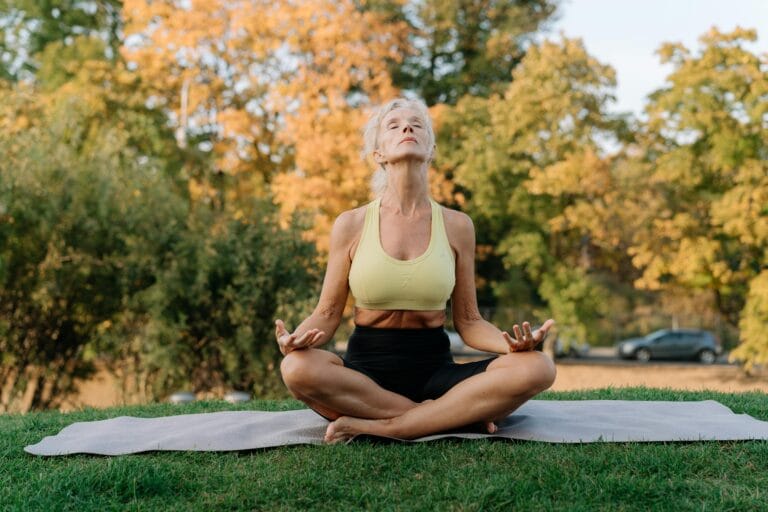

Emotional regulation, the ability to manage and modulate our emotional responses, is a crucial skill for maintaining mental health and well-being. Approximately 1 in 5 adults in the United States live with a mental illness, highlighting the importance of developing healthy emotional regulation strategies. In this article, we will explore what emotional regulation is, its significance, and how to learn it naturally, using techniques that promote emotional awareness, self-regulation, and resilience.
Emotional regulation is not just about suppressing or avoiding emotions, but rather about learning to acknowledge, understand, and manage them in a way that promotes emotional balance and well-being. By developing effective emotional regulation skills, individuals can better navigate life’s challenges, build stronger relationships, and improve their overall mental health. Throughout this article, we will discuss the concept of emotional regulation, its benefits, and provide practical tips on how to cultivate it naturally.
As we delve into the world of emotional regulation, it’s essential to understand that this skill can be developed and strengthened over time with practice, patience, and self-awareness. By the end of this article, readers will have a comprehensive understanding of emotional regulation and the tools necessary to start their journey towards emotional well-being. So, let’s begin by exploring the fundamentals of emotional regulation and its significance in our daily lives.
Understanding Emotional Regulation and Its Importance
Emotional regulation refers to the processes by which we manage, modify, and modulate our emotional responses to various situations and stimuli. This complex process involves the coordination of multiple cognitive, emotional, and physiological components, including attention, perception, and memory. Effective emotional regulation enables us to respond to challenging situations in a more adaptive and resilient manner, reducing the risk of mental health issues such as anxiety, depression, and substance abuse.
The significance of emotional regulation cannot be overstated, as it plays a critical role in maintaining healthy relationships, achieving academic and professional success, and promoting overall well-being. By developing strong emotional regulation skills, individuals can better navigate stress, trauma, and adversity, leading to improved mental health outcomes and a higher quality of life.
Benefits of Emotional Regulation
The benefits of emotional regulation are numerous and well-documented. Some of the most significant advantages include:
- Improved mental health: Emotional regulation can help reduce symptoms of anxiety, depression, and other mental health conditions.
- Enhanced relationships: Effective emotional regulation can lead to more empathetic, supportive, and fulfilling relationships.
- Increased resilience: By developing emotional regulation skills, individuals can better cope with stress, trauma, and adversity.
Developing Emotional Awareness
Developing emotional awareness is the first step in learning emotional regulation. This involves recognizing, understanding, and accepting your emotions, rather than suppressing or denying them. Emotional awareness can be cultivated through various techniques, including mindfulness, meditation, and journaling.
To develop emotional awareness, start by practicing mindfulness meditation, focusing on your breath, and observing your thoughts and emotions without judgment. You can also try journaling, writing down your emotions, and reflecting on your experiences to gain a deeper understanding of your emotional landscape.
- Start a journal: Write down your emotions, thoughts, and experiences to gain insight into your emotional patterns.
- Practice mindfulness: Focus on your breath, and observe your thoughts and emotions without judgment.
- Engage in self-reflection: Regularly reflect on your experiences, emotions, and behaviors to develop a deeper understanding of yourself.
Learning Emotional Regulation Techniques
Once you have developed emotional awareness, you can start learning emotional regulation techniques. These techniques can help you manage and modulate your emotional responses, reducing stress, anxiety, and other negative emotions. Some effective emotional regulation techniques include deep breathing, progressive muscle relaxation, and cognitive reappraisal.
To learn emotional regulation techniques, start by practicing deep breathing exercises, focusing on your breath, and releasing physical tension. You can also try progressive muscle relaxation, tensing and relaxing different muscle groups, and cognitive reappraisal, reframing negative thoughts and emotions in a more positive light.
Emotional Regulation Techniques
Some of the most effective emotional regulation techniques include:
- Deep breathing: Focus on your breath, and release physical tension to calm your nervous system.
- Progressive muscle relaxation: Tense and relax different muscle groups to reduce physical tension and promote relaxation.
- Cognitive reappraisal: Reframe negative thoughts and emotions in a more positive light to reduce stress and anxiety.
Building Resilience and Emotional Well-being
Building resilience and emotional well-being is critical for maintaining emotional regulation and overall mental health. This can be achieved by developing a strong support network, engaging in regular exercise, and practicing self-care activities. By prioritizing your emotional well-being, you can better cope with stress, trauma, and adversity, leading to improved mental health outcomes and a higher quality of life.
To build resilience and emotional well-being, start by developing a strong support network, surrounding yourself with positive, supportive relationships. You can also try engaging in regular exercise, such as walking, jogging, or yoga, and practicing self-care activities, such as meditation, reading, or spending time in nature.
Overcoming Emotional Regulation Challenges
Overcoming emotional regulation challenges requires patience, self-awareness, and a willingness to learn and grow. Common challenges include difficulty recognizing and managing emotions, struggling with self-regulation, and experiencing emotional overload. By developing emotional awareness, learning emotional regulation techniques, and building resilience, you can overcome these challenges and develop effective emotional regulation skills.
To overcome emotional regulation challenges, start by practicing self-compassion, treating yourself with kindness, understanding, and patience. You can also try seeking support from mental health professionals, such as therapists or counselors, who can provide guidance, support, and evidence-based treatments.
Emotional Regulation and Mental Health
Emotional regulation plays a critical role in maintaining mental health and well-being. Individuals with mental health conditions, such as anxiety, depression, or post-traumatic stress disorder (PTSD), often struggle with emotional regulation, experiencing intense emotional dysregulation and distress. By developing effective emotional regulation skills, individuals can better manage their symptoms, reduce stress and anxiety, and improve their overall mental health outcomes.
To develop emotional regulation skills, individuals with mental health conditions can start by practicing emotional awareness, learning emotional regulation techniques, and building resilience. They can also try seeking support from mental health professionals, who can provide guidance, support, and evidence-based treatments.
Frequently Asked Questions
Question 1: What is emotional regulation, and why is it important?
Emotional regulation refers to the processes by which we manage, modify, and modulate our emotional responses to various situations and stimuli. It is essential for maintaining mental health and well-being, as it enables us to respond to challenging situations in a more adaptive and resilient manner.
Question 2: How can I develop emotional awareness and regulation skills?
You can develop emotional awareness and regulation skills by practicing mindfulness, meditation, and journaling. Additionally, learning emotional regulation techniques, such as deep breathing, progressive muscle relaxation, and cognitive reappraisal, can help you manage and modulate your emotional responses.
Question 3: What are some common challenges to emotional regulation, and how can I overcome them?
Common challenges to emotional regulation include difficulty recognizing and managing emotions, struggling with self-regulation, and experiencing emotional overload. You can overcome these challenges by developing emotional awareness, learning emotional regulation techniques, and building resilience, as well as seeking support from mental health professionals.
Question 4: How can emotional regulation impact my mental health and well-being?
Emotional regulation can significantly impact your mental health and well-being, as it enables you to manage stress, anxiety, and other negative emotions. By developing effective emotional regulation skills, you can reduce your risk of mental health conditions, such as anxiety and depression, and improve your overall quality of life.
Question 5: Where can I find resources and support for developing emotional regulation skills?
You can find resources and support for developing emotional regulation skills by seeking help from mental health professionals, such as therapists or counselors. Additionally, online resources, such as mindfulness and meditation apps, can provide guidance and support for developing emotional awareness and regulation skills.
Key Takeaways
In conclusion, emotional regulation is a critical skill for maintaining mental health and well-being. By developing emotional awareness, learning emotional regulation techniques, and building resilience, individuals can better manage their emotions, reduce stress and anxiety, and improve their overall quality of life. Remember, emotional regulation is a skill that can be developed and strengthened over time with practice, patience, and self-awareness.
- Develop emotional awareness through mindfulness, meditation, and journaling
- Learn emotional regulation techniques, such as deep breathing, progressive muscle relaxation, and cognitive reappraisal
- Build resilience through self-care, social support, and stress management
- Seek support from mental health professionals for guidance and evidence-based treatments
- Prioritize emotional well-being and make it a core part of your self-care routine
If you’re struggling with emotional regulation or mental health concerns, remember that help is available. Reach out to mental health professionals, support groups, or online resources for guidance and support. By taking the first step towards developing emotional regulation skills, you can embark on a journey towards improved mental health, well-being, and a more fulfilling life, using emotional regulation techniques that promote emotional awareness, self-regulation, and resilience.
Remember, emotional regulation is a skill that can be developed and strengthened over time with practice, patience, and self-awareness. By prioritizing emotional well-being and making it a core part of your self-care routine, you can reduce your risk of mental health conditions, improve your relationships, and enhance your overall quality of life, using the power of emotional regulation to transform your life and well-being.
Resources
- SAMHSA National Helpline: 1-800-662-4357 (24/7 free, confidential support)
- National Alliance on Mental Illness (NAMI) Helpline: 1-800-950-6264 (Monday-Friday, 10am-6pm ET)
- Crisis Text Line: Text “HOME” to 741741 (24/7 free, confidential support)
- Mental Health America: Online resources and support for mental health conditions
Disclaimer: This article is for informational purposes only and does not constitute medical advice. Always consult with qualified healthcare professionals for diagnosis and treatment of mental health conditions.