

Did you know that approximately 31.1% of adults in the United States experience an anxiety disorder at some point in their lives, with panic disorders being a significant component of this statistic? Using body awareness to recognize and manage panic symptoms is a crucial skill for individuals who experience panic attacks. In this article, we will explore how to utilize body awareness to interrupt panic before it escalates, focusing on body awareness techniques and their applications in panic management.
By understanding how panic manifests in the body and learning to recognize early warning signs, individuals can take proactive steps to mitigate the severity of panic attacks. This approach empowers people to regain control over their bodies and minds, reducing the frequency and intensity of panic episodes. Throughout this article, we will delve into the concept of body awareness and its role in panic management, providing actionable advice and techniques for readers to apply in their daily lives.
Transitioning into the main content, we will explore the intricacies of body awareness, its connection to panic, and practical strategies for incorporating body awareness into daily routines. Whether you are seeking to manage panic disorders or simply looking to enhance your overall well-being, the insights and techniques presented here aim to provide a comprehensive foundation for cultivating greater body awareness and, by extension, improving your mental health.
Understanding Body Awareness and Its Connection to Panic
Body awareness refers to the ability to tune into physical sensations within the body, recognizing how emotions and thoughts manifest as bodily feelings. This awareness is crucial for interrupting panic because it allows individuals to identify the early signs of a panic attack, such as rapid heartbeat, sweating, or shortness of breath. By acknowledging these physical symptoms, people can initiate coping strategies before the panic escalates.
Moreover, body awareness helps in distinguishing between physical sensations that are part of a panic attack and those that might be related to other health issues, ensuring that individuals seek appropriate medical attention when necessary. This distinction is vital for effective panic management and overall health.
Developing Body Awareness
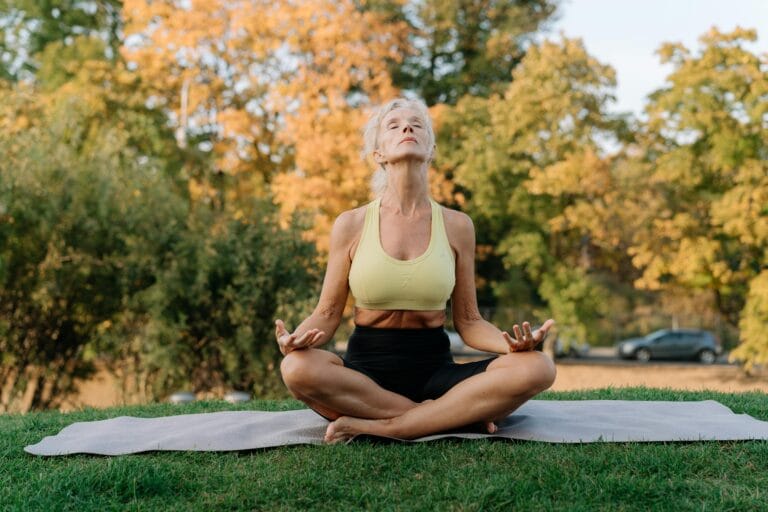
Developing body awareness involves practicing mindfulness and paying attention to bodily sensations without judgment. This can be achieved through meditation, yoga, or simply taking a few minutes each day to focus on breath and notice how the body feels. Regular practice enhances the ability to recognize subtle changes in the body, serving as an early warning system for potential panic attacks.
- Mindfulness Meditation: Focus on the breath, observing thoughts and bodily sensations without attachment.
- Yoga: Combines physical postures, breathing techniques, and meditation to increase body awareness.
- Body Scan: Lie down or sit comfortably, bringing awareness to each part of the body, from toes to the top of the head, noticing any sensations, tension, or relaxation.
Techniques for Interrupting Panic with Body Awareness
Once individuals have developed a foundation of body awareness, they can apply specific techniques to interrupt panic. These techniques are designed to ground the person in the present moment, reducing the intensity of panic symptoms.
- Deep Breathing: Focus on slow, deep breaths, feeling the breath move in and out of the body, which can help calm the nervous system.
- Progressive Muscle Relaxation: Tense and then relax different muscle groups in the body, starting with the toes and moving up to the head, to release physical tension.
- Grounding Techniques: Use the senses to focus on the present moment, such as noticing the feeling of feet on the ground, the sounds around, or the sensation of the air on the skin.
These techniques, when practiced regularly, can become instinctual responses to the onset of panic, providing individuals with tools to manage their panic attacks more effectively.
The Role of Mindfulness in Body Awareness and Panic Management
Mindfulness plays a significant role in cultivating body awareness and managing panic. By being mindful, individuals can observe their thoughts, emotions, and bodily sensations without becoming overwhelmed by them. This observational stance allows for a sense of detachment, making it easier to apply coping strategies when panic symptoms arise.
Mindfulness practices, such as meditation and mindful movement, enhance body awareness by encouraging a non-judgmental awareness of the present moment. Regular mindfulness practice can lead to increased self-awareness, improved emotional regulation, and a reduced tendency to engage in negative thought patterns that might exacerbate panic.
Integrating Body Awareness into Daily Life
Integrating body awareness into daily life involves making mindfulness and self-observation a habitual part of one’s routine. This can be as simple as taking a few deep breaths before a meeting, noticing how your body feels when you wake up, or paying attention to your posture throughout the day.
By incorporating these small moments of body awareness into daily activities, individuals can improve their ability to recognize and respond to panic symptoms early, reducing the overall impact of panic on their lives.
Overcoming Challenges in Practicing Body Awareness
While developing body awareness is beneficial for managing panic, individuals may face challenges such as difficulty in quieting the mind, struggles with consistency in practice, or initial inability to recognize bodily sensations. It’s essential to approach these challenges with patience and kindness, understanding that developing body awareness is a process.
Seeking support from mental health professionals, joining mindfulness or yoga groups, or using guided meditation apps can provide the necessary motivation and guidance to overcome these challenges. Remember, the goal is not to achieve a specific state but to cultivate awareness and acceptance of the present moment, as it is.
Conclusion and Next Steps in Using Body Awareness for Panic Management
In conclusion, body awareness is a powerful tool for interrupting panic before it escalates. By understanding the connection between body awareness and panic, developing mindfulness, and applying specific techniques, individuals can better manage their panic symptoms and improve their overall well-being.
Frequently Asked Questions
Question 1: How long does it take to develop body awareness?
Developing body awareness is a process that can start to show benefits in a matter of weeks, but it deepens over time with consistent practice.
Question 2: Can body awareness help with other mental health issues?
Yes, body awareness can be beneficial for a range of mental health issues, including anxiety, depression, and trauma, by enhancing self-awareness and emotional regulation.
Question 3: Do I need to practice body awareness every day?
While daily practice is ideal for developing and maintaining body awareness, even a few minutes of practice a week can be beneficial. Consistency is key, but it’s also important to be flexible and patient with oneself.
Question 4: Can children benefit from body awareness practices?
Yes, children can greatly benefit from body awareness practices, such as mindfulness and yoga, which can help them develop emotional regulation skills from a young age.
Question 5: How can I find a mindfulness or yoga class for body awareness?
You can find local classes through community centers, yoga studios, or online platforms. Many mindfulness and yoga instructors also offer classes specifically designed for body awareness and panic management.
Key Takeaways
In summary, this article has provided a comprehensive overview of how to use body awareness to interrupt panic before it escalates, focusing on the development of body awareness, its connection to panic, and practical techniques for panic management. The key takeaways include:
- Developing body awareness through mindfulness and self-observation.
- Recognizing the early signs of panic and applying coping strategies.
- Integrating body awareness into daily life for better panic management.
- Seeking support when faced with challenges in practicing body awareness.
- Exploring various mindfulness and yoga practices tailored for body awareness and panic management.
If you or someone you know is struggling with panic attacks or any other mental health issue, it’s essential to seek help from qualified healthcare professionals. They can provide personalized guidance, support, and treatment options tailored to individual needs.
Remember, cultivating body awareness and learning to manage panic is a journey that requires patience, kindness, and compassion towards oneself. With consistent practice and the right support, it’s possible to develop the skills necessary to interrupt panic before it escalates, leading to a more balanced and fulfilling life.
Resources
- National Alliance on Mental Illness (NAMI) Helpline: 1-800-950-6264 (Monday through Friday, 10 a.m.–6 p.m. ET)
- Crisis Text Line: Text HOME to 741741 (24/7 free, confidential support)
- Anxiety and Depression Association of America (ADAA): [www.adaa.org](http://www.adaa.org) (online resources and support for anxiety and depression)
- Mindfulness-Based Stress Reduction (MBSR) Programs: Various locations and online platforms offering mindfulness training
Disclaimer: This article is for informational purposes only and does not constitute medical advice. Always consult with qualified healthcare professionals for diagnosis and treatment of panic disorders or any other mental health conditions.