Anxiety affects millions of people worldwide, with approximately 284 million individuals experiencing anxiety disorders in 2017, according to the World Health Organization. If you’re one of them, you might be looking for effective ways to manage your anxiety. This is where polyvagal exercises come in, utilizing the polyvagal theory to help regulate your nervous system and reduce anxiety. In this article, we’ll explore what polyvagal exercises are and how they can help you cope with anxiety.
Polyvagal exercises are based on the polyvagal theory, which was developed by Dr. Stephen Porges. The theory explains how our nervous system responds to safety and danger, and how this response affects our behavior and emotional state. By using polyvagal exercises, you can learn to regulate your nervous system and improve your resilience to anxiety. Throughout this article, we’ll delve into the details of polyvagal exercises and their application in anxiety management, ensuring you understand how these exercises can be a valuable tool in your journey to overcome anxiety.
As we dive into the world of polyvagal exercises, you’ll discover how these simple yet powerful techniques can help you develop greater self-awareness, self-regulation, and coping skills. Whether you’re looking to reduce anxiety, improve your relationships, or enhance your overall well-being, polyvagal exercises offer a promising approach. So, let’s get started and explore the benefits and applications of polyvagal exercises in more depth.
Understanding the Polyvagal Theory and Its Relation to Anxiety
The polyvagal theory proposes that our nervous system has three main responses to safety and danger: the ventral vagal response, the sympathetic response, and the dorsal vagal response. The ventral vagal response is associated with feelings of safety and connection, while the sympathetic response is associated with feelings of fear and anxiety. The dorsal vagal response is associated with feelings of disconnection and numbness. By understanding these responses, you can begin to develop strategies to regulate your nervous system and reduce anxiety.
Polyvagal exercises can help you develop a greater awareness of your nervous system’s response to different situations, allowing you to intervene and regulate your response. This can be particularly helpful in managing anxiety, as it enables you to recognize when you’re becoming anxious and take steps to calm your nervous system. For example, deep breathing exercises can help activate the ventral vagal response, promoting feelings of safety and relaxation.
Polyvagal Exercises for Anxiety Reduction
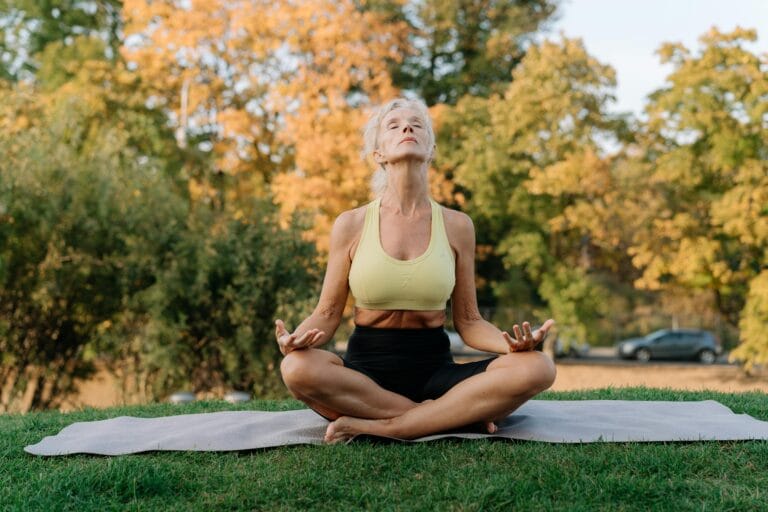
There are several polyvagal exercises that can help reduce anxiety, including deep breathing, progressive muscle relaxation, and mindfulness meditation. These exercises work by activating the ventral vagal response, which helps to calm the nervous system and reduce feelings of anxiety. Additionally, exercises like yoga and tai chi can help improve balance and coordination, while also promoting relaxation and reducing stress.
- Deep Breathing: Focus on taking slow, deep breaths in through your nose and out through your mouth, feeling your breath move in and out of your body.
- Progressive Muscle Relaxation: Tense and then relax different muscle groups in your body, starting with your toes and moving up to your head.
- Mindfulness Meditation: Focus on the present moment, without judgment, and cultivate a sense of awareness and acceptance.
The Role of Social Engagement in Polyvagal Exercises
Social engagement is a critical component of polyvagal exercises, as it helps to activate the ventral vagal response and promote feelings of safety and connection. This can involve engaging in activities that promote social connection, such as talking to a friend or family member, or participating in a group exercise class. By incorporating social engagement into your polyvagal exercises, you can enhance their effectiveness and improve your overall sense of well-being.
For example, you could try practicing deep breathing exercises with a friend or family member, or participating in a yoga class that emphasizes social connection and community. By doing so, you can cultivate a sense of safety and connection, while also reducing feelings of anxiety and stress.
Using Polyvagal Exercises in Daily Life
Polyvagal exercises can be incorporated into daily life in a variety of ways, from taking a few deep breaths before a meeting to practicing progressive muscle relaxation before bed. By making polyvagal exercises a regular part of your routine, you can develop greater resilience to anxiety and improve your overall sense of well-being. Additionally, you can use polyvagal exercises to help manage specific situations that trigger anxiety, such as public speaking or social gatherings.
For instance, you could try using the “5-4-3-2-1” exercise to ground yourself in the present moment and reduce feelings of anxiety. This involves noticing five things you can see, four things you can touch, three things you can hear, two things you can smell, and one thing you can taste. By focusing on your senses, you can cultivate a sense of awareness and calm, and reduce feelings of anxiety and stress.
Combining Polyvagal Exercises with Other Anxiety Reduction Techniques
Polyvagal exercises can be used in conjunction with other anxiety reduction techniques, such as cognitive-behavioral therapy (CBT) or medication. By combining polyvagal exercises with these techniques, you can develop a comprehensive approach to managing anxiety and improving your overall sense of well-being. For example, you could use polyvagal exercises to help manage anxiety symptoms, while also working with a therapist to address underlying issues and develop coping skills.
It’s essential to note that everyone’s experience with anxiety is unique, and what works for one person may not work for another. Therefore, it’s crucial to work with a healthcare professional to develop a personalized treatment plan that incorporates polyvagal exercises and other anxiety reduction techniques.
Overcoming Challenges and Setbacks in Polyvagal Exercise Practice
As with any new skill or practice, it’s common to encounter challenges and setbacks when using polyvagal exercises. This can include difficulty quieting the mind, feeling self-conscious about practicing exercises in public, or struggling to establish a consistent practice routine. However, by acknowledging these challenges and developing strategies to overcome them, you can deepen your practice and enhance its benefits.
For example, you could try practicing polyvagal exercises in a quiet, private space, or using guided recordings to help you stay focused and motivated. Additionally, you could try incorporating polyvagal exercises into your daily routine, such as right after waking up or before bed, to make them a consistent part of your self-care practice.
Frequently Asked Questions
What are the benefits of polyvagal exercises for anxiety?
Polyvagal exercises can help reduce anxiety by promoting relaxation, improving emotional regulation, and enhancing resilience. By activating the ventral vagal response, polyvagal exercises can help calm the nervous system and reduce feelings of anxiety.
How often should I practice polyvagal exercises?
It’s recommended to practice polyvagal exercises regularly, ideally 2-3 times per day, to experience their benefits. Consistency is key, so try to establish a daily routine that works for you.
Can I use polyvagal exercises in conjunction with other anxiety treatments?
Yes, polyvagal exercises can be used in conjunction with other anxiety treatments, such as medication or therapy. In fact, combining polyvagal exercises with other treatments can enhance their effectiveness and promote overall well-being.
What if I have trouble quieting my mind during polyvagal exercises?
If you have trouble quieting your mind during polyvagal exercises, try using guided recordings or working with a therapist to develop strategies for managing distractions and staying focused.
Are polyvagal exercises suitable for everyone?
Polyvagal exercises are generally suitable for most people, but it’s essential to consult with a healthcare professional before starting any new exercise or treatment program, especially if you have any underlying medical conditions or concerns.
Key Takeaways
In conclusion, polyvagal exercises offer a powerful tool for managing anxiety and promoting overall well-being. By understanding the polyvagal theory and its relation to anxiety, you can develop a personalized practice that meets your unique needs and enhances your resilience to anxiety.
- Polyvagal exercises can help reduce anxiety by promoting relaxation and improving emotional regulation.
- Regular practice can enhance the benefits of polyvagal exercises and promote overall well-being.
- Polyvagal exercises can be used in conjunction with other anxiety treatments, such as medication or therapy.
- It’s essential to consult with a healthcare professional before starting any new exercise or treatment program.
- Polyvagal exercises can be adapted to meet individual needs and preferences, making them a versatile and effective tool for anxiety management.
If you’re struggling with anxiety, consider reaching out to a healthcare professional or therapist to discuss how polyvagal exercises can be incorporated into your treatment plan. With patience, persistence, and the right guidance, you can develop a personalized practice that helps you manage anxiety and enhance your overall sense of well-being.
Remember, polyvagal exercises are a journey, not a destination. By embracing this journey and committing to regular practice, you can cultivate a deeper sense of awareness, resilience, and calm, and reduce your anxiety symptoms over time. So, take the first step today, and discover the transformative power of polyvagal exercises for yourself.
Resources
- SAMHSA National Helpline: 1-800-662-4357 (24/7 free, confidential support)
- National Alliance on Mental Illness (NAMI) Helpline: 1-800-950-6264 (Monday-Friday, 10am-6pm EST)
- Crisis Text Line: Text “HOME” to 741741 (24/7 free, confidential support)
- Polyvagal Institute: A comprehensive resource for learning about polyvagal theory and exercises.
Disclaimer: This article is for informational purposes only and does not constitute medical advice. Always consult with qualified healthcare professionals for diagnosis and treatment of anxiety disorders.