Are you among the millions of people worldwide who experience stress on a daily basis? Approximately 75% of adults report feeling stressed, and this can have severe impacts on both mental and physical health. However, there’s a powerful tool within you that can help mitigate this stress: the vagus nerve. Engaging in simple vagus nerve exercises can provide instant stress relief and improve your overall well-being. In this article, we’ll explore what the vagus nerve is, its role in stress management, and most importantly, simple vagus nerve exercises for instant stress relief.
The vagus nerve, also known as the “wanderer,” is a complex nerve that plays a crucial role in various bodily functions, including heart rate, digestion, and breathing. It’s also deeply involved in the body’s stress response, acting as a key mediator between the brain and the rest of the body. By stimulating the vagus nerve, individuals can activate the parasympathetic nervous system, which promotes relaxation and reduces stress. This natural approach to stress relief is not only effective but also accessible to everyone.
Before diving into the exercises, it’s essential to understand how the vagus nerve works and its significance in stress management. The vagus nerve is responsible for the body’s “rest and digest” functions, counterbalancing the sympathetic nervous system’s “fight or flight” response. When we’re stressed, our sympathetic nervous system is activated, leading to increased heart rate, blood pressure, and respiration. However, by engaging the vagus nerve, we can calm this response and return to a state of balance and relaxation.
Understanding the Vagus Nerve and Its Role in Stress Relief
The vagus nerve is the longest nerve in the autonomic nervous system, extending from the base of the brain down to the abdomen. It influences various organs and systems, including the heart, lungs, and digestive tract. The vagus nerve’s role in stress relief is multifaceted; it helps regulate the body’s response to stress by promoting the release of neurotransmitters like acetylcholine, which calms the nervous system. Understanding this process can help individuals appreciate the importance of vagus nerve stimulation for stress management.
Furthermore, research has shown that vagus nerve stimulation can have a positive impact on mental health, reducing symptoms of anxiety and depression. This is particularly significant for individuals who experience chronic stress, as it offers a non-pharmacological approach to managing their condition. By incorporating vagus nerve exercises into their daily routine, people can take the first step towards a more balanced and healthy life.
Simple Vagus Nerve Exercises for Instant Stress Relief
Fortunately, there are several simple and effective ways to stimulate the vagus nerve and experience instant stress relief. These exercises can be done anywhere, at any time, making them an ideal tool for managing stress in today’s fast-paced world. Here are some of the most effective vagus nerve exercises:
- Deep Breathing Exercises: Deep, slow breathing can help stimulate the vagus nerve. Try inhaling for a count of four, holding your breath for a count of seven, and exhaling for a count of eight. Repeat this process several times.
- Progressive Muscle Relaxation: This technique involves tensing and relaxing different muscle groups in the body. Start with your toes and work your way up to your head, holding each muscle group for a few seconds before releasing.
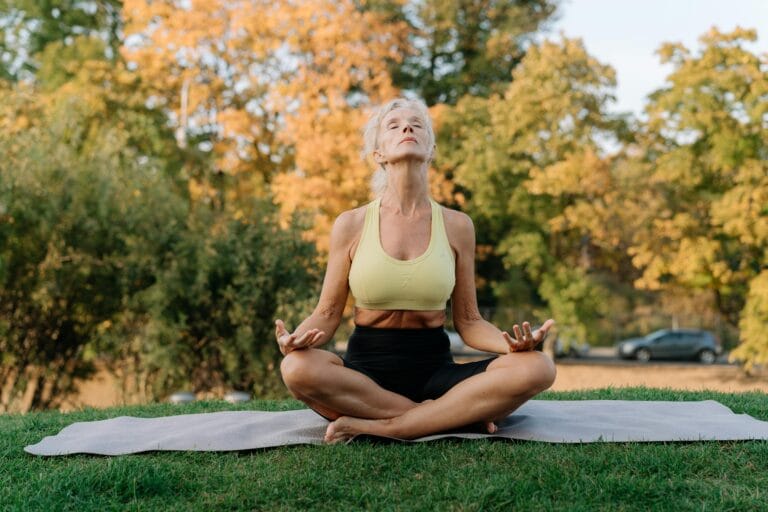
- Meditation and Mindfulness: Practices like meditation and mindfulness can help reduce stress and stimulate the vagus nerve. Even a few minutes of mindfulness meditation each day can have a significant impact on your mental health.
These exercises are not only simple but also highly effective in stimulating the vagus nerve and promoting relaxation. By incorporating them into your daily routine, you can better manage stress and improve your overall well-being.
The Importance of Cold Shower Therapy
Cold shower therapy is another powerful way to stimulate the vagus nerve. Taking a cold shower can be challenging at first, but the benefits are well worth the initial discomfort. The sudden change in temperature helps to activate the vagus nerve, leading to increased parasympathetic activity and reduced stress levels. To try cold shower therapy, start by gradually reducing the temperature of your shower over a few days or weeks until you can tolerate cold water. Stay under the cold water for as long as you comfortably can, breathing deeply and focusing on the sensation.
Cold shower therapy also has additional benefits, such as improving circulation, boosting the immune system, and increasing energy levels. It’s a holistic approach to health that can have a significant impact on both physical and mental well-being.
Vocal Exercises for Vagus Nerve Stimulation
Vocal exercises, such as singing, humming, or chanting, can also stimulate the vagus nerve. These activities help to activate the muscles in the throat and larynx, which are connected to the vagus nerve. By engaging in vocal exercises, individuals can experience a sense of relaxation and reduced stress. Try incorporating simple vocal exercises into your daily routine, such as humming a favorite tune or chanting a calming phrase.
Additionally, laughing and socializing can have a similar effect, as they involve the use of vocal cords and can help stimulate the vagus nerve. Engaging in activities that bring joy and laughter can be a powerful way to manage stress and promote overall health.
Yoga and Vagus Nerve Stimulation
Yoga is another effective way to stimulate the vagus nerve and promote relaxation. Certain yoga poses, such as the “legs up the wall” pose or the “child’s pose,” can help activate the parasympathetic nervous system and reduce stress levels. Yoga also involves deep breathing and meditation, which can further enhance vagus nerve stimulation.
By incorporating yoga into your routine, you can experience a range of benefits, from reduced stress and anxiety to improved flexibility and balance. Yoga is a holistic practice that addresses both physical and mental health, making it an ideal complement to vagus nerve exercises.
Diet and Nutrition for Vagus Nerve Health
Diet and nutrition play a crucial role in vagus nerve health. A diet rich in fruits, vegetables, and whole grains can help support the health of the vagus nerve. Certain nutrients, such as omega-3 fatty acids and vitamin D, are particularly beneficial for vagus nerve function. Omega-3 fatty acids, found in foods like salmon and walnuts, can help reduce inflammation and promote healthy nerve function. Vitamin D, which can be obtained through sunlight exposure, supplements, or fortified foods, is essential for maintaining healthy nerve cells.
A healthy diet can also help reduce stress and promote overall well-being. By focusing on whole, nutrient-dense foods, individuals can support their mental health and improve their resilience to stress.
Frequently Asked Questions
What is the vagus nerve, and how does it relate to stress relief?
The vagus nerve is a complex nerve that plays a crucial role in various bodily functions, including heart rate, digestion, and breathing. It’s also deeply involved in the body’s stress response, acting as a key mediator between the brain and the rest of the body. By stimulating the vagus nerve, individuals can activate the parasympathetic nervous system, which promotes relaxation and reduces stress.
How often should I practice vagus nerve exercises for stress relief?
It’s recommended to practice vagus nerve exercises daily, even if it’s just for a few minutes. Consistency is key when it comes to stimulating the vagus nerve and experiencing the benefits of stress relief. Try to incorporate these exercises into your daily routine, such as first thing in the morning or before bed.
Can vagus nerve exercises help with anxiety and depression?
Yes, vagus nerve exercises can help alleviate symptoms of anxiety and depression. By stimulating the vagus nerve, individuals can promote the release of neurotransmitters like serotonin and dopamine, which are essential for mood regulation. While vagus nerve exercises should not replace medical treatment, they can be a useful complementary therapy for managing mental health.
Key Takeaways
In conclusion, the vagus nerve plays a vital role in stress management, and stimulating it can have a profound impact on our mental and physical health. By incorporating simple vagus nerve exercises into our daily routine, we can reduce stress, promote relaxation, and improve our overall well-being.
- Deep breathing exercises can help stimulate the vagus nerve and promote relaxation.
- Cold shower therapy is an effective way to activate the vagus nerve and reduce stress levels.
- Vocal exercises, such as singing or humming, can also stimulate the vagus nerve and promote a sense of calm.
- Yoga and meditation are holistic practices that can help stimulate the vagus nerve and promote overall health.
- A healthy diet rich in whole foods can support vagus nerve health and reduce stress.
If you’re struggling with stress or mental health issues, consider seeking help from a qualified healthcare professional. They can provide personalized guidance and support to help you manage your condition and improve your overall well-being. Remember, taking care of your mental health is essential, and there are many resources available to help you on your journey.
By embracing the power of the vagus nerve and incorporating these simple exercises into your daily routine, you can take the first step towards a more balanced, healthy, and fulfilling life. So, start stimulating your vagus nerve today and discover the profound impact it can have on your stress levels and overall well-being.
Resources
- SAMHSA National Helpline: 1-800-662-4357 (24/7 free, confidential support)
- National Institute of Mental Health (NIMH): A trusted source for information on mental health conditions and treatments.
- Crisis Text Line: Text HOME to 741741 for free, 24/7 crisis counseling.
- Local Mental Health Services: Search online for mental health services in your area, including therapists, support groups, and counseling services.
Disclaimer: This article is for informational purposes only and does not constitute medical advice. Always consult with qualified healthcare professionals for diagnosis and treatment of mental health conditions.