
Are you one of the millions of people who struggle with anxiety, feeling like your body’s “fight or flight” response is stuck in overdrive? You’re not alone: according to the National Institute of Mental Health, over 19% of adults in the US experience an anxiety disorder each year. Polyvagal exercises, rooted in the polyvagal theory developed by Dr. Stephen Porges, offer a promising approach to managing anxiety by harnessing the power of your nervous system. In this article, we’ll delve into what polyvagal exercises are and how they can help alleviate anxiety.
To understand polyvagal exercises, it’s essential to first grasp the basics of the polyvagal theory. This theory explains how our nervous system responds to safety, danger, and life-threatening situations, influencing our emotional and physical well-being. By applying polyvagal exercises, individuals can learn to regulate their nervous system, reducing anxiety and improving overall mental health. Throughout this article, we’ll explore the concept of polyvagal exercises and their role in anxiety management, using the primary keyword “polyvagal exercises” to guide our discussion.
Let’s dive into the world of polyvagal exercises and discover how they can be a valuable tool in your journey to manage anxiety. We’ll discuss the science behind the polyvagal theory, the benefits of polyvagal exercises, and provide you with practical tips and techniques to get started. Whether you’re looking to reduce stress, improve your mood, or simply feel more grounded, polyvagal exercises offer a holistic approach to achieving emotional balance and well-being.
Introduction to the Polyvagal Theory
The polyvagal theory, developed by Dr. Stephen Porges, provides a framework for understanding the complex interactions between our nervous system, emotions, and behavior. At its core, the theory describes how our nervous system responds to different levels of safety, danger, and life-threatening situations, influencing our emotional and physical well-being. By understanding the polyvagal theory, individuals can better appreciate the role of polyvagal exercises in managing anxiety.
The polyvagal theory is based on the idea that our nervous system has three main response patterns: the ventral vagal complex, the sympathetic nervous system, and the dorsal vagal complex. Each of these response patterns plays a critical role in our emotional and physical well-being, and polyvagal exercises can help individuals learn to regulate their nervous system, reducing anxiety and improving overall mental health.
Understanding the Three Response Patterns
Let’s take a closer look at the three response patterns and how they impact our daily lives. The ventral vagal complex is associated with feelings of safety and connection, while the sympathetic nervous system is responsible for our “fight or flight” response. The dorsal vagal complex, on the other hand, is linked to feelings of disconnection and immobilization. By understanding these response patterns, individuals can begin to develop strategies for managing anxiety and improving their emotional well-being.
- Ventral Vagal Complex: Associated with feelings of safety and connection
- Sympathetic Nervous System: Responsible for our “fight or flight” response
- Dorsal Vagal Complex: Linked to feelings of disconnection and immobilization
Benefits of Polyvagal Exercises for Anxiety
Polyvagal exercises offer a range of benefits for individuals struggling with anxiety. By learning to regulate their nervous system, individuals can reduce their anxiety symptoms, improve their mood, and enhance their overall sense of well-being. Polyvagal exercises can also help individuals develop greater self-awareness, allowing them to better understand their emotional and physical responses to stress and anxiety.
One of the primary benefits of polyvagal exercises is their ability to help individuals develop a sense of safety and connection. By activating the ventral vagal complex, individuals can reduce their anxiety symptoms and improve their emotional well-being. Polyvagal exercises can also help individuals develop greater resilience, allowing them to better cope with stress and adversity.
- Reduced Anxiety Symptoms: Polyvagal exercises can help individuals reduce their anxiety symptoms and improve their emotional well-being
- Improved Mood: Polyvagal exercises can help individuals improve their mood and enhance their overall sense of well-being
- Increased Self-Awareness: Polyvagal exercises can help individuals develop greater self-awareness, allowing them to better understand their emotional and physical responses to stress and anxiety
Getting Started with Polyvagal Exercises
Getting started with polyvagal exercises is easier than you think. One of the simplest and most effective exercises is deep breathing, which can help activate the ventral vagal complex and reduce anxiety symptoms. Another exercise is progressive muscle relaxation, which can help individuals release physical tension and improve their overall sense of well-being.
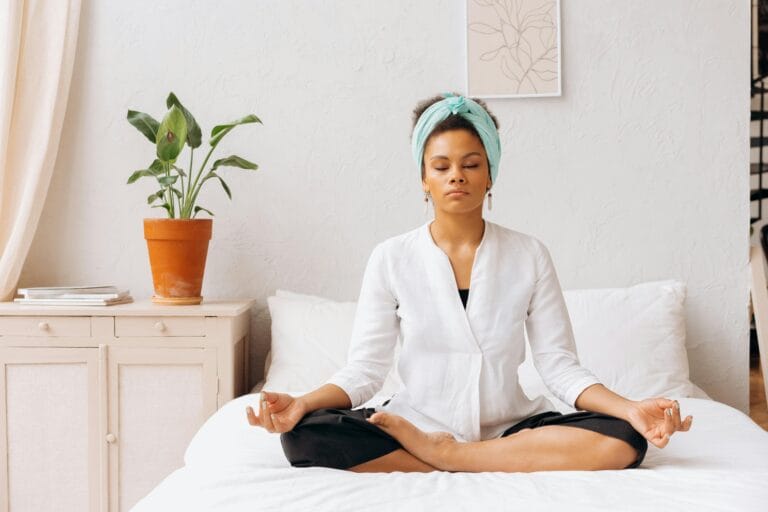
Other polyvagal exercises include mindfulness meditation, yoga, and tai chi. These exercises can help individuals develop greater self-awareness, improve their emotional regulation, and enhance their overall sense of well-being. By incorporating polyvagal exercises into your daily routine, you can reduce your anxiety symptoms, improve your mood, and enhance your overall quality of life.
Tips for Incorporating Polyvagal Exercises into Your Daily Routine
Here are some tips for incorporating polyvagal exercises into your daily routine. Start by setting aside a few minutes each day to practice deep breathing or progressive muscle relaxation. You can also try incorporating mindfulness meditation, yoga, or tai chi into your daily routine. Remember to be patient and compassionate with yourself as you explore these exercises, and don’t be afraid to seek guidance from a qualified healthcare professional.
- Start Small: Begin with short exercises and gradually increase the duration as you become more comfortable
- Be Consistent: Aim to practice polyvagal exercises at the same time each day to make them a habit
- Seek Guidance: Consider working with a qualified healthcare professional to develop a personalized exercise plan
Common Polyvagal Exercises for Anxiety
There are many different polyvagal exercises that can help individuals manage anxiety. Some common exercises include deep breathing, progressive muscle relaxation, and mindfulness meditation. These exercises can help individuals reduce their anxiety symptoms, improve their mood, and enhance their overall sense of well-being.
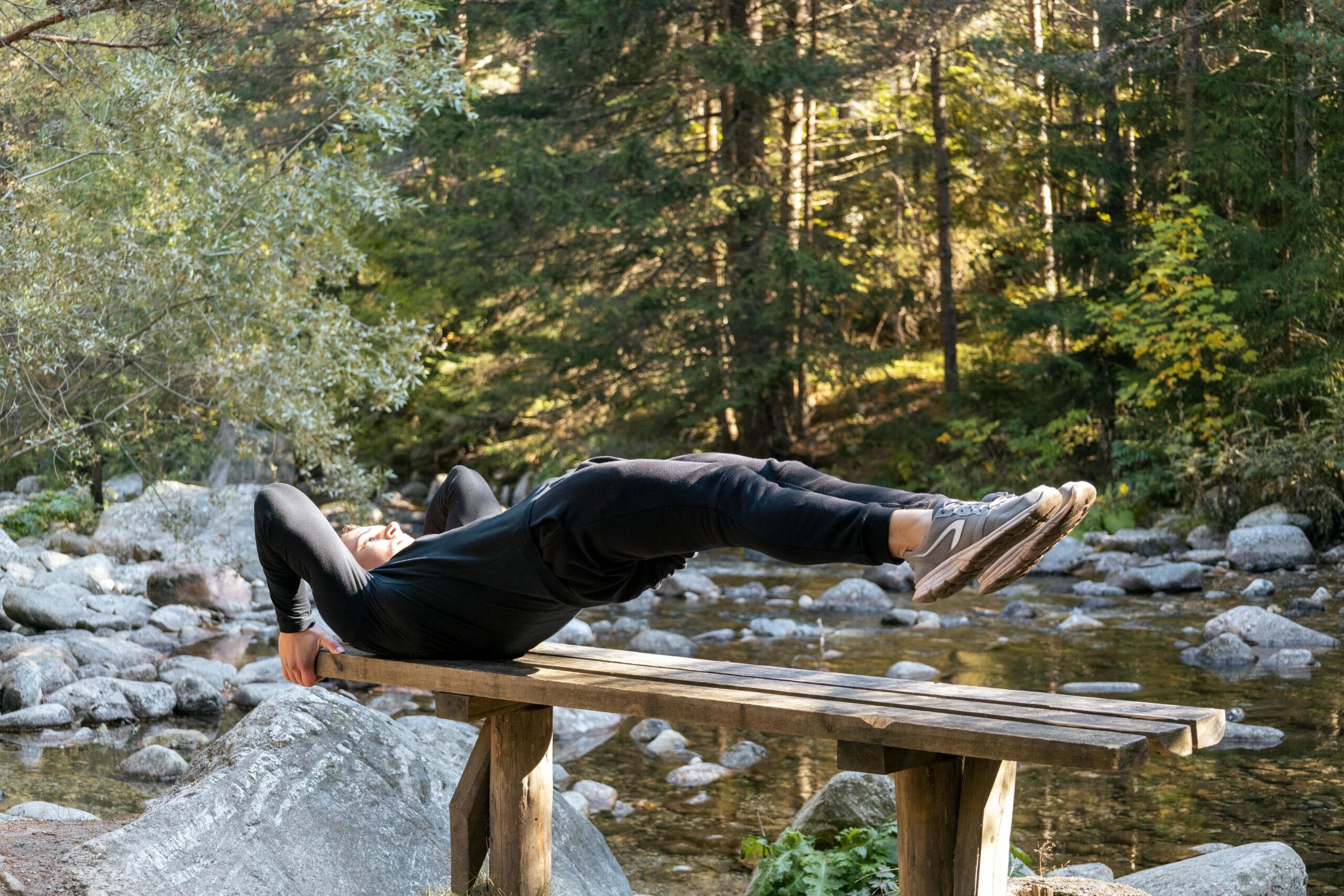
Other polyvagal exercises include yoga, tai chi, and walking. These exercises can help individuals develop greater self-awareness, improve their emotional regulation, and enhance their overall quality of life. By incorporating these exercises into your daily routine, you can reduce your anxiety symptoms and improve your overall mental health.
Exploring the Benefits of Yoga and Tai Chi
Yoga and tai chi are two exercises that can be particularly beneficial for individuals struggling with anxiety. These exercises can help individuals develop greater self-awareness, improve their emotional regulation, and enhance their overall sense of well-being. By incorporating yoga and tai chi into your daily routine, you can reduce your anxiety symptoms and improve your overall quality of life.
- Yoga: Can help individuals develop greater self-awareness and improve their emotional regulation
- Tai Chi: Can help individuals enhance their overall sense of well-being and reduce their anxiety symptoms
- Walking: Can help individuals improve their mood and reduce their anxiety symptoms
Using Polyvagal Exercises in Conjunction with Other Therapies
Polyvagal exercises can be used in conjunction with other therapies to enhance their effectiveness. For example, polyvagal exercises can be used in conjunction with cognitive-behavioral therapy (CBT) to help individuals manage anxiety and improve their emotional regulation. Polyvagal exercises can also be used in conjunction with medication to help individuals reduce their anxiety symptoms and improve their overall mental health.
It’s essential to work with a qualified healthcare professional to develop a personalized treatment plan that incorporates polyvagal exercises and other therapies. By working together, you can reduce your anxiety symptoms, improve your mood, and enhance your overall quality of life.
Benefits of Combining Polyvagal Exercises with Other Therapies
Combining polyvagal exercises with other therapies can have numerous benefits. For example, polyvagal exercises can help individuals develop greater self-awareness, improve their emotional regulation, and enhance their overall sense of well-being. By incorporating polyvagal exercises into your treatment plan, you can reduce your anxiety symptoms, improve your mood, and enhance your overall mental health.
- Improved Emotional Regulation: Polyvagal exercises can help individuals develop greater emotional regulation and reduce their anxiety symptoms
- Enhanced Self-Awareness: Polyvagal exercises can help individuals develop greater self-awareness and improve their overall sense of well-being
- Increased Effectiveness: Combining polyvagal exercises with other therapies can enhance their effectiveness and improve overall treatment outcomes
Overcoming Common Challenges with Polyvagal Exercises
While polyvagal exercises can be highly effective in managing anxiety, individuals may encounter common challenges when incorporating them into their daily routine. One of the most significant challenges is finding the time and motivation to practice polyvagal exercises regularly. Another challenge is dealing with feelings of frustration or disappointment when progress is slow.
To overcome these challenges, it’s essential to be patient and compassionate with yourself. Remember that developing a consistent practice takes time, and it’s normal to encounter setbacks along the way. By working with a qualified healthcare professional and incorporating polyvagal exercises into your daily routine, you can overcome common challenges and achieve your goals.
Strategies for Overcoming Common Challenges
Here are some strategies for overcoming common challenges with polyvagal exercises. Start by setting realistic goals and expectations, and remember to be patient and compassionate with yourself. You can also try incorporating polyvagal exercises into your daily routine, such as right after waking up or before bed. Additionally, consider working with a qualified healthcare professional to develop a personalized exercise plan and receive support and guidance.
- Set Realistic Goals: Set achievable goals and celebrate your progress along the way
- Be Patient and Compassionate: Remember that developing a consistent practice takes time, and it’s normal to encounter setbacks along the way
- Seek Support: Consider working with a qualified healthcare professional to develop a personalized exercise plan and receive support and guidance
Frequently Asked Questions
Question 1: What are polyvagal exercises, and how do they help anxiety?
Polyvagal exercises are a set of practices that help regulate the nervous system, reducing anxiety symptoms and improving emotional well-being. By activating the ventral vagal complex, individuals can develop a sense of safety and connection, reducing their anxiety symptoms and improving their overall quality of life.
Question 2: How do I get started with polyvagal exercises?
Getting started with polyvagal exercises is easy. Begin by setting aside a few minutes each day to practice deep breathing or progressive muscle relaxation. You can also try incorporating mindfulness meditation, yoga, or tai chi into your daily routine. Remember to be patient and compassionate with yourself as you explore these exercises, and don’t be afraid to seek guidance from a qualified healthcare professional.
Question 3: Can polyvagal exercises be used in conjunction with other therapies?
Yes, polyvagal exercises can be used in conjunction with other therapies to enhance their effectiveness. For example, polyvagal exercises can be used in conjunction with cognitive-behavioral therapy (CBT) to help individuals manage anxiety and improve their emotional regulation. Polyvagal exercises can also be used in conjunction with medication to help individuals reduce their anxiety symptoms and improve their overall mental health.
Question 4: What are some common challenges with polyvagal exercises, and how can I overcome them?
Common challenges with polyvagal exercises include finding the time and motivation to practice regularly, dealing with feelings of frustration or disappointment, and overcoming self-doubt. To overcome these challenges, it’s essential to be patient and compassionate with yourself, set realistic goals and expectations, and seek support from a qualified healthcare professional.
Question 5: How long does it take to see results from polyvagal exercises?
The amount of time it takes to see results from polyvagal exercises can vary depending on the individual and their specific needs. Some people may experience improvements in their anxiety symptoms and emotional well-being within a few weeks, while others may take longer. Remember to be patient and compassionate with yourself, and don’t be afraid to seek guidance from a qualified healthcare professional to develop a personalized exercise plan.
Key Takeaways
In conclusion, polyvagal exercises offer a powerful tool for managing anxiety and improving emotional well-being. By understanding the polyvagal theory and incorporating polyvagal exercises into your daily routine, you can reduce your anxiety symptoms, improve your mood, and enhance your overall quality of life. Remember to be patient and compassionate with yourself, and don’t be afraid to seek guidance from a qualified healthcare professional to develop a personalized exercise plan.
- Polyvagal exercises can help regulate the nervous system, reducing anxiety symptoms and improving emotional well-being
- Polyvagal exercises can be used in conjunction with other therapies to enhance their effectiveness
- Common challenges with polyvagal exercises include finding the time and motivation to practice regularly, dealing with feelings of frustration or disappointment, and overcoming self-doubt
- It’s essential to be patient and compassionate with yourself, set realistic goals and expectations, and seek support from a qualified healthcare professional
- Polyvagal exercises can be a valuable addition to your self-care routine, helping you reduce anxiety symptoms and improve your overall mental health
If you’re struggling with anxiety and looking for a new approach, consider trying polyvagal exercises. With patience, compassion, and the right guidance, you can reduce your anxiety symptoms, improve your mood, and enhance your overall quality of life. Don’t be afraid to reach out to a qualified healthcare professional for support and guidance, and remember that polyvagal exercises can be a powerful tool in your journey to manage anxiety and achieve emotional balance.
By incorporating polyvagal exercises into your daily routine, you can take the first step towards a more balanced, fulfilling life. Remember to be kind to yourself, stay committed to your practice, and celebrate your progress along the way. With polyvagal exercises, you can reduce your anxiety symptoms, improve your emotional well-being, and enhance your overall quality of life, using the power of your nervous system to achieve greater calm, clarity, and connection.
Resources
- SAMHSA National Helpline: 1-800-662-4357 (24/7 free, confidential support)
- National Alliance on Mental Illness (NAMI) Helpline: 1-800-950-6264 (Monday – Friday, 10am – 6pm EST)
- Dr. Stephen Porges’ Website: Learn more about the polyvagal theory and its applications
- Polyvagal Exercise Online Courses: Explore online courses and workshops that teach polyvagal exercises and techniques
Disclaimer: This article is for informational purposes only and does not constitute medical advice. Always consult with qualified healthcare professionals for diagnosis and treatment of anxiety disorders. Polyvagal exercises should be used under the guidance of a qualified healthcare professional, especially if you have a history of trauma or mental health conditions.