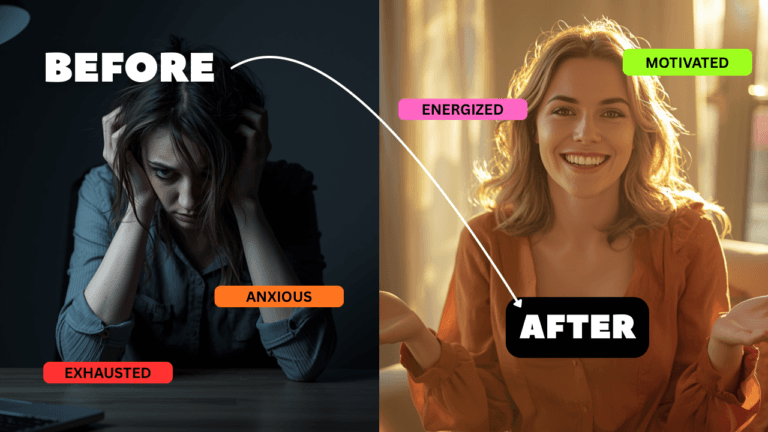
Are you one of the 75% of adults who experience stress in a typical day, feeling like rest alone is not enough to alleviate the pressure? Chronic stress can have severe consequences on both physical and mental health, making it essential to adopt a comprehensive approach to recovery. In this article, we will explore how to recover from chronic stress, focusing on strategies beyond just rest, to help you regain control over your well-being and find lasting relief.
Chronic stress affects millions of people worldwide, causing a significant impact on daily life, relationships, and overall health. While rest is crucial for recovery, it is often not sufficient on its own to combat the effects of chronic stress. Therefore, it’s essential to understand the complexities of chronic stress and the various methods to manage and overcome it.
As we delve into the world of chronic stress recovery, it’s crucial to remember that everyone’s journey is unique, and what works for one person may not work for another. However, by exploring the following strategies and techniques, you can develop a personalized plan to help you recover from chronic stress and improve your overall quality of life.
Understanding Chronic Stress and Its Effects
Chronic stress occurs when the body’s stress response is activated for an extended period, causing an imbalance in the body’s natural rhythms. This can lead to a range of symptoms, including anxiety, depression, insomnia, and a weakened immune system. To recover from chronic stress, it’s essential to understand its underlying causes and how it affects the body and mind.
The effects of chronic stress can be far-reaching, impacting not only mental health but also physical health, relationships, and daily functioning. By recognizing the signs and symptoms of chronic stress, you can take the first step towards recovery and develop a plan to manage its effects.
Common Signs and Symptoms of Chronic Stress
- Physical Symptoms: headaches, muscle tension, fatigue, and sleep disturbances
- Emotional Symptoms: anxiety, depression, mood swings, and irritability
- Cognitive Symptoms: difficulty concentrating, memory problems, and decreased productivity
Building a Support Network for Chronic Stress Recovery
Having a strong support network is vital for recovering from chronic stress. This can include friends, family, support groups, or mental health professionals. By surrounding yourself with people who care about your well-being, you can feel less isolated and more empowered to manage your stress.
- Identify Your Support System: reach out to friends, family, or colleagues who can provide emotional support and encouragement
- Join a Support Group: connect with others who are experiencing chronic stress and learn from their experiences
- Seek Professional Help: consult with a mental health professional for guidance and therapy
By building a support network, you can gain a fresh perspective on your challenges, develop coping strategies, and stay motivated throughout your recovery journey.
Practicing Self-Care for Chronic Stress Management
Self-care is essential for managing chronic stress and promoting overall well-being. This includes engaging in activities that bring joy, relaxation, and fulfillment, such as exercise, meditation, or hobbies. By prioritizing self-care, you can reduce stress levels, improve mood, and enhance resilience.
Self-care is not a luxury, but a necessity for maintaining good mental and physical health. By incorporating self-care practices into your daily routine, you can better cope with stress and develop a more positive outlook on life.
Effective Self-Care Strategies
- Exercise Regularly: engage in physical activities that bring you joy, such as walking, yoga, or dancing
- Practice Mindfulness: use meditation, deep breathing, or progressive muscle relaxation to calm your mind and body
- Pursue Hobbies: engage in creative activities, such as painting, writing, or playing music, to express yourself and reduce stress
Developing Healthy Habits for Chronic Stress Recovery
Developing healthy habits is crucial for recovering from chronic stress. This includes establishing a consistent sleep schedule, eating a balanced diet, and engaging in regular exercise. By adopting healthy habits, you can improve your overall health, increase energy levels, and enhance your ability to manage stress.
Healthy habits can help regulate the body’s natural rhythms, reducing the impact of chronic stress on physical and mental health. By making small changes to your daily routine, you can develop healthy habits that promote overall well-being and support your recovery journey.
Strategies for Developing Healthy Habits
- Set Realistic Goals: start with small, achievable goals, such as exercising for 10 minutes a day or eating five servings of fruits and vegetables
- Create a Routine: establish a consistent daily routine that includes time for sleep, exercise, and relaxation
- Track Progress: use a journal or mobile app to monitor your progress, identify patterns, and make adjustments as needed
Managing Chronic Stress with Mindfulness and Relaxation Techniques
Mindfulness and relaxation techniques can be powerful tools for managing chronic stress. These techniques, such as meditation, deep breathing, and progressive muscle relaxation, can help calm the mind and body, reducing stress levels and promoting relaxation.
By incorporating mindfulness and relaxation techniques into your daily routine, you can better cope with stress, improve mood, and enhance overall well-being. These techniques can be practiced anywhere, at any time, making them a convenient and effective way to manage chronic stress.
Effective Mindfulness and Relaxation Techniques
- Meditation: use guided meditation apps or videos to calm your mind and reduce stress
- Deep Breathing: practice deep, slow breathing to slow down your heart rate and promote relaxation
- Progressive Muscle Relaxation: tense and relax different muscle groups to release physical tension
Seeking Professional Help for Chronic Stress Recovery
Seeking professional help is a crucial step in recovering from chronic stress. Mental health professionals, such as therapists or counselors, can provide guidance, support, and therapy to help you manage stress and develop coping strategies.
By seeking professional help, you can gain a deeper understanding of your stress patterns, develop personalized coping strategies, and improve your overall mental health. Don’t hesitate to reach out for help – it’s a sign of strength, not weakness.
Benefits of Seeking Professional Help
- Personalized Guidance: work with a mental health professional to develop a tailored plan for managing chronic stress
- Emotional Support: receive emotional support and validation from a trained therapist or counselor
- Coping Strategies: learn effective coping strategies and techniques to manage stress and improve overall well-being
Frequently Asked Questions
Question 1: What are the most common causes of chronic stress?
Common causes of chronic stress include work-related stress, financial problems, relationship issues, and health concerns.
Question 2: How can I manage chronic stress on a daily basis?
Manage chronic stress by prioritizing self-care, practicing mindfulness and relaxation techniques, and seeking support from friends, family, or mental health professionals.
Question 3: What are the benefits of seeking professional help for chronic stress recovery?
Benefits of seeking professional help include personalized guidance, emotional support, and learning effective coping strategies to manage stress and improve overall well-being.
Question 4: Can chronic stress be cured?
While chronic stress cannot be “cured,” it can be managed and reduced with the right strategies, support, and self-care practices.
Question 5: How long does it take to recover from chronic stress?
Recovery from chronic stress is a unique and ongoing process that requires patience, self-care, and support. The length of time it takes to recover varies from person to person, but with the right approach, it is possible to manage chronic stress and improve overall well-being.
Key Takeaways
In conclusion, recovering from chronic stress requires a comprehensive approach that goes beyond just rest. By understanding the causes and effects of chronic stress, building a support network, practicing self-care, developing healthy habits, managing stress with mindfulness and relaxation techniques, and seeking professional help, you can take the first steps towards recovery and improve your overall quality of life.
- Understand the causes and effects of chronic stress
- Build a support network of friends, family, and mental health professionals
- Prioritize self-care and engage in activities that bring joy and relaxation
- Develop healthy habits, such as regular exercise and a balanced diet
- Manage stress with mindfulness and relaxation techniques
If you’re struggling with chronic stress, remember that you’re not alone. Reach out to a mental health professional, talk to a trusted friend or family member, or try some of the strategies outlined in this article. By taking the first step towards recovery, you can begin to heal, grow, and thrive – and find a more peaceful, stress-free life.
Remember, recovering from chronic stress is a journey, and it’s okay to take it one step at a time. With patience, self-care, and support, you can overcome the challenges of chronic stress and live a happier, healthier life.
Resources
- SAMHSA National Helpline: 1-800-662-4357 (24/7 free, confidential support)
- National Alliance on Mental Illness (NAMI) Helpline: 1-800-950-6264 (Monday to Friday, 10am to 6pm EST)
- Crisis Text Line: text “HOME” to 741741 (24/7 free, confidential support)
Disclaimer: This article is for informational purposes only and does not constitute medical advice. Always consult with qualified healthcare professionals for diagnosis and treatment of substance use disorders.