

Did you know that over 70% of adults experience stress, which can significantly impact mental health? Fortunately, adaptogens, such as ashwagandha and rhodiola, can help alleviate stress and promote mental well-being. However, it’s crucial to use adaptogens safely for stress and mental health. In this article, we’ll explore how to harness the power of adaptogens while minimizing potential risks.
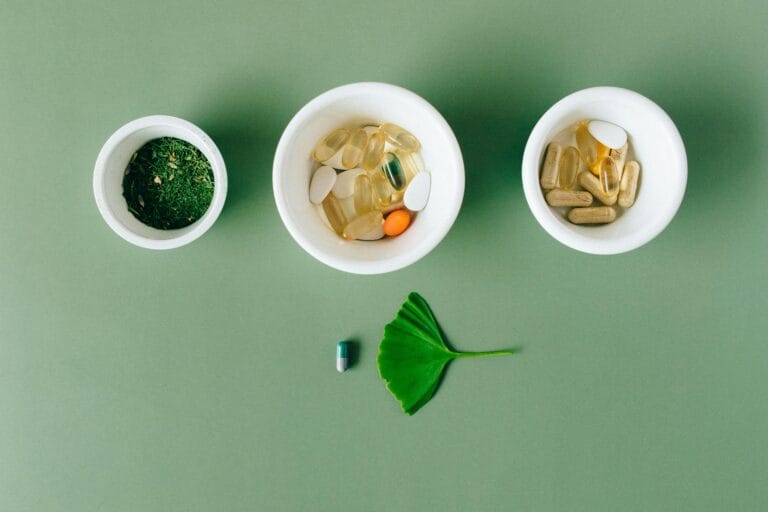
To get started, let’s define what adaptogens are and how they work. Adaptogens are non-toxic, plant-based substances that help the body adapt to stress and promote balance. They can be found in various forms, including supplements, teas, and whole foods. By understanding how adaptogens work, you can make informed decisions about their use and potential benefits for your mental health.
Before diving into the world of adaptogens, it’s essential to consult with a healthcare professional, especially if you’re considering using them for stress and mental health. They can help you determine the best course of action and recommend safe, effective adaptogens for your specific needs. In the following sections, we’ll delve into the world of adaptogens and provide actionable tips for safe use.
Understanding Adaptogens and Their Benefits
Adaptogens have been used for centuries in traditional medicine to promote overall well-being. They work by influencing the body’s stress response system, helping to regulate cortisol levels, and enhancing mood. Some of the most commonly used adaptogens include ashwagandha, rhodiola, and ginseng. Each adaptogen has unique benefits and potential interactions, so it’s essential to research and understand their effects before use.
For example, ashwagandha has been shown to reduce anxiety and stress levels, while rhodiola may help improve mood and cognitive function. By understanding the benefits and potential interactions of each adaptogen, you can create a personalized plan for safe and effective use.
Popular Adaptogens for Stress and Mental Health
Some of the most popular adaptogens for stress and mental health include:
- Ashwagandha: An herb that helps reduce anxiety and stress levels
- Rhodiola: A plant that may improve mood and cognitive function
- Ginseng: A root that can help regulate cortisol levels and enhance mood
- Maca: A Peruvian plant that may help balance hormones and reduce stress
- Tulsi: A herb that can help reduce anxiety and promote relaxation
Safe Usage Guidelines for Adaptogens
To use adaptogens safely, it’s essential to follow some basic guidelines. First, start with a low dose and gradually increase as needed. This allows your body to adjust to the adaptogen and reduces the risk of adverse effects. Additionally, be aware of potential interactions with medications or other supplements, and consult with a healthcare professional if you have any concerns.
It’s also crucial to choose high-quality adaptogens from reputable sources. Look for products that are certified organic, non-GMO, and free of contaminants. By selecting high-quality adaptogens, you can minimize the risk of adverse effects and ensure maximum benefits.
Potential Interactions and Side Effects
While adaptogens are generally considered safe, they can interact with certain medications or worsen underlying health conditions. Some potential interactions and side effects include:
- Interactions with blood thinners: Certain adaptogens, such as ginseng, may interact with blood thinners and increase the risk of bleeding
- Worsening of anxiety: Some adaptogens, such as rhodiola, may worsen anxiety in certain individuals
- Digestive issues: Adaptogens like ashwagandha may cause digestive issues, such as nausea or stomach upset, in some individuals
Creating a Personalized Adaptogen Plan
To create a personalized adaptogen plan, start by identifying your specific needs and goals. Consider your stress levels, mood, and overall well-being, and research adaptogens that may help address these concerns. Consult with a healthcare professional to determine the best course of action and recommend safe, effective adaptogens for your needs.
For example, if you’re experiencing high levels of stress and anxiety, you may consider starting with ashwagandha or rhodiola. If you’re looking to improve your mood and cognitive function, ginseng or maca may be a better option. By creating a personalized plan, you can harness the power of adaptogens and promote overall well-being.
Combining Adaptogens with Other Stress-Reduction Techniques
Adaptogens can be even more effective when combined with other stress-reduction techniques, such as meditation, yoga, or deep breathing exercises. These practices can help enhance the benefits of adaptogens and promote overall well-being. By incorporating adaptogens into your self-care routine, you can reduce stress and anxiety and improve your mental health.
For example, you can try combining ashwagandha with meditation or yoga to enhance its stress-reducing effects. Alternatively, you can combine rhodiola with deep breathing exercises to improve your mood and cognitive function. By experimenting with different combinations, you can find what works best for you and promote overall well-being.
Frequently Asked Questions
What is the best way to take adaptogens?
The best way to take adaptogens depends on the specific adaptogen and your individual needs. Some adaptogens, such as ashwagandha, can be taken in supplement form, while others, such as rhodiola, may be more effective when consumed as a tea.
Can I use adaptogens with prescription medications?
It’s essential to consult with a healthcare professional before using adaptogens with prescription medications. Certain adaptogens may interact with medications or worsen underlying health conditions, so it’s crucial to exercise caution and seek professional advice.
How long does it take to see the effects of adaptogens?
The effects of adaptogens can vary depending on the specific adaptogen and individual factors, such as dosage and sensitivity. Some people may experience benefits within a few days, while others may take several weeks or months to notice significant effects.
Can I use adaptogens if I’m pregnant or breastfeeding?
It’s generally recommended to avoid using adaptogens during pregnancy or breastfeeding, as their effects on the fetus or baby are not well understood. However, some adaptogens, such as ashwagandha, may be safe in small amounts under the guidance of a healthcare professional.
What are the potential risks of using adaptogens?
While adaptogens are generally considered safe, they can cause side effects, such as digestive issues or interactions with medications. It’s essential to follow safe usage guidelines, consult with a healthcare professional, and monitor your body’s response to adaptogens to minimize potential risks.
Key Takeaways
In conclusion, adaptogens can be a powerful tool for reducing stress and promoting mental well-being. By understanding how to use adaptogens safely and effectively, you can harness their benefits and improve your overall health.
- Consult with a healthcare professional before using adaptogens
- Start with a low dose and gradually increase as needed
- Choose high-quality adaptogens from reputable sources
- Be aware of potential interactions and side effects
- Combine adaptogens with other stress-reduction techniques for enhanced benefits
If you’re considering using adaptogens for stress and mental health, remember to approach with caution and consult with a healthcare professional. By taking a safe and informed approach, you can promote overall well-being and reduce stress and anxiety. So, take the first step today and explore the world of adaptogens – your mental health will thank you.
Resources
- SAMHSA National Helpline: 1-800-662-4357 (24/7 free, confidential support)
- National Institute of Mental Health (NIMH): A trusted source of information on mental health and stress management
- Mayo Clinic: A reputable source of information on adaptogens and their potential benefits and risks
- American Herbal Products Association (AHPA): A trusted source of information on herbal supplements, including adaptogens
Disclaimer: This article is for informational purposes only and does not constitute medical advice. Always consult with qualified healthcare professionals for diagnosis and treatment of substance use disorders.