
Anxiety affects millions of people worldwide, with approximately 284 million individuals experiencing anxiety disorders in 2017, according to the World Health Organization. For those seeking natural remedies, L-Theanine for anxiety has gained significant attention. But does L-Theanine really work for anxiety, and what are its effects on mental health? In this article, we will explore the benefits, usage, and scientific evidence supporting the use of L-Theanine for anxiety relief.
As we delve into the world of L-Theanine, it’s essential to understand its origins and how it interacts with the body. L-Theanine is an amino acid found in green tea, known for its calming effects. Therefore, it’s crucial to examine the existing research and user experiences to determine its efficacy in reducing anxiety symptoms. Additionally, we will discuss the appropriate dosage, potential side effects, and how to incorporate L-Theanine into your daily routine.
Before we dive into the details, it’s essential to note that while L-Theanine may be beneficial for anxiety, it should not replace professional medical treatment. If you’re experiencing anxiety or any other mental health concerns, consult with a qualified healthcare professional for personalized guidance. With that said, let’s explore the potential benefits of L-Theanine for anxiety and how it can be a valuable addition to your mental wellness toolkit.
What is L-Theanine and How Does it Work?
L-Theanine is a non-protein amino acid found primarily in green tea, with small amounts also present in black tea and certain types of mushrooms. It’s known for its ability to promote relaxation, reduce stress levels, and improve focus. When consumed, L-Theanine crosses the blood-brain barrier, interacting with neurotransmitters such as GABA, dopamine, and serotonin, which play a crucial role in regulating mood and anxiety.
Research suggests that L-Theanine may help reduce anxiety symptoms by increasing the production of GABA, a neurotransmitter that helps calm the nervous system. Additionally, L-Theanine may also decrease the levels of excitatory neurotransmitters like glutamate, which can contribute to anxiety when present in excessive amounts.
Key Mechanisms of L-Theanine
- Increased GABA production: L-Theanine may help increase the production of GABA, leading to a calming effect on the nervous system.
- Decreased glutamate levels: By reducing the levels of excitatory neurotransmitters like glutamate, L-Theanine may help alleviate anxiety symptoms.
- Modulation of dopamine and serotonin: L-Theanine may also interact with dopamine and serotonin, neurotransmitters involved in mood regulation, which can contribute to its anxiolytic effects.
Benefits of L-Theanine for Anxiety
The benefits of L-Theanine for anxiety are numerous, with many individuals reporting a significant reduction in anxiety symptoms after supplementation. Some of the key benefits include improved sleep quality, enhanced focus, and a sense of calmness. Additionally, L-Theanine may also help reduce stress levels, making it an excellent supplement for individuals with anxiety disorders.
One of the most significant advantages of L-Theanine is its ability to promote relaxation without causing drowsiness or sedation. This makes it an excellent alternative to traditional anxiolytic medications, which can often have unwanted side effects. Furthermore, L-Theanine may also be beneficial for individuals experiencing anxiety-related disorders, such as social anxiety disorder or post-traumatic stress disorder (PTSD).
- Improved sleep quality: L-Theanine may help regulate sleep patterns, leading to improved sleep quality and duration.
- Enhanced focus: By promoting relaxation and reducing anxiety, L-Theanine may also improve focus and concentration.
- Reduced stress levels: L-Theanine may help mitigate stress levels, making it an excellent supplement for individuals with anxiety disorders.
How to Use L-Theanine for Anxiety
When using L-Theanine for anxiety, it’s essential to follow the recommended dosage and guidelines. The typical dosage range for L-Theanine is between 200-400 mg per day, taken 1-2 times daily. However, it’s crucial to consult with a healthcare professional before starting any new supplement regimen, especially if you’re already taking medications or have underlying medical conditions.
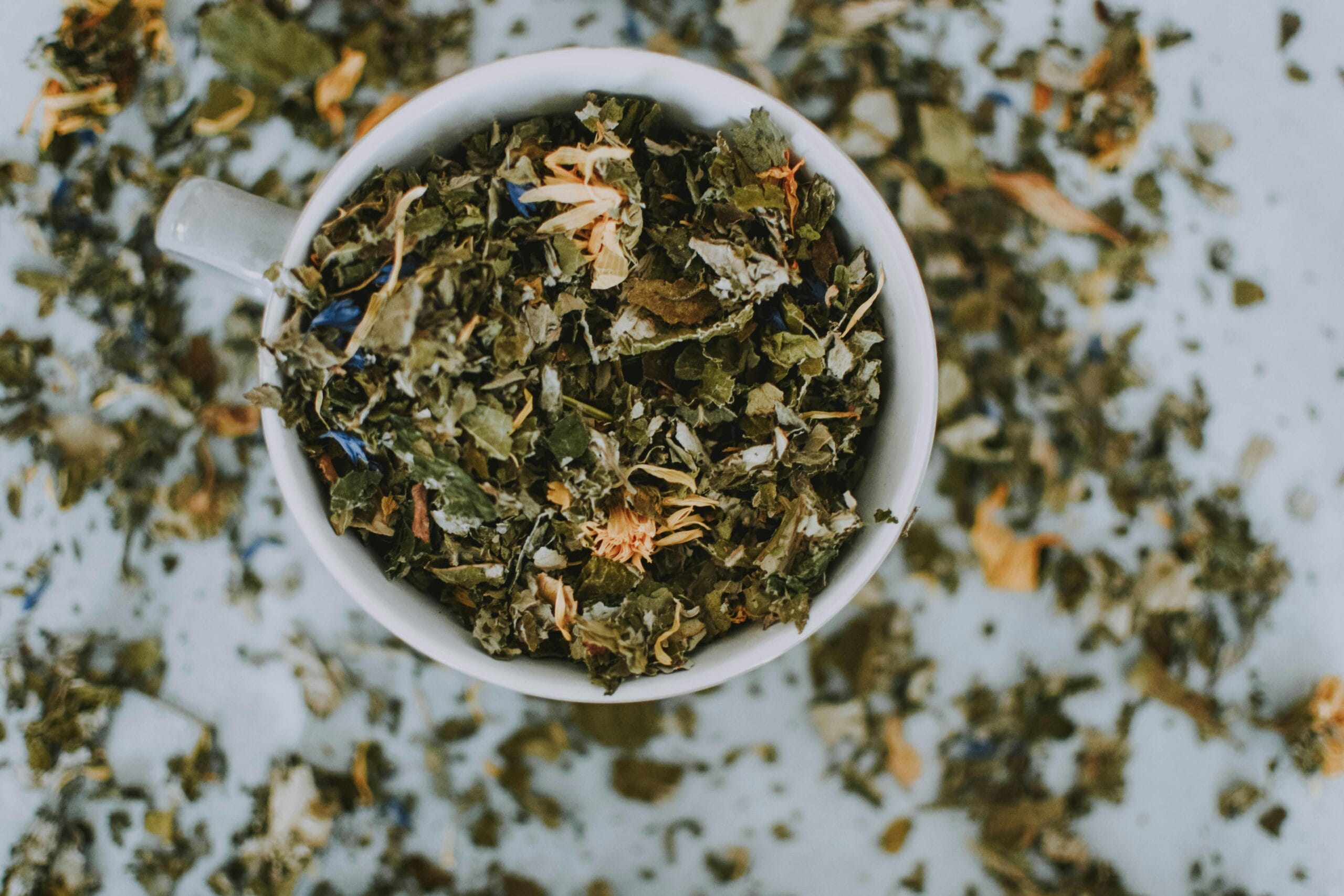
In addition to supplementation, you can also consume L-Theanine through green tea, which is a natural and excellent way to incorporate this amino acid into your diet. However, the amount of L-Theanine in green tea can vary depending on the brand, quality, and brewing method. Therefore, supplementation may be necessary to achieve the desired therapeutic effects.
Precautions and Side Effects
While L-Theanine is generally considered safe, there are some potential side effects and precautions to be aware of. These include:
- Drowsiness: High doses of L-Theanine may cause drowsiness, especially when combined with other sedatives or medications.
- Stomach upset: Some individuals may experience stomach upset, nausea, or diarrhea when taking L-Theanine supplements.
- Interactions with medications: L-Theanine may interact with certain medications, such as blood thinners, and decrease their effectiveness.
Scientific Evidence Supporting L-Theanine for Anxiety
Several studies have investigated the anxiolytic effects of L-Theanine, with promising results. A 2018 study published in the Journal of Functional Foods found that L-Theanine supplementation reduced anxiety symptoms in individuals with chronic anxiety disorders. Another study published in the Journal of Alternative and Complementary Medicine in 2019 discovered that L-Theanine decreased stress levels and improved mood in healthy individuals.
While the existing research is encouraging, more studies are needed to fully understand the effects of L-Theanine on anxiety and to determine its long-term efficacy and safety. However, the current evidence suggests that L-Theanine may be a valuable adjunctive treatment for anxiety disorders, particularly when combined with traditional therapies.
Combining L-Theanine with Other Anxiety Treatments
L-Theanine can be combined with other anxiety treatments, such as cognitive-behavioral therapy (CBT), medication, or other supplements, to enhance its anxiolytic effects. However, it’s essential to consult with a healthcare professional before adding L-Theanine to your treatment plan, especially if you’re already taking medications or have underlying medical conditions.
Some individuals may also find it beneficial to combine L-Theanine with other natural supplements, such as ashwagandha, passionflower, or valerian root, to create a comprehensive anxiety-relief regimen. However, it’s crucial to research each supplement thoroughly and consult with a healthcare professional to ensure safe and effective use.
Real-Life Examples of L-Theanine for Anxiety
Many individuals have reported significant reductions in anxiety symptoms after using L-Theanine. For example, a study published in the Journal of Alternative and Complementary Medicine in 2019 found that L-Theanine supplementation reduced anxiety symptoms in individuals with chronic anxiety disorders. Another example is a case study published in the Journal of Clinical Psychopharmacology, which reported that L-Theanine decreased anxiety symptoms in a patient with social anxiety disorder.
These real-life examples demonstrate the potential benefits of L-Theanine for anxiety and highlight the importance of consulting with a healthcare professional before starting any new supplement regimen.
Frequently Asked Questions
Question 1: What is the recommended dosage of L-Theanine for anxiety?
The recommended dosage of L-Theanine for anxiety is between 200-400 mg per day, taken 1-2 times daily.
Question 2: Can I take L-Theanine with other medications?
It’s essential to consult with a healthcare professional before taking L-Theanine with other medications, as it may interact with certain drugs and decrease their effectiveness.
Question 3: Is L-Theanine safe for long-term use?
While L-Theanine is generally considered safe, more research is needed to determine its long-term efficacy and safety. It’s essential to consult with a healthcare professional before using L-Theanine for extended periods.
Question 4: Can I use L-Theanine for anxiety if I’m pregnant or breastfeeding?
It’s essential to consult with a healthcare professional before using L-Theanine if you’re pregnant or breastfeeding, as there is limited research on its safety in these populations.
Question 5: Are there any potential side effects of L-Theanine?
While L-Theanine is generally well-tolerated, potential side effects include drowsiness, stomach upset, and interactions with certain medications.
Key Takeaways
In conclusion, L-Theanine may be a valuable supplement for anxiety relief, with a range of benefits, including improved sleep quality, enhanced focus, and reduced stress levels. However, it’s essential to consult with a healthcare professional before starting any new supplement regimen, especially if you’re already taking medications or have underlying medical conditions.
- The recommended dosage of L-Theanine for anxiety is between 200-400 mg per day.
- L-Theanine may interact with certain medications, so it’s essential to consult with a healthcare professional before use.
- More research is needed to fully understand the effects of L-Theanine on anxiety and to determine its long-term efficacy and safety.
If you’re experiencing anxiety or any other mental health concerns, it’s essential to seek professional help. Consult with a qualified healthcare professional to discuss the potential benefits and risks of L-Theanine for anxiety and to determine the best course of treatment for your specific needs. Remember, L-Theanine is not a replacement for professional medical treatment, but it may be a valuable addition to your mental wellness toolkit.
By incorporating L-Theanine into your daily routine and combining it with other anxiety-relief strategies, you may find significant reductions in anxiety symptoms and improvements in overall mental well-being. So, take the first step towards a calmer, more relaxed you, and explore the potential benefits of L-Theanine for anxiety today.
Resources
- SAMHSA National Helpline: 1-800-662-4357 (24/7 free, confidential support)
- National Alliance on Mental Illness (NAMI) Helpline: 1-800-950-6264 (Monday – Friday, 10am – 6pm EST)
- Anxiety and Depression Association of America (ADAA) Resource Center: [www.adaa.org](http://www.adaa.org)
- L-Theanine Supplement Guide: [www.healthline.com](http://www.healthline.com)
Disclaimer: This article is for informational purposes only and does not constitute medical advice. Always consult with qualified healthcare professionals for diagnosis and treatment of substance use disorders.