

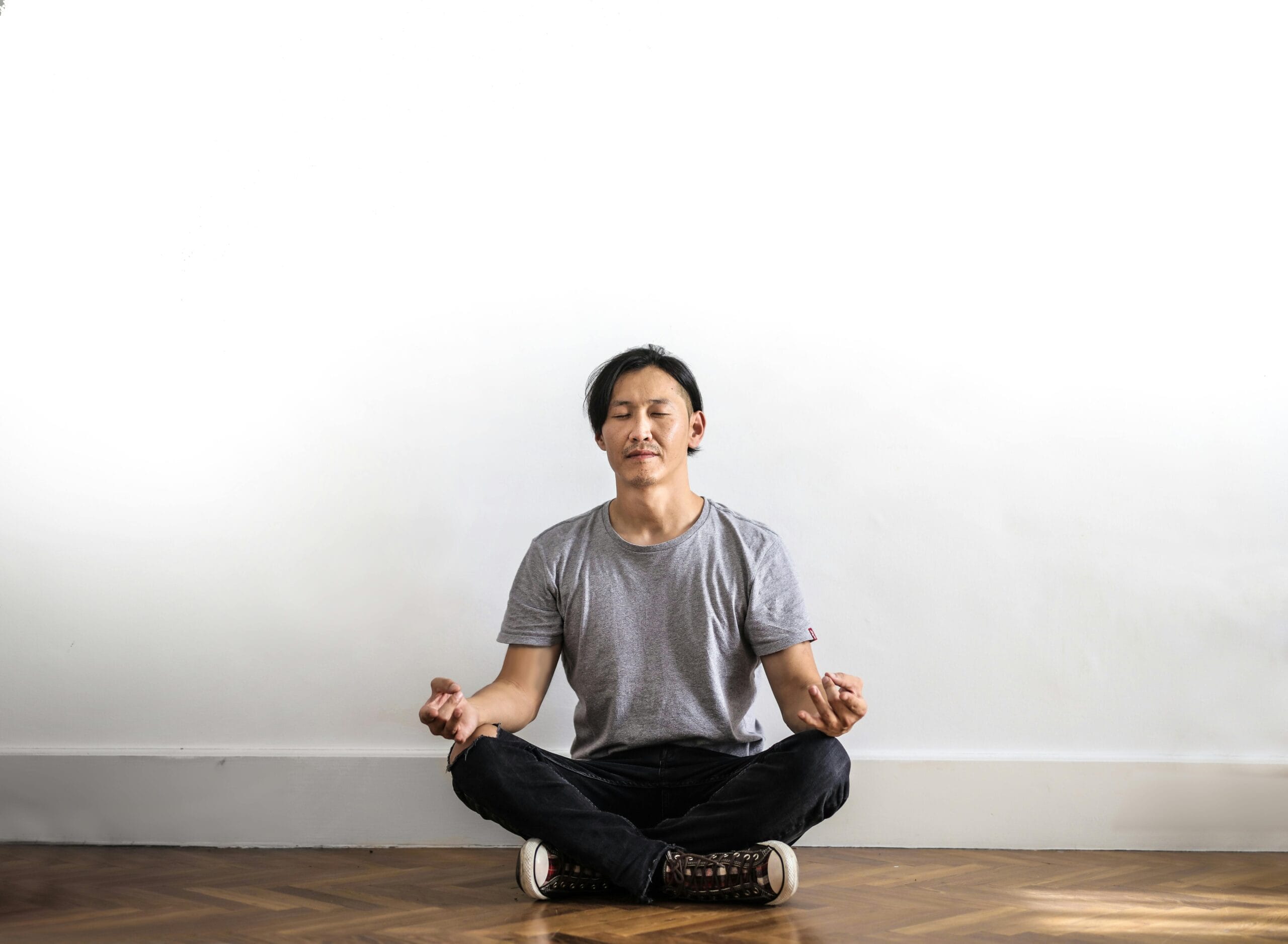
Did you know that over 40 million adults in the United States suffer from anxiety disorders, and approximately 30% of the general population experiences sleep disruptions? Body scan meditation for anxiety and sleep can be a game-changer. By incorporating this mindfulness practice into your daily routine, you can significantly reduce anxiety and improve sleep quality. In this article, we will explore the benefits and steps of body scan meditation, providing you with a comprehensive guide to get started.
Body scan meditation is a powerful technique that involves focusing your attention on different parts of your body, often starting from your toes and moving up to the top of your head. This practice helps you develop greater awareness of your physical sensations, release tension, and cultivate a sense of relaxation. Whether you’re struggling with anxiety, insomnia, or simply looking to enhance your overall well-being, body scan meditation can be a valuable tool in your journey towards better mental and physical health.
Before we dive into the specifics of body scan meditation, it’s essential to understand the importance of creating a conducive environment for your practice. Find a quiet, comfortable space where you can sit or lie down without distractions, and consider using a guided meditation app or soft music to enhance your experience. With patience and consistency, you can harness the benefits of body scan meditation and start sleeping better, feeling more relaxed, and managing anxiety more effectively.
Understanding Body Scan Meditation and Its Benefits
Body scan meditation is a form of mindfulness practice that encourages you to focus on the present moment, letting go of worries about the past or future. By directing your attention to your body, you can become more aware of areas of tension and release them, leading to a deeper state of relaxation. Regular practice of body scan meditation can help reduce symptoms of anxiety and depression, improve sleep quality, and boost your immune system.
One of the primary benefits of body scan meditation is its ability to calm the mind and body. By releasing physical tension and promoting relaxation, you can reduce your heart rate, lower blood pressure, and slow down your breathing. This can be especially helpful for individuals struggling with anxiety, as it provides a healthy coping mechanism for managing stress and emotions.
How Body Scan Meditation Affects Anxiety and Sleep
Research has shown that body scan meditation can have a positive impact on both anxiety and sleep. By reducing symptoms of anxiety, body scan meditation can help individuals feel more calm and relaxed, making it easier to fall asleep and stay asleep. Additionally, the practice of body scan meditation can help regulate sleep patterns, leading to improved sleep quality and duration.
- Reduces anxiety symptoms: Body scan meditation can help calm the mind and body, reducing feelings of anxiety and stress.
- Improves sleep quality: By promoting relaxation and reducing symptoms of anxiety, body scan meditation can help individuals sleep better and wake up feeling more refreshed.
- Enhances overall well-being: Regular practice of body scan meditation can lead to improved mental and physical health, increased self-awareness, and a greater sense of calm and relaxation.
Preparing for Body Scan Meditation
Before starting your body scan meditation practice, it’s essential to create a comfortable and conducive environment. Find a quiet space where you can sit or lie down without distractions, and consider using a guided meditation app, soft music, or nature sounds to enhance your experience. You can also use a meditation cushion, blanket, or pillow to support your body and promote relaxation.
- Choose a quiet space: Find a quiet room or area where you can practice body scan meditation without distractions or interruptions.
- Get comfortable: Sit or lie down in a comfortable position, using a meditation cushion, blanket, or pillow to support your body.
- Use guided meditation resources: Consider using a guided meditation app, soft music, or nature sounds to help you focus and relax.
Once you’ve created a comfortable environment, you can begin your body scan meditation practice. Start by taking a few deep breaths, feeling the air move in and out of your body, and then bring your attention to your toes. Notice any sensations, feelings, or thoughts without judgment, and slowly work your way up through your body, paying attention to each area as you go.
Step-by-Step Guide to Body Scan Meditation
Now that you’ve prepared your environment and understand the basics of body scan meditation, it’s time to dive into the step-by-step guide. Remember to be patient and gentle with yourself as you practice, and don’t worry if your mind wanders – simply acknowledge the thought and bring your attention back to your body.
- Start at your toes: Bring your attention to your toes, noticing any sensations, feelings, or thoughts without judgment.
- Work your way up: Slowly work your way up through your body, paying attention to each area as you go, including your feet, ankles, calves, knees, thighs, hips, back, shoulders, arms, hands, neck, and head.
- Release tension: As you focus on each area, release any tension or discomfort, allowing yourself to relax and let go.
Remember to breathe deeply and slowly throughout your practice, feeling the air move in and out of your body. If you find your mind wandering, gently bring your attention back to your body, focusing on the sensations and feelings in each area.
Overcoming Common Challenges in Body Scan Meditation
As you begin your body scan meditation practice, you may encounter some common challenges, such as a wandering mind, physical discomfort, or difficulty relaxing. Don’t worry – these challenges are normal, and with patience and persistence, you can overcome them and deepen your practice.
Managing a Wandering Mind
One of the most common challenges in body scan meditation is a wandering mind. If you find your mind drifting away from your body, simply acknowledge the thought and gently bring your attention back to your body. Remember, the goal of body scan meditation isn’t to achieve a specific state or stop your thoughts completely – it’s to cultivate awareness and relaxation in the present moment.
- Acknowledge the thought: Recognize when your mind is wandering, and acknowledge the thought without judgment.
- Gently bring attention back: Bring your attention back to your body, focusing on the sensations and feelings in each area.
- Practice patience: Remember that it’s normal for your mind to wander, and practice patience and kindness towards yourself as you cultivate greater awareness and focus.
Combining Body Scan Meditation with Other Mindfulness Practices
Body scan meditation can be a powerful practice on its own, but it can also be combined with other mindfulness practices to enhance its benefits. Consider incorporating body scan meditation into your daily routine, along with other practices such as deep breathing, yoga, or walking meditation.
By combining body scan meditation with other mindfulness practices, you can deepen your relaxation, increase your self-awareness, and cultivate a greater sense of calm and well-being. Remember to be patient and gentle with yourself as you explore different practices, and find what works best for you.
Body Scan Meditation for Anxiety and Sleep: Tips and Variations
As you continue to practice body scan meditation, you may find it helpful to explore different tips and variations to enhance your experience. Consider using guided meditation apps, soft music, or nature sounds to create a more relaxing atmosphere, or try incorporating physical movement, such as yoga or tai chi, to deepen your practice.
- Use guided meditation apps: Consider using guided meditation apps, such as Headspace or Calm, to help you get started and stay focused.
- Incorporate physical movement: Try incorporating physical movement, such as yoga or tai chi, to deepen your practice and enhance relaxation.
- Experiment with different environments: Experiment with different environments, such as outdoors or in a quiet room, to find what works best for you.
Frequently Asked Questions
Question 1: What if I fall asleep during body scan meditation?
If you fall asleep during body scan meditation, don’t worry – it’s a common experience, especially if you’re practicing before bed. Simply acknowledge your sleepiness and try to focus on your breath, or set an alarm to wake you up after a certain period.
Question 2: Can I practice body scan meditation anywhere?
Yes, you can practice body scan meditation anywhere, whether it’s at home, in a park, or even during your daily commute. Find a quiet and comfortable space, and try to minimize distractions as you focus on your body and breath.
Question 3: How often should I practice body scan meditation?
Aim to practice body scan meditation at least 2-3 times a week, ideally at the same time each day. Consistency is key, so try to establish a regular routine and stick to it, even if it’s just for a few minutes each day.
Question 4: Can body scan meditation help with chronic pain?
Yes, body scan meditation can be a helpful tool for managing chronic pain. By releasing tension and promoting relaxation, body scan meditation can help reduce pain symptoms and improve overall well-being.
Question 5: Is body scan meditation suitable for beginners?
Yes, body scan meditation is suitable for beginners, and it’s a great way to introduce yourself to mindfulness and meditation. Start with short sessions and gradually increase the duration as you become more comfortable with the practice.
Key Takeaways
In conclusion, body scan meditation is a powerful tool for reducing anxiety and improving sleep quality. By following the steps outlined in this guide, you can cultivate greater awareness, relaxation, and self-awareness, leading to a more fulfilling and peaceful life.
- Body scan meditation can reduce symptoms of anxiety and improve sleep quality.
- Regular practice can lead to greater self-awareness, relaxation, and overall well-being.
- Combining body scan meditation with other mindfulness practices can enhance its benefits.
- Be patient and gentle with yourself as you practice, and don’t be afraid to explore different tips and variations.
- Remember to create a conducive environment and use guided meditation resources to support your practice.
If you’re struggling with anxiety or sleep disruptions, consider reaching out to a mental health professional for guidance and support. With patience, persistence, and the right tools, you can harness the benefits of body scan meditation and start sleeping better, feeling more relaxed, and managing anxiety more effectively. Remember, body scan meditation for anxiety and sleep is a journey, and it’s okay to take it one step at a time.
By incorporating body scan meditation into your daily routine, you can take the first step towards a more peaceful, relaxed, and fulfilling life. So why not start today, and discover the transformative power of body scan meditation for yourself?
Resources
- National Sleep Foundation: A comprehensive resource for sleep health and wellness, offering tips, guides, and expert advice.
- Anxiety and Depression Association of America (ADAA): A leading organization providing education, support, and resources for individuals struggling with anxiety and depression.
- Headspace: A popular guided meditation app offering personalized meditation sessions and tracking features to help you stay consistent.
- Calm: A meditation and relaxation app featuring guided meditations, sleep stories, and soothing music to help you unwind and relax.
Disclaimer: This article is for informational purposes only and does not constitute medical advice. Always consult with qualified healthcare professionals for diagnosis and treatment of anxiety disorders or sleep disruptions.