
Are you one of the millions of people who lie awake at night, struggling with anxiety that seems to worsen as the darkness falls? Approximately 40 million adults in the United States suffer from anxiety disorders, and for many, the nighttime hours can be the most challenging. Learning how to calm anxiety fast at night without medication is crucial for improving sleep quality and overall mental health. In this article, we’ll explore effective strategies to help you manage nighttime anxiety.
Anxiety at night can be particularly debilitating, affecting not just your sleep but also your daily functioning and well-being. The good news is that there are numerous techniques and practices that can help you calm your anxiety without relying on medication. From breathing exercises and mindfulness to lifestyle changes and relaxation techniques, we’ll cover a range of approaches to help you find peace and tranquility during the night.
Before diving into the solutions, it’s essential to understand that everyone’s experience with anxiety is unique, and what works for one person might not work for another. Therefore, it’s crucial to experiment with different methods to find what works best for you. In the following sections, we’ll delve into various strategies to help you calm your anxiety at night without medication, focusing on practical, actionable advice that you can start applying immediately.
Understanding Nighttime Anxiety and Its Causes
Nighttime anxiety can stem from a variety of sources, including stress, trauma, certain medications, and even lifestyle factors such as caffeine consumption and screen time before bed. Understanding the root cause of your anxiety is the first step towards addressing it. By recognizing the triggers and patterns of your anxiety, you can begin to develop targeted strategies to manage it.
For instance, if you find that your anxiety spikes after watching the news or scrolling through social media before bed, it might be helpful to establish a pre-bedtime routine that avoids these activities. Similarly, if caffeine is a culprit, limiting your intake, especially in the hours leading up to bedtime, can make a significant difference.
Identifying Personal Triggers
Identifying your personal triggers is a crucial step in managing nighttime anxiety. Take some time to reflect on when your anxiety tends to worsen and what might be contributing to it. Keeping a journal can be a helpful tool in tracking your anxiety patterns and identifying potential triggers.
- Reflect on Your Day: Think about the events and interactions that occurred during the day that might be contributing to your nighttime anxiety.
- Environmental Factors: Consider how your sleep environment might be affecting your anxiety. Is your bedroom dark, quiet, and cool? Are there any distractions like TVs or computers in the bedroom?
- Physical Health: Sometimes, physical discomfort or health issues can contribute to anxiety. Ensure you’re taking care of your physical health and addressing any underlying medical conditions.

- 【3-in-1 Sleep Headphones + Sport Bluetooth Headband + Sleep Mask】Crafted with ultra-soft, breathable fabric and equipped…
- 【20 Hours of Uninterrupted Sound】The upgraded high-capacity rechargeable battery fully charges in just 1-2 hours, boasti…
- 【Bluetooth 6.0 for Lossless Sound】Sleep mask with bluetooth headphones experience seamless connectivity with Bluetooth 6…
Relaxation Techniques for Nighttime Anxiety
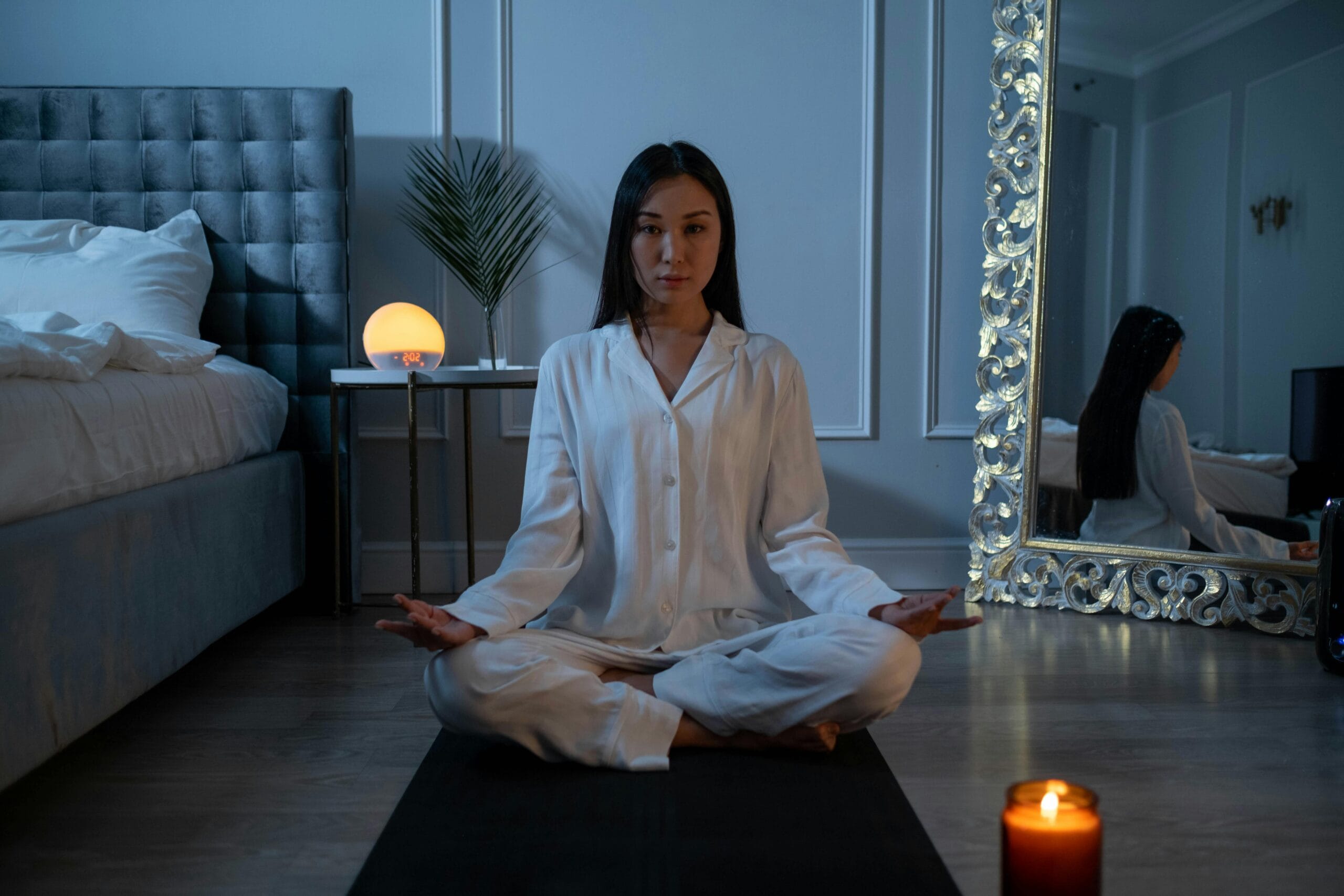
Relaxation techniques are powerful tools for calming anxiety at night. These methods help reduce stress and promote relaxation, making it easier to fall asleep and stay asleep. Among the most effective relaxation techniques for nighttime anxiety are deep breathing exercises, progressive muscle relaxation, and mindfulness meditation.
- Deep Breathing Exercises: Deep breathing can help calm the body and mind. Focus on taking slow, deep breaths in through your nose and out through your mouth, feeling your body relax with each exhalation.
- Progressive Muscle Relaxation: This technique involves tensing and relaxing different muscle groups in your body. Start with your toes and work your way up to your head, holding each muscle group for a few seconds before releasing.
- Mindfulness Meditation: Mindfulness meditation involves focusing on the present moment, without judgment. You can use guided meditations to help you get started, focusing on your breath, body sensations, or a mantra to keep your mind present.
These relaxation techniques can be practiced at any time, but they are particularly useful as part of a bedtime routine to signal to your body that it’s time to sleep. Consistency is key, so try to incorporate these practices into your daily routine, especially in the hours leading up to bedtime.
Lifestyle Changes to Reduce Nighttime Anxiety
Making certain lifestyle changes can significantly impact your ability to manage nighttime anxiety. This includes adjustments to your diet, exercise routine, and daily schedule. A healthy lifestyle can help reduce overall stress levels and improve sleep quality.
A balanced diet that includes plenty of fruits, vegetables, whole grains, and lean proteins can help support mental health. Additionally, regular physical activity, such as walking or yoga, can reduce anxiety by releasing endorphins, which are natural mood boosters. However, it’s essential to avoid vigorous exercise within a few hours of bedtime, as it can actually interfere with sleep.
Establishing a Bedtime Routine
Establishing a consistent bedtime routine can help signal to your body that it’s time to sleep, reducing anxiety and making it easier to fall asleep. This routine can include activities like reading a book, taking a warm bath, or practicing gentle stretches.
- Consistency is Key: Go to bed and wake up at the same time every day, including weekends, to establish a regular sleep schedule.
- Create a Sleep-Conducive Environment: Make your bedroom a sleep haven by ensuring it is dark, quiet, and at a comfortable temperature.
- Limit Screen Time Before Bed: The blue light emitted by smartphones, tablets, and computers can suppress the production of melatonin, the hormone that regulates sleep. Try to avoid screens for at least an hour before bedtime.


The Role of Mindfulness and Meditation
Mindfulness and meditation are powerful tools for reducing anxiety, including nighttime anxiety. These practices help you stay present, reducing worries about the future or regrets about the past. Regular mindfulness and meditation practice can lead to better sleep quality and reduced symptoms of anxiety.
Guided meditations are a great way to get started, as they provide a gentle and soothing voice to lead you through the meditation process. You can find guided meditations specifically designed for sleep and anxiety on various apps and websites.
Seeking Professional Help
While the strategies outlined in this article can be incredibly helpful for managing nighttime anxiety, it’s also important to recognize when professional help is needed. If your anxiety is severe, interferes with your daily life, or if you’re experiencing thoughts of self-harm, it’s crucial to seek help from a mental health professional.
A therapist or counselor can provide you with personalized strategies and support to manage your anxiety. They can also help you address any underlying issues that may be contributing to your anxiety. Additionally, support groups can provide a sense of community and understanding, helping you feel less alone in your struggles.
Conclusion to Calming Anxiety at Night
In conclusion, calming anxiety at night without medication is achievable through a combination of relaxation techniques, lifestyle changes, and professional help when needed. It’s about finding what works for you and being consistent in your approach.
Frequently Asked Questions
Question 1: What if I’ve tried everything and still can’t sleep due to anxiety?
If you’ve tried various strategies and still struggle with sleep due to anxiety, it may be helpful to consult with a healthcare professional for further guidance and support.
Question 2: Can anxiety at night be a sign of an underlying condition?
Yes, nighttime anxiety can sometimes be a symptom of an underlying condition, such as a sleep disorder, depression, or another mental health issue. If you’re concerned, it’s best to speak with a healthcare professional.
Question 3: How long does it take to see results from practicing relaxation techniques for anxiety?
The time it takes to see results from practicing relaxation techniques can vary. Some people may experience relief from anxiety symptoms immediately, while for others, it may take a few weeks of regular practice to notice significant improvements.
Key Takeaways
In summary, managing nighttime anxiety without medication involves a holistic approach that includes understanding your anxiety, practicing relaxation techniques, making lifestyle changes, and seeking professional help when necessary. By applying these strategies, you can improve your sleep quality and reduce your anxiety levels.
- Understand and identify your personal triggers for nighttime anxiety.
- Practice relaxation techniques such as deep breathing, progressive muscle relaxation, and mindfulness meditation.
- Make lifestyle changes including dietary adjustments, regular exercise, and establishing a consistent bedtime routine.
- Consider seeking professional help if your anxiety is severe or interferes with your daily life.
- Be patient and consistent, as finding what works for you may take some time.
If you’re struggling with nighttime anxiety, remember that you’re not alone, and there is hope for relief. By taking small steps towards managing your anxiety and prioritizing your mental health, you can start sleeping better and waking up feeling more refreshed and prepared to face the day. Don’t hesitate to reach out for support, and remember, calming anxiety at night without medication is possible with the right approach and mindset.
Resources
- National Alliance on Mental Illness (NAMI) Helpline: 1-800-950-6264 (Monday through Friday, 10 a.m.–6 p.m. ET)
- Crisis Text Line: Text HOME to 741741 (24/7 free, confidential support)
- Anxiety and Depression Association of America (ADAA): [www.adaa.org](http://www.adaa.org) (resources, support, and information on anxiety and depression)
Disclaimer: This article is for informational purposes only and does not constitute medical advice. Always consult with qualified healthcare professionals for diagnosis and treatment of anxiety disorders.