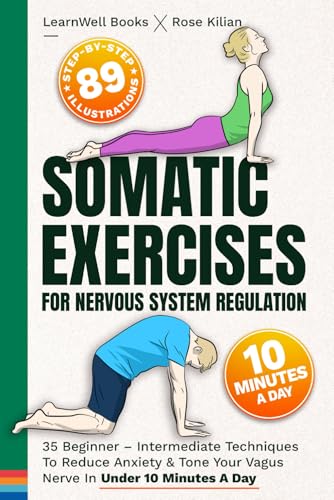


Are you tired of living in survival mode, constantly feeling on edge and struggling to find a sense of safety and security? You’re not alone. According to the National Institute of Mental Health, millions of people experience anxiety and stress that can trigger a state of survival mode, making it difficult to feel safe and in control. Getting out of survival mode requires a combination of self-care, stress management, and intentional practices to help you feel grounded and secure. In this article, we’ll explore how to break free from survival mode and cultivate a sense of safety and well-being.
Survival mode is a state of being that is characterized by feelings of hypervigilance, anxiety, and stress. It’s a natural response to perceived threats or dangers, but when it becomes a chronic state, it can be debilitating and affect every aspect of life. To get out of survival mode, it’s essential to understand what triggers it and develop strategies to manage stress and anxiety. Throughout this article, we’ll discuss various techniques and practices to help you feel safe again and move out of survival mode.
As we delve into the topic of survival mode and safety, it’s crucial to remember that everyone’s experience is unique, and what works for one person may not work for another. Therefore, it’s essential to approach this topic with compassion, empathy, and an open mind. By the end of this article, you’ll have a better understanding of how to get out of survival mode and cultivate a sense of safety and well-being.
Understanding Survival Mode and Its Triggers
Survival mode is a state of being that is characterized by the body’s “fight or flight” response. This response is triggered by the release of stress hormones, such as adrenaline and cortisol, which prepare the body to either confront or flee from a perceived threat. While this response is necessary for survival in emergency situations, it can become a chronic state if the body is constantly exposed to stress and anxiety. To get out of survival mode, it’s essential to identify and address the underlying triggers that contribute to this state.
Common triggers of survival mode include trauma, stress, anxiety, and uncertainty. These triggers can be internal, such as negative self-talk or self-doubt, or external, such as a toxic work environment or abusive relationship. By understanding the triggers of survival mode, you can develop targeted strategies to manage stress and anxiety and cultivate a sense of safety and well-being.
Recognizing the Signs of Survival Mode
So, how do you know if you’re in survival mode? Common signs include feelings of hypervigilance, anxiety, and stress, as well as physical symptoms such as insomnia, digestive problems, and chronic pain. You may also experience emotional symptoms, such as mood swings, irritability, and depression. By recognizing these signs, you can take the first step towards getting out of survival mode and cultivating a sense of safety and well-being.
- Sign 1: Feelings of hypervigilance and anxiety
- Sign 2: Physical symptoms, such as insomnia and digestive problems
- Sign 3: Emotional symptoms, such as mood swings and irritability
Strategies for Managing Stress and Anxiety
Managing stress and anxiety is crucial for getting out of survival mode. This can be achieved through a combination of self-care practices, stress management techniques, and intentional activities that promote relaxation and calmness. Some effective strategies for managing stress and anxiety include meditation, deep breathing, and yoga. These practices can help calm the mind and body, reducing feelings of hypervigilance and anxiety.
- Step 1: Start with short meditation sessions, focusing on the breath and letting go of distracting thoughts
- Step 2: Practice deep breathing exercises, inhaling deeply through the nose and exhaling slowly through the mouth
- Step 3: Engage in physical activities, such as yoga or walking, to release tension and promote relaxation
Additionally, it’s essential to prioritize self-care and engage in activities that bring joy and fulfillment. This can include hobbies, creative pursuits, or spending time with loved ones. By prioritizing self-care and managing stress and anxiety, you can reduce feelings of hypervigilance and anxiety, making it easier to get out of survival mode.
Cultivating a Sense of Safety and Well-being
Cultivating a sense of safety and well-being is essential for getting out of survival mode. This can be achieved through a combination of intentional practices, self-care activities, and environmental changes. Some effective strategies for cultivating a sense of safety and well-being include creating a safe and comfortable living space, establishing a daily routine, and practicing self-compassion.
Creating a safe and comfortable living space can help reduce feelings of anxiety and stress, making it easier to relax and feel calm. This can be achieved by decluttering your living space, using calming colors and textures, and incorporating soothing sounds and scents. By creating a safe and comfortable living space, you can cultivate a sense of safety and well-being, making it easier to get out of survival mode.
Practicing Self-Compassion and Self-Care
Practicing self-compassion and self-care is essential for cultivating a sense of safety and well-being. This can be achieved by treating yourself with kindness, understanding, and patience, just as you would a close friend. Some effective strategies for practicing self-compassion and self-care include writing yourself a kind letter, taking a relaxing bath, or engaging in a creative activity. By practicing self-compassion and self-care, you can cultivate a sense of safety and well-being, making it easier to get out of survival mode.
- Strategy 1: Write yourself a kind letter, acknowledging your strengths and accomplishments
- Strategy 2: Take a relaxing bath, using soothing essential oils and calming music
- Strategy 3: Engage in a creative activity, such as painting or drawing, to express yourself and tap into your imagination
Building a Support Network
Building a support network is crucial for getting out of survival mode. This can be achieved by surrounding yourself with positive, supportive people who understand and care about you. Some effective strategies for building a support network include joining a social group or club, volunteering, or attending therapy sessions. By building a support network, you can cultivate a sense of safety and well-being, making it easier to get out of survival mode.
Additionally, it’s essential to prioritize communication and set healthy boundaries with others. This can be achieved by expressing your needs and feelings clearly, listening actively, and being assertive. By prioritizing communication and setting healthy boundaries, you can build strong, supportive relationships that help you feel safe and supported.
Creating a Daily Routine
Creating a daily routine can help reduce feelings of anxiety and stress, making it easier to get out of survival mode. This can be achieved by establishing a consistent schedule, prioritizing self-care activities, and incorporating relaxing and calming activities. Some effective strategies for creating a daily routine include waking up at the same time every day, practicing meditation or yoga, and engaging in a creative activity.
- Step 1: Establish a consistent wake-up time, allowing yourself to wake up feeling refreshed and energized
- Step 2: Prioritize self-care activities, such as meditation or yoga, to reduce stress and anxiety
- Step 3: Incorporate relaxing and calming activities, such as reading or listening to music, to unwind and relax
By creating a daily routine, you can cultivate a sense of structure and predictability, making it easier to feel safe and in control. Additionally, prioritizing self-care activities and incorporating relaxing and calming activities can help reduce feelings of anxiety and stress, making it easier to get out of survival mode.
Seeking Professional Help
Seeking professional help is an essential step in getting out of survival mode. This can be achieved by consulting with a therapist, counselor, or psychologist who can provide guidance, support, and treatment. Some effective strategies for seeking professional help include researching local therapists, asking for referrals, and being open and honest about your feelings and experiences.
Additionally, it’s essential to prioritize your mental health and well-being by seeking help when needed. This can be achieved by acknowledging your strengths and weaknesses, being kind and compassionate towards yourself, and taking care of your physical and emotional needs. By seeking professional help and prioritizing your mental health and well-being, you can cultivate a sense of safety and well-being, making it easier to get out of survival mode.
Frequently Asked Questions
Question 1: What is survival mode, and how does it affect my life?
Survival mode is a state of being that is characterized by feelings of hypervigilance, anxiety, and stress. It can affect every aspect of life, including relationships, work, and overall well-being.
Question 2: How can I get out of survival mode and feel safe again?
Getting out of survival mode requires a combination of self-care, stress management, and intentional practices to help you feel grounded and secure. This can include meditation, deep breathing, yoga, and prioritizing self-care activities.
Question 3: What role does self-compassion play in getting out of survival mode?
Self-compassion plays a crucial role in getting out of survival mode. By treating yourself with kindness, understanding, and patience, you can cultivate a sense of safety and well-being, making it easier to get out of survival mode.
Question 4: How can I build a support network to help me get out of survival mode?
Building a support network can be achieved by surrounding yourself with positive, supportive people who understand and care about you. This can include joining a social group or club, volunteering, or attending therapy sessions.
Question 5: What are some strategies for creating a daily routine to help me get out of survival mode?
Creating a daily routine can help reduce feelings of anxiety and stress, making it easier to get out of survival mode. This can include establishing a consistent schedule, prioritizing self-care activities, and incorporating relaxing and calming activities.
Key Takeaways
In conclusion, getting out of survival mode requires a combination of self-care, stress management, and intentional practices to help you feel grounded and secure. By understanding the triggers of survival mode, managing stress and anxiety, and cultivating a sense of safety and well-being, you can break free from the cycle of survival mode and live a more fulfilling life.
- Identify and address the underlying triggers of survival mode
- Manage stress and anxiety through self-care and relaxation techniques
- Cultivate a sense of safety and well-being through intentional practices and environmental changes
- Build a support network to help you feel safe and supported
- Seek professional help when needed to prioritize your mental health and well-being
If you’re struggling to get out of survival mode, remember that you’re not alone. There are many resources available to help you, including therapy, support groups, and online resources. By taking the first step towards seeking help and prioritizing your mental health and well-being, you can cultivate a sense of safety and well-being, making it easier to get out of survival mode and live a more fulfilling life. So, take a deep breath, be kind to yourself, and remember that you are capable of getting out of survival mode and feeling safe again.
Resources
- SAMHSA National Helpline: 1-800-662-4357 (24/7 free, confidential support)
- National Alliance on Mental Illness (NAMI): [Brief description]
- Crisis Text Line: Text “HOME” to 741741 (24/7 free, confidential support)
- Local Therapists and Support Groups: [Brief description]
Disclaimer: This article is for informational purposes only and does not constitute medical advice. Always consult with qualified healthcare professionals for diagnosis and treatment of mental health conditions. By prioritizing your mental health and well-being, you can cultivate a sense of safety and well-being, making it easier to get out of survival mode and live a more fulfilling life.