
Did you know that approximately 31.1% of the U.S. population experiences an anxiety disorder at some point in their lifetime? High-functioning anxiety, in particular, affects many individuals who may appear to be thriving on the surface but are secretly struggling with overwhelming worry and fear. In this article, we will delve into the world of high-functioning anxiety, exploring what it is, its symptoms, and most importantly, how to manage it.
High-functioning anxiety is a term used to describe individuals who, despite experiencing significant anxiety, are still able to function and excel in their daily lives. They may hold successful careers, maintain strong relationships, and engage in various activities, all while hiding their internal struggles. However, this mask of confidence and competence can be exhausting to maintain, and if left unaddressed, high-functioning anxiety can lead to burnout, depression, and other mental health issues.
As we navigate the complexities of high-functioning anxiety, it’s essential to understand that seeking help is a sign of strength, not weakness. Therefore, let’s dive into the main content of this article, where we will discuss the symptoms, causes, and management strategies for high-functioning anxiety.
Understanding High-Functioning Anxiety: Symptoms and Signs
High-functioning anxiety can manifest in different ways, making it challenging to identify. Some common symptoms include excessive worry, fear of failure, perfectionism, and an intense need for control. Individuals with high-functioning anxiety may also experience physical symptoms such as headaches, stomach problems, and sleep disturbances.
Additionally, people with high-functioning anxiety often engage in coping mechanisms like overworking, substance use, or people-pleasing to manage their anxiety. However, these strategies can provide temporary relief at best and may even exacerbate the issue in the long run.
Recognizing the Mask of High-Functioning Anxiety
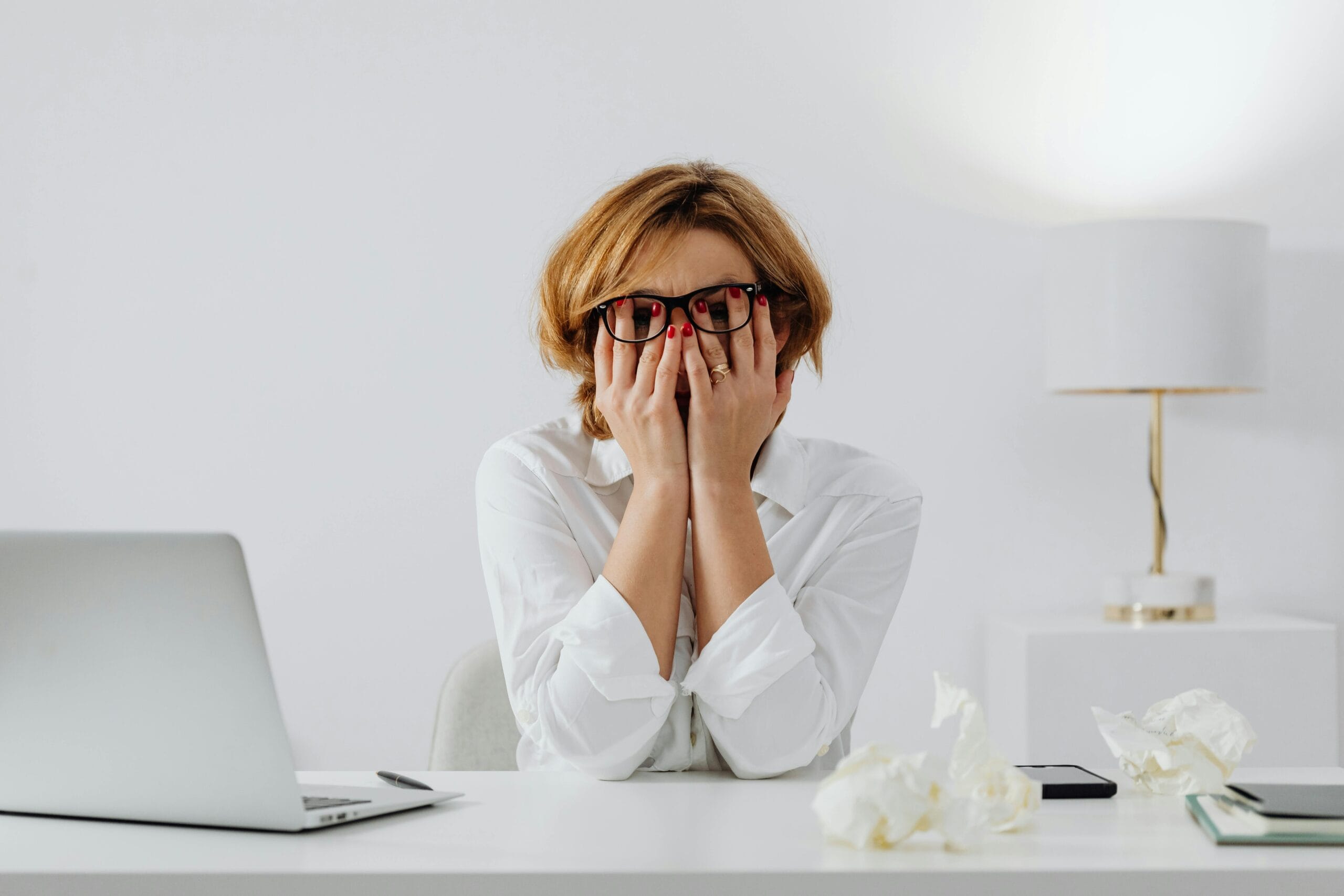
It’s crucial to recognize the mask that individuals with high-functioning anxiety wear. They may appear confident, outgoing, and successful, but beneath the surface, they may be struggling with self-doubt, fear, and anxiety. By acknowledging this disparity, we can begin to understand the complexities of high-functioning anxiety and develop effective management strategies.
- Physical symptoms: Headaches, stomach problems, sleep disturbances
- Emotional symptoms: Excessive worry, fear of failure, perfectionism
- Coping mechanisms: Overworking, substance use, people-pleasing
The Causes of High-Functioning Anxiety
High-functioning anxiety can arise from a combination of genetic, environmental, and psychological factors. Traumatic experiences, societal pressure, and unrealistic expectations can all contribute to the development of high-functioning anxiety. Furthermore, individuals with a family history of anxiety disorders may be more prone to experiencing high-functioning anxiety.
It’s essential to understand that high-functioning anxiety is not a sign of weakness, but rather a sign that something needs to change. By acknowledging the causes of high-functioning anxiety, we can begin to develop effective management strategies and work towards a more balanced, fulfilling life.
Management Strategies for High-Functioning Anxiety
Managing high-functioning anxiety requires a multi-faceted approach that incorporates self-care, stress management, and professional help. Some effective strategies include mindfulness practices, exercise, and cognitive-behavioral therapy (CBT). Additionally, setting realistic goals, prioritizing tasks, and learning to say “no” can help individuals with high-functioning anxiety regain control over their lives.
- Mindfulness practices: Meditation, deep breathing, yoga
- Exercise: Regular physical activity, such as walking or jogging
- Cognitive-behavioral therapy (CBT): Working with a therapist to identify and challenge negative thought patterns
The Importance of Self-Care in Managing High-Functioning Anxiety
Self-care is essential for managing high-functioning anxiety. Engaging in activities that bring joy and relaxation, such as reading, listening to music, or spending time in nature, can help individuals with high-functioning anxiety reduce their stress levels and improve their overall well-being. Additionally, setting boundaries, prioritizing sleep, and maintaining a healthy diet can also contribute to a more balanced life.
By incorporating self-care into daily life, individuals with high-functioning anxiety can begin to break free from the cycle of anxiety and develop a more positive, compassionate relationship with themselves.
Seeking Professional Help for High-Functioning Anxiety
While self-care and stress management are essential for managing high-functioning anxiety, seeking professional help is often necessary for long-term recovery. A mental health professional can help individuals with high-functioning anxiety develop personalized coping strategies, work through underlying issues, and improve their overall mental health.
Don’t be afraid to reach out for help – it’s a sign of strength, not weakness. By seeking professional help, individuals with high-functioning anxiety can begin to heal, grow, and develop a more fulfilling life.
Frequently Asked Questions
Question 1: What is the difference between high-functioning anxiety and normal anxiety?
High-functioning anxiety is characterized by the ability to function and excel in daily life despite experiencing significant anxiety, whereas normal anxiety is a common, temporary feeling that does not interfere with daily life.
Question 2: Can high-functioning anxiety be treated?
Yes, high-functioning anxiety can be treated with a combination of self-care, stress management, and professional help, such as therapy and medication.
Question 3: How can I help a loved one with high-functioning anxiety?
Offering emotional support, encouraging self-care, and helping your loved one seek professional help can all be beneficial in supporting their recovery.
Question 4: What are some common misconceptions about high-functioning anxiety?
Common misconceptions include the idea that high-functioning anxiety is not a “real” anxiety disorder, or that individuals with high-functioning anxiety are simply “stressed” or “worriers.”
Question 5: Can high-functioning anxiety be prevented?
While high-functioning anxiety may not be entirely preventable, practicing stress management, self-care, and seeking help when needed can reduce the risk of developing high-functioning anxiety.
Key Takeaways
In conclusion, high-functioning anxiety is a complex issue that requires a comprehensive approach to management. By understanding the symptoms, causes, and management strategies for high-functioning anxiety, individuals can begin to break free from the cycle of anxiety and develop a more fulfilling life.
- High-functioning anxiety is a real anxiety disorder that requires professional help
- Self-care and stress management are essential for managing high-functioning anxiety
- Seeking professional help is often necessary for long-term recovery
- High-functioning anxiety can be treated with a combination of therapy, medication, and lifestyle changes
- Support from loved ones and mental health professionals is crucial for recovery
If you or someone you know is struggling with high-functioning anxiety, don’t hesitate to reach out for help. Remember, seeking help is a sign of strength, not weakness. By taking the first step towards recovery, you can begin to heal, grow, and develop a more fulfilling life, free from the grip of high-functioning anxiety.
Lastly, always keep in mind that high-functioning anxiety is manageable, and with the right support, you can learn to thrive, not just survive.
Resources
- National Alliance on Mental Illness (NAMI) Helpline: 1-800-950-6264 (Monday – Friday, 10am – 6pm ET)
- Anxiety and Depression Association of America (ADAA): [www.adaa.org](http://www.adaa.org)
- Crisis Text Line: Text “HOME” to 741741 (24/7 free, confidential support)
- SAMHSA National Helpline: 1-800-662-4357 (24/7 free, confidential support)
Disclaimer: This article is for informational purposes only and does not constitute medical advice. Always consult with qualified healthcare professionals for diagnosis and treatment of anxiety disorders.