

Did you know that nearly 1 in 5 adults in the United States experience mental illness each year, with many struggling to manage their emotions without losing control? Learning how to feel your emotions without losing control is a crucial aspect of maintaining good mental health. In this article, we will explore the importance of emotional regulation and provide you with practical strategies to manage your emotions effectively, focusing on the concept of feeling your emotions without losing control.
Emotional regulation is the ability to recognize, understand, and manage your emotions in a healthy way. When you are able to feel your emotions without losing control, you can improve your relationships, make better decisions, and enhance your overall well-being. However, for many people, emotions can be overwhelming, leading to feelings of anxiety, depression, or even substance abuse. Therefore, it is essential to develop skills that enable you to navigate your emotions without losing control.
In the following sections, we will delve into the world of emotional regulation, exploring topics such as understanding your emotions, recognizing emotional triggers, and developing effective coping strategies. We will also discuss the importance of self-care, mindfulness, and seeking support from others. By the end of this article, you will have a comprehensive understanding of how to feel your emotions without losing control and will be equipped with the tools to manage your emotions in a healthy and constructive way.


Understanding Your Emotions
The first step in feeling your emotions without losing control is to understand what you are feeling. This involves developing emotional awareness, which is the ability to recognize and identify your emotions. To do this, take time to reflect on your emotions, asking yourself questions like “What am I feeling right now?” or “Why am I feeling this way?”
Emotional awareness is critical because it allows you to acknowledge and accept your emotions, rather than trying to suppress or deny them. When you understand your emotions, you can begin to develop strategies to manage them in a healthy way. For example, if you are feeling anxious, you can use relaxation techniques such as deep breathing or progressive muscle relaxation to calm yourself down.
Identifying Emotional Triggers
Another important aspect of understanding your emotions is identifying your emotional triggers. Emotional triggers are people, places, or situations that can cause you to feel a certain way. By recognizing your triggers, you can prepare yourself for situations that may be challenging and develop strategies to cope with them. For instance, if you know that a particular person or situation tends to make you feel angry, you can take steps to avoid or manage that trigger.
- Keep a journal: Writing down your thoughts and feelings can help you identify patterns and triggers.
- Talk to a therapist: A mental health professional can help you explore your emotions and develop strategies to manage them.
- Practice self-reflection: Take time to reflect on your emotions and thoughts, asking yourself questions like “What am I feeling?” or “Why am I feeling this way?”
Developing Effective Coping Strategies
Once you have a better understanding of your emotions and triggers, you can start developing effective coping strategies. Coping strategies are techniques that help you manage your emotions in a healthy way. There are many different coping strategies, and what works for one person may not work for another. However, some common strategies include exercise, mindfulness, and creative activities like art or music.
Exercise is a great way to manage emotions because it releases endorphins, which are chemicals that improve your mood. Mindfulness, on the other hand, involves being present in the moment and focusing on your thoughts and feelings without judgment. Creative activities can provide an outlet for emotions, allowing you to express yourself in a healthy and constructive way.
- Start small: Begin with short periods of exercise or mindfulness practice and gradually increase as you become more comfortable.
- Find what works for you: Experiment with different coping strategies to find what works best for you.
- Make it a habit: Incorporate your coping strategies into your daily routine, so they become a natural part of your life.


The Importance of Self-Care
Self-care is an essential aspect of feeling your emotions without losing control. Self-care involves taking care of your physical, emotional, and mental health. When you prioritize self-care, you are better equipped to manage your emotions and navigate challenging situations. Self-care can include activities like getting enough sleep, eating a healthy diet, and engaging in relaxing activities like reading or taking a bath.
Self-care is not selfish; it is necessary for maintaining good mental health. By taking care of yourself, you can improve your relationships, increase your productivity, and enhance your overall well-being. Remember, self-care is not a luxury; it is a necessity.
Prioritizing Self-Care
Prioritizing self-care involves making time for activities that nourish your mind, body, and spirit. This can be challenging, especially when you have a busy schedule or multiple responsibilities. However, it is essential to remember that self-care is not a luxury; it is a necessity. By prioritizing self-care, you can improve your mental health and well-being, leading to a more fulfilling and meaningful life.
- Schedule self-care: Treat self-care as a non-negotiable part of your daily routine.
- Learn to say no: Set boundaries and prioritize your own needs.
- Seek support: Surround yourself with people who support and encourage you.
Mindfulness and Emotional Regulation
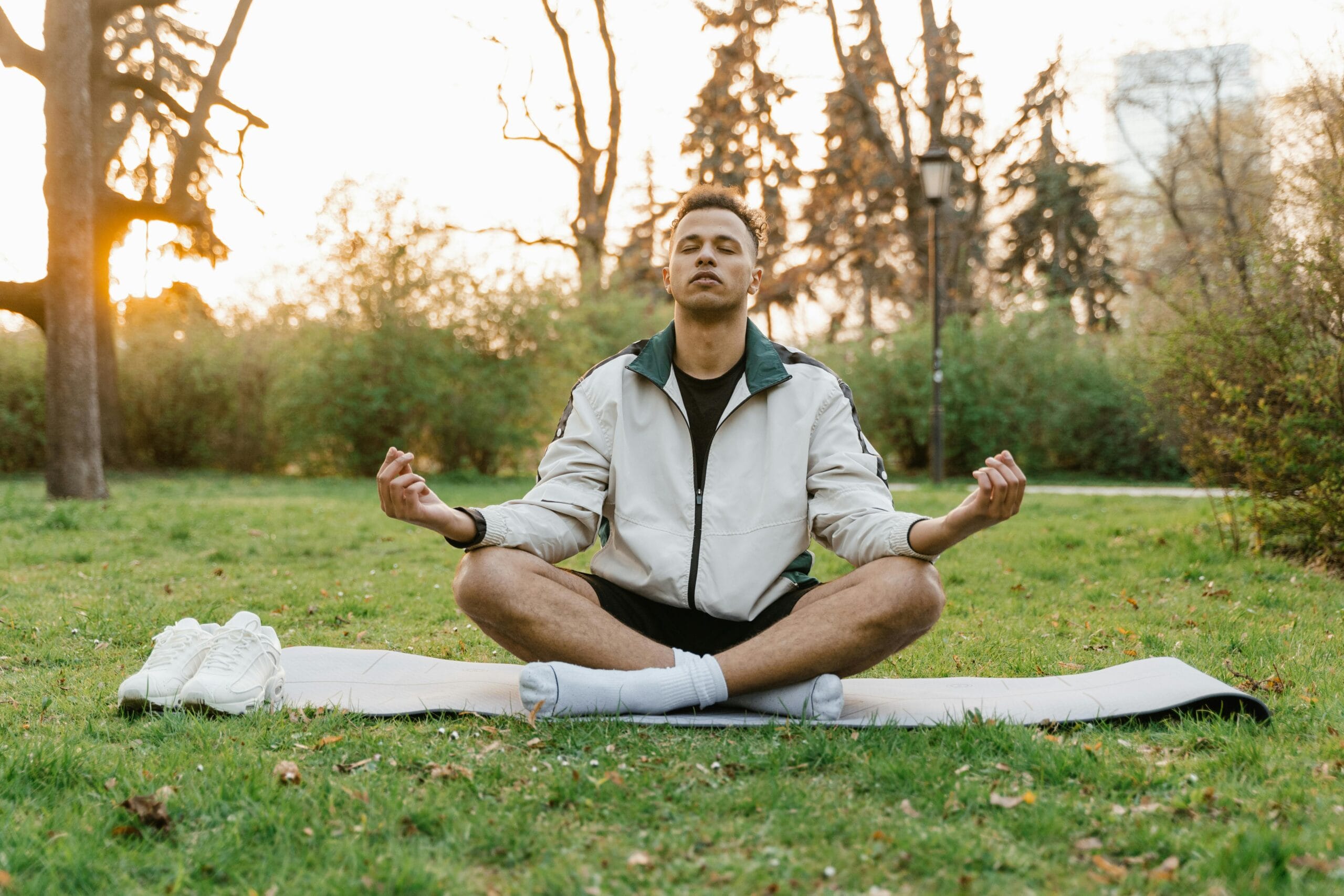
Mindfulness is a powerful tool for emotional regulation. Mindfulness involves being present in the moment, focusing on your thoughts and feelings without judgment. By practicing mindfulness, you can develop a greater awareness of your emotions and learn to manage them in a healthy way. Mindfulness can be practiced through meditation, deep breathing, or other activities that promote relaxation and calmness.
Mindfulness is not just about relaxation; it is about developing a greater understanding of yourself and your emotions. By practicing mindfulness, you can improve your emotional regulation, leading to better relationships, improved mental health, and a more fulfilling life.
Seeking Support
Finally, seeking support is a critical aspect of feeling your emotions without losing control. Seeking support involves reaching out to others for help, whether it is a friend, family member, or mental health professional. By seeking support, you can gain a new perspective on your emotions, develop coping strategies, and improve your mental health.
Seeking support is a sign of strength, not weakness. It takes courage to admit that you need help, and seeking support is a brave and important step towards managing your emotions and improving your mental health.
Frequently Asked Questions
Question 1: What is emotional regulation?
Emotional regulation is the ability to recognize, understand, and manage your emotions in a healthy way.
Question 2: How can I develop emotional awareness?
Developing emotional awareness involves recognizing and identifying your emotions, which can be achieved through self-reflection, journaling, or talking to a therapist.
Question 3: What are some effective coping strategies for managing emotions?
Effective coping strategies include exercise, mindfulness, and creative activities like art or music.
Question 4: Why is self-care important for emotional regulation?
Self-care is essential for emotional regulation because it involves taking care of your physical, emotional, and mental health, which can improve your ability to manage your emotions.
Question 5: How can I prioritize self-care in my busy life?
Prioritizing self-care involves scheduling self-care, learning to say no, and seeking support from others.
Key Takeaways
In this article, we have explored the importance of feeling your emotions without losing control. We have discussed the importance of emotional regulation, developing emotional awareness, and effective coping strategies. We have also emphasized the importance of self-care, mindfulness, and seeking support from others.
- Develop emotional awareness by recognizing and identifying your emotions.
- Develop effective coping strategies, such as exercise, mindfulness, and creative activities.
- Prioritize self-care by scheduling self-care, learning to say no, and seeking support from others.
- Practice mindfulness to improve emotional regulation and develop a greater understanding of yourself and your emotions.
- Seek support from others, whether it is a friend, family member, or mental health professional.
If you are struggling to manage your emotions, remember that you are not alone. There are many resources available to help you, including mental health professionals, support groups, and online resources. By taking the first step and seeking help, you can begin to develop the skills and strategies you need to feel your emotions without losing control.
Remember, feeling your emotions without losing control is a journey, and it takes time, patience, and practice. However, with the right tools and support, you can develop the skills and strategies you need to manage your emotions in a healthy and constructive way. So, take the first step today, and start feeling your emotions without losing control.
Resources
- SAMHSA National Helpline: 1-800-662-4357 (24/7 free, confidential support)
- National Alliance on Mental Illness (NAMI) Helpline: 1-800-950-6264 (Monday – Friday, 10am – 6pm EST)
- Crisis Text Line: Text HOME to 741741 (24/7 free, confidential support)
- Substance Abuse and Mental Health Services Administration (SAMHSA) Treatment Locator: https://findtreatment.samhsa.gov/ (online treatment locator)
Disclaimer: This article is for informational purposes only and does not constitute medical advice. Always consult with qualified healthcare professionals for diagnosis and treatment of mental health conditions.