

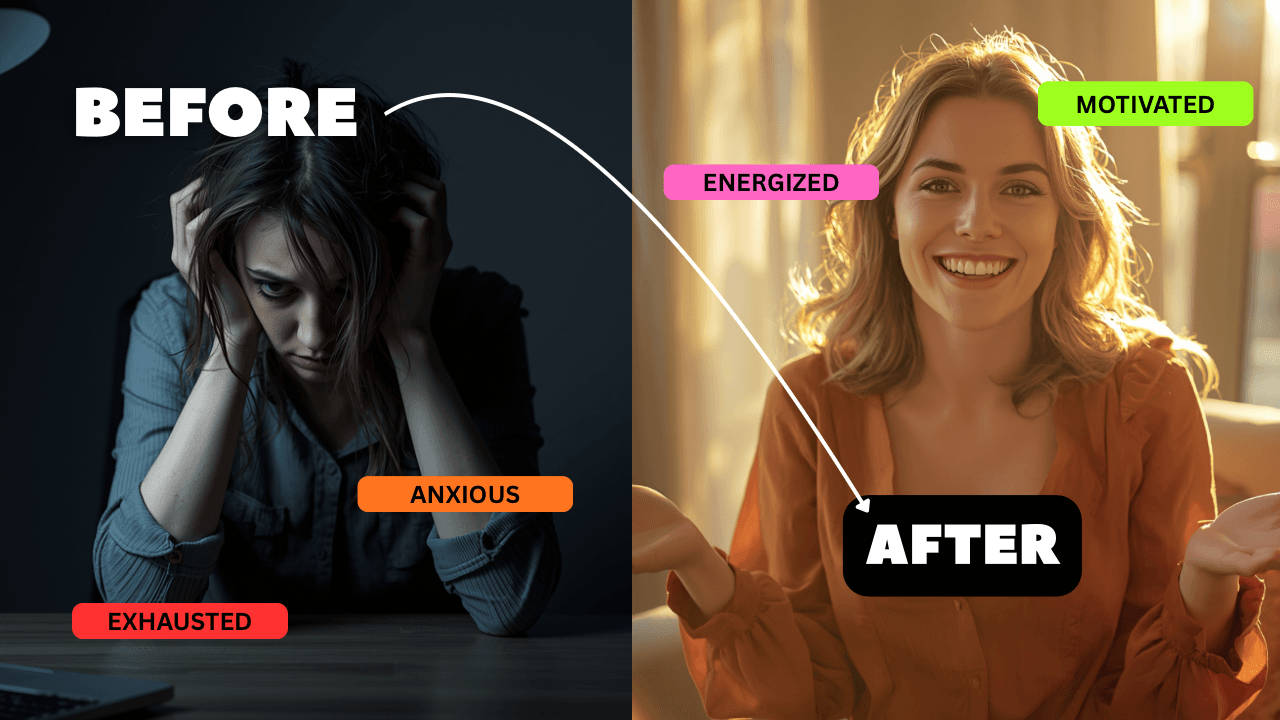
Mental wellness is a crucial aspect of overall health, with 1 in 4 people experiencing a mental health issue each year. Incorporating daily habits for long-term mental wellness can significantly improve one’s quality of life. In this article, we will explore the best daily habits for maintaining and improving mental wellness, focusing on mental wellness as a core concept.
Developing healthy habits is key to achieving long-term mental wellness. By making small changes to daily routines, individuals can cultivate a strong foundation for mental health. This article will cover various aspects of mental wellness, including stress management, self-care, and social connections. By understanding the importance of these factors, individuals can take proactive steps towards maintaining their mental well-being.
Transitioning into the main content, we will delve into the specifics of daily habits that promote mental wellness. From mindfulness practices to physical activity, we will explore the most effective ways to support mental health. By incorporating these habits into daily life, individuals can experience significant improvements in their overall mental wellness.
Establishing a Morning Routine for Mental Wellness
Starting the day on a positive note is essential for setting the tone for mental wellness. A consistent morning routine can help regulate mood, energy, and focus. This can include activities such as meditation, journaling, or simply taking a few minutes to breathe and stretch.
A well-structured morning routine can have a significant impact on mental health. By prioritizing self-care and mindfulness, individuals can better navigate the challenges of the day. Additionally, a morning routine can help establish a sense of control and purpose, which is essential for maintaining mental wellness.
Creating a Personalized Morning Routine
Developing a personalized morning routine involves considering individual needs and preferences. This can include activities such as:
- Mindfulness meditation: Taking a few minutes to focus on breath and calm the mind
- Journaling: Writing down thoughts, feelings, and intentions for the day
- Physical activity: Engaging in light exercise, such as yoga or stretching
The Importance of Physical Activity for Mental Wellness
Regular physical activity is a crucial component of mental wellness. Exercise has been shown to reduce symptoms of anxiety and depression, improve mood, and enhance cognitive function. By incorporating physical activity into daily routines, individuals can experience significant improvements in their mental health.
Physical activity can take many forms, from walking and jogging to swimming and cycling. The key is to find an activity that is enjoyable and sustainable, making it easier to maintain a consistent routine. Additionally, exercising with others can provide social support and accountability, further enhancing mental wellness.
- Find an enjoyable activity: Engage in physical activities that bring joy and make exercise feel less like a chore
- Start small: Begin with short, manageable sessions and gradually increase duration and intensity
- Make it a habit: Incorporate physical activity into daily routines, such as immediately after waking up or during lunch breaks
Nutrition and Mental Wellness: The Importance of a Balanced Diet
A healthy, balanced diet is essential for maintaining mental wellness. A diet rich in whole foods, fruits, vegetables, and lean proteins can provide the necessary nutrients for optimal brain function. Conversely, a diet high in processed and sugary foods can have negative effects on mental health.
Developing healthy eating habits involves being mindful of food choices and avoiding excessive consumption of unhealthy foods. This can include activities such as meal planning, grocery shopping, and cooking at home. By prioritizing nutrition, individuals can support their mental health and overall well-being.
Strategies for Healthy Eating
Implementing healthy eating habits can be challenging, but there are several strategies that can help. These include:
- Meal planning: Planning and preparing meals in advance to ensure healthy food choices
- Grocery shopping: Focusing on whole foods and avoiding processed and sugary items
- Cooking at home: Preparing meals at home using fresh, healthy ingredients
Stress Management Techniques for Mental Wellness
Stress is a common experience that can have significant effects on mental health. Effective stress management techniques are essential for maintaining mental wellness. These can include activities such as meditation, deep breathing, and yoga.
By incorporating stress management techniques into daily routines, individuals can better navigate challenging situations and reduce symptoms of anxiety and depression. This can involve setting aside time each day for relaxation and self-care, prioritizing activities that bring joy and calmness.
Additional Stress Management Strategies
There are several additional strategies that can help manage stress and support mental wellness. These include:
- Time management: Prioritizing tasks and managing time effectively to reduce stress and increase productivity
- Boundary setting: Establishing healthy boundaries with others to protect time and energy
- Seeking social support: Connecting with friends, family, or a therapist for emotional support and guidance
The Role of Sleep in Maintaining Mental Wellness
Sleep is a critical component of mental wellness, with significant effects on mood, cognitive function, and overall health. Prioritizing sleep and establishing a consistent sleep routine can help regulate mental health and reduce symptoms of anxiety and depression.
Developing healthy sleep habits involves creating a sleep-conducive environment, avoiding stimulating activities before bedtime, and establishing a consistent sleep schedule. By prioritizing sleep, individuals can support their mental health and overall well-being.
Strategies for Improving Sleep
Implementing healthy sleep habits can be challenging, but there are several strategies that can help. These include:
- Creating a sleep-conducive environment: Making the bedroom a sleep-friendly space by ensuring it is dark, quiet, and cool
- Avoiding stimulating activities before bedtime: Avoiding screens, exercise, and other stimulating activities before bedtime
- Establishing a consistent sleep schedule: Going to bed and waking up at the same time each day, including weekends

- Simulate sunrise, gentle wake-up: simulate the sunrise process 10-60 min before the alarm setting time, the sunrise ligh…
- Dual Alarm Clock & Unlimited Snooze: The sunrise alarm clock has 10 wake-up sounds and 32 levels works and 3 date settin…
- 30 Sleep Sounds & 17 Lights:The White Noise Sound Machine is with 30 sleep sounds (rain, Waves, fire crackle) with clear…

- [Up to 16,000 Lux] Wake up your body and mood on gloomy days with the Comfytemp sunlamp! Designed to deliver up to 16,00…
- [Flexible Placement for Desk or Wall] With compact dimensions of 7.44″ x 9.45″ and an 180° adjustable stand, this sunlig…
- [Versatile for Multiple Use] Getting enough light is essential for your body. That’s why we made this daylight lightweig…


- GAME-CHANGING CONCEPT: As time passes, Timer Pal shifts from blue to yellow at halfway, then to purple for the final 20%…
- HELP KIDS BUILD A HEALTHY SENSE OF TIME: Timer Pal offers a gentle, visual way to help children grasp what 5, 10, or 30 …
- EASY-TO-USE TIMER FOR KIDS: One press on the bottom button enters Magic Time mode—twist the koala’s dial to set 1–99 min…
Building and Maintaining Social Connections for Mental Wellness
Social connections are essential for mental wellness, providing emotional support, a sense of belonging, and opportunities for personal growth. Building and maintaining social connections involves being intentional about nurturing relationships and engaging in activities that promote social interaction.
By prioritizing social connections, individuals can experience significant improvements in their mental health and overall well-being. This can involve activities such as joining a club or organization, volunteering, or participating in group fitness classes.
Strategies for Building Social Connections
Implementing strategies to build social connections can be challenging, but there are several approaches that can help. These include:
- Joining a club or organization: Engaging in activities and groups that align with interests and values
- Volunteering: Participating in volunteer work to meet like-minded individuals and build connections
- Participating in group fitness classes: Engaging in group fitness activities to meet new people and build social connections
Frequently Asked Questions
Question 1: What is the most effective way to manage stress and anxiety?
Effective stress management involves a combination of techniques, including meditation, deep breathing, and physical activity. Prioritizing self-care and seeking social support can also help reduce symptoms of anxiety and depression.
Question 2: How can I improve my sleep quality?
Improving sleep quality involves creating a sleep-conducive environment, avoiding stimulating activities before bedtime, and establishing a consistent sleep schedule. Prioritizing sleep and making it a priority can help regulate mental health and reduce symptoms of anxiety and depression.
Question 3: What is the importance of social connections for mental wellness?
Social connections are essential for mental wellness, providing emotional support, a sense of belonging, and opportunities for personal growth. Building and maintaining social connections involves being intentional about nurturing relationships and engaging in activities that promote social interaction.
Key Takeaways
In conclusion, incorporating daily habits for long-term mental wellness is crucial for maintaining mental health and overall well-being. By prioritizing self-care, physical activity, nutrition, stress management, sleep, and social connections, individuals can experience significant improvements in their mental wellness.
- Prioritize self-care and mindfulness practices
- Engage in regular physical activity
- Focus on nutrition and healthy eating habits
- Implement stress management techniques
- Prioritize sleep and establish a consistent sleep routine
- Build and maintain social connections
If you or someone you know is struggling with mental health issues, it is essential to seek help from a qualified healthcare professional. By taking proactive steps towards mental wellness, individuals can cultivate a strong foundation for mental health and overall well-being. Remember, mental wellness is a journey, and by incorporating these daily habits, you can take the first step towards a healthier, happier you, focusing on long-term mental wellness.
Resources
- SAMHSA National Helpline: 1-800-662-4357 (24/7 free, confidential support)
- National Alliance on Mental Illness (NAMI) Helpline: 1-800-950-6264 (Monday – Friday, 10am – 6pm EST)
- Crisis Text Line: Text HOME to 741741 (24/7 free, confidential support)
Disclaimer: This article is for informational purposes only and does not constitute medical advice. Always consult with qualified healthcare professionals for diagnosis and treatment of mental health disorders.