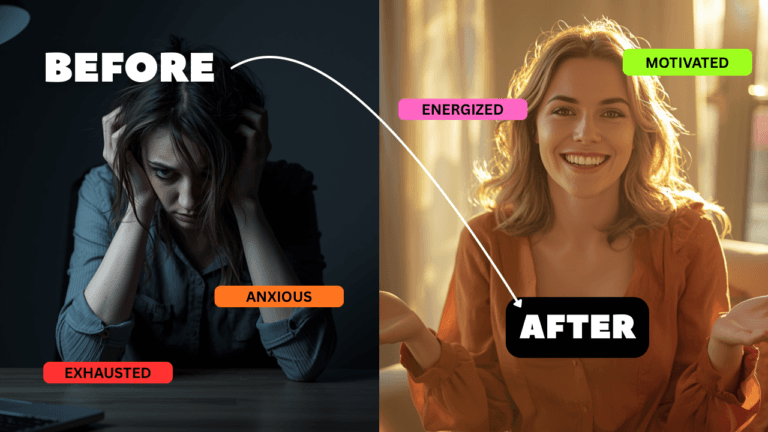

Are you one of the 77% of people who experience stress that affects their physical health? Stress can be overwhelming, but there’s a natural solution that’s gaining popularity: adaptogens for stress. Adaptogens are non-toxic plants that help your body adapt to stress, promoting balance and well-being. In this article, we’ll explore what adaptogens are, how they work, and how to use them to manage stress.
Adaptogens have been used for centuries in traditional medicine to help people cope with stress, anxiety, and fatigue. These plants have been shown to have a positive impact on both physical and mental health, making them an attractive option for those looking for a natural way to manage stress. By understanding how adaptogens work and how to incorporate them into your daily routine, you can take the first step towards a more balanced and healthy life.
Let’s dive into the world of adaptogens and discover how they can help you manage stress and improve your overall well-being. From the benefits of ashwagandha to the calming effects of rhodiola, we’ll cover everything you need to know about adaptogens for stress.
What are Adaptogens and How Do They Work?
Adaptogens are a group of plants that have been shown to help the body adapt to stress. They work by interacting with the body’s stress response system, known as the hypothalamic-pituitary-adrenal (HPA) axis. The HPA axis is responsible for regulating the body’s response to stress, and adaptogens help to balance this system, reducing the negative effects of stress on the body.
Adaptogens can be found in a variety of plants, including ashwagandha, rhodiola, and ginseng. Each of these plants has its own unique benefits and effects, but they all share the ability to help the body adapt to stress. By incorporating adaptogens into your daily routine, you can help your body better cope with stress and promote overall health and well-being.
Types of Adaptogens
There are several types of adaptogens, each with its own unique benefits and effects. Some of the most commonly used adaptogens include:
- Ashwagandha: known for its ability to reduce stress and anxiety
- Rhodiola: known for its ability to improve mental performance and reduce fatigue
- Ginseng: known for its ability to improve energy and reduce stress
Benefits of Adaptogens for Stress
The benefits of adaptogens for stress are numerous. Adaptogens have been shown to reduce stress and anxiety, improve sleep, and boost energy levels. They can also help to improve mental clarity and focus, making them a great option for those looking to improve their productivity and performance.
In addition to their individual benefits, adaptogens can also be used in combination to create a synergistic effect. This means that the benefits of each adaptogen can be enhanced when used together, creating a powerful tool for managing stress and promoting overall health and well-being.
- Reduced stress and anxiety: adaptogens have been shown to reduce cortisol levels and promote relaxation
- Improved sleep: adaptogens can help regulate sleep patterns and improve the quality of sleep
- Boosted energy: adaptogens can help increase energy levels and reduce fatigue
How to Use Adaptogens for Stress
There are several ways to use adaptogens for stress, including supplements, teas, and tinctures. The best method for you will depend on your individual needs and preferences. It’s always a good idea to consult with a healthcare professional before starting any new supplement or herbal remedy.
When using adaptogens for stress, it’s essential to start with a low dose and gradually increase as needed. This will help you avoid any potential side effects and ensure that you’re getting the most benefit from the adaptogen.
Adaptogen Dosage
The dosage of adaptogens can vary depending on the specific plant and the individual’s needs. It’s essential to follow the recommended dosage on the label and to consult with a healthcare professional if you have any questions or concerns.
- Ashwagandha: 300-500 mg per day
- Rhodiola: 100-200 mg per day
- Ginseng: 400-800 mg per day
Adaptogen Interactions and Side Effects
While adaptogens are generally considered safe, they can interact with certain medications and have side effects in some individuals. It’s essential to consult with a healthcare professional before using adaptogens, especially if you’re taking any medications or have any underlying health conditions.
Some potential side effects of adaptogens include digestive issues, headaches, and allergic reactions. These side effects are typically mild and temporary, but it’s crucial to be aware of them and to seek medical attention if you experience any severe or persistent symptoms.
Adaptogens and Mental Health
Adaptogens can be a valuable tool for managing mental health conditions such as anxiety and depression. They can help reduce stress and anxiety, improve mood, and promote relaxation. However, it’s essential to use adaptogens under the guidance of a healthcare professional, especially if you’re taking any medications or have a history of mental health conditions.
Some adaptogens, such as ashwagandha and rhodiola, have been shown to have a positive impact on mental health. They can help reduce cortisol levels, improve sleep, and boost mood. By incorporating these adaptogens into your daily routine, you can help promote mental well-being and reduce the risk of mental health conditions.
Adaptogens and Physical Health
Adaptogens can also have a positive impact on physical health. They can help reduce inflammation, improve immune function, and boost energy levels. Some adaptogens, such as ginseng, have been shown to have anti-inflammatory properties, making them a great option for those looking to reduce inflammation and improve overall health.
By incorporating adaptogens into your daily routine, you can help promote physical health and reduce the risk of chronic diseases. It’s essential to consult with a healthcare professional before using adaptogens, especially if you have any underlying health conditions or are taking any medications.
Frequently Asked Questions
Question 1: What are adaptogens and how do they work?
Adaptogens are plants that help the body adapt to stress, promoting balance and well-being. They work by interacting with the body’s stress response system, reducing the negative effects of stress on the body.
Question 2: Are adaptogens safe to use?
Adaptogens are generally considered safe, but they can interact with certain medications and have side effects in some individuals. It’s essential to consult with a healthcare professional before using adaptogens.
Question 3: Can I use adaptogens with other medications?
It’s essential to consult with a healthcare professional before using adaptogens with other medications. Some adaptogens can interact with certain medications, reducing their effectiveness or increasing the risk of side effects.
Question 4: How long does it take to see the benefits of adaptogens?
The benefits of adaptogens can be seen within a few days to a few weeks of use. However, it’s essential to be patient and consistent, as the effects of adaptogens can take time to develop.
Question 5: Can I use adaptogens if I’m pregnant or breastfeeding?
It’s essential to consult with a healthcare professional before using adaptogens if you’re pregnant or breastfeeding. Some adaptogens can interact with hormones or have unknown effects on the fetus or baby.
Key Takeaways
In conclusion, adaptogens for stress can be a valuable tool for managing stress and promoting overall health and well-being. By understanding how adaptogens work and how to use them, you can take the first step towards a more balanced and healthy life.
- Adaptogens can help reduce stress and anxiety
- Adaptogens can improve sleep and boost energy
- Adaptogens can be used in combination for a synergistic effect
- It’s essential to consult with a healthcare professional before using adaptogens
- Adaptogens can be a valuable tool for managing mental and physical health
If you’re looking to manage stress and promote overall health and well-being, consider incorporating adaptogens into your daily routine. With their natural and non-toxic properties, adaptogens can be a safe and effective way to reduce stress and improve your quality of life. Remember to always consult with a healthcare professional before starting any new supplement or herbal remedy, and to use adaptogens responsibly and under their guidance.
By using adaptogens for stress, you can take control of your health and well-being, promoting a more balanced and fulfilling life. So why not give adaptogens a try and see the benefits for yourself?
Resources
- National Institute of Mental Health: a trusted resource for information on mental health and stress management
- Mayo Clinic: a trusted resource for information on health and wellness
- Adaptogen Research Institute: a trusted resource for information on adaptogens and their benefits
Disclaimer: This article is for informational purposes only and does not constitute medical advice. Always consult with qualified healthcare professionals for diagnosis and treatment of stress and related conditions.