
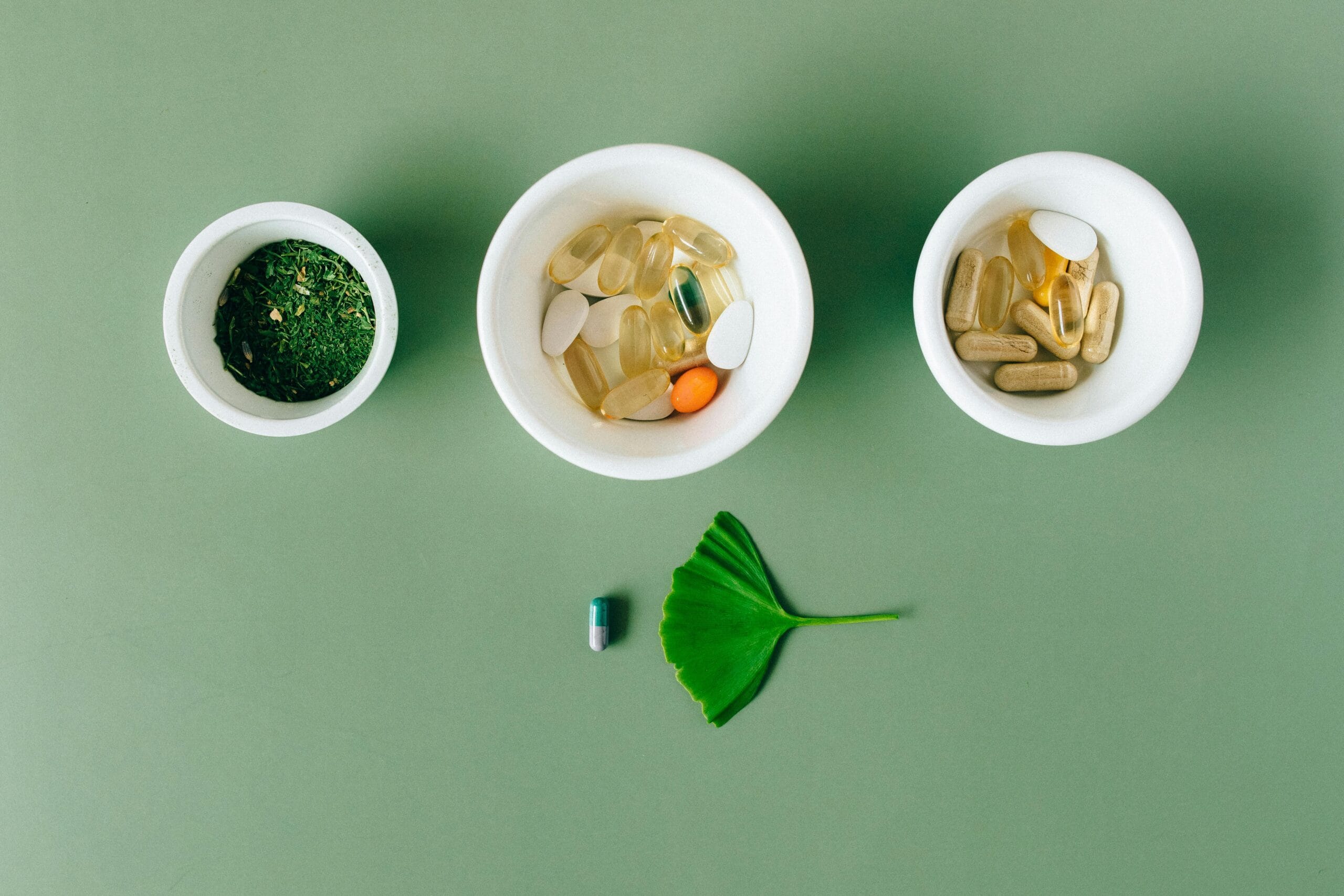
Did you know that over 300 million people worldwide suffer from depression, with many turning to antidepressants for relief? However, some individuals are now exploring alternative options, including adaptogens, to manage their mental health. When considering adaptogens vs antidepressants, it’s essential to understand the difference and what works best for you. In this article, we’ll delve into the world of adaptogens and antidepressants, exploring their mechanisms, benefits, and potential drawbacks.
As we navigate the complex landscape of mental health, it’s crucial to approach this topic with compassion and empathy. Whether you’re a person in recovery or seeking support for a loved one, this article aims to provide you with actionable insights and guidance. So, let’s begin our journey into the realm of adaptogens and antidepressants, and discover the most effective ways to support your mental well-being.
Before we dive into the main content, it’s essential to note that this article is not a substitute for professional medical advice. If you’re struggling with depression or any other mental health condition, please consult with a qualified healthcare professional for personalized guidance and support. With that said, let’s explore the fascinating world of adaptogens and antidepressants, and uncover the secrets to achieving optimal mental health.
Introduction to Adaptogens: Natural Stress-Relievers
Adaptogens are a class of herbs and plants that have been used for centuries to promote balance and well-being in the body. These natural substances have been shown to help alleviate stress, anxiety, and fatigue, making them an attractive alternative to antidepressants. Some popular adaptogens include ashwagandha, rhodiola, and ginseng, each with its unique benefits and mechanisms of action.
One of the primary advantages of adaptogens is their ability to adapt to an individual’s specific needs. Unlike antidepressants, which often have a one-size-fits-all approach, adaptogens can be tailored to address a person’s unique stress profile and health requirements. This personalized approach can lead to more effective and sustainable results, with fewer side effects.
How Adaptogens Work: A Deeper Dive
Adaptogens work by influencing the body’s stress response system, also known as the hypothalamic-pituitary-adrenal (HPA) axis. By modulating the HPA axis, adaptogens can help reduce cortisol levels, alleviate anxiety, and promote relaxation. Additionally, adaptogens have been shown to have anti-inflammatory properties, which can help mitigate the negative effects of chronic stress on the body.
- Ashwagandha: Reduces cortisol levels and anxiety, while improving sleep quality and cognitive function
- Rhodiola: Enhances mental performance, reduces fatigue, and promotes mood elevation
- Ginseng: Improves energy levels, reduces inflammation, and supports immune function
Antidepressants: A Pharmaceutical Approach to Mental Health
Antidepressants are a class of medications that have been widely used to treat depression, anxiety, and other mental health conditions. These pharmaceuticals work by altering the levels of neurotransmitters in the brain, such as serotonin and dopamine, which can help regulate mood and emotional response. However, antidepressants can have significant side effects, including weight gain, insomnia, and sexual dysfunction.
One of the primary concerns with antidepressants is their potential for dependence and withdrawal. Long-term use of these medications can lead to physical dependence, making it challenging to discontinue treatment without experiencing withdrawal symptoms. Furthermore, antidepressants may not address the underlying causes of mental health conditions, instead providing temporary relief from symptoms.
- Selective Serotonin Reuptake Inhibitors (SSRIs): Fluoxetine, sertraline, and paroxetine are common examples of SSRIs, which increase serotonin levels in the brain
- Serotonin-Norepinephrine Reuptake Inhibitors (SNRIs): Venlafaxine and duloxetine are examples of SNRIs, which increase both serotonin and norepinephrine levels
- Tricyclic Antidepressants (TCAs): Imipramine and amitriptyline are examples of TCAs, which increase serotonin and norepinephrine levels, but can have more significant side effects
Adaptogens vs Antidepressants: A Comparison of Benefits and Drawbacks
When considering adaptogens vs antidepressants, it’s essential to weigh the benefits and drawbacks of each approach. Adaptogens offer a natural, personalized, and sustainable solution for mental health, with fewer side effects. However, they may not be as effective for severe mental health conditions, and their mechanisms of action are not fully understood.
Antidepressants, on the other hand, have been extensively researched and proven to be effective for treating depression and anxiety. However, they can have significant side effects, may not address underlying causes, and can lead to dependence and withdrawal. Ultimately, the choice between adaptogens and antidepressants depends on individual circumstances, health requirements, and personal preferences.
Integrating Adaptogens and Antidepressants: A Holistic Approach
In some cases, adaptogens and antidepressants can be used in conjunction to enhance treatment outcomes. For example, adaptogens like ashwagandha and rhodiola can be used to reduce stress and anxiety, while antidepressants like SSRIs can be used to address underlying neurotransmitter imbalances. However, it’s crucial to consult with a healthcare professional before combining these approaches, as interactions and side effects can occur.
Adaptogen Safety and Efficacy: What the Research Says
While adaptogens have been used for centuries, modern research has only recently begun to explore their safety and efficacy. Studies have shown that adaptogens like ashwagandha, rhodiola, and ginseng are generally safe and well-tolerated, with few side effects reported. However, more research is needed to fully understand the mechanisms of action and potential interactions with other medications.
One of the most significant advantages of adaptogens is their potential to address the root causes of mental health conditions, rather than just symptoms. By reducing stress, inflammation, and oxidative stress, adaptogens can help promote overall well-being and resilience. Furthermore, adaptogens can be used in conjunction with other natural therapies, such as mindfulness and meditation, to enhance treatment outcomes.
Antidepressant Safety and Efficacy: A Review of the Evidence
Antidepressants have been extensively researched, and their safety and efficacy have been well-established. However, concerns about side effects, dependence, and withdrawal have led to increased scrutiny of these medications. Studies have shown that antidepressants can be effective for treating depression and anxiety, but they may not be suitable for everyone, particularly those with mild symptoms or those who prefer natural approaches.
One of the most significant challenges with antidepressants is their potential for overprescription and misuse. With the rising rates of mental health conditions, there is a growing concern that antidepressants are being prescribed as a quick fix, rather than as part of a comprehensive treatment plan. Furthermore, the lack of education and support for patients taking antidepressants can lead to inadequate treatment outcomes and increased risk of side effects.
Personalized Mental Health: Finding the Right Approach for You
When it comes to mental health, there is no one-size-fits-all solution. Each individual has unique needs, preferences, and circumstances that require a personalized approach. Whether you’re considering adaptogens, antidepressants, or a combination of both, it’s essential to work with a healthcare professional to develop a tailored treatment plan.
By taking a holistic approach to mental health, you can address the physical, emotional, and spiritual aspects of your well-being. This may involve incorporating natural therapies like mindfulness, meditation, and yoga, as well as making lifestyle changes to reduce stress and promote relaxation. Ultimately, the key to achieving optimal mental health is to find a balance that works for you, and to be patient, compassionate, and kind to yourself throughout the journey.
Frequently Asked Questions
Question 1: What are the most effective adaptogens for anxiety and depression?
Ashwagandha, rhodiola, and ginseng are some of the most effective adaptogens for anxiety and depression, due to their ability to reduce stress, anxiety, and inflammation.
Question 2: Can I take adaptogens with antidepressants?
It’s possible to take adaptogens with antidepressants, but it’s essential to consult with a healthcare professional first, as interactions and side effects can occur.
Question 3: How long does it take to see results from adaptogens?
The effects of adaptogens can vary depending on the individual and the specific adaptogen, but most people start to notice benefits within 2-6 weeks of consistent use.
Question 4: Are adaptogens regulated by the FDA?
Adaptogens are considered dietary supplements, which are regulated by the FDA, but the quality and efficacy of these products can vary widely depending on the manufacturer.
Question 5: Can I use adaptogens as a replacement for antidepressants?
While adaptogens can be effective for mild mental health conditions, they may not be suitable as a replacement for antidepressants, particularly for severe conditions. It’s essential to consult with a healthcare professional before making any changes to your treatment plan.
Key Takeaways
In conclusion, the debate between adaptogens vs antidepressants is complex and multifaceted. While antidepressants have been widely used to treat mental health conditions, adaptogens offer a natural, personalized, and sustainable solution for promoting balance and well-being. By understanding the benefits and drawbacks of each approach, you can make informed decisions about your mental health and develop a treatment plan that works best for you.
- Adaptogens can be effective for mild mental health conditions, such as anxiety and depression
- Antidepressants may be necessary for severe mental health conditions, but can have significant side effects
- A holistic approach to mental health, incorporating natural therapies and lifestyle changes, can lead to optimal treatment outcomes
- Consulting with a healthcare professional is essential for developing a personalized treatment plan
- Being patient, compassionate, and kind to yourself is crucial throughout the mental health journey
If you’re struggling with mental health conditions or seeking support for a loved one, remember that there is hope and help available. By exploring the world of adaptogens and antidepressants, and working with a healthcare professional, you can find a path that leads to healing, balance, and well-being. So, take the first step today, and discover the power of adaptogens and antidepressants in promoting optimal mental health.
Finally, always remember that mental health is a journey, not a destination. By being gentle with yourself, seeking support when needed, and embracing the complexities of life, you can cultivate a deeper sense of purpose, meaning, and fulfillment. And, as you navigate the world of adaptogens vs antidepressants, always keep in mind that the most effective approach is one that is tailored to your unique needs, preferences, and circumstances.
Resources
- SAMHSA National Helpline: 1-800-662-4357 (24/7 free, confidential support)
- National Alliance on Mental Illness (NAMI): A grassroots organization providing education, support, and advocacy for mental health conditions
- World Health Organization (WHO): A global authority on mental health, providing research, guidelines, and resources for promoting mental well-being
- American Psychological Association (APA): A professional organization providing research, education, and resources for mental health professionals and the general public
Disclaimer: This article is for informational purposes only and does not constitute medical advice. Always consult with qualified healthcare professionals for diagnosis and treatment of mental health conditions.