
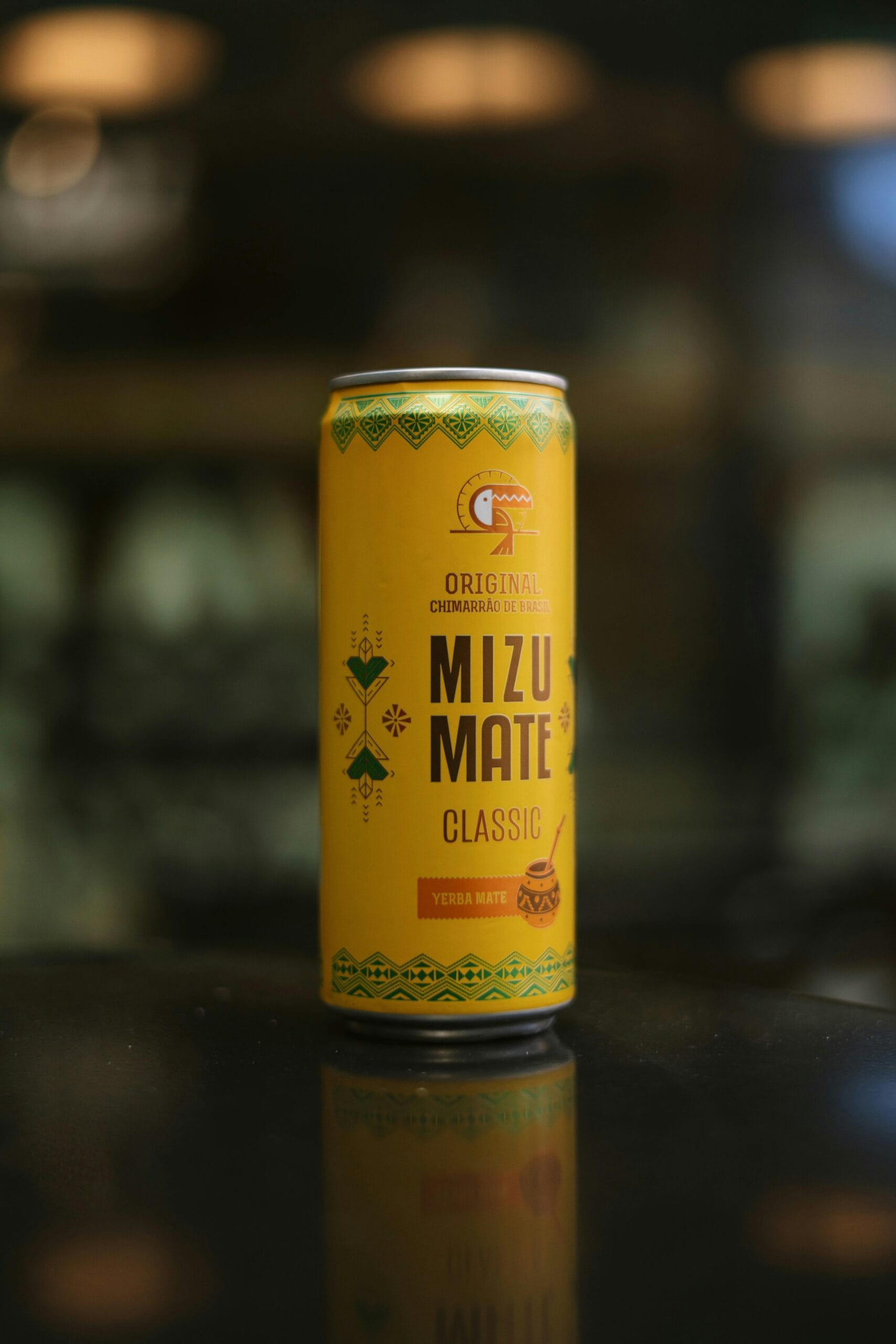
Anxiety and Attention Deficit Hyperactivity Disorder (ADHD) are two of the most prevalent mental health conditions affecting millions of people worldwide. According to the World Health Organization (WHO), approximately 300 million people suffer from anxiety, while ADHD affects about 5% of the global population. Can herbal teas help alleviate symptoms of anxiety and ADHD? In this article, we will explore the potential benefits of herbal teas in managing these conditions and provide guidance on how to use them correctly.
Before we dive into the world of herbal teas, it’s essential to understand that while they can be a valuable complementary therapy, they should not replace medical treatment. If you or someone you know is struggling with anxiety or ADHD, it’s crucial to consult with a healthcare professional for proper diagnosis and treatment. However, for those looking for a natural way to supplement their treatment, herbal teas may offer a promising solution.
Let’s transition to the main content, where we’ll discuss the benefits of herbal teas for anxiety and ADHD, and provide step-by-step instructions on how to use them correctly.
Herbal Teas for Anxiety Relief
Herbal teas have been used for centuries to calm the mind and body. Certain herbs, such as chamomile, lavender, and passionflower, have been shown to have a positive impact on anxiety symptoms. These teas can help reduce stress and promote relaxation, making them an excellent addition to your self-care routine.
For example, a study published in the Journal of Clinical Pharmacology found that chamomile tea significantly reduced anxiety symptoms in patients with generalized anxiety disorder. Additionally, lavender tea has been shown to improve sleep quality, which is often disrupted in individuals with anxiety.
How to Prepare Herbal Teas for Anxiety
To get the most out of herbal teas for anxiety, it’s essential to prepare them correctly. Here are some steps to follow:
- Choose high-quality herbs: Select organic, fresh herbs to ensure maximum potency and flavor.
- Use the right water temperature: Use boiling water for black and green teas, while herbal teas require water at a lower temperature (160°F to 170°F).
- Steep for the right amount of time: Steep herbal teas for 5 to 7 minutes to allow the flavors and active compounds to release.
Herbal Teas for ADHD Symptoms
While herbal teas may not be a replacement for conventional ADHD treatment, certain herbs like ginkgo biloba, peppermint, and ginseng may help alleviate symptoms such as inattention and hyperactivity. These teas can improve focus, boost energy, and enhance cognitive function.
For instance, a study published in the Journal of Attention Disorders found that ginkgo biloba tea improved attention and memory in individuals with ADHD. Additionally, peppermint tea has been shown to improve alertness and reduce fatigue.
- Start with small amounts: Begin with a small amount of herbal tea (1/2 cup) and gradually increase as needed.
- Combine with other therapies: Use herbal teas in conjunction with other therapies, such as medication, therapy, or lifestyle changes, to enhance their effectiveness.
- Monitor progress: Keep track of your symptoms and adjust your herbal tea regimen as needed to achieve optimal results.
The Science Behind Herbal Teas for Anxiety and ADHD
Herbal teas contain a range of bioactive compounds, including flavonoids, alkaloids, and terpenes, which interact with the body’s neurotransmitters and hormones to produce therapeutic effects. For example, chamomile tea contains apigenin, a flavonoid that binds to GABA receptors, promoting relaxation and reducing anxiety.
Additionally, ginkgo biloba tea contains bilobalide, a terpene that improves blood flow to the brain, enhancing cognitive function and attention. Understanding the science behind herbal teas can help you make informed decisions about which teas to use and how to use them effectively.
Herbal Tea Blends for Anxiety and ADHD
Herbal tea blends can be a great way to combine the benefits of multiple herbs into one convenient tea. Some popular blends for anxiety and ADHD include:
- Calmness blend: A combination of chamomile, lavender, and passionflower to promote relaxation and reduce anxiety.
- Focus blend: A blend of ginkgo biloba, peppermint, and ginseng to improve attention and cognitive function.
- Energy blend: A combination of yerba mate, guarana, and ginseng to boost energy and enhance mental clarity.
Precautions and Interactions
While herbal teas can be a valuable addition to your self-care routine, it’s essential to be aware of potential precautions and interactions. Certain herbs, such as ginkgo biloba and ginseng, may interact with medications or worsen underlying health conditions.
For example, ginkgo biloba tea may increase the risk of bleeding when taken with anticoagulant medications. Additionally, ginseng tea may lower blood sugar levels, which can be problematic for individuals with diabetes.
How to Minimize Risks
To minimize risks, it’s crucial to:
- Consult with a healthcare professional: Before using herbal teas, especially if you have a pre-existing medical condition or take medications.
- Start with small amounts: Begin with a small amount of herbal tea and gradually increase as needed to monitor for any adverse effects.
- Monitor your body: Pay attention to any changes in your body, such as allergic reactions or interactions, and adjust your herbal tea regimen accordingly.
Frequently Asked Questions
Question 1: Can herbal teas cure anxiety and ADHD?
No, herbal teas cannot cure anxiety and ADHD, but they can help alleviate symptoms and complement conventional treatment.
Question 2: How long does it take for herbal teas to work?
The effects of herbal teas can vary depending on the individual and the specific herb. Some people may experience benefits within a few minutes, while others may take several days or weeks to notice improvements.
Question 3: Can I use herbal teas with other medications?
It’s essential to consult with a healthcare professional before using herbal teas with other medications, as certain herbs may interact with medications or worsen underlying health conditions.
Question 4: Are herbal teas safe for children and pregnant women?
Some herbal teas, such as chamomile and peppermint, are generally considered safe for children and pregnant women. However, it’s crucial to consult with a healthcare professional before using any herbal tea, especially if you have a pre-existing medical condition or take medications.
Question 5: Can I make my own herbal teas at home?
Yes, you can make your own herbal teas at home using fresh or dried herbs. However, it’s essential to follow proper preparation and dosage guidelines to ensure safety and effectiveness.
Key Takeaways
In conclusion, herbal teas can be a valuable complementary therapy for anxiety and ADHD. By understanding the benefits and risks of herbal teas and using them correctly, you can enhance your self-care routine and improve your overall well-being.
- Herbal teas like chamomile, lavender, and passionflower can help alleviate anxiety symptoms.
- Herbal teas like ginkgo biloba, peppermint, and ginseng can help improve attention and cognitive function in individuals with ADHD.
- It’s essential to consult with a healthcare professional before using herbal teas, especially if you have a pre-existing medical condition or take medications.
- Start with small amounts and monitor your body for any adverse effects.
- Combine herbal teas with other therapies, such as medication, therapy, or lifestyle changes, to enhance their effectiveness.
If you’re considering using herbal teas to help manage your anxiety or ADHD symptoms, we encourage you to consult with a healthcare professional and start with small amounts to monitor your body’s response. Remember, herbal teas are not a replacement for conventional treatment, but they can be a valuable addition to your self-care routine. With the right guidance and support, you can harness the power of herbal teas to improve your mental health and well-being.
By incorporating herbal teas into your daily routine, you can take a proactive step towards managing your anxiety and ADHD symptoms. Remember to always prioritize your health and well-being, and don’t hesitate to seek professional help when needed.
Resources
- SAMHSA National Helpline: 1-800-662-4357 (24/7 free, confidential support)
- Anxiety and Depression Association of America (ADAA): A organization providing education, support, and resources for individuals with anxiety and depression.
- CHADD (Children and Adults with Attention Deficit/Hyperactivity Disorder): A organization providing education, support, and resources for individuals with ADHD.
- National Institute of Mental Health (NIMH): A government organization providing information and resources on mental health conditions, including anxiety and ADHD.
Disclaimer: This article is for informational purposes only and does not constitute medical advice. Always consult with qualified healthcare professionals for diagnosis and treatment of anxiety and ADHD. Herbal teas should not be used as a replacement for conventional treatment, but rather as a complementary therapy under the guidance of a healthcare professional.