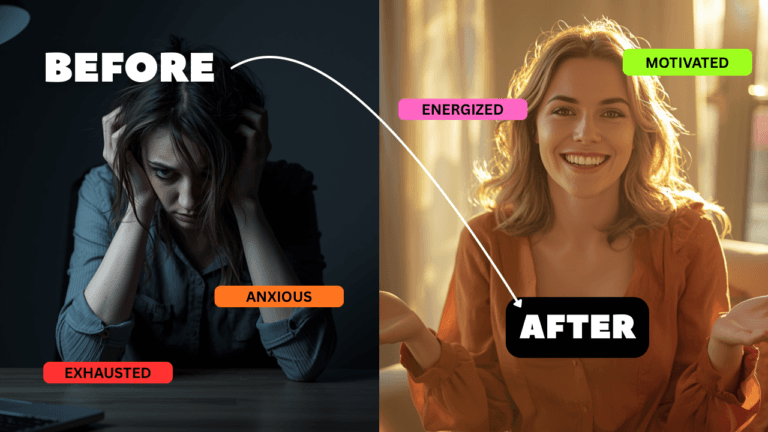

Did you know that approximately 70% of individuals with Attention Deficit Hyperactivity Disorder (ADHD) experience emotional dysregulation, which can significantly impact their daily lives? Holistic therapy, a comprehensive approach that combines traditional and alternative methods, may offer a promising solution for managing ADHD emotional dysregulation. In this article, we’ll delve into the world of holistic therapy and explore its potential benefits for individuals with ADHD, focusing on the primary keyword: holistic therapy for ADHD emotional dysregulation.
To understand how holistic therapy can help, it’s essential to recognize the complexities of ADHD emotional dysregulation. This condition affects not only the individual but also their loved ones, making it crucial to find effective management strategies. Throughout this guide, we’ll discuss the various aspects of holistic therapy and provide actionable advice for those seeking to improve their emotional well-being.
As we navigate the topic of holistic therapy for ADHD emotional dysregulation, we’ll cover the key concepts, benefits, and techniques involved. Our goal is to empower individuals with ADHD and their families with the knowledge and tools necessary to make informed decisions about their mental health. So, let’s begin our journey into the world of holistic therapy and its potential to transform lives.
Understanding ADHD Emotional Dysregulation and Holistic Therapy
ADHD emotional dysregulation refers to the difficulty individuals with ADHD face in managing their emotions, leading to intense mood swings, irritability, and impulsivity. Holistic therapy, on the other hand, is a person-centered approach that addresses the physical, emotional, and spiritual aspects of an individual’s well-being. By combining these two concepts, we can create a comprehensive treatment plan that targets the root causes of emotional dysregulation.
Research has shown that holistic therapy can be an effective adjunct to traditional treatments for ADHD, such as medication and behavioral therapy. By incorporating holistic practices, individuals with ADHD can develop healthier coping mechanisms, improve their emotional regulation, and enhance their overall quality of life.
What is Holistic Therapy?
Holistic therapy encompasses a broad range of techniques, including mindfulness, meditation, yoga, and cognitive-behavioral therapy. These approaches focus on promoting self-awareness, self-regulation, and self-acceptance, which are essential for managing ADHD emotional dysregulation. By adopting a holistic perspective, individuals with ADHD can gain a deeper understanding of their thoughts, feelings, and behaviors, allowing them to make positive changes in their lives.
- Mindfulness: The practice of being present in the moment, without judgment, to reduce stress and increase self-awareness.
- Meditation: A technique used to calm the mind, focus attention, and promote relaxation.
- Yoga: A physical, mental, and spiritual practice that combines postures, breathing techniques, and meditation to promote balance and well-being.
Benefits of Holistic Therapy for ADHD Emotional Dysregulation
The benefits of holistic therapy for ADHD emotional dysregulation are numerous and well-documented. By incorporating holistic practices into their daily routine, individuals with ADHD can experience significant improvements in their emotional regulation, reducing the frequency and intensity of mood swings, irritability, and impulsivity.
In addition to emotional benefits, holistic therapy can also enhance cognitive function, improve sleep quality, and boost overall physical health. By addressing the whole person, rather than just the symptoms, holistic therapy offers a more comprehensive approach to managing ADHD emotional dysregulation.
- Improved Emotional Regulation: Holistic therapy helps individuals with ADHD develop healthier coping mechanisms, reducing the frequency and intensity of mood swings.
- Enhanced Cognitive Function: Holistic practices, such as mindfulness and meditation, can improve focus, attention, and working memory.
- Better Sleep Quality: Holistic therapy can help regulate sleep patterns, leading to improved rest and relaxation.
Techniques and Strategies for Holistic Therapy
So, how can individuals with ADHD incorporate holistic therapy into their daily routine? The following techniques and strategies can be used to promote emotional regulation, reduce stress, and enhance overall well-being:
First, it’s essential to establish a consistent mindfulness practice, which can be as simple as taking a few deep breaths each day or engaging in a short meditation session. Additionally, individuals with ADHD can benefit from regular exercise, such as yoga or walking, to release endorphins and improve mood.
Creating a Holistic Therapy Plan
To create a holistic therapy plan, individuals with ADHD should start by identifying their specific needs and goals. This may involve working with a mental health professional to develop a personalized treatment plan that incorporates holistic practices. By setting realistic objectives and tracking progress, individuals with ADHD can stay motivated and focused on their journey towards emotional well-being.
- Set Realistic Goals: Identify specific, achievable objectives for managing ADHD emotional dysregulation.
- Develop a Self-Care Routine: Establish a daily routine that includes holistic practices, such as mindfulness, meditation, or yoga.
- Seek Support: Work with a mental health professional to develop a personalized treatment plan and receive ongoing support.
Overcoming Challenges and Obstacles
While holistic therapy can be a powerful tool for managing ADHD emotional dysregulation, it’s not without its challenges. Individuals with ADHD may face obstacles such as difficulty staying motivated, struggles with self-regulation, or lack of access to resources.
To overcome these challenges, it’s essential to develop a growth mindset, focusing on progress rather than perfection. Additionally, individuals with ADHD can benefit from seeking support from loved ones, support groups, or online communities.
Building Resilience and Persistence
Resilience and persistence are critical components of holistic therapy for ADHD emotional dysregulation. By developing a growth mindset and learning to reframe challenges as opportunities for growth, individuals with ADHD can build the resilience needed to overcome obstacles and stay committed to their holistic therapy plan.
Integrating Holistic Therapy with Traditional Treatments
Holistic therapy can be used in conjunction with traditional treatments, such as medication and behavioral therapy, to create a comprehensive treatment plan for ADHD emotional dysregulation. By integrating holistic practices with conventional approaches, individuals with ADHD can experience improved symptom management and enhanced overall well-being.
It’s essential to work with a mental health professional to develop a personalized treatment plan that incorporates both holistic and traditional therapies. By doing so, individuals with ADHD can ensure that their treatment plan is tailored to their unique needs and goals.
Conclusion and Next Steps
In conclusion, holistic therapy offers a promising approach to managing ADHD emotional dysregulation. By incorporating holistic practices, such as mindfulness, meditation, and yoga, into their daily routine, individuals with ADHD can experience significant improvements in their emotional regulation, cognitive function, and overall well-being.
As we’ve discussed throughout this guide, holistic therapy is a comprehensive approach that addresses the physical, emotional, and spiritual aspects of an individual’s well-being. By adopting a holistic perspective, individuals with ADHD can gain a deeper understanding of their thoughts, feelings, and behaviors, allowing them to make positive changes in their lives.
Frequently Asked Questions
What is the primary goal of holistic therapy for ADHD emotional dysregulation?
The primary goal of holistic therapy is to help individuals with ADHD develop healthier coping mechanisms, improve their emotional regulation, and enhance their overall quality of life.
Can holistic therapy be used in conjunction with traditional treatments?
Yes, holistic therapy can be used in conjunction with traditional treatments, such as medication and behavioral therapy, to create a comprehensive treatment plan for ADHD emotional dysregulation.
How can I get started with holistic therapy for ADHD emotional dysregulation?
To get started with holistic therapy, individuals with ADHD can begin by exploring different holistic practices, such as mindfulness, meditation, or yoga, and incorporating them into their daily routine. It’s also essential to work with a mental health professional to develop a personalized treatment plan.
Key Takeaways
In summary, holistic therapy offers a comprehensive approach to managing ADHD emotional dysregulation. By incorporating holistic practices into their daily routine, individuals with ADHD can experience significant improvements in their emotional regulation, cognitive function, and overall well-being.
- Holistic therapy addresses the physical, emotional, and spiritual aspects of an individual’s well-being.
- Holistic practices, such as mindfulness and meditation, can improve emotional regulation and cognitive function.
- Integrating holistic therapy with traditional treatments can create a comprehensive treatment plan for ADHD emotional dysregulation.
- Individuals with ADHD can get started with holistic therapy by exploring different holistic practices and working with a mental health professional.
- Holistic therapy can be a powerful tool for managing ADHD emotional dysregulation, but it’s essential to work with a qualified healthcare professional to develop a personalized treatment plan.
If you or a loved one is struggling with ADHD emotional dysregulation, we encourage you to explore the benefits of holistic therapy. By incorporating holistic practices into your daily routine and working with a mental health professional, you can take the first steps towards a more balanced, fulfilling life. Remember, holistic therapy for ADHD emotional dysregulation is a journey, and it’s essential to be patient, kind, and compassionate with yourself as you navigate this path.
As you move forward on your journey towards emotional well-being, remember that you are not alone. There are resources available to support you, from mental health professionals to online communities and support groups. Don’t hesitate to reach out for help when you need it, and always keep in mind that holistic therapy for ADHD emotional dysregulation is a powerful tool for transforming your life.
Resources
- SAMHSA National Helpline: 1-800-662-4357 (24/7 free, confidential support)
- CHADD (Children and Adults with Attention Deficit/Hyperactivity Disorder): A national organization providing education, support, and advocacy for individuals with ADHD.
- NIMH (National Institute of Mental Health): A trusted source of information on mental health topics, including ADHD and emotional dysregulation.
- ADDA (Attention Deficit Disorder Association): A non-profit organization offering support, education, and resources for individuals with ADHD.
Disclaimer: This article is for informational purposes only and does not constitute medical advice. Always consult with qualified healthcare professionals for diagnosis and treatment of ADHD and emotional dysregulation.