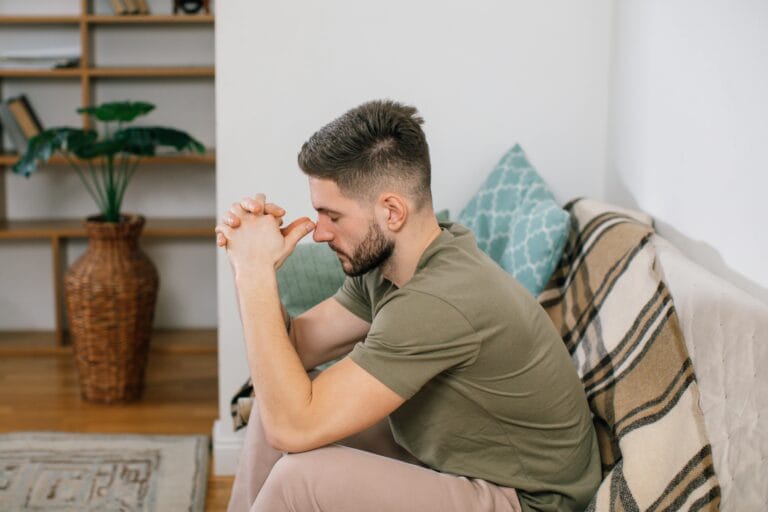

Anxiety affects over 40 million adults in the United States, with many experiencing overwhelming feelings of fear, worry, and unease. Grounding techniques for anxiety can be a powerful tool in managing these symptoms, helping individuals regain control and calmness. In this article, we’ll explore the concept of grounding and introduce 8 effective methods that can help alleviate anxiety.
Grounding techniques involve focusing on the present moment, often through sensory experiences, to distract from anxious thoughts and feelings. By incorporating these methods into daily life, individuals can develop greater resilience and better cope with anxiety. Whether you’re experiencing mild anxiety or more severe symptoms, grounding techniques can be a valuable addition to your self-care routine.
As we delve into the world of grounding techniques, remember that everyone’s experience with anxiety is unique, and what works for one person may not work for another. Therefore, it’s essential to explore different methods and find what works best for you. With patience, practice, and an open mind, you can discover the grounding techniques that bring you the most comfort and relief.
Understanding Grounding Techniques for Anxiety
Grounding techniques are designed to help individuals focus on the present moment, rather than getting caught up in anxious thoughts about the past or future. This can be achieved through various sensory experiences, such as sight, sound, touch, taste, or smell. By engaging with these senses, you can distract yourself from anxious feelings and regain a sense of calm.
One of the primary benefits of grounding techniques is their accessibility. You can practice grounding almost anywhere, at any time, without the need for specialized equipment or training. This makes it an ideal tool for managing anxiety in everyday situations, such as at work, in social situations, or during periods of high stress.
Benefits of Grounding Techniques
- Reduced anxiety symptoms: Grounding techniques can help alleviate feelings of anxiety and panic.
- Improved focus: By focusing on the present moment, you can improve your concentration and attention span.
- Enhanced self-awareness: Grounding techniques can help you develop a greater understanding of your thoughts, feelings, and physical sensations.
8 Grounding Techniques for Anxiety
In this section, we’ll explore 8 effective grounding techniques that can help you manage anxiety. Remember to experiment with different methods to find what works best for you.
- Deep breathing exercises: Focus on slow, deliberate breaths, feeling the sensation of the air moving in and out of your body.
- Progressive muscle relaxation: Tense and then relax different muscle groups, starting with your toes and moving up to your head.
- Mindful walking: Pay attention to your feet touching the ground, the sensation of each step, and the movement of your body.
- Sensory exploration: Choose an object, such as a leaf or a stone, and focus on its texture, color, and shape.
- Grounding phrases: Repeat phrases like “I am here” or “I am safe” to yourself, focusing on the present moment.
- 5-4-3-2-1 exercise: Notice five things you can see, four things you can touch, three things you can hear, two things you can smell, and one thing you can taste.
- Creative expression: Engage in creative activities like drawing, painting, or writing to express your emotions and focus on the present moment.
- Nature connection: Spend time in nature, noticing the sights, sounds, and smells around you, and feeling a sense of connection to the natural world.
Using Grounding Techniques in Daily Life
Incorporating grounding techniques into your daily routine can be simple and effective. Start by setting aside a few minutes each day to practice grounding, whether it’s during your morning meditation, during a break at work, or before bed.
Remember to be patient and gentle with yourself as you explore different grounding techniques. It may take some time to find what works best for you, but with consistent practice, you can develop greater resilience and better manage anxiety.
Tips for Effective Grounding
- Start small: Begin with short grounding sessions and gradually increase the duration as you become more comfortable with the techniques.
- Be consistent: Practice grounding regularly, ideally at the same time each day, to make it a habit.
- Find a quiet space: Identify a quiet, comfortable space where you can practice grounding without distractions.
Overcoming Challenges and Setbacks
As you begin to practice grounding techniques, you may encounter challenges or setbacks. It’s essential to remember that these are a normal part of the process and can be overcome with patience, persistence, and self-compassion.
If you find it difficult to focus or feel like you’re not making progress, try to reframe your expectations and focus on the present moment. Remember that grounding is a skill that takes time to develop, and it’s okay to take things one step at a time.
Coping with Difficult Emotions
- Allow yourself to feel: Acknowledge and accept your emotions, rather than trying to suppress or deny them.
- Practice self-compassion: Treat yourself with kindness, understanding, and patience, just as you would a close friend.
- Seek support: Reach out to friends, family, or a mental health professional for guidance and support.
Frequently Asked Questions
Question 1: What is grounding, and how does it work?
Grounding involves focusing on the present moment, often through sensory experiences, to distract from anxious thoughts and feelings. This can help individuals regain control and calmness.
Question 2: Can grounding techniques be used in conjunction with other anxiety treatments?
Yes, grounding techniques can be used in conjunction with other anxiety treatments, such as therapy, medication, or lifestyle changes. In fact, grounding can be a valuable addition to a comprehensive treatment plan.
Question 3: How long does it take to see results from grounding techniques?
The time it takes to see results from grounding techniques can vary depending on individual circumstances. Some people may experience immediate relief, while others may need to practice regularly for several weeks or months to notice significant improvements.
Question 4: Can grounding techniques be practiced anywhere?
Yes, grounding techniques can be practiced almost anywhere, at any time, without the need for specialized equipment or training. This makes it an ideal tool for managing anxiety in everyday situations.
Question 5: Are grounding techniques suitable for everyone?
While grounding techniques can be beneficial for many people, they may not be suitable for everyone, particularly those with certain mental health conditions or trauma. It’s essential to consult with a mental health professional before starting any new therapy or technique.
Key Takeaways
In conclusion, grounding techniques can be a powerful tool in managing anxiety symptoms. By incorporating these methods into your daily routine, you can develop greater resilience and better cope with anxiety.
- Grounding techniques involve focusing on the present moment through sensory experiences.
- 8 effective grounding techniques include deep breathing exercises, progressive muscle relaxation, and sensory exploration.
- Consistency and patience are key when practicing grounding techniques.
- Grounding can be used in conjunction with other anxiety treatments.
- It’s essential to consult with a mental health professional before starting any new therapy or technique.
If you’re struggling with anxiety and would like to learn more about grounding techniques, consider reaching out to a mental health professional or a support group. Remember, you are not alone, and there is hope for managing anxiety and improving your overall well-being.
By incorporating grounding techniques into your daily life, you can take the first step towards a more calm, centered, and fulfilling existence. So, take a deep breath, focus on the present moment, and remember that you are capable of overcoming anxiety with the right tools and support.
Resources
- National Alliance on Mental Illness (NAMI) Helpline: 1-800-950-6264 (Monday – Friday, 10am – 6pm ET)
- Anxiety and Depression Association of America (ADAA): [Brief description]
- Crisis Text Line: Text “HOME” to 741741 (24/7 free, confidential support)
- SAMHSA National Helpline: 1-800-662-4357 (24/7 free, confidential support)
Disclaimer: This article is for informational purposes only and does not constitute medical advice. Always consult with qualified healthcare professionals for diagnosis and treatment of anxiety disorders.