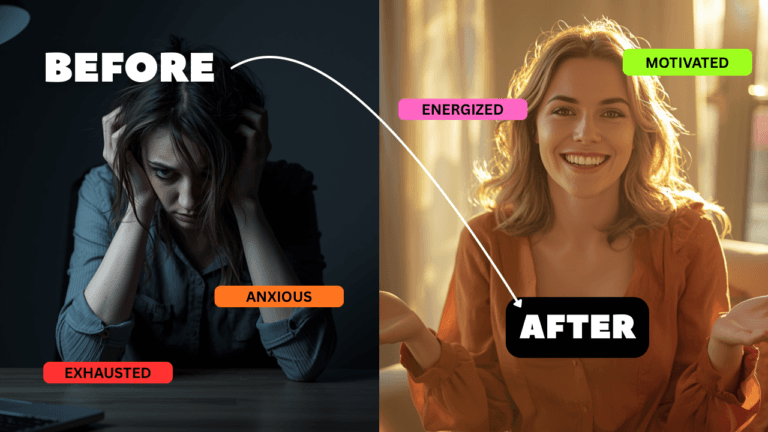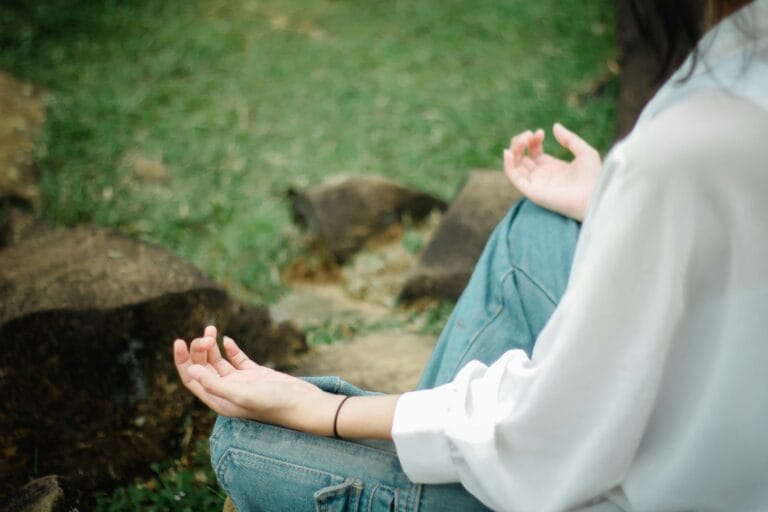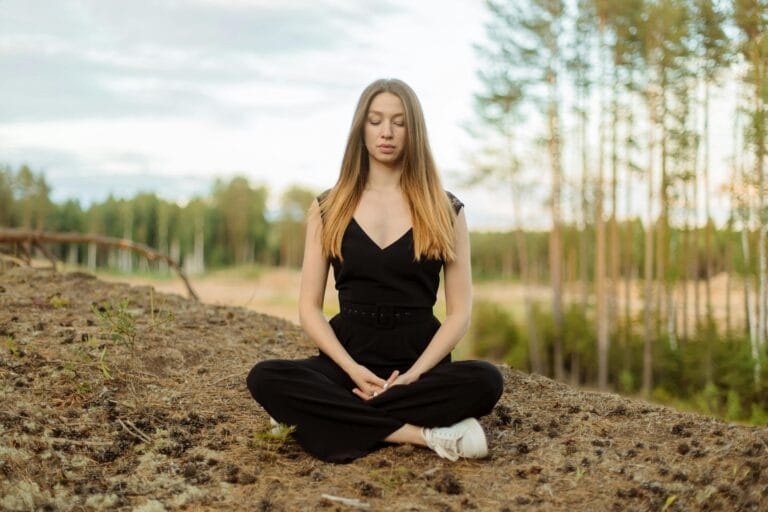
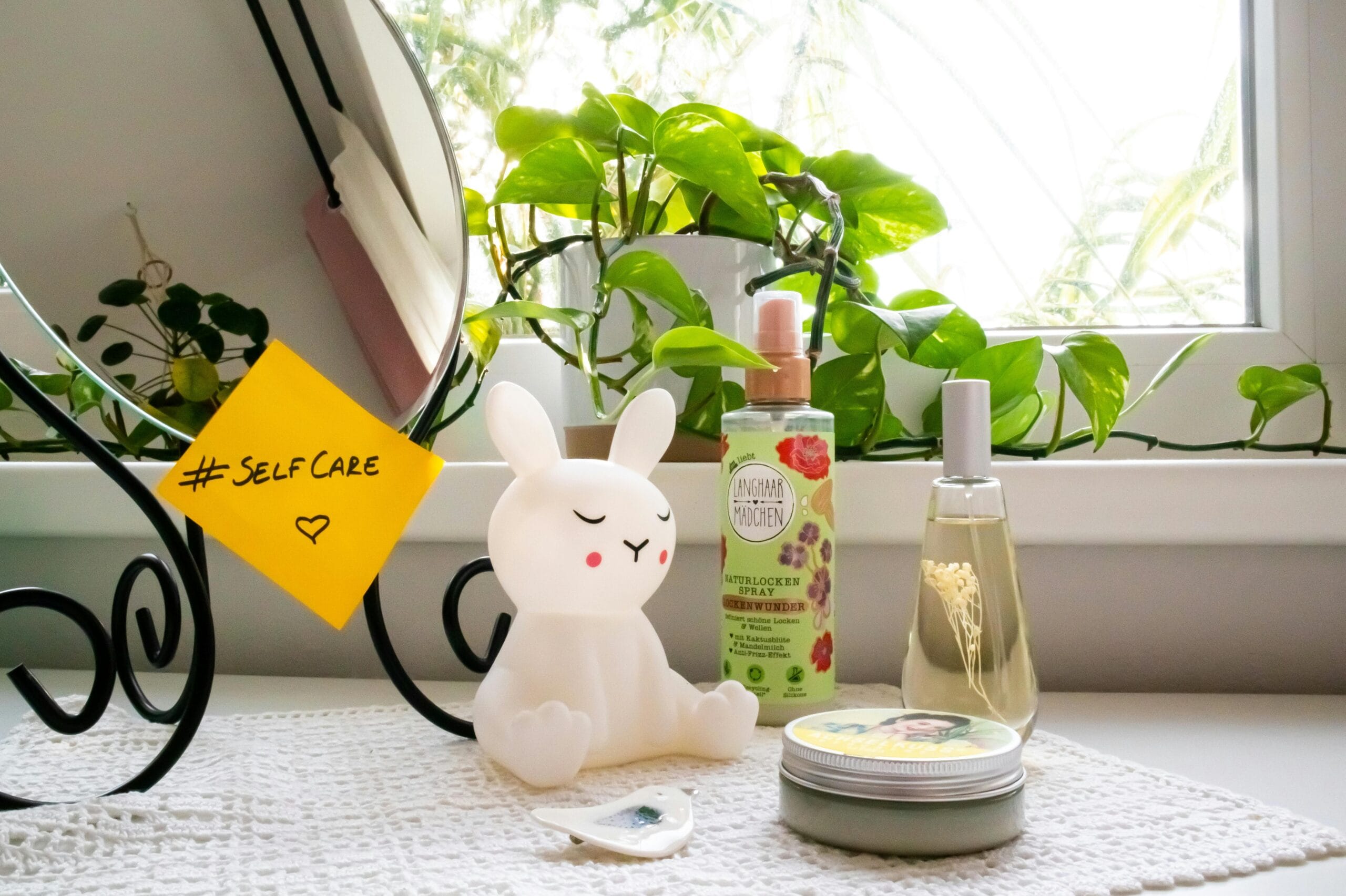
According to the National Institute of Mental Health, approximately 19.1% of adults in the United States experience at least one major depressive episode in their lifetime, often accompanied by anxiety. Building a simple self-care routine that actually reduces anxiety can be a powerful tool in managing these conditions. By incorporating self-care into your daily life, you can better cope with anxiety and improve your overall mental health. In this article, we will explore how to create a self-care routine tailored to your needs, focusing on reducing anxiety and promoting well-being.
To get started, it’s essential to understand that self-care is not a one-size-fits-all approach. What works for one person may not work for another. Therefore, we will discuss various strategies and techniques to help you build a personalized self-care routine. We will cover topics such as mindfulness, exercise, nutrition, and relaxation techniques, all of which can help reduce anxiety and improve your mental health.
As we delve into the world of self-care, remember that small steps can lead to significant changes. By committing to a self-care routine, you are taking the first step towards a healthier, happier you. So, let’s begin our journey to building a simple self-care routine that actually reduces anxiety.
Understanding Anxiety and Self-Care
Anxiety is a common mental health condition characterized by feelings of worry, nervousness, and fear. It can be overwhelming and affect daily life. Self-care is an essential component of anxiety management, as it helps individuals develop healthy coping mechanisms and reduces symptoms. By understanding the relationship between anxiety and self-care, you can create a routine that addresses your specific needs.
Self-care is not just about pampering yourself; it’s about taking care of your physical, emotional, and mental well-being. It involves engaging in activities that promote relaxation, stress reduction, and overall health. By incorporating self-care into your daily routine, you can better manage anxiety and improve your quality of life.
Identifying Your Anxiety Triggers
To build an effective self-care routine, it’s crucial to identify your anxiety triggers. These can be people, places, situations, or events that cause you to feel anxious or stressed. Once you understand your triggers, you can develop strategies to avoid or manage them. Keep a journal or talk to a therapist to help you identify your anxiety triggers.
- Common anxiety triggers: work, relationships, finances, and health concerns
- Personal triggers: specific situations, people, or events that cause you anxiety
- Environmental triggers: noise, crowds, or clutter that contribute to your anxiety
Building a Morning Self-Care Routine
Starting your day with a self-care routine can set a positive tone and help reduce anxiety. A morning routine can include activities such as meditation, yoga, or journaling. These practices can help you feel more grounded and prepared to face the day ahead.
- Step 1: Wake up 15-30 minutes earlier to allow time for self-care activities
- Step 2: Engage in a relaxing activity, such as meditation or deep breathing exercises
- Step 3: Practice gratitude by writing down three things you are thankful for
By incorporating a morning self-care routine into your daily life, you can improve your mental health and reduce anxiety. Remember to be consistent and patient, as developing a new routine takes time.
Incorporating Exercise into Your Self-Care Routine
Exercise is a natural anxiety-reducer and can be a powerful tool in your self-care routine. Regular physical activity can help reduce symptoms of anxiety and depression, improve mood, and enhance overall well-being. Find an exercise that you enjoy, whether it’s walking, running, swimming, or dancing, and make it a regular part of your routine.
It’s essential to listen to your body and start slowly. Begin with short, manageable sessions and gradually increase the duration and intensity as you become more comfortable. Exercise should be a positive and enjoyable experience, not a source of stress or anxiety.
Benefits of Exercise for Anxiety
Exercise has numerous benefits for anxiety, including reducing symptoms, improving mood, and enhancing sleep quality. Regular physical activity can also increase self-esteem and body confidence, leading to a more positive overall outlook.
- Reduces symptoms of anxiety and depression
- Improves mood and reduces stress
- Enhances sleep quality
Nutrition and Self-Care
A healthy diet is essential for maintaining good mental health and reducing anxiety. Focus on consuming whole, nutrient-dense foods, including fruits, vegetables, whole grains, lean proteins, and healthy fats. Avoid sugary and processed foods that can exacerbate anxiety symptoms.
Stay hydrated by drinking plenty of water throughout the day. Aim for at least eight glasses of water per day, and consider incorporating herbal teas or other low-caffeine beverages into your routine.
Healthy Eating Tips for Anxiety
Healthy eating can help reduce anxiety symptoms and improve overall well-being. Focus on whole foods, and avoid sugary and processed snacks.
- Step 1: Plan your meals in advance to ensure healthy eating
- Step 2: Shop for whole foods, including fruits, vegetables, and whole grains
- Step 3: Cook at home using healthy recipes and ingredients
Relaxation Techniques for Anxiety Reduction
Relaxation techniques, such as deep breathing, progressive muscle relaxation, and visualization, can help reduce anxiety symptoms. These techniques can be practiced anywhere, at any time, and can be adapted to suit your individual needs.
Start by finding a quiet, comfortable space where you can practice relaxation techniques without distractions. Close your eyes, take a few deep breaths, and focus on the present moment.
Guided Relaxation Techniques
Guided relaxation techniques can be a powerful tool in reducing anxiety. Listen to guided recordings or work with a therapist to develop a personalized relaxation plan.
- Deep breathing exercises to reduce stress and anxiety
- Progressive muscle relaxation to release physical tension
- Visualization techniques to promote relaxation and calmness
Building a Support Network
Surrounding yourself with a supportive network of friends, family, and mental health professionals can help you manage anxiety and improve your overall well-being. Don’t be afraid to reach out for help when you need it, and prioritize building strong relationships with those around you.
A support network can provide emotional support, practical help, and a sense of belonging. It can also help you stay accountable and motivated in your self-care journey.
Benefits of a Support Network
A support network can have numerous benefits for anxiety management, including emotional support, practical help, and a sense of belonging.
- Emotional support and validation
- Practical help and assistance
- Sense of belonging and connection
Frequently Asked Questions
Question 1: What is self-care, and why is it important for anxiety reduction?
Self-care refers to the practice of taking care of one’s physical, emotional, and mental well-being. It is essential for anxiety reduction as it helps individuals develop healthy coping mechanisms and reduces symptoms.
Question 2: How can I incorporate self-care into my busy schedule?
Start by identifying small pockets of time in your daily routine where you can practice self-care, such as during your morning commute or before bed. Begin with short, manageable sessions and gradually increase the duration and intensity as you become more comfortable.
Question 3: What are some common self-care activities for anxiety reduction?
Common self-care activities for anxiety reduction include meditation, yoga, deep breathing exercises, and progressive muscle relaxation. These techniques can help reduce symptoms of anxiety and improve overall well-being.
Question 4: How can I prioritize self-care when I’m feeling overwhelmed?
When feeling overwhelmed, it’s essential to prioritize self-care by taking small steps. Start by engaging in a relaxing activity, such as taking a warm bath or listening to calming music. Gradually increase your self-care activities as you become more comfortable.
Question 5: What if I’m not sure where to start with self-care?
If you’re not sure where to start with self-care, consider seeking guidance from a mental health professional or a qualified self-care coach. They can help you develop a personalized self-care plan tailored to your needs and goals.
Key Takeaways
In conclusion, building a simple self-care routine that actually reduces anxiety requires patience, commitment, and a willingness to try new things. By incorporating self-care into your daily life, you can better manage anxiety and improve your overall well-being.
- Start small and be consistent with your self-care routine
- Identify your anxiety triggers and develop strategies to manage them
- Incorporate exercise, nutrition, and relaxation techniques into your self-care routine
- Build a support network of friends, family, and mental health professionals
- Prioritize self-care and make it a non-negotiable part of your daily routine
Remember, self-care is not a one-size-fits-all approach. Be patient, and don’t be afraid to try new things. With time and practice, you can develop a self-care routine that reduces anxiety and improves your overall well-being. If you’re struggling with anxiety or other mental health concerns, consider reaching out to a qualified mental health professional for guidance and support.
By prioritizing self-care and making it a non-negotiable part of your daily routine, you can take the first step towards a healthier, happier you. So, start your self-care journey today, and remember that you are not alone in your struggles with anxiety.
Resources
- SAMHSA National Helpline: 1-800-662-4357 (24/7 free, confidential support)
- National Alliance on Mental Illness (NAMI) Helpline: 1-800-950-6264 (Monday-Friday, 10am-6pm ET)
- Crisis Text Line: Text “HOME” to 741741 (24/7 free, confidential support)
- Anxiety and Depression Association of America (ADAA): [www.adaa.org](http://www.adaa.org)
Disclaimer: This article is for informational purposes only and does not constitute medical advice. Always consult with qualified healthcare professionals for diagnosis and treatment of anxiety and other mental health conditions.