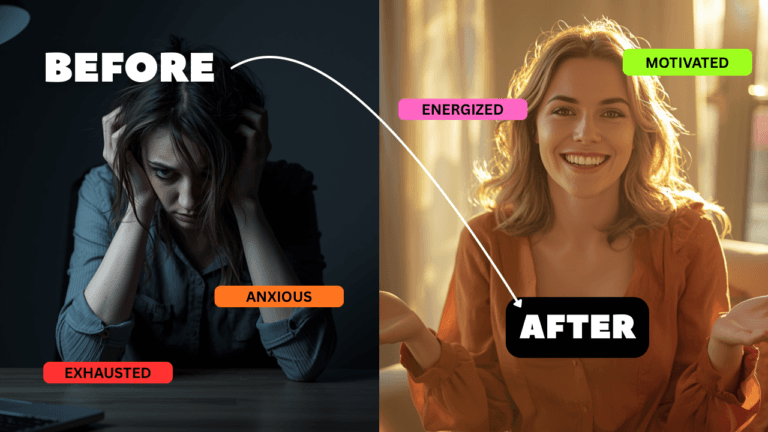

Do you often feel like you’re just going through the motions, disconnected from your emotions and the world around you? You’re not alone. Approximately 1 in 5 adults in the United States experience mental illness each year, with many struggling to build emotional awareness. Emotional awareness, or the ability to recognize and understand your emotions, is a crucial aspect of mental health and well-being. In this article, we’ll explore how to build emotional awareness if you feel disconnected, using strategies and techniques to help you reconnect with your emotions and improve your overall mental health.
To start, it’s essential to understand that building emotional awareness takes time and practice. It’s not something that can be developed overnight, but with consistent effort, you can become more attuned to your emotions and better equipped to manage them. Throughout this article, we’ll cover various topics related to emotional awareness, including recognizing emotional triggers, practicing mindfulness, and developing emotional regulation skills. By the end of this journey, you’ll have a deeper understanding of your emotions and the tools needed to cultivate emotional awareness.
As we delve into the world of emotional awareness, remember that it’s a personal and unique experience. What works for one person may not work for another, so it’s crucial to be patient and compassionate with yourself as you navigate this process. With an open mind and a willingness to learn, you can develop the emotional awareness needed to live a more authentic, fulfilling life. Therefore, let’s begin our exploration of emotional awareness and discover how it can positively impact your life.
Understanding Emotional Awareness and Its Importance
Emotional awareness is the ability to recognize and understand your emotions, as well as the emotions of others. It’s a vital aspect of emotional intelligence, which enables you to navigate complex social situations, build strong relationships, and make informed decisions. When you have high emotional awareness, you’re better equipped to manage stress, anxiety, and other negative emotions, leading to improved mental health and well-being.
However, building emotional awareness can be challenging, especially if you’ve experienced trauma, stress, or other adverse events. These experiences can lead to emotional numbing or disconnection, making it difficult to recognize and understand your emotions. Therefore, it’s essential to approach emotional awareness with sensitivity and compassion, acknowledging that it’s a process that takes time and effort.
Benefits of Emotional Awareness
Developing emotional awareness offers numerous benefits, including improved mental health, stronger relationships, and increased emotional intelligence. When you’re emotionally aware, you’re better able to recognize and manage your emotions, leading to reduced stress, anxiety, and depression. Additionally, emotional awareness enables you to communicate more effectively, empathize with others, and build deeper, more meaningful relationships.
- Improved mental health: Emotional awareness helps you recognize and manage negative emotions, reducing the risk of mental health issues like depression and anxiety.
- Stronger relationships: By understanding and empathizing with others, you can build stronger, more meaningful relationships and communicate more effectively.
- Increased emotional intelligence: Emotional awareness is a key component of emotional intelligence, enabling you to navigate complex social situations and make informed decisions.
Recognizing Emotional Triggers
Emotional triggers are events, people, or situations that elicit an emotional response. Recognizing your emotional triggers is crucial for building emotional awareness, as it enables you to anticipate and prepare for situations that may trigger negative emotions. To identify your emotional triggers, take time to reflect on your emotions and the events that precede them. Ask yourself: What happened before I felt this way? What people, places, or things are associated with this emotion?
- Keep a journal: Writing down your emotions and the events that precede them can help you identify patterns and triggers.
- Practice self-reflection: Take time to reflect on your emotions and the situations that elicit them, asking yourself questions like: What happened before I felt this way?
- Seek feedback from others: Ask trusted friends, family, or a therapist for their observations and insights into your emotional triggers.
By recognizing your emotional triggers, you can develop strategies to manage and cope with them, reducing the risk of negative emotional responses. This, in turn, can help you build emotional awareness and improve your overall mental health and well-being.



Practicing Mindfulness and Self-Compassion
Mindfulness and self-compassion are essential practices for building emotional awareness. Mindfulness involves being present in the moment, paying attention to your thoughts, feelings, and sensations without judgment. Self-compassion involves treating yourself with kindness, understanding, and patience, especially when you’re experiencing difficult emotions. By practicing mindfulness and self-compassion, you can develop a greater awareness of your emotions and learn to approach them with curiosity and openness.
There are many ways to practice mindfulness and self-compassion, including meditation, deep breathing, and yoga. These practices can help you cultivate a greater sense of awareness and understanding of your emotions, enabling you to manage them more effectively. Additionally, mindfulness and self-compassion can help you develop a more positive and compassionate relationship with yourself, leading to increased self-esteem and confidence.
Mindfulness Exercises
Mindfulness exercises can help you develop greater awareness of your emotions and thoughts. Try the following exercises to cultivate mindfulness and self-compassion:
- Body scan meditation: Lie down or sit comfortably, bringing your attention to different parts of your body, noticing any sensations or feelings without judgment.
- Deep breathing exercises: Focus on your breath, noticing the sensation of the air entering and leaving your nostrils, and the rise and fall of your chest or belly.
- Walking meditation: Pay attention to your feet touching the ground, the sensation of each step, and the movement of your body as you walk.
Developing Emotional Regulation Skills
Emotional regulation skills involve the ability to manage and modulate your emotions, reducing the risk of negative emotional responses. Developing emotional regulation skills is crucial for building emotional awareness, as it enables you to recognize and manage your emotions in a healthy and constructive way. To develop emotional regulation skills, try the following strategies:
- Label your emotions: Identify and label your emotions, acknowledging how you feel and why.
- Take a break: Step away from the situation or stimulus that’s triggering your emotions, taking time to calm down and reflect.
- Practice relaxation techniques: Use relaxation techniques like deep breathing, progressive muscle relaxation, or visualization to calm your body and mind.
By developing emotional regulation skills, you can better manage your emotions, reducing the risk of negative emotional responses and improving your overall mental health and well-being.



Building Emotional Awareness in Daily Life
Building emotional awareness is not limited to specific practices or exercises; it can be integrated into daily life. By paying attention to your emotions and the emotions of others, you can develop a greater awareness of the emotional landscape around you. Try the following strategies to build emotional awareness in daily life:
- Practice active listening: Pay attention to others, listening attentively to their words, tone, and body language.
- Ask open-ended questions: Encourage others to share their thoughts and feelings by asking open-ended questions that foster deeper conversation.
- Express yourself authentically: Share your own emotions and thoughts with others, being honest and authentic in your interactions.
By building emotional awareness in daily life, you can develop stronger, more meaningful relationships and improve your overall mental health and well-being.
Overcoming Emotional Disconnection
Emotional disconnection can be a significant obstacle to building emotional awareness. When you’re disconnected from your emotions, it can be challenging to recognize and understand them. To overcome emotional disconnection, try the following strategies:
- Seek professional help: Consult with a therapist or counselor who can help you work through emotional disconnection and develop emotional awareness.
- Practice self-care: Engage in activities that promote relaxation and stress reduction, such as exercise, meditation, or spending time in nature.
- Connect with others: Build and maintain social connections with others, sharing your emotions and experiences with trusted friends and family.
By overcoming emotional disconnection, you can develop a greater awareness of your emotions and improve your overall mental health and well-being.
Frequently Asked Questions
Question 1: What is emotional awareness, and why is it important?
Emotional awareness is the ability to recognize and understand your emotions, as well as the emotions of others. It’s essential for building strong relationships, managing stress and anxiety, and improving overall mental health and well-being.
Question 2: How can I develop emotional awareness if I feel disconnected from my emotions?
To develop emotional awareness if you feel disconnected, try practicing mindfulness and self-compassion, recognizing emotional triggers, and developing emotional regulation skills. Additionally, seek professional help if you’re struggling to connect with your emotions.
Question 3: What are some common signs of emotional disconnection?
Common signs of emotional disconnection include feeling numb or detached from your emotions, struggling to recognize and understand your emotions, and having difficulty forming and maintaining meaningful relationships.
Question 4: Can emotional awareness be developed at any age?
Yes, emotional awareness can be developed at any age. While it’s easier to develop emotional awareness in childhood and adolescence, it’s never too late to start working on building emotional awareness and improving your mental health and well-being.
Question 5: How long does it take to develop emotional awareness?
Developing emotional awareness is a process that takes time, patience, and practice. It’s not something that can be developed overnight, but with consistent effort and dedication, you can build emotional awareness and improve your overall mental health and well-being.
Key Takeaways
In conclusion, building emotional awareness is a journey that requires patience, compassion, and dedication. By practicing mindfulness and self-compassion, recognizing emotional triggers, and developing emotional regulation skills, you can develop a greater awareness of your emotions and improve your overall mental health and well-being.
- Emotional awareness is essential for building strong relationships and managing stress and anxiety.
- Mindfulness and self-compassion are crucial practices for developing emotional awareness.
- Recognizing emotional triggers and developing emotional regulation skills can help you manage and modulate your emotions.
- Building emotional awareness in daily life can improve your relationships and overall mental health and well-being.
- Seeking professional help and practicing self-care can help you overcome emotional disconnection and develop emotional awareness.
If you’re struggling to build emotional awareness or feel disconnected from your emotions, remember that you’re not alone. There are many resources available to help you develop emotional awareness and improve your mental health and well-being. Don’t hesitate to reach out to a trusted friend, family member, or mental health professional for support and guidance. By taking the first step towards building emotional awareness, you can embark on a journey of self-discovery and growth, leading to a more authentic, fulfilling life.
Remember, building emotional awareness is a process that takes time, patience, and practice. Be gentle with yourself, and don’t give up, even when the journey gets challenging. With persistence and dedication, you can develop the emotional awareness needed to live a more meaningful, connected life, and improve your overall mental health and well-being, including building emotional awareness if you feel disconnected.
Resources
- SAMHSA National Helpline: 1-800-662-4357 (24/7 free, confidential support)
- National Alliance on Mental Illness (NAMI) Helpline: 1-800-950-6264 (Monday – Friday, 10am – 6pm EST)
- Crisis Text Line: Text HOME to 741741 (24/7 free, confidential support)
- Mental Health America: [www.mentalhealthamerica.net](http://www.mentalhealthamerica.net) (online resources and support)
Disclaimer: This article is for informational purposes only and does not constitute medical advice. Always consult with qualified healthcare professionals for diagnosis and treatment of mental health issues.