
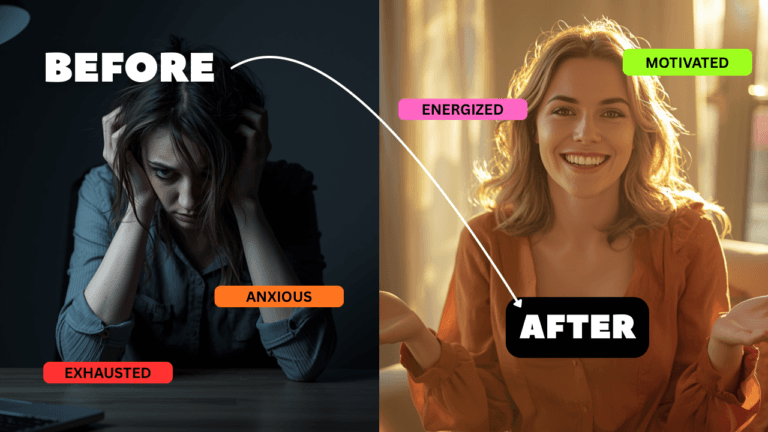
Anxiety affects over 40 million adults in the United States, making it one of the most common mental health conditions. If you’re struggling with anxiety, you’re likely looking for ways to calm your mind and body. Fortunately, there are many natural methods to reduce anxiety, and in this article, we’ll explore how to calm anxiety naturally in 6 beginner-friendly steps, focusing on the primary keyword: calming anxiety naturally.
Calming anxiety naturally is a process that requires patience, self-care, and a willingness to try new techniques. By incorporating these 6 steps into your daily routine, you can learn to manage your anxiety and improve your overall well-being. From deep breathing exercises to mindfulness meditation, we’ll cover a range of effective methods to help you calm anxiety naturally.
Before we dive into the 6 steps, it’s essential to understand that everyone’s experience with anxiety is unique, and what works for one person may not work for another. Therefore, it’s crucial to experiment with different techniques and find what works best for you. With that said, let’s get started on our journey to calm anxiety naturally.
Understanding Anxiety and Its Symptoms
Anxiety is a normal human emotion that can manifest in different ways, including feelings of worry, fear, and apprehension. To calm anxiety naturally, it’s essential to understand its symptoms, which can range from mild to severe. Common symptoms of anxiety include a racing heart, sweating, and difficulty concentrating.
By recognizing the physical and emotional symptoms of anxiety, you can take the first step towards calming anxiety naturally. This involves acknowledging your feelings and accepting that it’s okay to feel anxious. Remember, anxiety is not a sign of weakness, but rather a signal that something needs to change.
Common Anxiety Triggers
Identifying your anxiety triggers is crucial to calming anxiety naturally. Common triggers include stress, lack of sleep, and certain foods or substances. By becoming aware of your triggers, you can take steps to avoid or manage them, reducing your anxiety levels.
- Stress: High levels of stress can exacerbate anxiety. Engage in stress-reducing activities like exercise or meditation to help manage stress.
- Lack of Sleep: Poor sleep quality can contribute to anxiety. Establish a consistent sleep schedule and create a relaxing bedtime routine to improve sleep.
- Unhealthy Foods: Consuming unhealthy foods can worsen anxiety. Focus on eating a balanced diet rich in whole foods, fruits, and vegetables.
Deep Breathing Exercises for Anxiety Relief
Deep breathing exercises are a simple yet effective way to calm anxiety naturally. By focusing on your breath, you can calm your mind and reduce physical symptoms of anxiety. To get started, find a quiet and comfortable space to sit or lie down, and follow these steps:
- Step 1: Close your eyes and take a deep breath in through your nose, filling your lungs completely.
- Step 2: Hold your breath for a few seconds, feeling the air fill your lungs.
- Step 3: Slowly exhale through your mouth, emptying your lungs completely.
Repeat this process several times, focusing on your breath and letting go of any distracting thoughts. Deep breathing exercises can be done anywhere, at any time, making them a convenient and effective way to calm anxiety naturally.
Mindfulness Meditation for Anxiety Reduction
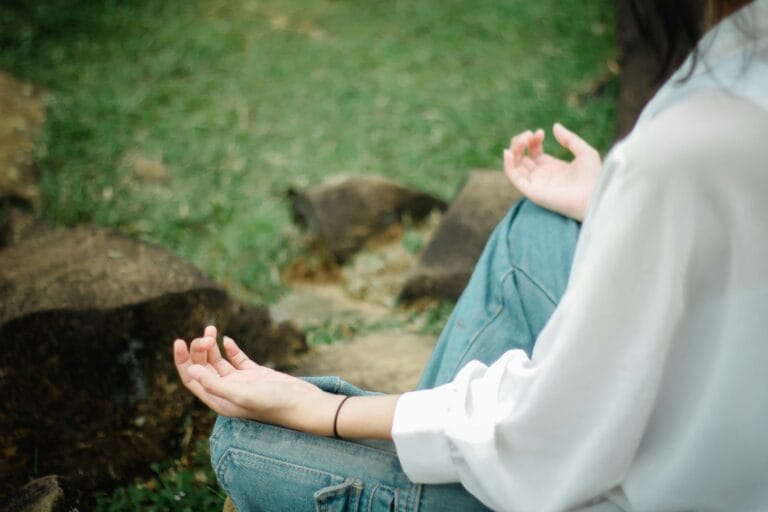
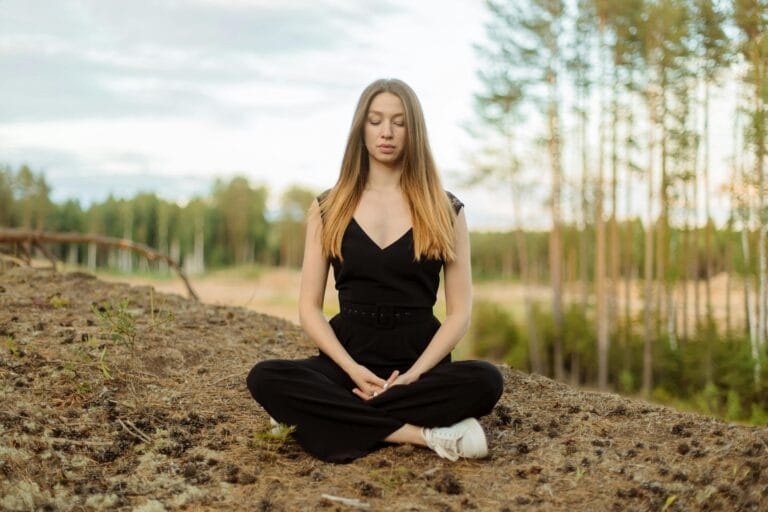
Mindfulness meditation is a powerful tool for reducing anxiety and promoting relaxation. By focusing on the present moment, you can calm your mind and reduce worries about the future or past. To get started with mindfulness meditation, follow these steps:
- Step 1: Find a quiet and comfortable space to sit or lie down, closing your eyes and taking a few deep breaths.
- Step 2: Focus on your breath, feeling the sensation of the air entering and leaving your nostrils.
- Step 3: When your mind wanders, gently bring your attention back to your breath, without judgment.
Start with short meditation sessions, such as 5-10 minutes, and gradually increase the duration as you become more comfortable with the practice. Mindfulness meditation can be done anywhere, at any time, making it a convenient and effective way to calm anxiety naturally.
Physical Activity for Anxiety Relief
Regular physical activity is essential for reducing anxiety and promoting overall well-being. Exercise has been shown to reduce symptoms of anxiety by releasing endorphins, also known as “feel-good” hormones. To get started, find an activity you enjoy, such as walking, running, or swimming, and aim to do it for at least 30 minutes, 3-4 times a week.
In addition to reducing anxiety, physical activity can also improve sleep quality, boost mood, and increase energy levels. Find a workout buddy or join a fitness class to make exercise more enjoyable and help you stay motivated.
Grounding Techniques for Anxiety Relief
Grounding techniques are a simple yet effective way to calm anxiety naturally. By focusing on your senses, you can bring yourself back to the present moment and reduce feelings of anxiety. To get started, try the following grounding techniques:
- 5-4-3-2-1 Exercise: Notice 5 things you can see, 4 things you can touch, 3 things you can hear, 2 things you can smell, and 1 thing you can taste.
- Deep Pressure: Apply deep pressure to your body, such as hugging yourself or using a weighted blanket, to release tension and promote relaxation.
- Progressive Muscle Relaxation: Tense and then relax different muscle groups in your body, starting with your toes and moving up to your head.
Nutrition and Anxiety Relief
A healthy diet is essential for reducing anxiety and promoting overall well-being. Focus on consuming whole, nutrient-dense foods, such as fruits, vegetables, whole grains, and lean proteins. Avoid sugary and processed foods, which can exacerbate anxiety.
In addition to a balanced diet, consider incorporating anxiety-reducing supplements, such as omega-3 fatty acids, vitamin D, and magnesium. However, always consult with a healthcare professional before adding any new supplements to your routine.
Frequently Asked Questions
Question 1: What is the best way to calm anxiety naturally?
The best way to calm anxiety naturally is to experiment with different techniques, such as deep breathing exercises, mindfulness meditation, and physical activity, to find what works best for you.
Question 2: Can anxiety be cured naturally?
While anxiety cannot be “cured” in the classical sense, it can be managed and reduced naturally through a combination of self-care techniques, lifestyle changes, and professional help.
Question 3: How long does it take to see results from natural anxiety relief methods?
The time it takes to see results from natural anxiety relief methods can vary depending on the individual and the techniques used. Some people may experience relief within a few days, while others may take several weeks or months to notice a significant reduction in anxiety symptoms.
Question 4: Can I use natural anxiety relief methods in conjunction with medication?
Yes, natural anxiety relief methods can be used in conjunction with medication. However, always consult with a healthcare professional before starting or stopping any medication or supplement regimen.
Question 5: What are some additional resources for anxiety relief?
Additional resources for anxiety relief include support groups, therapy sessions, and online resources, such as anxiety apps and forums. Consult with a healthcare professional for personalized recommendations.
Key Takeaways
In conclusion, calming anxiety naturally requires patience, self-care, and a willingness to try new techniques. By incorporating the 6 beginner-friendly steps outlined in this article, you can learn to manage your anxiety and improve your overall well-being.
- Practice deep breathing exercises to calm your mind and body.
- Engage in mindfulness meditation to reduce worries and promote relaxation.
- Regularly exercise to release endorphins and improve mood.
- Use grounding techniques to bring yourself back to the present moment.
- Fuel your body with a balanced diet and consider incorporating anxiety-reducing supplements.
- Seek professional help and support when needed.
If you’re struggling with anxiety, remember that you’re not alone. Reach out to a healthcare professional or a trusted friend or family member for support. With the right tools and techniques, you can learn to calm anxiety naturally and improve your overall quality of life.
By following these 6 beginner-friendly steps and incorporating them into your daily routine, you can take the first step towards calming anxiety naturally and living a happier, healthier life. Remember, calming anxiety naturally is a journey, and it’s okay to take it one step at a time.
Resources
- National Alliance on Mental Illness (NAMI) Helpline: 1-800-950-6264 (Monday – Friday, 10am – 6pm EST)
- Anxiety and Depression Association of America (ADAA): [www.adaa.org](http://www.adaa.org)
- Crisis Text Line: Text “HOME” to 741741 (24/7 free, confidential support)
- SAMHSA National Helpline: 1-800-662-4357 (24/7 free, confidential support)
Disclaimer: This article is for informational purposes only and does not constitute medical advice. Always consult with qualified healthcare professionals for diagnosis and treatment of anxiety disorders.

Thank you for such a comprehensive guide, Ms. Rimsha. I especially found the section on grounding techniques like the 5-4-3-2-1 exercise helpful for immediate relief. As I’m trying to build a more holistic routine, I’ve been researching how digital lifestyle choices impact mental clarity. I came across some interesting perspectives on balancing a borderless, mindful life over at https://www.livingserenely.com/blog.html and was wondering if you believe that simplifying one’s digital and administrative “clutter” (like the fiscal or travel stresses mentioned there) is as vital for calming anxiety as the physical practices you outlined?