Anxiety affects over 40 million adults in the United States, making it one of the most common mental health conditions. If you’re struggling with anxiety, you’re not alone, and there is hope for relief. Learning how to calm anxiety naturally can be a powerful step towards taking control of your mental health. In this article, we’ll explore six beginner-friendly steps to help you calm anxiety naturally and find peace in your daily life.
Before we dive into the steps, it’s essential to understand that anxiety is a natural response to stress, and it can be managed with the right techniques and strategies. By incorporating these six steps into your daily routine, you can learn how to calm anxiety naturally and improve your overall well-being. So, let’s get started on this journey to a more peaceful and anxiety-free life.
As we explore these steps, remember that it’s crucial to be patient and compassionate with yourself. Overcoming anxiety takes time, and it’s essential to focus on progress, not perfection. With that in mind, let’s move on to the first step in learning how to calm anxiety naturally.
Understanding and Accepting Your Anxiety
The first step in calming anxiety naturally is to understand and accept your anxiety. This means acknowledging your feelings and recognizing the physical and emotional symptoms of anxiety. By understanding your anxiety, you can begin to develop a more compassionate and non-judgmental relationship with yourself. Remember, anxiety is not a sign of weakness, and it’s essential to approach it with kindness and curiosity.
Take a few moments to reflect on your anxiety. What triggers it? How does it make you feel? What are the physical symptoms you experience when you’re anxious? By understanding your anxiety, you can begin to develop a personalized plan to calm it naturally.
Identifying Your Triggers
Identifying your triggers is a crucial step in understanding your anxiety. Triggers can be people, places, situations, or even thoughts that set off your anxiety. By recognizing your triggers, you can begin to develop strategies to avoid or manage them. Keep a journal or talk to a therapist to help you identify your triggers and develop a plan to overcome them.
Deep Breathing Exercises for Anxiety Relief
Deep breathing exercises are a powerful tool for calming anxiety naturally. When we’re anxious, our breathing becomes shallow and rapid, which can exacerbate our anxiety. By practicing deep breathing exercises, you can slow down your heart rate, lower your blood pressure, and calm your mind. Here are a few simple steps to get you started:
- Find a quiet space: Sit comfortably in a quiet space where you can focus on your breath.
- Close your eyes: Close your eyes and take a deep breath in through your nose, filling your lungs completely.
- Hold your breath: Hold your breath for a few seconds, feeling the air fill your lungs.
- Exhale slowly: Slowly exhale through your mouth, feeling the air leave your lungs.
Remember, the key to deep breathing exercises is to focus on your breath and let go of distracting thoughts. With regular practice, you can use deep breathing exercises to calm your anxiety and find peace in the present moment.
Physical Activity for Anxiety Reduction
Regular physical activity is a natural anxiety reducer. Exercise can help reduce stress and anxiety by releasing endorphins, also known as “feel-good” hormones. Here are a few ways to incorporate physical activity into your daily routine:
- Walking: Take a short walk around your neighborhood or office building to clear your mind and boost your mood.
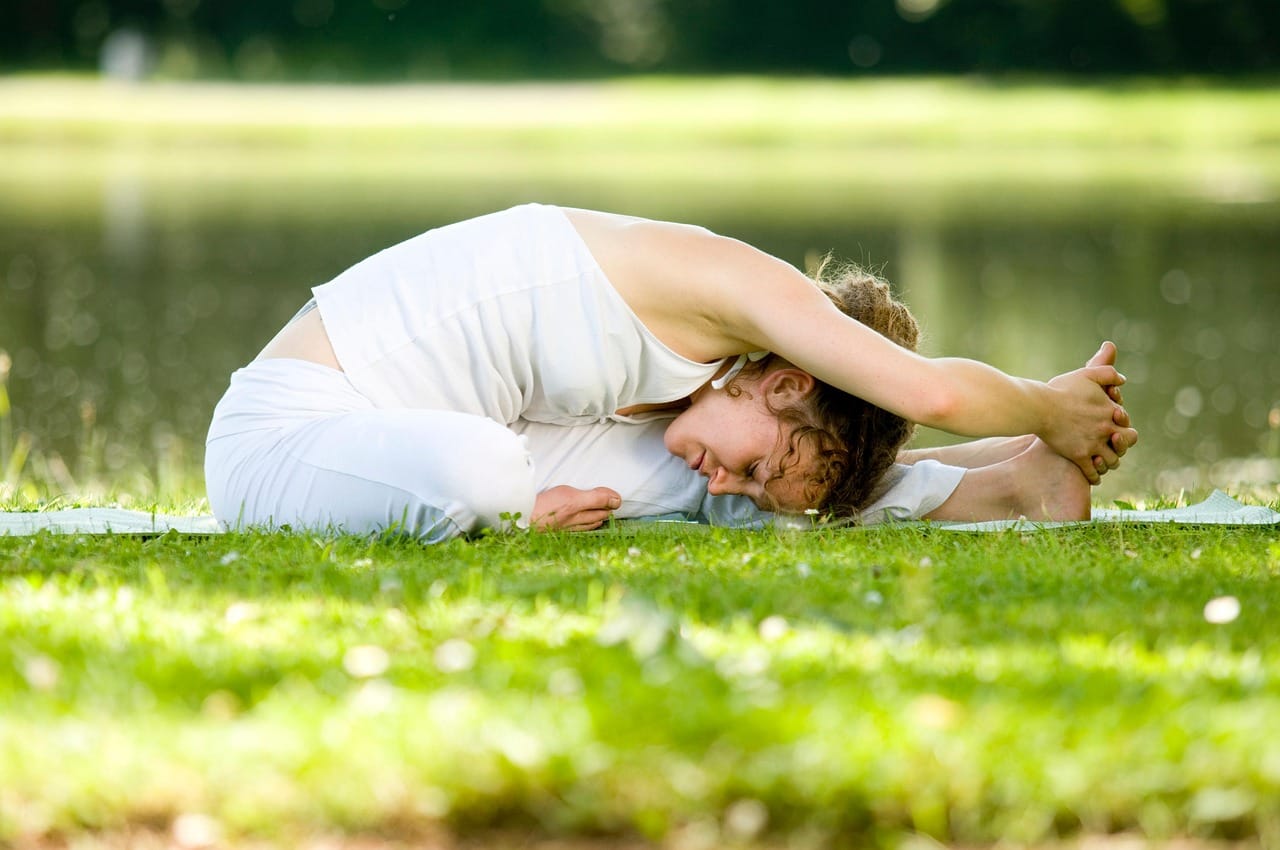
- Yoga: Practice yoga to combine physical movement with deep breathing and meditation.
- Swimming: Swim laps or take a water aerobics class to get your heart rate up and reduce anxiety.
Remember, the most important thing is to find a physical activity that you enjoy and that makes you feel good. Exercise shouldn’t be a chore, so experiment with different activities until you find one that works for you.
Mindfulness and Meditation for Anxiety Relief
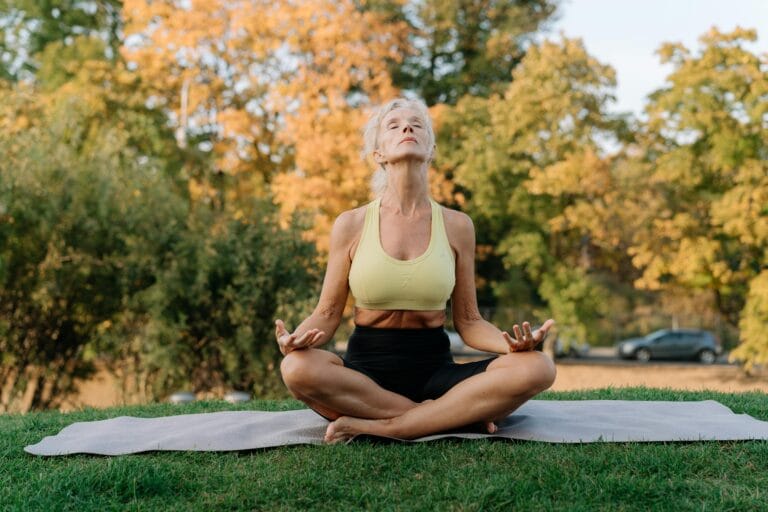
Mindfulness and meditation are powerful tools for calming anxiety naturally. By focusing on the present moment, you can let go of worries about the past or future and find peace in the here and now. Here are a few simple steps to get you started:
- Find a quiet space: Sit comfortably in a quiet space where you can focus on your breath.
- Close your eyes: Close your eyes and take a deep breath in, feeling the air fill your lungs.
- Focus on your breath: Focus on your breath, feeling the sensation of the air moving in and out of your body.
Remember, the goal of mindfulness and meditation isn’t to stop your thoughts completely, but to learn to observe them without judgment. With regular practice, you can use mindfulness and meditation to calm your anxiety and find peace in the present moment.
Grounding Techniques for Anxiety Relief
Grounding techniques are a powerful tool for calming anxiety naturally. By focusing on your five senses, you can bring yourself back to the present moment and let go of anxious thoughts. Here are a few simple steps to get you started:
- Notice your feet: Notice the sensation of your feet touching the ground, feeling the weight and texture of your feet.
- Listen to sounds: Listen to the sounds around you, noticing the different frequencies and volumes.
- Smell the air: Smell the air, noticing the different scents and aromas.
Remember, the goal of grounding techniques is to focus on the present moment and let go of anxious thoughts. By using your senses, you can bring yourself back to the present and find peace in the here and now.
Nutrition and Diet for Anxiety Reduction
A healthy diet is essential for reducing anxiety naturally. By fueling your body with nutrient-rich foods, you can support your mental health and reduce anxiety. Here are a few simple tips to get you started:
- Eat complex carbohydrates: Eat complex carbohydrates like whole grains, fruits, and vegetables to support your mood and reduce anxiety.
- Incorporate omega-3 fatty acids: Incorporate omega-3 fatty acids like salmon, walnuts, and chia seeds to support your brain health and reduce anxiety.
- Stay hydrated: Stay hydrated by drinking plenty of water throughout the day to support your mood and reduce anxiety.
Remember, a healthy diet is just one part of reducing anxiety naturally. By combining a balanced diet with regular exercise, mindfulness, and self-care, you can support your mental health and find peace in your daily life.
Frequently Asked Questions
Question 1: What is the best way to calm anxiety naturally?
The best way to calm anxiety naturally is to combine deep breathing exercises, physical activity, mindfulness, and self-care. Everyone is unique, so it’s essential to experiment with different techniques to find what works best for you.
Question 2: Can anxiety be cured?
Anxiety is a common mental health condition that can be managed with the right techniques and strategies. While it may not be possible to “cure” anxiety completely, you can learn to manage it and reduce its impact on your daily life.
Question 3: How long does it take to see results from natural anxiety relief techniques?
The amount of time it takes to see results from natural anxiety relief techniques can vary depending on the individual and the techniques used. Some people may see results immediately, while others may take several weeks or months to notice a difference.
Question 4: Are natural anxiety relief techniques safe?
Natural anxiety relief techniques are generally safe and can be used in conjunction with traditional therapy and medication. However, it’s essential to talk to a healthcare professional before starting any new techniques, especially if you have a pre-existing medical condition.
Question 5: Can I use natural anxiety relief techniques in combination with medication?
Yes, natural anxiety relief techniques can be used in combination with medication. In fact, many people find that combining natural techniques with traditional therapy and medication can be an effective way to manage anxiety.
Key Takeaways
In conclusion, learning how to calm anxiety naturally takes time and patience, but it’s possible with the right techniques and strategies. By incorporating deep breathing exercises, physical activity, mindfulness, and self-care into your daily routine, you can reduce anxiety and improve your overall well-being. Remember, anxiety is a common mental health condition that can be managed with the right support and resources.
- Deep breathing exercises can help calm anxiety naturally
- Physical activity can reduce stress and anxiety
- Mindfulness and meditation can help you focus on the present moment
- Grounding techniques can help you focus on your five senses
- A healthy diet is essential for reducing anxiety naturally
If you’re struggling with anxiety, don’t hesitate to reach out for help. Talk to a healthcare professional, therapist, or support group to get the support you need. Remember, you’re not alone, and there is hope for relief. By learning how to calm anxiety naturally, you can take the first step towards a more peaceful and anxiety-free life.
So, take a deep breath, be kind to yourself, and remember that you are capable of overcoming anxiety. With patience, persistence, and the right support, you can learn how to calm anxiety naturally and find peace in your daily life.
Resources
- National Alliance on Mental Illness (NAMI) Helpline: 1-800-950-6264 (Monday – Friday, 10am – 6pm EST)
- Anxiety and Depression Association of America (ADAA): [www.adaa.org](http://www.adaa.org)
- Crisis Text Line: Text “HOME” to 741741 (24/7 free, confidential support)
- SAMHSA National Helpline: 1-800-662-4357 (24/7 free, confidential support)
Disclaimer: This article is for informational purposes only and does not constitute medical advice. Always consult with qualified healthcare professionals for diagnosis and treatment of mental health conditions.