Did you know that nearly 40 million adults in the United States suffer from anxiety disorders, with many experiencing anxiety spirals that can be debilitating? Creating a calm evening routine is crucial to prevent these anxiety spirals and promote relaxation. In this article, we will explore how to create a calm evening routine to prevent anxiety spirals, focusing on practical tips and strategies to help individuals manage their anxiety.
Establishing a consistent evening routine can help signal to the brain that it’s time to wind down, making it easier to fall asleep and reducing the risk of anxiety spirals. By incorporating relaxation techniques, such as deep breathing, meditation, or yoga, individuals can calm their minds and bodies, preparing themselves for a restful night’s sleep. Throughout this article, we will discuss the importance of a calm evening routine in preventing anxiety spirals and provide actionable advice on how to create one.
As we delve into the world of calm evening routines, it’s essential to remember that everyone’s experience with anxiety is unique, and what works for one person may not work for another. Therefore, it’s crucial to experiment with different techniques and find what works best for you. In the following sections, we will explore various aspects of creating a calm evening routine, including setting boundaries, practicing self-care, and utilizing technology to our advantage.
Understanding the Importance of a Calm Evening Routine
A calm evening routine is essential for individuals who experience anxiety spirals, as it helps to regulate their emotions and prepare their bodies for sleep. By establishing a consistent routine, individuals can signal to their brains that it’s time to relax, making it easier to fall asleep and reducing the risk of anxiety spirals. A calm evening routine can also help individuals to recharge and refocus, improving their overall mental health and well-being.
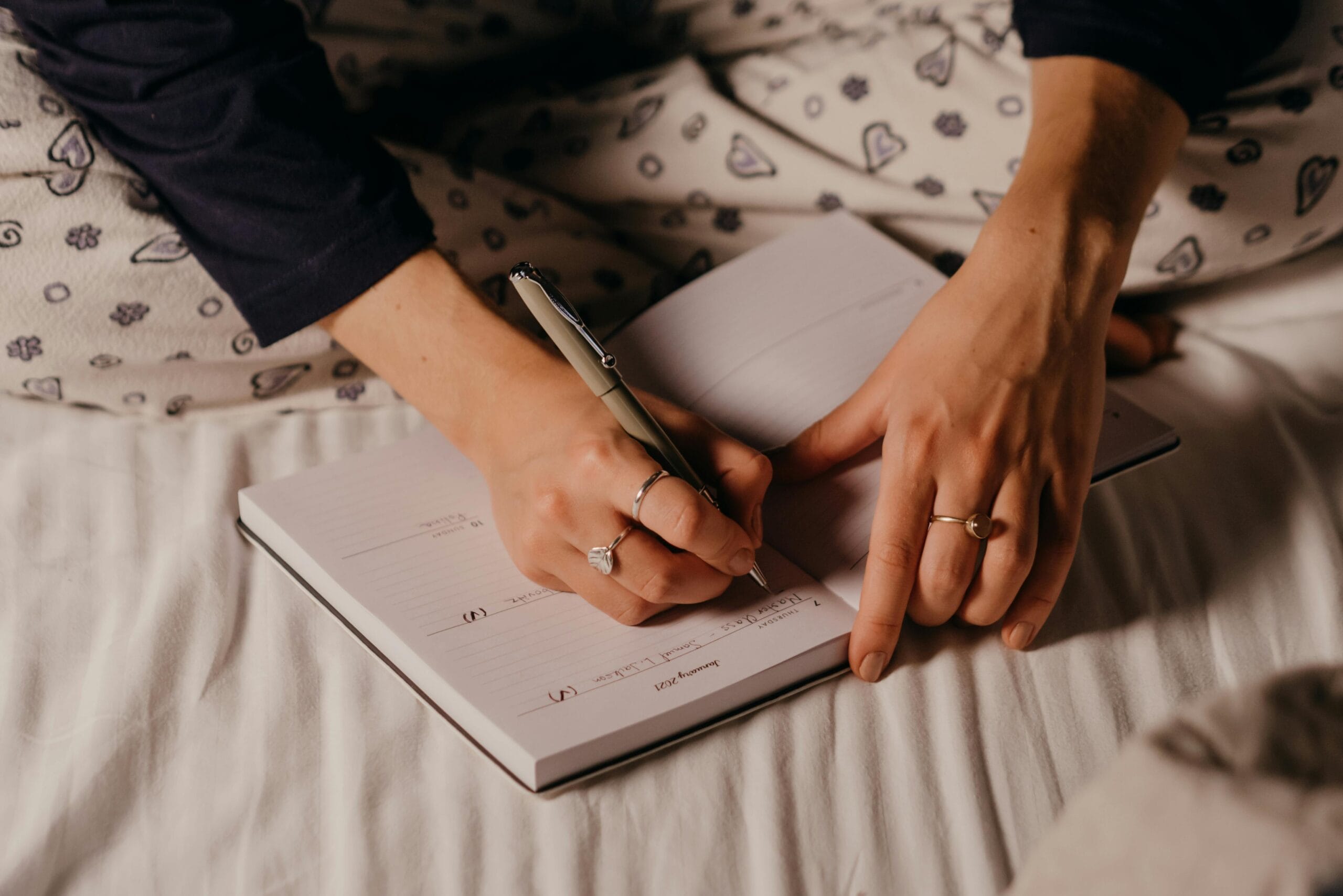
Additionally, a calm evening routine can help individuals to develop healthy habits, such as reading, journaling, or practicing relaxation techniques, which can be beneficial for managing anxiety. By incorporating these activities into their evening routine, individuals can create a sense of calm and relaxation, making it easier to manage their anxiety and prevent anxiety spirals.
Setting Boundaries and Prioritizing Self-Care
Setting boundaries and prioritizing self-care are crucial components of a calm evening routine. Individuals should establish clear boundaries around their work and personal life, avoiding work-related activities in the evening and focusing on relaxation and self-care. This can include activities such as taking a warm bath, practicing yoga, or reading a book, which can help to calm the mind and body.
- Step 1: Identify your boundaries and prioritize self-care activities, such as exercise, meditation, or spending time with loved ones.
- Step 2: Schedule self-care activities into your evening routine, ensuring that you have time for relaxation and rejuvenation.
- Step 3: Avoid work-related activities in the evening, focusing on relaxation and self-care instead.
Creating a Relaxing Environment
Creating a relaxing environment is essential for a calm evening routine. Individuals should aim to create a peaceful and calming atmosphere in their homes, using techniques such as dim lighting, soothing music, and comfortable temperatures. This can help to signal to the brain that it’s time to relax, making it easier to fall asleep and reducing the risk of anxiety spirals.
Additionally, individuals can use aromatherapy, such as essential oils, to create a calming atmosphere. Certain scents, such as lavender and chamomile, have been shown to have a calming effect on the mind and body, making them ideal for a relaxing evening routine.
Utilizing Technology to Promote Relaxation
While technology can often be a source of stress and anxiety, it can also be used to promote relaxation and calmness. Individuals can use apps, such as Headspace or Calm, to guide them through meditation and relaxation exercises, helping to calm the mind and body. Additionally, individuals can use technology to create a peaceful atmosphere, such as using a white noise machine or a fan to block out distracting sounds.
However, it’s essential to use technology in moderation, avoiding screens and electronic devices at least an hour before bedtime. The blue light emitted by screens can interfere with sleep, making it harder to fall asleep and increasing the risk of anxiety spirals.
Practicing Relaxation Techniques
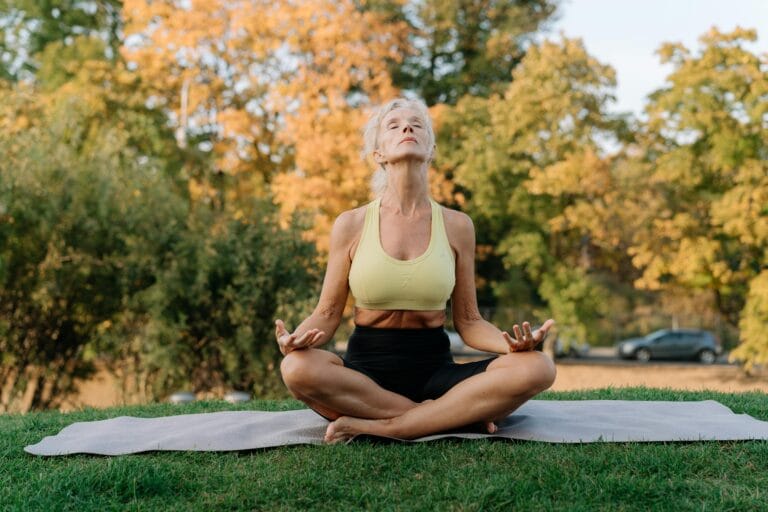
Practicing relaxation techniques, such as deep breathing, progressive muscle relaxation, or mindfulness meditation, can help individuals to calm their minds and bodies, reducing the risk of anxiety spirals. These techniques can be incorporated into an evening routine, helping individuals to relax and prepare for sleep.
- Deep Breathing: Focus on slow, deep breaths, inhaling through the nose and exhaling through the mouth.
- Progressive Muscle Relaxation: Tense and then relax different muscle groups, starting with the toes and moving up to the head.
- Mindfulness Meditation: Focus on the present moment, without judgment, using techniques such as body scan or walking meditation.
Getting Enough Sleep
Getting enough sleep is essential for overall health and well-being, and can help to reduce the risk of anxiety spirals. Individuals should aim for 7-9 hours of sleep per night, establishing a consistent sleep schedule and creating a sleep-conducive environment. This can include techniques such as keeping the bedroom cool, dark, and quiet, and avoiding caffeine and electronics before bedtime.
Additionally, individuals can use relaxation techniques, such as deep breathing or progressive muscle relaxation, to help them fall asleep and stay asleep. By prioritizing sleep and creating a sleep-friendly environment, individuals can help to reduce their anxiety and improve their overall mental health.
Frequently Asked Questions
Question 1: What is the best way to create a calm evening routine?
The best way to create a calm evening routine is to prioritize self-care, set boundaries, and utilize relaxation techniques, such as deep breathing or meditation.
Question 2: How can I make my bedroom a sleep sanctuary?
To make your bedroom a sleep sanctuary, keep it cool, dark, and quiet, and avoid screens and electronics before bedtime. Additionally, consider using aromatherapy or white noise machines to create a calming atmosphere.
Question 3: What are some relaxation techniques I can use to calm my mind and body?
Some relaxation techniques you can use to calm your mind and body include deep breathing, progressive muscle relaxation, and mindfulness meditation. You can also try yoga, tai chi, or other mindfulness practices to help you relax.
Question 4: How can I prioritize self-care in my evening routine?
To prioritize self-care in your evening routine, schedule self-care activities into your daily planner, such as exercise, meditation, or spending time with loved ones. Additionally, avoid work-related activities in the evening and focus on relaxation and self-care instead.
Question 5: What are some resources I can use to help me create a calm evening routine?
Some resources you can use to help you create a calm evening routine include apps, such as Headspace or Calm, guided meditation videos, and self-care books or articles. You can also consult with a mental health professional or a wellness coach for personalized guidance.
Key Takeaways
Creating a calm evening routine is essential for preventing anxiety spirals and promoting relaxation. By prioritizing self-care, setting boundaries, and utilizing relaxation techniques, individuals can create a peaceful and calming atmosphere, making it easier to fall asleep and reducing the risk of anxiety spirals.
- Prioritize self-care and schedule self-care activities into your daily planner.
- Set boundaries and avoid work-related activities in the evening.
- Utilize relaxation techniques, such as deep breathing or meditation, to calm your mind and body.
- Create a sleep-conducive environment and aim for 7-9 hours of sleep per night.
- Seek professional help if you’re struggling with anxiety or insomnia.
If you’re struggling with anxiety or insomnia, consider seeking professional help from a mental health professional or a wellness coach. They can provide you with personalized guidance and support to help you create a calm evening routine and improve your overall mental health. Remember, taking care of your mental health is essential, and creating a calm evening routine is a great first step.
By incorporating these tips and strategies into your evening routine, you can create a calm and peaceful atmosphere, reducing the risk of anxiety spirals and promoting relaxation. A calm evening routine can help you to recharge and refocus, improving your overall mental health and well-being. So, take the first step tonight, and start creating a calm evening routine that works for you, using the primary keyword “calm evening routine” as a guide.
Resources
- National Alliance on Mental Illness (NAMI) Helpline: 1-800-950-6264 (Monday – Friday, 10am – 6pm EST)
- Anxiety and Depression Association of America (ADAA) Online Support Group: [website URL]
- Calm App: A meditation and relaxation app that offers guided meditations and sleep stories.
- Headspace App: A meditation and relaxation app that offers personalized meditation sessions and sleep tracks.
Disclaimer: This article is for informational purposes only and does not constitute medical advice. Always consult with qualified healthcare professionals for diagnosis and treatment of anxiety disorders or other mental health conditions.