
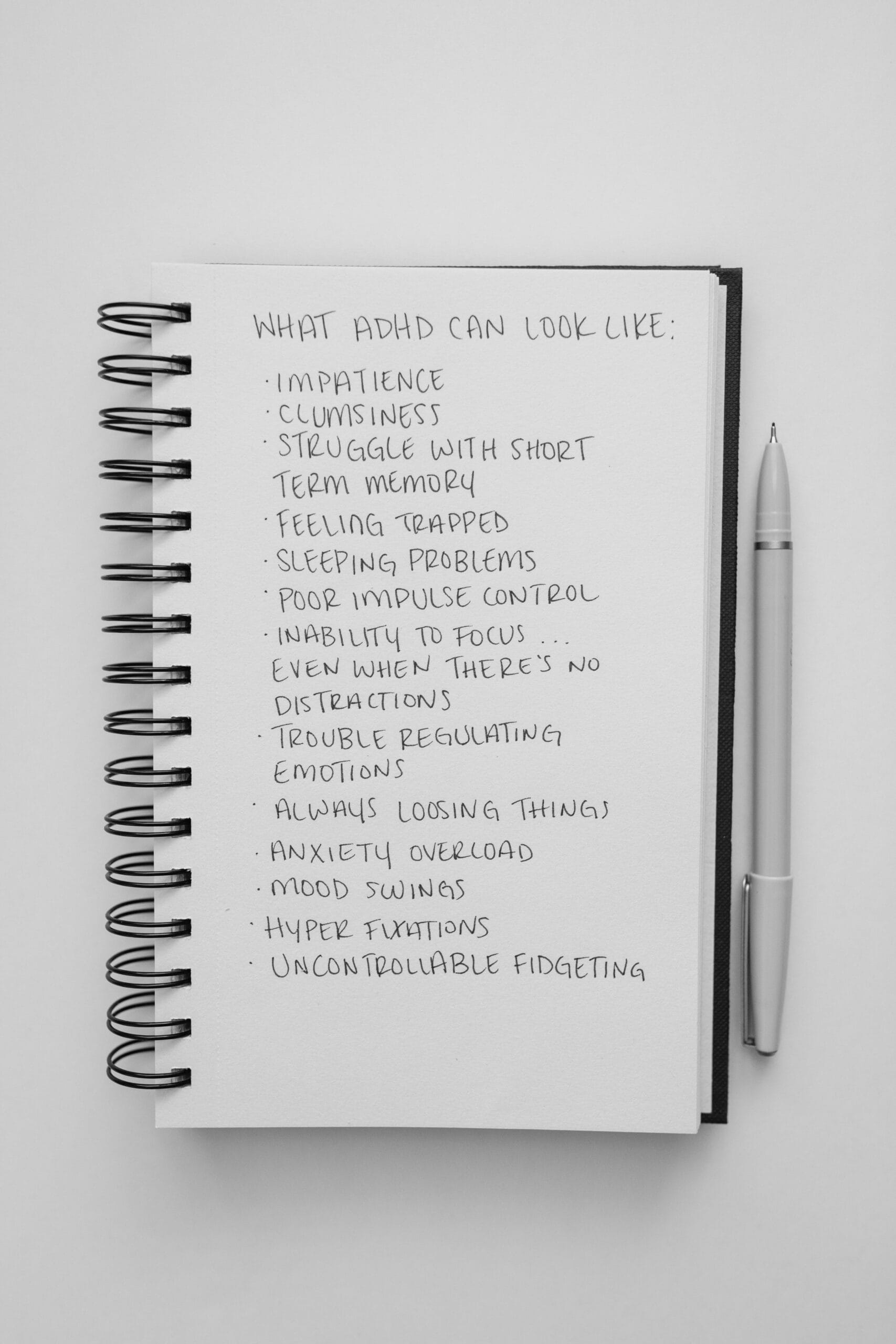
According to the National Institute of Mental Health, approximately 20% of adults in the United States live with a mental illness, such as ADHD, anxiety, or mood disorders. Creating a holistic toolkit for ADHD, anxiety, and mood support is crucial for managing symptoms and improving overall well-being. In this article, we will explore the importance of a holistic approach and provide actionable tips on how to create a personalized toolkit for mental health support.
A holistic toolkit for ADHD, anxiety, and mood support encompasses a range of strategies, including lifestyle changes, mindfulness practices, and professional therapies. By incorporating these elements, individuals can develop a comprehensive approach to managing their mental health. Throughout this article, we will delve into the key components of a holistic toolkit, providing readers with a clear understanding of how to create their own personalized plan.
As we navigate the complexities of mental health, it’s essential to remember that everyone’s journey is unique. A holistic toolkit for ADHD, anxiety, and mood support is not a one-size-fits-all solution; rather, it’s a dynamic and evolving process that requires patience, self-compassion, and a willingness to adapt. In the following sections, we will explore the various aspects of a holistic toolkit, empowering readers to take control of their mental health and well-being.
Understanding the Importance of Self-Care for ADHD, Anxiety, and Mood Support
Self-care is a vital component of a holistic toolkit for ADHD, anxiety, and mood support. Engaging in regular self-care activities can help reduce stress, improve mood, and increase overall sense of well-being. This can include practices such as meditation, yoga, or spending time in nature.
Additionally, self-care can involve setting healthy boundaries, prioritizing sleep, and maintaining a balanced diet. By incorporating these self-care strategies, individuals can better manage their symptoms and improve their overall quality of life.
Benefits of Self-Care for Mental Health
Self-care has numerous benefits for mental health, including reduced symptoms of anxiety and depression, improved sleep quality, and increased self-esteem. By prioritizing self-care, individuals can develop a stronger sense of resilience and better cope with the challenges of ADHD, anxiety, and mood disorders.
- Reduces stress and anxiety: Self-care activities such as meditation and deep breathing can help calm the mind and reduce feelings of stress and anxiety.
- Improves mood: Engaging in activities that bring joy and fulfillment can help improve mood and reduce symptoms of depression.
- Increases self-awareness: Self-care practices such as journaling and reflection can help individuals develop a greater understanding of their thoughts, feelings, and behaviors.
Building a Mindfulness Practice for ADHD, Anxiety, and Mood Support
Mindfulness is a powerful tool for managing symptoms of ADHD, anxiety, and mood disorders. By cultivating a mindfulness practice, individuals can develop greater self-awareness, improve their ability to regulate emotions, and enhance their overall sense of well-being.
To build a mindfulness practice, start by setting aside a few minutes each day to focus on the present moment. This can involve activities such as meditation, deep breathing, or simply paying attention to the senses.
- Start small: Begin with short mindfulness sessions, such as 5-10 minutes, and gradually increase the duration as you become more comfortable with the practice.
- Find a quiet space: Identify a quiet, comfortable space where you can practice mindfulness without distractions.
- Focus on the breath: Bring your attention to the breath, noticing the sensation of the air moving in and out of the body.
Creating a Support Network for ADHD, Anxiety, and Mood Support
Having a strong support network is essential for managing symptoms of ADHD, anxiety, and mood disorders. This can include friends, family members, or mental health professionals who can provide emotional support, guidance, and encouragement.
To create a support network, start by reaching out to loved ones and letting them know how they can help. This can involve sharing your feelings, needs, and boundaries, and asking for their support and understanding.
Benefits of a Support Network for Mental Health
A support network can provide numerous benefits for mental health, including reduced feelings of loneliness and isolation, improved emotional regulation, and increased sense of self-worth. By surrounding yourself with supportive people, you can develop a stronger sense of resilience and better cope with the challenges of ADHD, anxiety, and mood disorders.
- Provides emotional support: A support network can offer emotional support, validation, and encouragement, helping to reduce feelings of loneliness and isolation.
- Offers practical help: Supportive friends and family members can provide practical help, such as assisting with daily tasks or providing transportation.
- Fosters a sense of community: Being part of a support network can help individuals develop a sense of community and connection, reducing feelings of disconnection and isolation.
Developing a Personalized Plan for ADHD, Anxiety, and Mood Support
Developing a personalized plan for ADHD, anxiety, and mood support involves identifying your unique needs, goals, and challenges. This can involve working with a mental health professional, such as a therapist or counselor, to develop a tailored plan that addresses your specific needs.
To develop a personalized plan, start by identifying your strengths, weaknesses, and areas for improvement. This can involve keeping a journal, tracking your symptoms, and exploring your values and goals.
- Identify your strengths: Reflect on your strengths, skills, and abilities, and consider how you can leverage these to support your mental health.
- Explore your challenges: Identify your challenges, such as symptoms, triggers, and obstacles, and consider how you can address these in your personalized plan.
- Set realistic goals: Set realistic, achievable goals for your mental health, and develop a plan for achieving these goals.
Integrating Professional Therapies for ADHD, Anxiety, and Mood Support
Professional therapies, such as cognitive-behavioral therapy (CBT) and medication, can be an effective component of a holistic toolkit for ADHD, anxiety, and mood support. These therapies can help individuals develop coping skills, manage symptoms, and improve their overall quality of life.
To integrate professional therapies into your holistic toolkit, start by consulting with a mental health professional, such as a therapist or psychiatrist. They can help you develop a treatment plan that addresses your unique needs and goals.
Benefits of Professional Therapies for Mental Health
Professional therapies can provide numerous benefits for mental health, including reduced symptoms of anxiety and depression, improved emotional regulation, and increased sense of self-worth. By working with a mental health professional, individuals can develop a stronger sense of resilience and better cope with the challenges of ADHD, anxiety, and mood disorders.
- Provides a safe space: Professional therapies can provide a safe, supportive space for individuals to explore their feelings, thoughts, and behaviors.
- Offers evidence-based approaches: Professional therapies, such as CBT, can offer evidence-based approaches to managing symptoms and improving mental health.
- Fosters personal growth: Professional therapies can help individuals develop greater self-awareness, self-acceptance, and self-compassion, leading to personal growth and transformation.
Navigating Crisis Situations for ADHD, Anxiety, and Mood Support
Navigating crisis situations, such as suicidal thoughts or severe anxiety attacks, requires immediate attention and support. In these situations, it’s essential to have a crisis plan in place, which can include contacting emergency services, reaching out to a crisis hotline, or seeking support from a mental health professional.
To develop a crisis plan, start by identifying your triggers and warning signs, and consider how you can address these in a crisis situation. This can involve working with a mental health professional, such as a therapist or counselor, to develop a tailored plan that addresses your specific needs.
- Identify your triggers: Reflect on your triggers, such as stressful events or situations, and consider how you can address these in a crisis situation.
- Develop a crisis plan: Create a crisis plan that includes contact information for emergency services, crisis hotlines, and mental health professionals.
- Practice self-care: Engage in regular self-care activities, such as meditation or deep breathing, to help reduce stress and anxiety.
Frequently Asked Questions
Question 1: What is a holistic toolkit for ADHD, anxiety, and mood support?
A holistic toolkit for ADHD, anxiety, and mood support is a comprehensive approach to managing mental health, incorporating lifestyle changes, mindfulness practices, and professional therapies.
Question 2: How can I create a personalized plan for ADHD, anxiety, and mood support?
To create a personalized plan, start by identifying your unique needs, goals, and challenges, and consider working with a mental health professional to develop a tailored plan.
Question 3: What are some effective self-care strategies for ADHD, anxiety, and mood support?
Effective self-care strategies include meditation, yoga, spending time in nature, setting healthy boundaries, prioritizing sleep, and maintaining a balanced diet.
Question 4: How can I integrate professional therapies into my holistic toolkit?
To integrate professional therapies, start by consulting with a mental health professional, such as a therapist or psychiatrist, and develop a treatment plan that addresses your unique needs and goals.
Question 5: What should I do in a crisis situation?
In a crisis situation, contact emergency services, reach out to a crisis hotline, or seek support from a mental health professional, and follow your crisis plan.
Key Takeaways
Creating a holistic toolkit for ADHD, anxiety, and mood support requires a comprehensive approach, incorporating lifestyle changes, mindfulness practices, and professional therapies. By developing a personalized plan, individuals can better manage their symptoms, improve their overall quality of life, and cultivate a stronger sense of resilience.
- Develop a self-care practice that includes activities such as meditation, yoga, and spending time in nature.
- Build a support network of friends, family members, and mental health professionals.
- Integrate professional therapies, such as CBT and medication, into your holistic toolkit.
- Develop a crisis plan that includes contact information for emergency services, crisis hotlines, and mental health professionals.
- Prioritize self-compassion, self-awareness, and self-acceptance in your journey towards mental health and well-being.
If you or someone you know is struggling with ADHD, anxiety, or mood disorders, consider reaching out to a mental health professional for support. Remember, creating a holistic toolkit for ADHD, anxiety, and mood support is a journey, and it’s essential to be patient, compassionate, and kind to yourself throughout the process.
By incorporating the strategies and techniques outlined in this article, individuals can develop a comprehensive approach to managing their mental health, cultivating a stronger sense of resilience, and improving their overall quality of life. Remember, a holistic toolkit for ADHD, anxiety, and mood support is a dynamic and evolving process, and it’s essential to stay open to new experiences, learning opportunities, and growth.
Resources
- National Alliance on Mental Illness (NAMI) Helpline: 1-800-950-6264 (Monday – Friday, 10am – 6pm EST)
- Crisis Text Line: Text “HOME” to 741741 (24/7 free, confidential support)
- Substance Abuse and Mental Health Services Administration (SAMHSA) National Helpline: 1-800-662-4357 (24/7 free, confidential support)
- Anxiety and Depression Association of America (ADAA): [www.adaa.org](http://www.adaa.org)
Disclaimer: This article is for informational purposes only and does not constitute medical advice. Always consult with qualified healthcare professionals for diagnosis and treatment of mental health conditions.