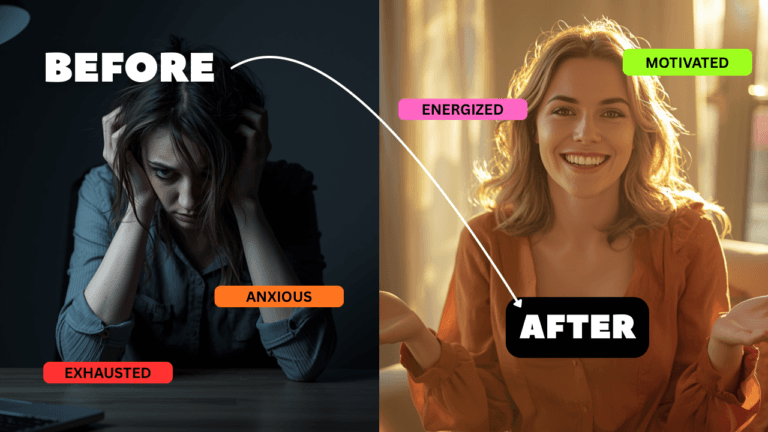
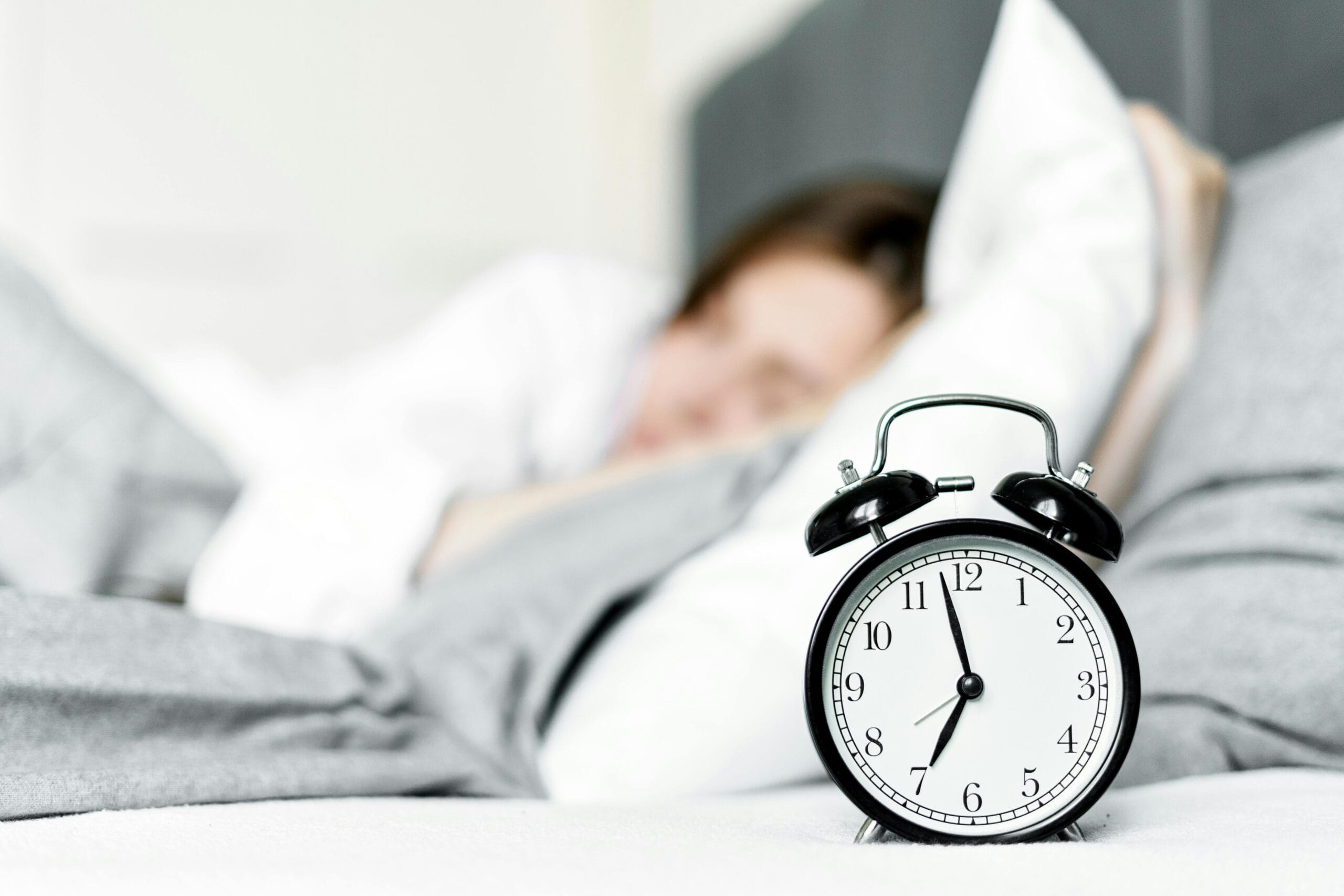
Did you know that over 60 million Americans suffer from sleep disorders, with anxiety being a leading cause of insomnia? Creating a sleep routine for anxiety and deep rest is crucial for both mental and physical health. In this article, we’ll explore how to create a sleep routine that helps individuals with anxiety achieve a restful night’s sleep, using the primary keyword “sleep routine for anxiety” as our guide.
Developing a sleep routine for anxiety requires a comprehensive approach that addresses the physical, emotional, and environmental factors that impact sleep. By understanding the importance of a consistent sleep schedule, a relaxing bedtime routine, and a sleep-conducive environment, individuals can take the first steps towards improving their sleep quality. Throughout this article, we’ll delve into the specifics of creating a sleep routine for anxiety, providing actionable tips and strategies for achieving deep rest.
As we explore the world of sleep routines for anxiety, it’s essential to remember that everyone’s experience with anxiety is unique, and what works for one person may not work for another. Therefore, it’s crucial to approach sleep routine creation with an open mind, experimenting with different techniques and strategies until you find what works best for you. With patience, persistence, and the right guidance, individuals with anxiety can develop a sleep routine that promotes deep rest and improves overall well-being.
Understanding the Importance of a Sleep Routine for Anxiety
A sleep routine for anxiety is essential for establishing a consistent sleep schedule, which helps regulate the body’s internal clock and improves the quality of sleep. By going to bed and waking up at the same time every day, including weekends, individuals can train their bodies to associate certain times with sleep and wakefulness. This, in turn, can help reduce anxiety and stress levels, making it easier to fall asleep and stay asleep.
Additionally, a sleep routine for anxiety can help individuals with anxiety develop healthy sleep habits, such as avoiding caffeine and electronics before bedtime, and creating a relaxing bedtime routine. By incorporating these habits into their daily routine, individuals can signal to their brains that it’s time to sleep, making it easier to fall asleep and stay asleep.
Benefits of a Sleep Routine for Anxiety
A sleep routine for anxiety can have numerous benefits, including improved sleep quality, reduced anxiety and stress levels, and enhanced overall well-being. By establishing a consistent sleep schedule and developing healthy sleep habits, individuals can improve their mental and physical health, leading to a better quality of life.
- Improved Sleep Quality: A sleep routine for anxiety can help individuals fall asleep faster, sleep more soundly, and wake up feeling rested and refreshed.
- Reduced Anxiety and Stress: A sleep routine for anxiety can help reduce anxiety and stress levels, making it easier to manage anxiety symptoms and improve overall mental health.
- Enhanced Overall Well-being: A sleep routine for anxiety can improve overall well-being, leading to better physical and mental health, and a more positive outlook on life.


Creating a Sleep-Conducive Environment for Anxiety
Creating a sleep-conducive environment is crucial for individuals with anxiety, as it can help reduce stress and anxiety levels, making it easier to fall asleep and stay asleep. This can be achieved by ensuring the bedroom is dark, quiet, and cool, and investing in a comfortable mattress and pillows.
- Make Your Bedroom a Sleep Sanctuary: Remove any distractions, such as TVs and computers, and invest in blackout curtains, earplugs, or a white noise machine to create a peaceful environment.
- Invest in a Comfortable Mattress and Pillows: A comfortable mattress and pillows can make a significant difference in the quality of sleep, helping individuals with anxiety sleep more soundly and wake up feeling rested and refreshed.
- Keep Your Bedroom Cool: A cooler bedroom can promote better sleep, as it can help regulate body temperature and improve the quality of sleep.
By creating a sleep-conducive environment, individuals with anxiety can improve their sleep quality, reduce anxiety and stress levels, and enhance overall well-being. A sleep routine for anxiety that incorporates a sleep-conducive environment can be particularly effective in promoting deep rest and relaxation.
Developing a Relaxing Bedtime Routine for Anxiety
A relaxing bedtime routine can help individuals with anxiety wind down and prepare for sleep, reducing anxiety and stress levels, and promoting deep rest. This can be achieved by engaging in relaxing activities, such as reading, meditation, or deep breathing exercises, and avoiding stimulating activities, such as watching TV or scrolling through social media.
Additionally, a relaxing bedtime routine can help individuals with anxiety develop healthy sleep habits, such as avoiding caffeine and electronics before bedtime, and creating a consistent sleep schedule. By incorporating these habits into their daily routine, individuals can signal to their brains that it’s time to sleep, making it easier to fall asleep and stay asleep.
Examples of Relaxing Bedtime Routines for Anxiety
There are numerous relaxing bedtime routines that individuals with anxiety can try, including:
- Reading: Reading a book or magazine can be a great way to relax and unwind before bed, helping to reduce anxiety and stress levels.
- Meditation: Meditation can help individuals with anxiety calm their minds and bodies, promoting deep rest and relaxation.
- Deep Breathing Exercises: Deep breathing exercises can help individuals with anxiety slow down their heart rate and promote relaxation, making it easier to fall asleep and stay asleep.
Managing Anxiety and Stress Before Bedtime
Managing anxiety and stress before bedtime is crucial for individuals with anxiety, as it can help reduce anxiety and stress levels, making it easier to fall asleep and stay asleep. This can be achieved by engaging in stress-reducing activities, such as exercise or yoga, and practicing relaxation techniques, such as progressive muscle relaxation or visualization.
Additionally, individuals with anxiety can try journaling or writing down their thoughts and feelings before bed, helping to process and release any emotions that may be causing anxiety or stress. By managing anxiety and stress before bedtime, individuals can improve their sleep quality, reduce anxiety and stress levels, and enhance overall well-being.
Strategies for Managing Anxiety and Stress Before Bedtime
There are numerous strategies that individuals with anxiety can try to manage anxiety and stress before bedtime, including:
- Exercise or Yoga: Engaging in regular exercise or yoga can help reduce anxiety and stress levels, promoting relaxation and deep rest.
- Progressive Muscle Relaxation: Progressive muscle relaxation can help individuals with anxiety release physical tension, promoting relaxation and deep rest.
- Visualization: Visualization can help individuals with anxiety imagine a peaceful and relaxing environment, promoting deep rest and relaxation.



Getting Morning Sunlight to Regulate Your Circadian Rhythms
Getting morning sunlight is essential for regulating circadian rhythms, which can help individuals with anxiety establish a consistent sleep schedule and improve the quality of sleep. By exposing themselves to natural sunlight in the morning, individuals can help regulate their body’s internal clock, making it easier to fall asleep and stay asleep.
Additionally, getting morning sunlight can help individuals with anxiety improve their mood and reduce anxiety and stress levels, promoting overall well-being. By incorporating morning sunlight into their daily routine, individuals can improve their sleep quality, reduce anxiety and stress levels, and enhance overall well-being.
Avoiding Stimulating Activities Before Bedtime
Avoiding stimulating activities before bedtime is crucial for individuals with anxiety, as it can help reduce anxiety and stress levels, making it easier to fall asleep and stay asleep. This can be achieved by avoiding activities that stimulate the brain, such as watching TV or scrolling through social media, and instead engaging in relaxing activities, such as reading or meditation.
Additionally, individuals with anxiety can try to avoid consuming caffeine and nicotine before bedtime, as these substances can interfere with sleep and exacerbate anxiety symptoms. By avoiding stimulating activities before bedtime, individuals can improve their sleep quality, reduce anxiety and stress levels, and enhance overall well-being.
Using Sleep-Promoting Supplements for Anxiety
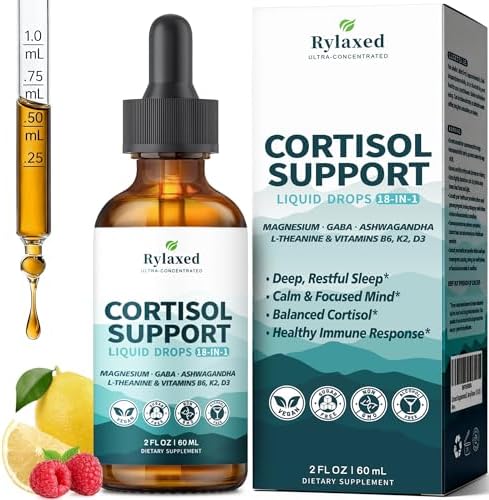
Using sleep-promoting supplements can be a helpful addition to a sleep routine for anxiety, as they can help promote relaxation and deep rest. However, it’s essential to consult with a healthcare professional before taking any supplements, as they can interact with other medications or have side effects.
Some sleep-promoting supplements that individuals with anxiety can try include melatonin, valerian root, and chamomile. These supplements can help promote relaxation and deep rest, making it easier to fall asleep and stay asleep. By using sleep-promoting supplements in conjunction with a sleep routine for anxiety, individuals can improve their sleep quality, reduce anxiety and stress levels, and enhance overall well-being.
Seeking Professional Help for Sleep Anxiety
Seeking professional help is essential for individuals with sleep anxiety, as it can provide them with the support and guidance they need to manage their anxiety and improve their sleep quality. A mental health professional can help individuals develop a sleep routine for anxiety, provide them with stress-reducing techniques, and offer support and guidance throughout the recovery process.
Additionally, a mental health professional can help individuals address any underlying issues that may be contributing to their sleep anxiety, such as trauma or anxiety disorders. By seeking professional help, individuals can improve their sleep quality, reduce anxiety and stress levels, and enhance overall well-being.
Frequently Asked Questions
Question 1: What is the best sleep routine for anxiety?
The best sleep routine for anxiety is one that is tailored to an individual’s specific needs and preferences, and includes a consistent sleep schedule, a relaxing bedtime routine, and a sleep-conducive environment.
Question 2: How can I create a sleep-conducive environment for anxiety?
Creating a sleep-conducive environment for anxiety can be achieved by ensuring the bedroom is dark, quiet, and cool, and investing in a comfortable mattress and pillows.
Question 3: What are some relaxing bedtime routines for anxiety?
Some relaxing bedtime routines for anxiety include reading, meditation, deep breathing exercises, and progressive muscle relaxation.
Question 4: How can I manage anxiety and stress before bedtime?
Managing anxiety and stress before bedtime can be achieved by engaging in stress-reducing activities, such as exercise or yoga, and practicing relaxation techniques, such as progressive muscle relaxation or visualization.
Question 5: What are some sleep-promoting supplements for anxiety?
Some sleep-promoting supplements for anxiety include melatonin, valerian root, and chamomile, but it’s essential to consult with a healthcare professional before taking any supplements.
Key Takeaways
In conclusion, creating a sleep routine for anxiety is essential for improving sleep quality, reducing anxiety and stress levels, and enhancing overall well-being. By understanding the importance of a sleep routine for anxiety, creating a sleep-conducive environment, developing a relaxing bedtime routine, and managing anxiety and stress before bedtime, individuals can take the first steps towards achieving deep rest and relaxation.
- Establish a consistent sleep schedule to regulate your body’s internal clock.
- Create a sleep-conducive environment that is dark, quiet, and cool.
- Develop a relaxing bedtime routine that includes activities such as reading, meditation, or deep breathing exercises.
- Manage anxiety and stress before bedtime by engaging in stress-reducing activities or practicing relaxation techniques.
- Consider seeking professional help if you continue to struggle with sleep anxiety.
If you’re struggling with sleep anxiety, remember that you’re not alone, and there is help available. By seeking professional help and developing a sleep routine for anxiety, you can improve your sleep quality, reduce anxiety and stress levels, and enhance overall well-being. Don’t hesitate to reach out to a mental health professional or a healthcare provider for guidance and support.
Remember, creating a sleep routine for anxiety takes time and patience, but it’s worth it. By prioritizing your sleep and taking the necessary steps to manage your anxiety, you can achieve deep rest and relaxation, and wake up feeling refreshed, renewed, and ready to take on the day.
Resources
- SAMHSA National Helpline: 1-800-662-4357 (24/7 free, confidential support)
- National Sleep Foundation: A non-profit organization dedicated to improving sleep health and safety.
- Anxiety and Depression Association of America: A non-profit organization dedicated to promoting awareness and improving treatment of anxiety and depression.
- Cognitive Behavioral Therapy for Insomnia (CBT-I): A non-pharmacological approach to treating insomnia and sleep disorders.
Disclaimer: This article is for informational purposes only and does not constitute medical advice. Always consult with qualified healthcare professionals for diagnosis and treatment of sleep disorders and anxiety. By following the tips and strategies outlined in this article, individuals can create a sleep routine for anxiety that promotes deep rest and relaxation, but it’s essential to seek professional help if symptoms persist or worsen over time.