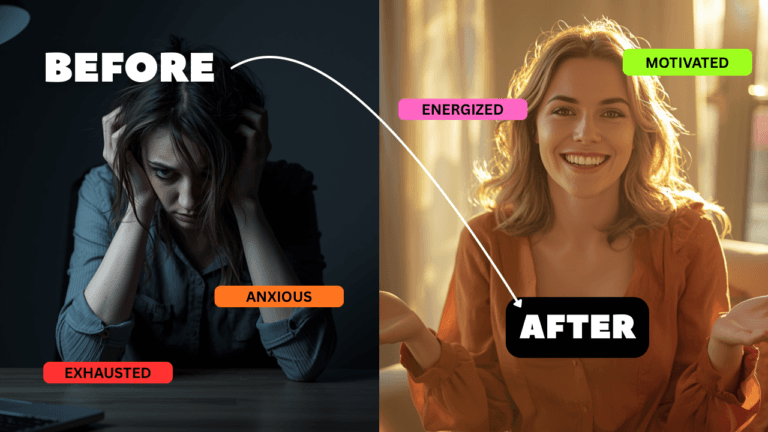

Are you among the 31.1% of adults in the United States who experience anxiety or stress, and are looking for a natural way to manage it? Progressive muscle relaxation (PMR) is a powerful technique that can help individuals, including those in recovery, reduce stress and anxiety by releasing physical tension. By incorporating PMR into your daily routine, you can take the first step towards a more relaxed and peaceful life, and it all starts with learning how to do progressive muscle relaxation step by step.
To get started with PMR, it’s essential to understand that this technique involves systematically tensing and relaxing different muscle groups in your body. This process helps to release physical tension, promote relaxation, and reduce anxiety. In this article, we will guide you through the process of PMR, providing you with a full script to follow and answering frequently asked questions about this technique.
Before we dive into the step-by-step guide, it’s crucial to note that PMR is not a replacement for medical treatment. If you’re experiencing chronic anxiety or stress, it’s essential to consult with a healthcare professional for proper diagnosis and treatment. However, PMR can be a valuable complementary tool to help you manage your symptoms and improve your overall well-being.
Understanding Progressive Muscle Relaxation
Progressive muscle relaxation is a technique developed by American physician Edmund Jacobson in the 1920s. It’s based on the idea that physical relaxation can lead to mental calmness and reduced anxiety. By systematically tensing and relaxing different muscle groups, you can release physical tension and promote relaxation.
The key to PMR is to focus on the sensation of tension and relaxation in your muscles. As you tense each muscle group, pay attention to the feeling of tightness and constriction. Then, as you release the tension, notice the sensation of relaxation and calmness spreading through your muscles.
Preparation for Progressive Muscle Relaxation
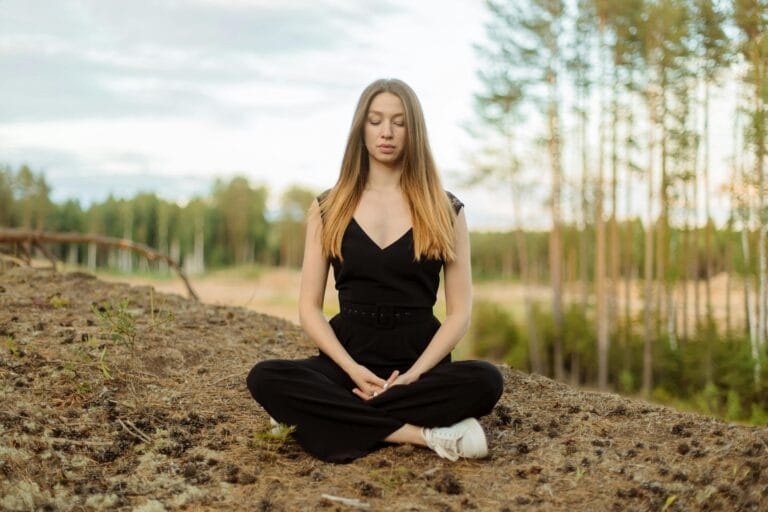
Before starting the PMR exercise, find a quiet and comfortable place to sit or lie down. Take a few deep breaths, and close your eyes. Take a moment to notice the sensation of your body touching the ground or the chair. Feel the weight of your body, and allow yourself to relax into the support of the surface beneath you.
- Step 1: Get Comfortable Find a quiet and comfortable place to sit or lie down, where you can relax without distractions.
- Step 2: Close Your Eyes Close your eyes, and take a few deep breaths to calm your mind and body.
- Step 3: Focus on Your Breath Bring your attention to your breath, feeling the sensation of the air moving in and out of your body.
Progressive Muscle Relaxation Script
Now that you’re prepared, let’s move on to the PMR script. We’ll start with the toes and work our way up to the head, tensing and relaxing each muscle group as we go.
Start by tensing the muscles in your toes, holding for about 5-10 seconds. Then, release the tension, and feel the relaxation spread through your toes. Move up through the body, tensing and relaxing each muscle group in turn: the feet, calves, thighs, hips, back, shoulders, arms, hands, neck, and head.
Tips for Effective Progressive Muscle Relaxation
To get the most out of PMR, it’s essential to focus on the sensation of tension and relaxation in your muscles. Don’t worry if your mind wanders – simply acknowledge the thought, and gently bring your attention back to your body.
Additionally, try to practice PMR regularly, ideally at the same time each day. This can help you establish a consistent routine and make it easier to relax and reduce stress.
- Focus on the Sensation Pay attention to the feeling of tension and relaxation in your muscles, and try to release any thoughts or distractions.
- Practice Regularly Aim to practice PMR at the same time each day, so it becomes a consistent part of your routine.
- Be Patient Remember that it may take some time to notice the benefits of PMR, so be patient, and don’t get discouraged if you don’t feel immediate results.
Common Challenges and Solutions
As you start practicing PMR, you may encounter some common challenges, such as difficulty relaxing or staying focused. If you find it hard to relax, try taking a few deep breaths, and reminding yourself that it’s okay to let go of tension.
If you struggle to stay focused, try using a guided meditation or PMR script to help you stay on track. You can also try practicing PMR at different times of the day to find what works best for you.
Combining Progressive Muscle Relaxation with Other Techniques
PMR can be a powerful tool on its own, but it can also be combined with other relaxation techniques, such as deep breathing, visualization, or mindfulness meditation. Experiment with different combinations to find what works best for you.
For example, you could try practicing PMR while listening to calming music or nature sounds. Alternatively, you could combine PMR with a guided meditation or visualization exercise to enhance the relaxation response.
Frequently Asked Questions
Question 1: What is Progressive Muscle Relaxation?
Progressive muscle relaxation is a technique that involves systematically tensing and relaxing different muscle groups in the body to release physical tension and promote relaxation.
Question 2: How Often Should I Practice Progressive Muscle Relaxation?
Aim to practice PMR at least once a day, ideally at the same time each day, to establish a consistent routine and maximize its benefits.
Question 3: Can I Practice Progressive Muscle Relaxation Anywhere?
Yes, you can practice PMR anywhere, whether you’re at home, in the office, or on-the-go. Find a quiet and comfortable spot, and take a few minutes to relax and reduce stress.
Question 4: Is Progressive Muscle Relaxation Suitable for Everyone?
While PMR is generally considered safe and beneficial, it may not be suitable for everyone, particularly those with certain medical conditions or injuries. Consult with a healthcare professional before starting a PMR practice, especially if you have any concerns or questions.
Key Takeaways
In conclusion, progressive muscle relaxation is a powerful technique that can help reduce stress and anxiety by releasing physical tension. By following the step-by-step guide and tips outlined in this article, you can start practicing PMR and experiencing its benefits for yourself.
- Progressive muscle relaxation is a technique that involves systematically tensing and relaxing different muscle groups.
- PMR can help reduce stress and anxiety by releasing physical tension.
- Practice PMR regularly, ideally at the same time each day, to establish a consistent routine.
- Combine PMR with other relaxation techniques, such as deep breathing or visualization, to enhance its benefits.
- Consult with a healthcare professional before starting a PMR practice, especially if you have any medical conditions or concerns.
If you’re looking for a natural way to manage stress and anxiety, consider trying progressive muscle relaxation. With regular practice, you can reduce physical tension, promote relaxation, and improve your overall well-being. Remember to be patient, stay consistent, and don’t hesitate to reach out to a healthcare professional if you have any questions or concerns.
By incorporating progressive muscle relaxation into your daily routine, you can take the first step towards a more relaxed, peaceful, and fulfilling life. So why not give it a try, and start experiencing the benefits of PMR for yourself?
Resources
- SAMHSA National Helpline: 1-800-662-4357 (24/7 free, confidential support)
- National Institute of Mental Health (NIMH): A trusted source of information on mental health topics, including anxiety and stress management.
- Calm App: A popular mindfulness and relaxation app that offers guided meditations and PMR exercises.
- Progressive Muscle Relaxation Scripts: Downloadable scripts and audio recordings that can guide you through the PMR process.
Disclaimer: This article is for informational purposes only and does not constitute medical advice. Always consult with qualified healthcare professionals for diagnosis and treatment of anxiety, stress, or other mental health conditions.