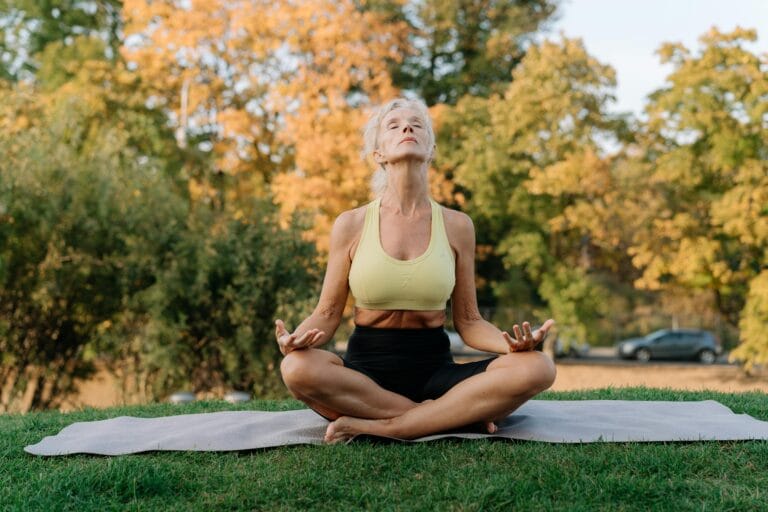

Did you know that approximately 70% of adults in the United States have experienced some form of traumatic event, with many struggling to find effective ways to heal? Healing trauma naturally through somatic recovery is a holistic approach that focuses on the connection between the body and mind to process and overcome traumatic experiences. In this beginner’s guide, we will explore the concept of somatic recovery, its benefits, and provide practical steps to help you start your journey towards healing trauma naturally.
Healing trauma naturally requires a comprehensive understanding of how trauma affects the body and mind. Traumatic experiences can leave a lasting impact on a person’s life, causing emotional, physical, and psychological distress. However, with the right approach and support, it is possible to heal and recover from trauma. Throughout this article, we will delve into the world of somatic recovery, discussing topics such as mindfulness, self-care, and trauma-sensitive practices.
As we embark on this journey together, remember that healing trauma naturally is a unique and individualized process. It’s essential to approach somatic recovery with patience, kindness, and compassion. By the end of this guide, you will have a deeper understanding of how to heal trauma naturally and will be equipped with practical tools and techniques to support your recovery.
Understanding Somatic Recovery and Its Benefits
Somatic recovery is an approach that focuses on the interconnectedness of the body and mind. It recognizes that traumatic experiences are stored in the body, affecting our physical and emotional well-being. By acknowledging and working with the body’s innate wisdom, somatic recovery offers a powerful way to process and release traumatic energy. The benefits of somatic recovery include reduced symptoms of anxiety and depression, improved sleep quality, and increased feelings of safety and resilience.
One of the primary benefits of somatic recovery is its ability to help individuals develop a greater sense of body awareness. This increased awareness allows people to better understand their physical and emotional responses to traumatic triggers, enabling them to develop more effective coping strategies. Additionally, somatic recovery promotes self-regulation, enabling individuals to manage their nervous system and respond to challenging situations in a more adaptive way.
Key Principles of Somatic Recovery
The key principles of somatic recovery include mindfulness, self-awareness, and self-regulation. Mindfulness involves paying attention to the present moment, without judgment, and cultivating a sense of curiosity and openness. Self-awareness is the ability to recognize and understand one’s thoughts, feelings, and physical sensations, while self-regulation refers to the capacity to manage one’s nervous system and respond to challenging situations in a more adaptive way.
- Mindfulness: Paying attention to the present moment, without judgment
- Self-awareness: Recognizing and understanding one’s thoughts, feelings, and physical sensations
- Self-regulation: Managing one’s nervous system and responding to challenging situations in a more adaptive way
Practical Steps for Somatic Recovery
Now that we have explored the principles of somatic recovery, let’s discuss some practical steps to help you get started. The first step is to establish a daily mindfulness practice, such as meditation or deep breathing exercises. This will help you cultivate greater body awareness and develop a greater sense of self-regulation.
- Establish a daily mindfulness practice: Start with short periods, such as 5-10 minutes, and gradually increase as you become more comfortable with the practice
- Engage in physical activity: Find activities that bring you joy, such as walking, yoga, or swimming, and aim to practice them regularly
- Practice self-care: Prioritize activities that promote relaxation and stress reduction, such as reading, taking a warm bath, or listening to soothing music
Remember, somatic recovery is a journey, and it’s essential to be patient and compassionate with yourself. By incorporating these practical steps into your daily routine, you will be well on your way to healing trauma naturally and cultivating a greater sense of overall well-being.
Working with Trauma-Sensitive Practices
Trauma-sensitive practices are essential for somatic recovery, as they provide a safe and supportive environment for individuals to process and release traumatic energy. Some examples of trauma-sensitive practices include yoga, tai chi, and mindfulness-based stress reduction. These practices recognize the importance of creating a sense of safety and trust, allowing individuals to feel more comfortable and empowered in their bodies.
When working with trauma-sensitive practices, it’s essential to prioritize your own needs and boundaries. This may involve finding a qualified practitioner or instructor who is experienced in working with trauma, or modifying practices to suit your individual needs. By doing so, you will be able to cultivate a greater sense of safety and trust, allowing you to deepen your somatic recovery practice and promote greater healing and recovery.
Modifying Practices for Trauma Sensitivity
Modifying practices for trauma sensitivity involves being mindful of the potential triggers and challenges that may arise during practice. This may involve avoiding certain postures or movements that may trigger traumatic memories, or using props and modifications to create a sense of safety and support. By being aware of these potential triggers and challenges, you can create a more trauma-sensitive practice that honors your unique needs and promotes greater healing and recovery.
The Role of Mindfulness in Somatic Recovery
Mindfulness plays a critical role in somatic recovery, as it allows individuals to cultivate greater body awareness and develop a greater sense of self-regulation. Mindfulness involves paying attention to the present moment, without judgment, and cultivating a sense of curiosity and openness. By practicing mindfulness, individuals can develop a greater sense of awareness and understanding of their thoughts, feelings, and physical sensations, allowing them to better navigate challenging situations and promote greater healing and recovery.
One of the most effective ways to practice mindfulness is through meditation. Meditation involves focusing your attention on a specific object, such as the breath, and cultivating a sense of awareness and presence. By practicing meditation regularly, you can develop a greater sense of calm and clarity, allowing you to better navigate the challenges of somatic recovery and promote greater healing and recovery.
Integrating Somatic Recovery into Daily Life
Integrating somatic recovery into daily life involves making a commitment to prioritize your own needs and well-being. This may involve scheduling time for mindfulness practice, engaging in physical activity, or practicing self-care. By prioritizing your own needs and well-being, you will be able to cultivate a greater sense of resilience and promote greater healing and recovery.
One of the most effective ways to integrate somatic recovery into daily life is through the use of somatic exercises. Somatic exercises involve gentle, mindful movements that promote greater body awareness and self-regulation. By practicing somatic exercises regularly, you can develop a greater sense of awareness and understanding of your body, allowing you to better navigate challenging situations and promote greater healing and recovery.
Overcoming Challenges and Setbacks
Overcoming challenges and setbacks is an essential part of the somatic recovery journey. It’s common to experience setbacks or challenges, especially when working with traumatic material. However, by being patient and compassionate with yourself, you can develop the skills and strategies needed to navigate these challenges and promote greater healing and recovery.
One of the most effective ways to overcome challenges and setbacks is through the use of self-compassion. Self-compassion involves treating yourself with kindness, understanding, and patience, especially when faced with difficult emotions or challenging situations. By practicing self-compassion, you can develop a greater sense of resilience and promote greater healing and recovery.
Frequently Asked Questions
What is somatic recovery, and how does it work?
Somatic recovery is an approach that focuses on the interconnectedness of the body and mind. It recognizes that traumatic experiences are stored in the body, affecting our physical and emotional well-being. By acknowledging and working with the body’s innate wisdom, somatic recovery offers a powerful way to process and release traumatic energy.
How long does somatic recovery take, and what can I expect?
Somatic recovery is a unique and individualized process, and the length of time it takes to experience benefits can vary from person to person. With consistent practice and patience, you can expect to experience reduced symptoms of anxiety and depression, improved sleep quality, and increased feelings of safety and resilience.
Can I practice somatic recovery on my own, or do I need to work with a professional?
While it’s possible to practice somatic recovery on your own, working with a qualified professional can provide a safe and supportive environment for processing and releasing traumatic energy. A professional can help you develop a personalized practice that meets your unique needs and promotes greater healing and recovery.
How can I find a qualified somatic recovery practitioner or instructor?
There are several ways to find a qualified somatic recovery practitioner or instructor, including online directories, word of mouth, and professional organizations. When seeking out a practitioner or instructor, look for someone who is experienced in working with trauma and has a strong understanding of somatic recovery principles.
What if I experience feelings of overwhelm or distress during somatic recovery practice?
If you experience feelings of overwhelm or distress during somatic recovery practice, it’s essential to prioritize your safety and well-being. This may involve taking a break from practice, seeking support from a qualified professional, or modifying your practice to suit your individual needs.
Key Takeaways
In conclusion, healing trauma naturally through somatic recovery is a powerful and holistic approach that focuses on the connection between the body and mind. By understanding the principles of somatic recovery, practicing mindfulness and self-care, and working with trauma-sensitive practices, you can develop the skills and strategies needed to promote greater healing and recovery.
- Healing trauma naturally is possible through somatic recovery
- Mindfulness and self-care are essential for somatic recovery
- Trauma-sensitive practices can promote greater safety and trust
- Self-compassion is critical for overcoming challenges and setbacks
- Working with a qualified professional can provide a safe and supportive environment for processing and releasing traumatic energy
If you’re ready to start your somatic recovery journey, remember to be patient and compassionate with yourself. Healing trauma naturally takes time, and it’s essential to prioritize your own needs and well-being. By doing so, you can cultivate a greater sense of resilience and promote greater healing and recovery. Reach out to a qualified professional or instructor today to learn more about somatic recovery and how it can support your unique needs and goals.
Remember, you are not alone in your journey towards healing trauma naturally. With the right approach, support, and resources, you can overcome traumatic experiences and cultivate a greater sense of overall well-being. Keep in mind that somatic recovery is a journey, and it’s okay to take it one step at a time. By prioritizing your own needs and well-being, you can promote greater healing and recovery, and live a more fulfilling and meaningful life.
Resources
- SAMHSA National Helpline: 1-800-662-4357 (24/7 free, confidential support)
- National Center for Trauma-Informed Care: A comprehensive resource for trauma-informed care and somatic recovery
- The Body Keeps the Score: A book by Bessel van der Kolk that explores the intersection of trauma and somatic recovery
- Trauma-Sensitive Yoga: A resource for finding trauma-sensitive yoga classes and instructors in your area
Disclaimer: This article is for informational purposes only and does not constitute medical advice. Always consult with qualified healthcare professionals for diagnosis and treatment of traumatic experiences. Healing trauma naturally through somatic recovery is a powerful and holistic approach, but it should not be used as a replacement for medical treatment or therapy.