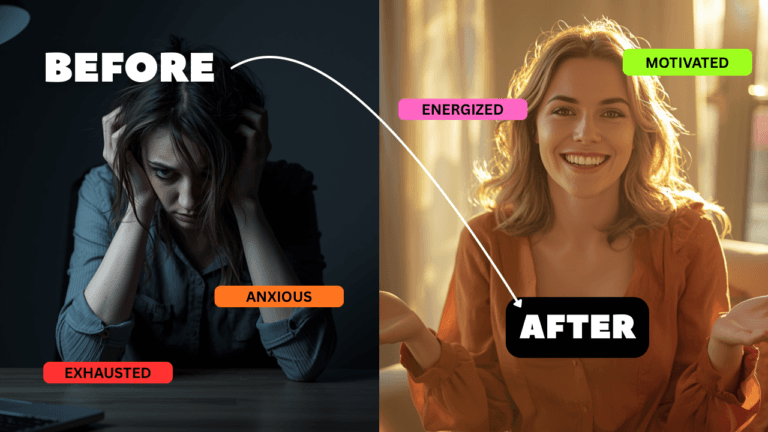
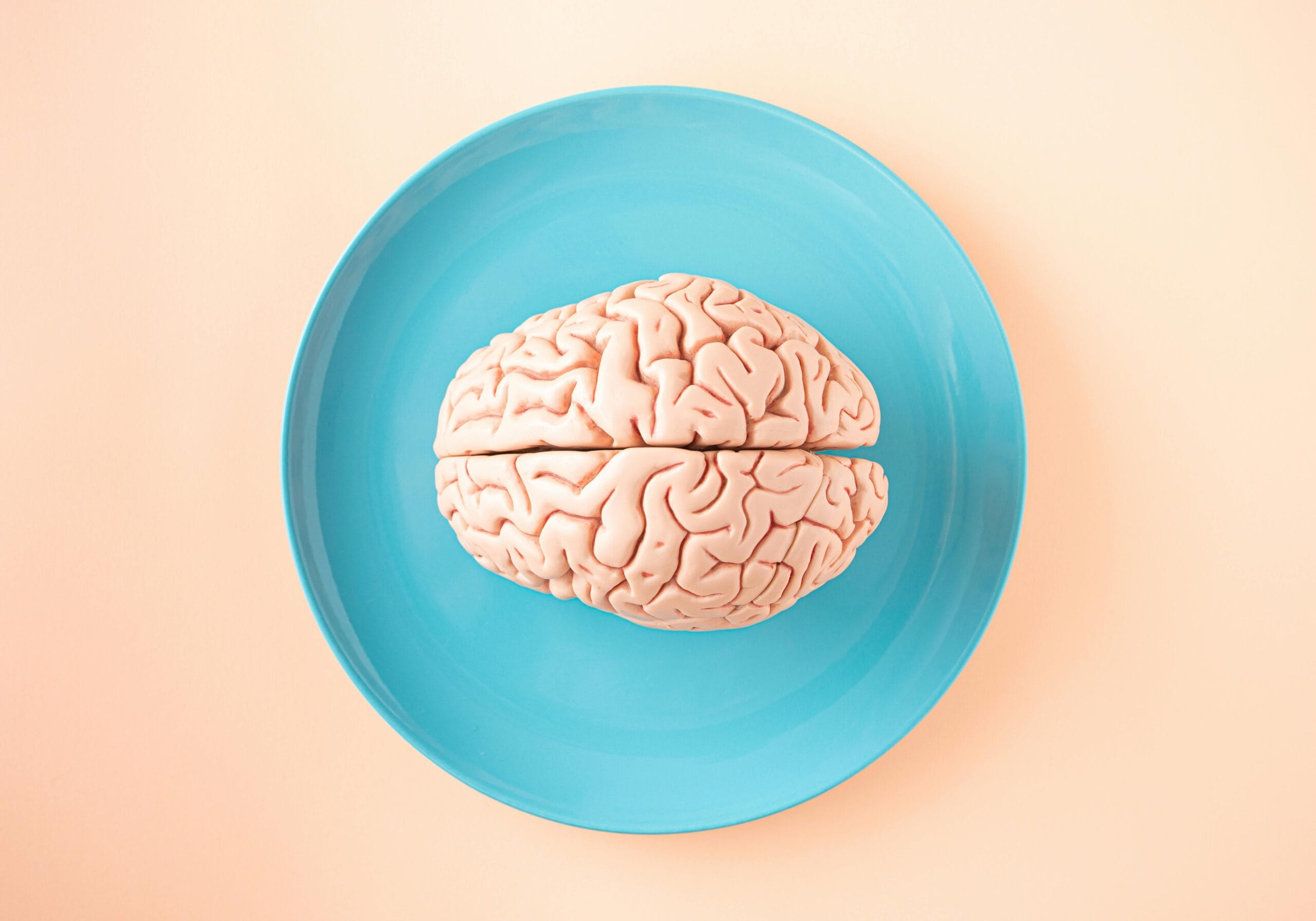
Did you know that approximately 95% of serotonin, a crucial neurotransmitter for mood regulation, is produced in the gut? This highlights the significant role the gut-brain connection plays in mental health. Improving the gut-brain connection is essential for individuals seeking better mental well-being, as it can influence mood, cognitive function, and even the development of psychiatric disorders. In this article, we will explore the importance of the gut-brain axis and provide actionable tips on how to enhance it for improved mental health.
The gut and the brain are connected through the vagus nerve, facilitating a bidirectional communication network. This complex relationship means that the health of the gut microbiome can significantly impact brain function and behavior. By understanding and leveraging this connection, individuals can take proactive steps towards supporting their mental health. Throughout this article, we will delve into the strategies for enhancing the gut-brain connection, from dietary changes to stress management techniques.
Before diving into the main content, it’s essential to note that while the gut-brain connection is a powerful tool for improving mental health, it should not replace professional medical advice or treatment. Always consult with a healthcare provider before making significant changes to your lifestyle or supplement routine. Now, let’s explore the ways to improve the gut-brain connection for better mental health.
Understanding the Gut-Brain Axis and Its Impact on Mental Health
The gut-brain axis refers to the biochemical signaling that takes place between the gastrointestinal tract and the central nervous system. This axis includes the vagus nerve, which acts as a primary communication pathway. The health of the gut microbiome, composed of trillions of microorganisms, influences the production of neurotransmitters, hormones, and other signaling molecules that affect mood and cognitive function.
Research has shown that an imbalance in the gut microbiome, also known as dysbiosis, is associated with various mental health conditions, including depression, anxiety, and bipolar disorder. Therefore, maintaining a balanced gut microbiome is crucial for supporting mental health.
The Role of the Vagus Nerve in Gut-Brain Communication
The vagus nerve is a key player in the gut-brain axis, enabling the bidirectional exchange of information between the gut and the brain. Stimulation of the vagus nerve can lead to the release of neurotransmitters that promote feelings of calmness and relaxation, which can be beneficial for individuals experiencing anxiety or stress.
- Stimulating the Vagus Nerve: Techniques such as deep breathing, meditation, and yoga can help stimulate the vagus nerve, promoting gut-brain communication.
- Exercise and Physical Activity: Regular exercise can also stimulate the vagus nerve, contributing to improved mental health and well-being.
- Social Connection: Social interactions and connections can positively impact the vagus nerve, highlighting the importance of social support in mental health.
Dietary Changes to Support the Gut-Brain Connection
Diet plays a critical role in shaping the gut microbiome and, by extension, influencing the gut-brain axis. A diet rich in whole, unprocessed foods such as fruits, vegetables, whole grains, and lean proteins can support the growth of beneficial gut bacteria.
- Incorporate Fermented Foods: Foods like yogurt, kefir, sauerkraut, and kimchi contain live cultures that can help populate the gut with beneficial bacteria.
- Increase Fiber Intake: Fiber acts as a prebiotic, feeding the good bacteria in the gut and promoting a balanced microbiome.
- Stay Hydrated: Adequate hydration is essential for maintaining a healthy gut lining and supporting the overall health of the gut microbiome.
By making conscious dietary choices, individuals can take a significant step towards improving their gut-brain connection and supporting their mental health.
The Impact of Stress on the Gut-Brain Axis
Chronic stress can have a detrimental effect on the gut-brain axis, leading to changes in the gut microbiome and contributing to mental health issues. Managing stress through various techniques can help mitigate its negative impacts on the gut-brain connection.
Stress Management Techniques for a Healthy Gut-Brain Axis
Techniques such as mindfulness, meditation, and deep breathing exercises can help reduce stress levels, promoting a healthier gut-brain axis. Regular engagement in these practices can lead to improved mental well-being and resilience against stress.
- Mindfulness and Meditation: Regular practice can reduce stress and anxiety, supporting a balanced gut microbiome.
- Deep Breathing Exercises: Conscious breathing can help manage stress and stimulate the vagus nerve, enhancing gut-brain communication.
- Yoga and Physical Activity: Combining physical movement with mindfulness can provide a comprehensive approach to stress management and gut health.
Supplements and Probiotics for Gut-Brain Health
Certain supplements and probiotics can support the health of the gut microbiome, potentially benefiting the gut-brain axis. However, it’s crucial to approach supplementation with caution and consult with a healthcare provider before adding any new supplements to your regimen.
Probiotics, in particular, have been shown to have a positive effect on mental health by reducing symptoms of anxiety and depression. Omega-3 fatty acids, found in fish oil supplements, also support brain health and may have a beneficial effect on the gut-brain axis.
Sleep and the Gut-Brain Connection
Sleep plays a vital role in maintaining a healthy gut-brain axis. During sleep, the body repairs and regenerates tissues, including those in the gut, and consolidates memories, which can impact mental health.
Establishing a consistent sleep schedule, avoiding caffeine and electronics before bedtime, and creating a relaxing bedtime routine can help improve sleep quality. Good sleep hygiene practices are essential for supporting the gut-brain connection and overall mental health.
Environmental Factors Influencing the Gut-Brain Axis
Environmental factors, such as exposure to pesticides and heavy metals, can negatively impact the gut microbiome and the gut-brain axis. Reducing exposure to these harmful substances through lifestyle changes and advocacy for environmental policies can contribute to a healthier gut-brain connection.
Frequently Asked Questions
Question 1: How long does it take to notice improvements in mental health after enhancing the gut-brain connection?
Improvements in mental health can be noticed within a few weeks to several months after making lifestyle changes that support the gut-brain axis.
Question 2: Can probiotics alone improve the gut-brain connection?
While probiotics can be beneficial, a comprehensive approach that includes dietary changes, stress management, and other lifestyle modifications is often more effective in supporting the gut-brain axis.
Question 3: Is the gut-brain connection relevant for individuals without mental health conditions?
Yes, maintaining a healthy gut-brain axis is essential for overall health and well-being, regardless of the presence of mental health conditions. It can help prevent issues and support resilience against stress and disease.
Key Takeaways
In conclusion, the gut-brain connection plays a pivotal role in mental health, and by understanding and supporting this axis, individuals can take proactive steps towards improving their well-being. Remember, the journey to better mental health is unique and may require patience, persistence, and professional guidance.
- Enhance the gut-brain connection through dietary changes and supplementation.
- Manage stress through mindfulness, meditation, and deep breathing exercises.
- Prioritize sleep and maintain good sleep hygiene practices.
- Reduce exposure to harmful environmental substances.
- Seek professional advice before making significant lifestyle changes.
If you or someone you know is struggling with mental health issues, it’s essential to reach out to a healthcare professional for guidance and support. By combining professional advice with the strategies outlined in this article, you can work towards improving your gut-brain connection and enhancing your mental health.
Improving the gut-brain connection is a journey that requires commitment, self-care, and a holistic approach to health. By embracing this journey, individuals can cultivate a stronger, more resilient gut-brain axis, leading to better mental health and a more fulfilling life.
Resources
- National Institute of Mental Health (NIMH): A comprehensive resource for mental health information and research.
- Academy of Nutrition and Dietetics: Provides guidance on nutrition and diet for overall health and well-being.
- Crisis Text Line: Text “HOME” to 741741 for free, 24/7 crisis counseling.
- SAMHSA National Helpline: 1-800-662-4357 (24/7 free, confidential support)
Disclaimer: This article is for informational purposes only and does not constitute medical advice. Always consult with qualified healthcare professionals for diagnosis and treatment of mental health conditions.