Approximately 12% of the population will experience social anxiety disorder at some point in their lives, making it a significant concern for many individuals. Reducing social anxiety naturally without avoidance is a crucial step towards regaining control over one’s life and improving mental health. In this article, we will explore various methods and strategies to help individuals manage their social anxiety without resorting to avoidance techniques, focusing on the primary keyword: reducing social anxiety naturally.
Social anxiety can be debilitating, causing individuals to withdraw from social interactions and avoid situations that trigger their anxiety. However, avoidance can exacerbate the problem, making it more challenging to overcome in the long run. Therefore, it is essential to address social anxiety head-on, using natural and effective methods to reduce its impact on daily life.
This article will provide a comprehensive guide on how to reduce social anxiety naturally without avoidance, covering topics such as lifestyle changes, cognitive-behavioral techniques, and relaxation methods. By the end of this article, readers will have a better understanding of social anxiety and the tools necessary to manage it effectively.
Understanding Social Anxiety Disorder
Social anxiety disorder, also known as social phobia, is a mental health condition characterized by an intense, persistent fear of being judged, evaluated, or embarrassed in social situations. This fear can lead to avoidance of social interactions, which can negatively impact a person’s relationships, career, and overall well-being.
It is essential to recognize the symptoms of social anxiety disorder, which can include rapid heartbeat, sweating, trembling, and difficulty speaking in social situations. By understanding the condition, individuals can take the first step towards reducing their social anxiety naturally.
Common Triggers of Social Anxiety
Identifying common triggers of social anxiety is crucial in developing an effective plan to reduce its impact. Triggers can include public speaking, meeting new people, being the center of attention, or even everyday interactions such as ordering food or making small talk.
- Public Speaking: One of the most common triggers of social anxiety, public speaking can cause significant distress and avoidance.
- Meeting New People: Interacting with strangers can be intimidating, especially for individuals with social anxiety disorder.
- Being the Center of Attention: Being in the spotlight can exacerbate social anxiety, making it challenging for individuals to cope with their emotions.

Lifestyle Changes to Reduce Social Anxiety
Making lifestyle changes can significantly impact social anxiety levels. By incorporating healthy habits into daily life, individuals can reduce their anxiety and improve their overall mental health.
Regular exercise, balanced diet, and sufficient sleep are essential for managing social anxiety. Exercise, in particular, can help reduce anxiety by releasing endorphins, also known as “feel-good” hormones.
- Regular Exercise: Engage in physical activities such as walking, jogging, or yoga to reduce social anxiety.
- Balanced Diet: Eat a healthy, balanced diet rich in fruits, vegetables, and whole grains to support mental health.
- Sufficient Sleep: Aim for 7-8 hours of sleep per night to help regulate emotions and reduce social anxiety.
Cognitive-Behavioral Techniques for Social Anxiety
Cognitive-behavioral therapy (CBT) is a highly effective approach in reducing social anxiety. By changing negative thought patterns and behaviors, individuals can learn to manage their anxiety and improve their mental health.
CBT techniques, such as cognitive restructuring and exposure therapy, can help individuals reframe their negative thoughts and gradually become comfortable in social situations.
Exposure Therapy for Social Anxiety
Exposure therapy is a type of CBT that involves gradually exposing individuals to their feared social situations. This technique can help individuals become desensitized to their triggers and reduce their social anxiety over time.
- Identify Feared Situations: Make a list of social situations that trigger anxiety.
- Rank Situations: Rank the situations in order of anxiety level, from lowest to highest.
- Gradual Exposure: Start with the situation that triggers the least anxiety and gradually work up to more challenging situations.
Relaxation Methods for Social Anxiety
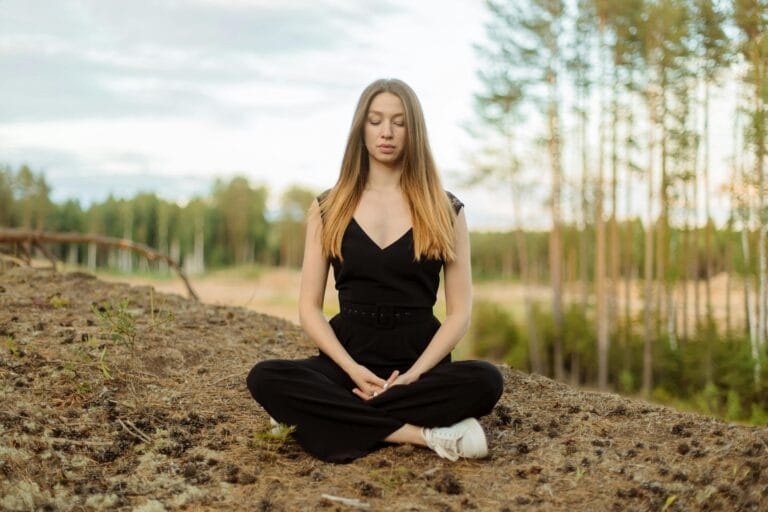
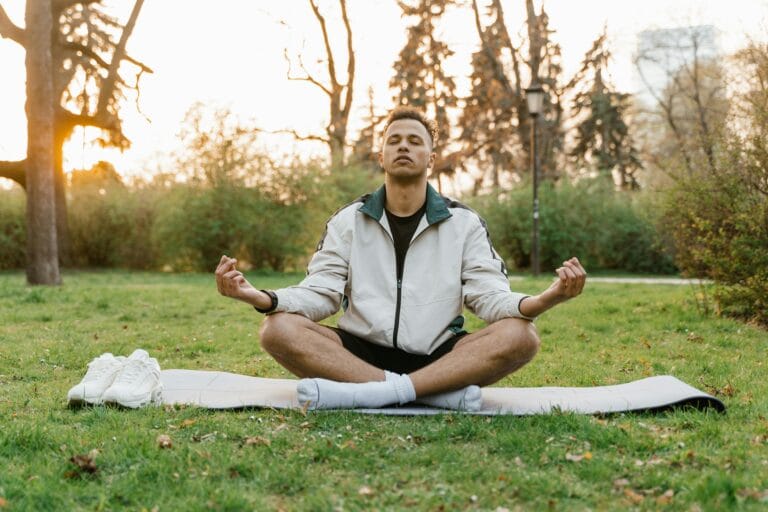
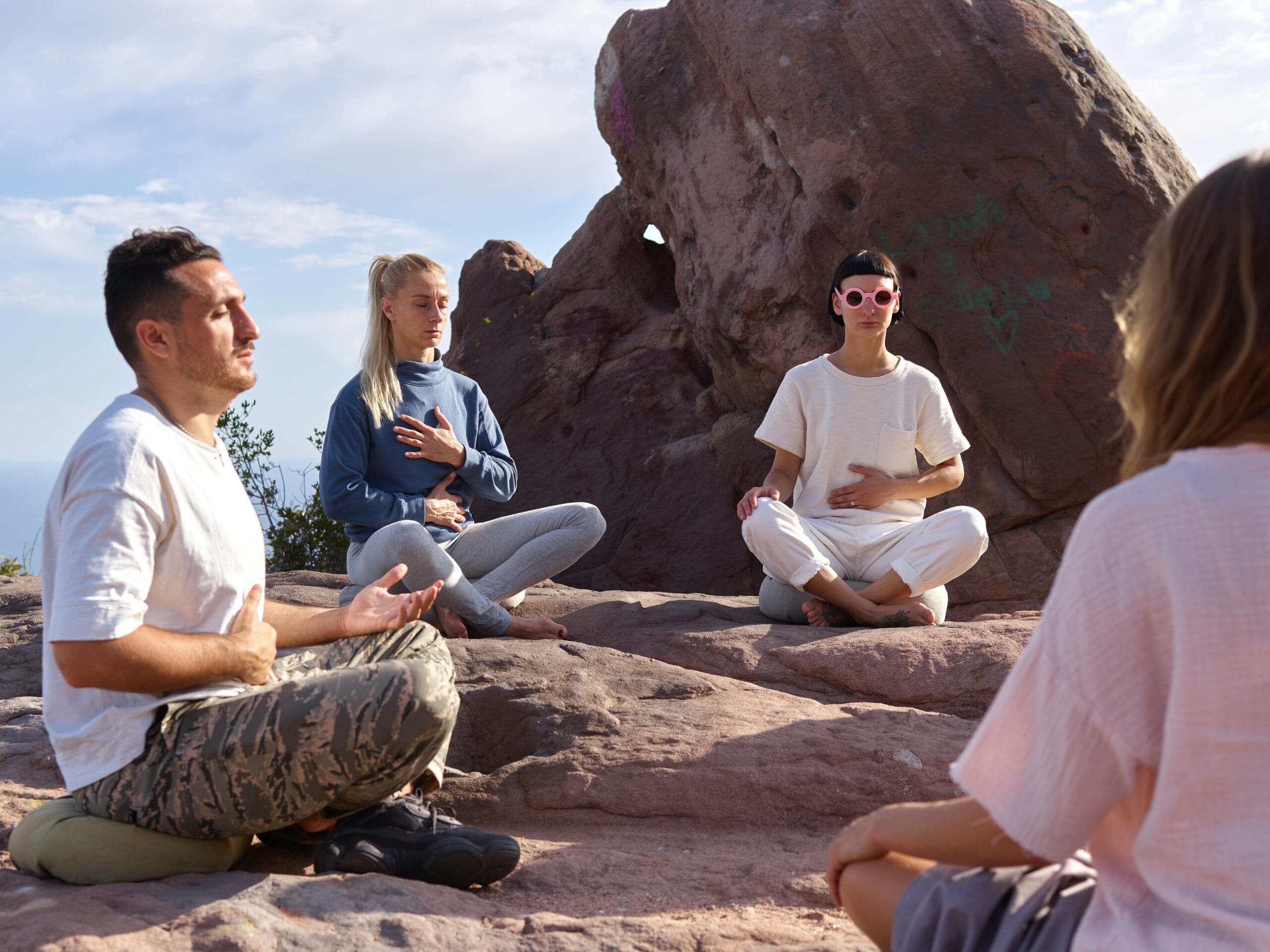
Relaxation methods, such as deep breathing, progressive muscle relaxation, and mindfulness meditation, can help reduce social anxiety by calming the mind and body.
These techniques can be practiced regularly to reduce overall anxiety levels and improve emotional regulation.
- Deep Breathing: Focus on slow, deep breaths to calm the nervous system.
- Progressive Muscle Relaxation: Tense and relax different muscle groups to release physical tension.
- Mindfulness Meditation: Practice mindfulness meditation to increase self-awareness and reduce anxiety.
Building a Support Network
Having a strong support network can make a significant difference in reducing social anxiety. Surrounding oneself with positive, supportive people can help individuals feel more confident and less anxious in social situations.
Joining social groups or clubs, volunteering, or participating in group therapy can help individuals meet new people and build meaningful relationships.
Frequently Asked Questions
Question 1: What is the most effective way to reduce social anxiety naturally?
The most effective way to reduce social anxiety naturally is to combine lifestyle changes, cognitive-behavioral techniques, and relaxation methods.
Question 2: Can social anxiety be cured completely?
While social anxiety may not be completely “cured,” it can be managed effectively with the right techniques and strategies, reducing its impact on daily life.
Question 3: How long does it take to see results from natural social anxiety reduction methods?
Results from natural social anxiety reduction methods can vary depending on the individual and the techniques used. However, with consistent practice and patience, individuals can start to notice improvements within a few weeks to a few months.
Question 4: What if I’m not sure where to start?
If you’re not sure where to start, consider consulting with a mental health professional who can help you develop a personalized plan to reduce your social anxiety.
Question 5: Are there any resources available for social anxiety support?
Yes, there are many resources available for social anxiety support, including online forums, support groups, and hotlines.
Key Takeaways
In conclusion, reducing social anxiety naturally without avoidance is a achievable goal. By incorporating lifestyle changes, cognitive-behavioral techniques, and relaxation methods into daily life, individuals can manage their social anxiety and improve their mental health.
- Make lifestyle changes, such as regular exercise and balanced diet, to reduce social anxiety.
- Practice cognitive-behavioral techniques, such as exposure therapy and cognitive restructuring, to change negative thought patterns.
- Use relaxation methods, such as deep breathing and mindfulness meditation, to calm the mind and body.
- Build a strong support network to increase confidence and reduce anxiety.
- Seek professional help if needed, and don’t be afraid to ask for support.
If you’re struggling with social anxiety, remember that you’re not alone. There is hope for reducing social anxiety naturally, and with the right techniques and support, you can overcome your fears and improve your mental health. Take the first step today, and start your journey towards a more confident, anxiety-free life, reducing social anxiety naturally.
Resources
- National Alliance on Mental Illness (NAMI) Helpline: 1-800-950-6264 (Monday – Friday, 10am – 6pm EST)
- Anxiety and Depression Association of America (ADAA): [www.adaa.org](http://www.adaa.org)
- Social Anxiety Institute: [www.socialanxietyinstitute.org](http://www.socialanxietyinstitute.org)
- Cognitive-Behavioral Therapy (CBT) Resources: [www.cbtdirectory.com](http://www.cbtdirectory.com)
Disclaimer: This article is for informational purposes only and does not constitute medical advice. Always consult with qualified healthcare professionals for diagnosis and treatment of mental health conditions.