Are you one of the millions of people worldwide who experience long-term anxiety, with anxiety disorders affecting over 284 million people globally? Resetting your stress response is crucial to managing anxiety and improving your overall well-being. In this article, we will explore how to reset your stress response after long-term anxiety, focusing on practical strategies and techniques to help you regain control over your mental health.
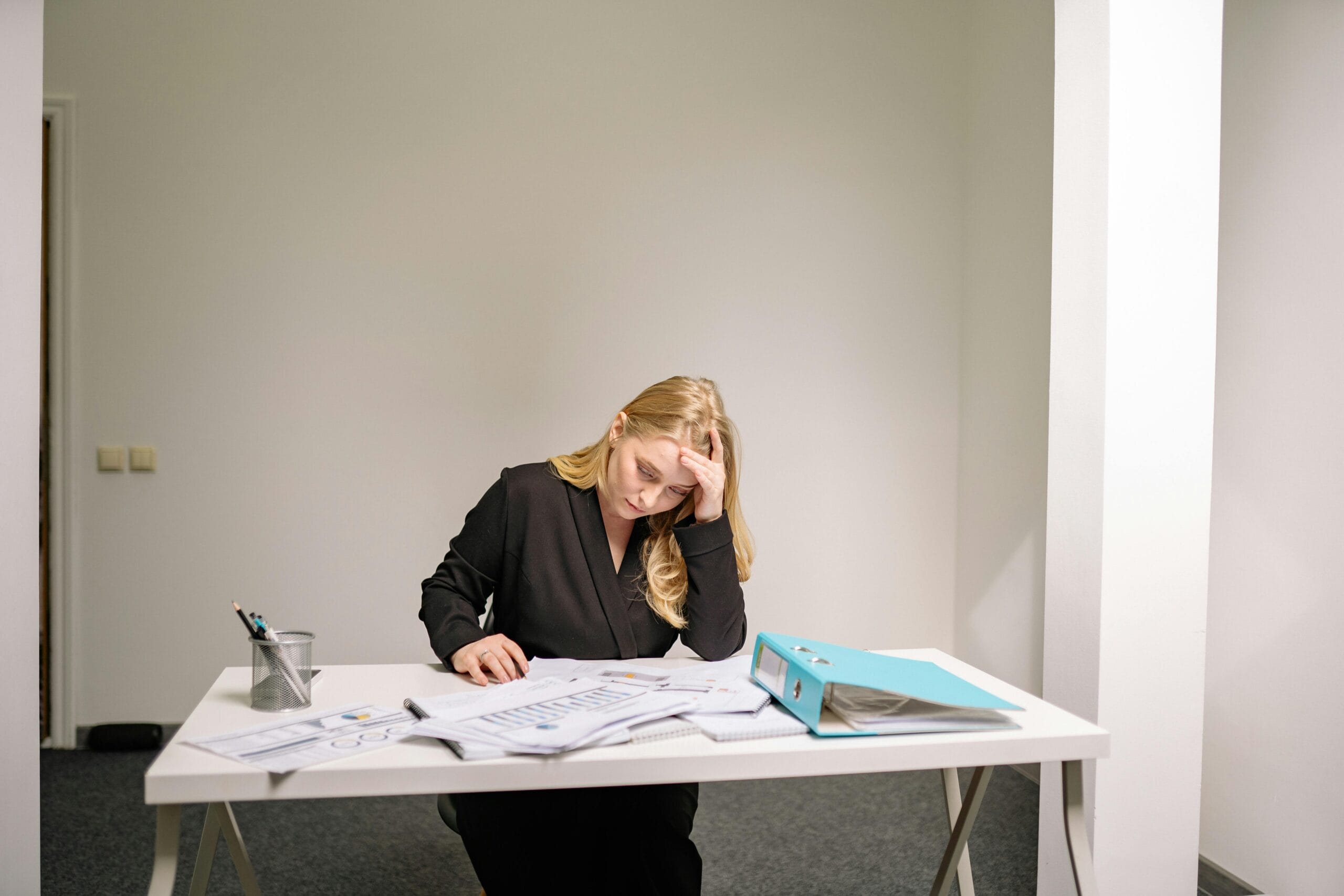
Long-term anxiety can have a profound impact on both physical and mental health, leading to issues such as insomnia, digestive problems, and a weakened immune system. However, by understanding the underlying mechanisms of stress and anxiety, individuals can take the first steps towards recovery. The primary keyword, resetting your stress response, is essential in this process, as it enables people to break free from the cycle of anxiety and develop more adaptive coping mechanisms.
Before diving into the strategies for resetting your stress response, it’s essential to recognize the importance of seeking professional help. Consult with a mental health expert or a healthcare provider to discuss your anxiety and develop a personalized plan for recovery. With the right support and guidance, you can learn to manage your anxiety and improve your overall quality of life. Therefore, let’s explore the main content sections that will provide you with the necessary tools and techniques to reset your stress response.
Understanding the Stress Response and Its Impact on Anxiety
The stress response, also known as the fight-or-flight response, is a natural mechanism that helps individuals respond to perceived threats or dangers. However, when this response is triggered repeatedly, it can lead to long-term anxiety and other mental health issues. To reset your stress response, it’s crucial to understand the underlying physiological processes and how they contribute to anxiety.
The stress response is mediated by the hypothalamic-pituitary-adrenal (HPA) axis, which regulates the release of stress hormones such as cortisol and adrenaline. Chronic activation of the HPA axis can lead to changes in the brain’s structure and function, making it more challenging to manage anxiety. Therefore, finding ways to reduce stress and promote relaxation is essential for resetting your stress response.
The Role of Self-Care in Managing Anxiety
Self-care is a critical component of anxiety management, as it helps individuals develop healthy coping mechanisms and reduces stress. Engaging in self-care activities such as exercise, meditation, or spending time in nature can help regulate the stress response and promote relaxation. By prioritizing self-care, individuals can better manage their anxiety and improve their overall well-being.
- Exercise: Regular physical activity can help reduce stress and anxiety by releasing endorphins, also known as “feel-good” hormones.
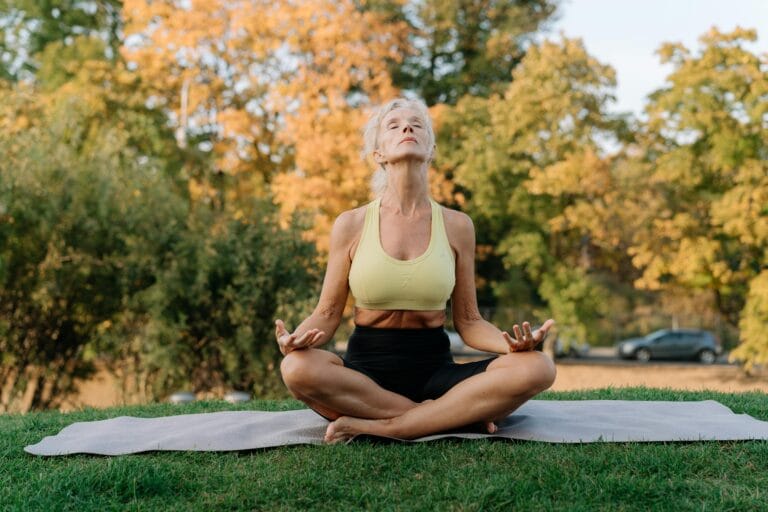
- Meditation: Mindfulness meditation can help calm the mind and reduce stress by promoting relaxation and focus.
- Nature: Spending time in nature can help reduce stress and promote relaxation by providing a sense of calm and connection to the environment.
Techniques for Resetting Your Stress Response
Several techniques can help reset your stress response and manage anxiety. These techniques include deep breathing exercises, progressive muscle relaxation, and mindfulness meditation. By practicing these techniques regularly, individuals can reduce stress and promote relaxation, leading to improved mental health and well-being.
- Deep Breathing Exercises: Deep breathing can help calm the mind and reduce stress by slowing down the heart rate and promoting relaxation.
- Progressive Muscle Relaxation: This technique involves tensing and relaxing different muscle groups to release physical tension and promote relaxation.
- Mindfulness Meditation: Mindfulness meditation can help reduce stress and anxiety by promoting focus, calmness, and relaxation.
Additionally, individuals can try other techniques such as yoga, tai chi, or qigong to help manage anxiety and promote relaxation. These practices combine physical movement with deep breathing and meditation, providing a comprehensive approach to managing stress and anxiety.
The Importance of Social Support in Anxiety Management
Social support is essential for managing anxiety, as it provides individuals with a sense of connection and belonging. Having a strong support network can help individuals cope with anxiety and reduce feelings of loneliness and isolation. By building and maintaining social connections, individuals can improve their mental health and well-being.
Some ways to build social support include joining a support group, participating in social activities, or volunteering. These activities can help individuals meet new people and develop meaningful relationships, leading to improved mental health and well-being.
Building Resilience and Coping Skills
Building resilience and coping skills is crucial for managing anxiety and resetting your stress response. By developing healthy coping mechanisms and learning to manage stress, individuals can improve their ability to handle challenging situations and reduce anxiety. Some strategies for building resilience include practicing self-compassion, developing problem-solving skills, and learning to reframe negative thoughts.
- Self-Compassion: Practicing self-compassion involves treating yourself with kindness, understanding, and patience, leading to improved mental health and well-being.
- Problem-Solving Skills: Developing problem-solving skills can help individuals manage anxiety by providing a sense of control and competence.
- Cognitive Reframing: Cognitive reframing involves changing negative thought patterns and replacing them with more positive and realistic ones, leading to improved mental health and well-being.
Resetting Your Stress Response Through Lifestyle Changes
Lifestyle changes can play a significant role in resetting your stress response and managing anxiety. By making healthy choices and adopting a balanced lifestyle, individuals can reduce stress and promote relaxation. Some lifestyle changes that can help include getting regular exercise, eating a healthy diet, and getting enough sleep.
Exercise, in particular, is an effective way to reduce stress and anxiety. Regular physical activity can help release endorphins, which can improve mood and reduce stress. Additionally, a healthy diet that includes plenty of fruits, vegetables, and whole grains can provide the necessary nutrients for optimal mental health.
The Impact of Sleep on Stress and Anxiety
Sleep is essential for managing stress and anxiety, as it provides the body with the necessary time to rest and recover. Chronic sleep deprivation can lead to increased stress and anxiety, making it challenging to manage anxiety. By prioritizing sleep and establishing a consistent sleep routine, individuals can improve their mental health and well-being.
Seeking Professional Help for Anxiety Management
Seeking professional help is a crucial step in managing anxiety and resetting your stress response. Mental health professionals can provide individuals with the necessary tools and techniques to manage anxiety and improve their mental health. Some options for seeking professional help include therapy, counseling, or support groups.
Therapy, in particular, can be an effective way to manage anxiety. Cognitive-behavioral therapy (CBT) is a type of therapy that focuses on changing negative thought patterns and behaviors, leading to improved mental health and well-being. By working with a therapist, individuals can develop healthy coping mechanisms and learn to manage anxiety.
Managing Anxiety in the Digital Age
The digital age has brought many benefits, but it also has its drawbacks, particularly when it comes to managing anxiety. Social media, in particular, can be a significant source of stress and anxiety, as it provides a constant stream of information and can lead to feelings of comparison and inadequacy.
However, there are ways to manage anxiety in the digital age. Some strategies include taking regular breaks from social media, practicing digital mindfulness, and using technology to promote relaxation and reduce stress. By being mindful of technology use and taking steps to manage digital stress, individuals can improve their mental health and well-being.
Frequently Asked Questions
Question 1: What is the best way to reset my stress response after long-term anxiety?
The best way to reset your stress response is to practice relaxation techniques, such as deep breathing, progressive muscle relaxation, or mindfulness meditation, and to make lifestyle changes that promote relaxation and reduce stress.
Question 2: How can I manage anxiety in my daily life?
Managing anxiety in daily life involves developing healthy coping mechanisms, such as exercise, self-care, and social support, and learning to manage stress and promote relaxation.
Question 3: What are some common symptoms of anxiety?
Common symptoms of anxiety include feelings of worry, fear, or apprehension, as well as physical symptoms such as a racing heart, sweating, or trembling.
Question 4: How can I seek professional help for anxiety management?
Seeking professional help for anxiety management involves consulting with a mental health professional, such as a therapist or counselor, and developing a personalized plan for recovery.
Question 5: What are some resources available for anxiety management?
Resources available for anxiety management include support groups, online therapy platforms, and mental health hotlines, such as the SAMHSA National Helpline.
Key Takeaways
In conclusion, resetting your stress response after long-term anxiety requires a comprehensive approach that involves practicing relaxation techniques, making lifestyle changes, and seeking professional help. By understanding the underlying mechanisms of stress and anxiety, individuals can develop healthy coping mechanisms and improve their mental health and well-being.
- Practice relaxation techniques, such as deep breathing, progressive muscle relaxation, or mindfulness meditation.
- Make lifestyle changes that promote relaxation and reduce stress, such as getting regular exercise, eating a healthy diet, and getting enough sleep.
- Seek professional help, such as therapy or counseling, to develop a personalized plan for recovery.
- Build social support and connect with others to reduce feelings of loneliness and isolation.
- Be mindful of technology use and take steps to manage digital stress.
If you or someone you know is struggling with anxiety, it’s essential to seek help and support. Remember, resetting your stress response is a process that takes time, patience, and effort, but it is possible with the right tools and techniques. Don’t hesitate to reach out to a mental health professional or a support group for guidance and support.
By taking the first step towards recovery and seeking help, you can begin to reset your stress response and improve your mental health and well-being. Remember, you are not alone, and there is hope for a better tomorrow.
Resources
- SAMHSA National Helpline: 1-800-662-4357 (24/7 free, confidential support)
- National Alliance on Mental Illness (NAMI) Helpline: 1-800-950-6264 (Monday-Friday, 10am-6pm ET)
- Crisis Text Line: Text “HOME” to 741741 (24/7 free, confidential support)
- Anxiety and Depression Association of America (ADAA): [www.adaa.org](http://www.adaa.org)
Disclaimer: This article is for informational purposes only and does not constitute medical advice. Always consult with qualified healthcare professionals for diagnosis and treatment of anxiety disorders.