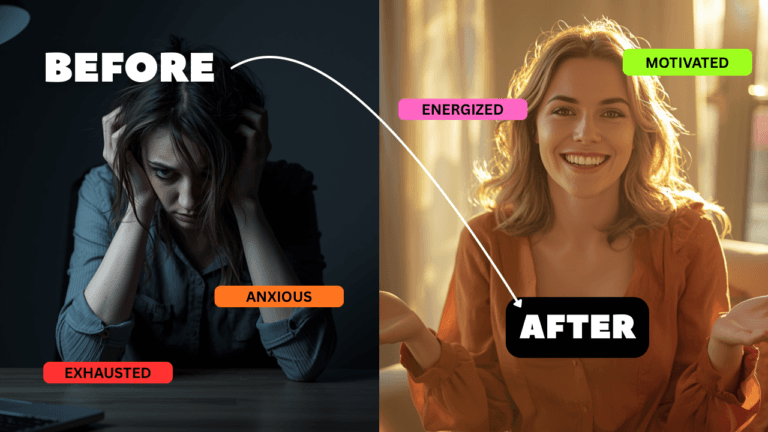
Are you one of the millions of people struggling with long-term anxiety, wondering how to reset your stress response and find peace again? Approximately 19.1% of adults in the United States have experienced an anxiety disorder in the past year, making it a prevalent mental health concern. Learning how to reset your stress response after long-term anxiety is crucial for regaining control over your mental well-being. In this article, we will explore the ways to reset your stress response and provide you with actionable tips to manage anxiety.
The journey to resetting your stress response begins with understanding the impact of long-term anxiety on your body and mind. Chronic anxiety can lead to an overactive stress response, making it challenging to relax and feel calm. However, with the right strategies and techniques, you can learn to manage your anxiety and reset your stress response. This article will cover various topics, including the effects of long-term anxiety, stress management techniques, and self-care practices, to help you on your path to recovery.
Let’s dive into the world of stress response and anxiety, exploring the ways to reset and regain balance in your life. Whether you’re struggling with generalized anxiety, panic disorder, or social anxiety, the techniques and strategies outlined in this article can help you develop a more resilient and calm mindset. So, take a deep breath, and let’s begin this journey together, focusing on how to reset your stress response after long-term anxiety.
Understanding the Impact of Long-Term Anxiety on Your Body
Long-term anxiety can have a profound impact on your physical and mental health, affecting your stress response and overall well-being. When you experience anxiety, your body’s “fight or flight” response is triggered, releasing stress hormones like cortisol and adrenaline. While these hormones are essential for responding to immediate threats, chronically elevated levels can lead to fatigue, insomnia, and a weakened immune system.
Additionally, long-term anxiety can affect your mental health, contributing to depression, anxiety disorders, and even suicidal thoughts. It’s essential to address anxiety and reset your stress response to prevent these negative consequences and promote overall health.
The Effects of Chronic Stress on Mental Health
Chronic stress can rewire your brain, making it more prone to anxiety and depression. The constant release of stress hormones can lead to changes in your brain’s structure and function, affecting your mood, motivation, and emotional regulation. Understanding these effects is crucial for developing effective strategies to reset your stress response and manage anxiety.
- Increased anxiety: Chronic stress can exacerbate anxiety symptoms, creating a vicious cycle of fear and worry.
- Depression: Long-term anxiety can contribute to the development of depressive disorders, characterized by persistent feelings of sadness and hopelessness.
- Cognitive impairment: Chronic stress can affect your attention, memory, and decision-making abilities, making it challenging to cope with daily tasks and responsibilities.
Stress Management Techniques for Anxiety Relief
Fortunately, there are various stress management techniques that can help you reset your stress response and alleviate anxiety symptoms. These techniques focus on reducing stress hormones, promoting relaxation, and enhancing emotional regulation. Some effective stress management techniques include deep breathing exercises, progressive muscle relaxation, and mindfulness meditation.
- Deep breathing exercises: Focus on slow, deliberate breaths, inhaling through your nose and exhaling through your mouth, to calm your nervous system and reduce stress.
- Progressive muscle relaxation: Tense and then relax different muscle groups in your body, starting with your toes and moving up to your head, to release physical tension and promote relaxation.
- Mindfulness meditation: Practice mindfulness meditation, focusing on the present moment and letting go of worries about the past or future, to cultivate a sense of calm and reduce anxiety.
By incorporating these stress management techniques into your daily routine, you can develop greater resilience to stress and anxiety, improving your overall mental health and well-being.
The Importance of Self-Care in Anxiety Recovery
Self-care is essential for anxiety recovery, as it helps you develop a positive relationship with yourself and your body. Engaging in self-care activities can reduce stress, promote relaxation, and enhance your mood. Some effective self-care strategies include exercise, social connection, and creative expression.
Exercise as a Tool for Anxiety Relief
Regular exercise is a powerful tool for anxiety relief, as it reduces stress hormones, releases endorphins, and improves mood. Engage in physical activities that bring you joy, such as walking, running, swimming, or dancing, to experience the anxiety-reducing benefits of exercise.
- Reduces stress hormones: Exercise can help lower cortisol and adrenaline levels, promoting a sense of calm and relaxation.
- Releases endorphins: Physical activity stimulates the release of endorphins, also known as “feel-good” hormones, which can improve your mood and reduce anxiety.
- Improves sleep: Regular exercise can help regulate your sleep patterns, reducing insomnia and fatigue associated with anxiety.
Cognitive-Behavioral Therapy (CBT) for Anxiety
Cognitive-behavioral therapy (CBT) is a highly effective treatment for anxiety disorders, helping you identify and challenge negative thought patterns and behaviors that contribute to anxiety. CBT can be conducted individually or in group settings, and it’s often used in conjunction with other therapies, such as medication or mindfulness-based interventions.
CBT focuses on teaching you skills to manage anxiety, such as cognitive restructuring, exposure therapy, and relaxation techniques. By learning these skills, you can develop greater control over your anxiety and improve your overall mental health.
Exposure Therapy for Anxiety Reduction
Exposure therapy is a type of CBT that involves gradually exposing yourself to situations or stimuli that trigger anxiety, while using relaxation techniques to manage your response. This approach can help you become desensitized to anxiety-provoking stimuli, reducing your overall anxiety levels.
- Identify triggers: Work with your therapist to identify situations or stimuli that trigger anxiety, and develop a plan to gradually expose yourself to these triggers.
- Develop a relaxation plan: Learn relaxation techniques, such as deep breathing or progressive muscle relaxation, to manage your anxiety response during exposure therapy.
- Gradual exposure: Gradually expose yourself to the identified triggers, starting with small steps, and use your relaxation plan to manage your anxiety response.
Mindfulness-Based Interventions for Anxiety Reduction
Mindfulness-based interventions, such as mindfulness-based stress reduction (MBSR) and mindfulness-based cognitive therapy (MBCT), can be highly effective in reducing anxiety symptoms. These interventions focus on teaching you mindfulness skills, such as meditation and deep breathing, to increase your awareness of the present moment and reduce worries about the past or future.
By practicing mindfulness, you can develop a greater sense of calm and reduce your anxiety response, leading to improved overall mental health and well-being.
Nutrition and Anxiety: The Importance of a Balanced Diet
A balanced diet rich in whole foods, fruits, vegetables, and omega-3 fatty acids can help reduce anxiety symptoms. A healthy diet provides your body with the necessary nutrients to function properly, reducing inflammation and promoting relaxation.
Foods that Can Help Reduce Anxiety
Certain foods, such as fermented foods, dark chocolate, and turmeric, have been shown to have anxiety-reducing properties. Incorporate these foods into your diet to experience the benefits of a balanced and nutritious meal plan.
- Fermented foods: Foods like kimchi, sauerkraut, and kefir contain probiotics, which can help regulate your gut microbiome and reduce anxiety.
- Dark chocolate: Dark chocolate contains flavonoids, which can help reduce stress and anxiety by promoting relaxation and improving mood.
- Turmeric: Turmeric contains curcumin, a compound with anti-inflammatory and antioxidant properties, which can help reduce anxiety and improve overall mental health.
Frequently Asked Questions
Question 1: What is the most effective way to reset my stress response after long-term anxiety?
The most effective way to reset your stress response is to combine stress management techniques, such as deep breathing exercises and progressive muscle relaxation, with self-care activities, like exercise and social connection, and seek professional help when needed.
Question 2: How long does it take to reset my stress response and reduce anxiety symptoms?
The time it takes to reset your stress response and reduce anxiety symptoms varies from person to person, depending on the severity of your anxiety and the effectiveness of your treatment plan. With consistent practice and patience, you can experience significant improvements in your mental health and well-being.
Question 3: Can I reset my stress response on my own, or do I need professional help?
While it’s possible to make progress on your own, working with a mental health professional can provide you with personalized guidance, support, and accountability, leading to more effective and sustainable results.
Question 4: What are some common obstacles to resetting my stress response, and how can I overcome them?
Common obstacles to resetting your stress response include lack of motivation, difficulty in establishing a consistent routine, and negative thought patterns. Overcome these obstacles by setting realistic goals, seeking support from friends and family, and practicing self-compassion.
Question 5: How can I maintain my progress and prevent relapse after resetting my stress response?
Maintain your progress by continuing to practice stress management techniques, engaging in self-care activities, and seeking regular check-ins with your mental health professional. Additionally, develop a relapse prevention plan to help you navigate challenging situations and stay on track with your mental health goals.
Key Takeaways
In conclusion, resetting your stress response after long-term anxiety requires a comprehensive approach that incorporates stress management techniques, self-care activities, and professional help when needed. By understanding the impact of long-term anxiety on your body and mind, and by using the strategies and techniques outlined in this article, you can develop greater resilience to stress and anxiety, improving your overall mental health and well-being.
- Understand the impact of long-term anxiety on your body and mind
- Practice stress management techniques, such as deep breathing exercises and progressive muscle relaxation
- Engage in self-care activities, like exercise and social connection
- Seek professional help when needed
- Develop a relapse prevention plan to maintain progress and prevent relapse
If you’re struggling with anxiety and want to reset your stress response, remember that you’re not alone. Reach out to a mental health professional, and start your journey towards a more balanced and fulfilling life. With patience, persistence, and the right support, you can overcome anxiety and achieve a state of calm and well-being, resetting your stress response and improving your overall quality of life.
Resetting your stress response after long-term anxiety is a journey that requires compassion, hope, and resilience. By taking the first step towards seeking help and support, you’re already on the path to healing and recovery. Remember to be kind to yourself, celebrate your small victories, and stay committed to your mental health goals. With time and effort, you can reset your stress response and live a life free from the burdens of anxiety.
Resources
- SAMHSA National Helpline: 1-800-662-4357 (24/7 free, confidential support)
- National Alliance on Mental Illness (NAMI) Helpline: 1-800-950-6264 (Monday – Friday, 10am – 6pm EST)
- Anxiety and Depression Association of America (ADAA): [www.adaa.org](http://www.adaa.org)
- Crisis Text Line: Text “HOME” to 741741 (24/7 free, confidential support)
Disclaimer: This article is for informational purposes only and does not constitute medical advice. Always consult with qualified healthcare professionals for diagnosis and treatment of anxiety disorders.