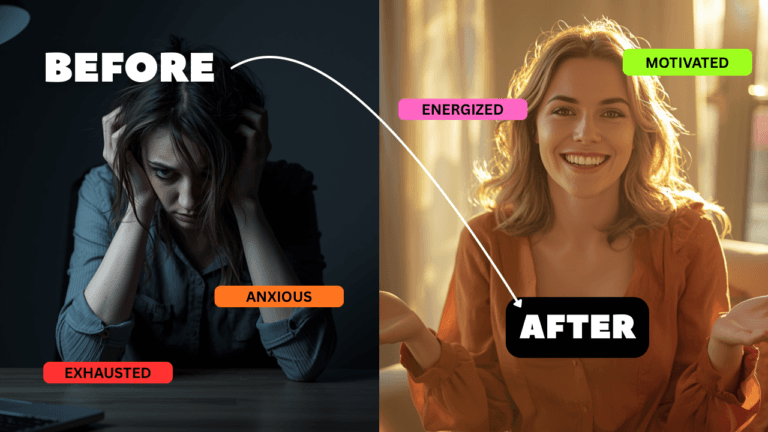

Did you know that approximately 19.1% of adults in the United States experience at least one major depressive episode in their lifetime, with anxiety disorders affecting over 31.1% of the population? Rewiring an anxious brain naturally using daily habits is a crucial step towards managing anxiety and improving overall mental health. In this article, we will explore how to rewire an anxious brain naturally using daily habits, focusing on the primary keyword “rewire an anxious brain” to provide you with actionable advice and strategies.
The concept of rewiring an anxious brain involves making intentional changes to your daily habits and lifestyle to reduce anxiety and promote mental well-being. By incorporating simple yet effective daily habits, individuals can learn to manage their anxiety and improve their quality of life. Throughout this article, we will discuss various daily habits that can help rewire an anxious brain, including mindfulness, exercise, and nutrition.
Let’s dive into the world of rewiring an anxious brain naturally using daily habits, exploring the latest research and expert advice to help you get started on your journey towards better mental health. Whether you’re struggling with anxiety or simply looking to improve your overall well-being, this article will provide you with the tools and strategies you need to rewire your brain and achieve a more balanced life.
Understanding the Science Behind Rewiring an Anxious Brain
The human brain is a complex and dynamic system, capable of reorganizing itself in response to new experiences and learning. This concept, known as neuroplasticity, is the foundation of rewiring an anxious brain. By understanding how neuroplasticity works, individuals can harness its power to make positive changes to their brain and reduce anxiety.
Neuroplasticity allows the brain to rewire itself in response to new experiences, creating new neural connections and strengthening existing ones. This process can be influenced by daily habits, such as mindfulness and exercise, which can help reduce anxiety and promote mental well-being. By incorporating these habits into your daily routine, you can begin to rewire your brain and improve your mental health.
The Role of Neurotransmitters in Anxiety
Neurotransmitters, such as serotonin and dopamine, play a crucial role in regulating mood and anxiety. Imbalances in these neurotransmitters can contribute to anxiety disorders, making it essential to understand how to promote healthy neurotransmitter function. By incorporating daily habits that support neurotransmitter balance, individuals can reduce anxiety and improve their overall mental health.
- Exercise: Regular exercise can help reduce anxiety by promoting the release of endorphins, also known as “feel-good” hormones.
- Mindfulness: Mindfulness practices, such as meditation and deep breathing, can help reduce anxiety by promoting relaxation and reducing stress.
- Nutrition: A balanced diet that includes foods rich in omega-3 fatty acids, vitamin D, and complex carbohydrates can help support neurotransmitter balance and reduce anxiety.
Daily Habits to Rewire an Anxious Brain
Incorporating daily habits that promote relaxation, reduce stress, and support neurotransmitter balance is essential for rewiring an anxious brain. By making intentional changes to your daily routine, you can begin to reduce anxiety and improve your overall mental health. Here are some daily habits to get you started:
- Start a mindfulness practice: Begin with short meditation sessions, focusing on deep breathing and relaxation techniques.
- Engage in regular exercise: Aim for at least 30 minutes of moderate-intensity exercise per day, such as brisk walking or yoga.
- Practice gratitude: Take a few minutes each day to reflect on the things you’re grateful for, helping to shift your focus away from anxiety and towards positivity.
Additionally, incorporating activities that bring you joy and help you relax, such as reading or listening to music, can also help reduce anxiety and promote mental well-being. By making these daily habits a priority, you can begin to rewire your brain and improve your overall mental health.
The Importance of Sleep in Rewiring an Anxious Brain
Sleep plays a critical role in rewiring an anxious brain, with research showing that inadequate sleep can exacerbate anxiety disorders. By prioritizing sleep and establishing a consistent sleep routine, individuals can help reduce anxiety and promote mental well-being.
Aim for 7-9 hours of sleep per night, avoiding stimulating activities and electronics before bedtime. Create a relaxing sleep environment, such as keeping the room cool and dark, and avoid caffeine and heavy meals close to bedtime. By prioritizing sleep, you can help your brain function at its best, reducing anxiety and promoting overall mental health.
Nutrition and Rewiring an Anxious Brain
Nutrition plays a vital role in rewiring an anxious brain, with certain foods and nutrients supporting neurotransmitter balance and reducing anxiety. By incorporating a balanced diet that includes foods rich in omega-3 fatty acids, vitamin D, and complex carbohydrates, individuals can help reduce anxiety and promote mental well-being.
Some key foods to include in your diet are fatty fish, such as salmon and sardines, which are rich in omega-3 fatty acids. Leafy greens, such as spinach and kale, are also rich in folate, which can help support neurotransmitter balance. Whole grains, such as brown rice and quinoa, provide complex carbohydrates that can help regulate blood sugar and reduce anxiety.
Managing Stress and Rewiring an Anxious Brain
Stress is a significant contributor to anxiety, making it essential to develop effective stress management techniques. By incorporating daily habits that reduce stress, such as exercise and mindfulness, individuals can help reduce anxiety and promote mental well-being.
Additionally, setting realistic goals and prioritizing tasks can help reduce stress and promote a sense of control. Taking regular breaks and engaging in activities that bring you joy can also help reduce stress and promote relaxation. By managing stress effectively, you can help reduce anxiety and promote overall mental health.
Building Resilience and Rewiring an Anxious Brain
Building resilience is critical in rewiring an anxious brain, as it enables individuals to cope with challenges and setbacks more effectively. By developing a growth mindset and focusing on positive self-talk, individuals can build resilience and reduce anxiety.
Additionally, surrounding yourself with supportive people and engaging in activities that promote social connection can help build resilience. By prioritizing self-care and taking care of your physical and emotional needs, you can build resilience and promote overall mental health.
Frequently Asked Questions
Question 1: How long does it take to rewire an anxious brain?
Rewiring an anxious brain takes time and patience, with noticeable improvements often occurring within 6-12 weeks of consistent practice.
Question 2: Can I rewire my brain without medication?
Yes, it is possible to rewire your brain without medication, using daily habits and lifestyle changes to reduce anxiety and promote mental well-being.
Question 3: What are some common obstacles to rewiring an anxious brain?
Common obstacles to rewiring an anxious brain include lack of motivation, inconsistent practice, and unrealistic expectations. By setting realistic goals and prioritizing self-care, individuals can overcome these obstacles and achieve success.
Key Takeaways
In conclusion, rewiring an anxious brain naturally using daily habits is a powerful approach to managing anxiety and improving overall mental health. By incorporating daily habits such as mindfulness, exercise, and nutrition, individuals can reduce anxiety and promote mental well-being.
- Start a mindfulness practice to reduce anxiety and promote relaxation.
- Engage in regular exercise to reduce anxiety and improve mood.
- Prioritize sleep and establish a consistent sleep routine to reduce anxiety and promote mental well-being.
- Incorporate a balanced diet that includes foods rich in omega-3 fatty acids, vitamin D, and complex carbohydrates to support neurotransmitter balance and reduce anxiety.
- Manage stress effectively by setting realistic goals, prioritizing tasks, and taking regular breaks.
Remember, rewiring an anxious brain takes time and patience, but with consistent practice and dedication, you can achieve significant improvements in your mental health. Don’t hesitate to seek help from mental health professionals if you need additional support. By taking the first step towards rewiring your anxious brain, you can begin to reduce anxiety and improve your overall quality of life.
Start your journey towards a healthier, happier you, and remember that rewiring an anxious brain is a journey, not a destination. With the right mindset, support, and daily habits, you can overcome anxiety and achieve a more balanced, fulfilling life, and learn to rewire an anxious brain naturally.
Resources
- National Alliance on Mental Illness (NAMI) Helpline: 1-800-950-6264 (Monday – Friday, 10am – 6pm ET)
- Anxiety and Depression Association of America (ADAA): [www.adaa.org](http://www.adaa.org)
- Substance Abuse and Mental Health Services Administration (SAMHSA) National Helpline: 1-800-662-4357 (24/7 free, confidential support)
Disclaimer: This article is for informational purposes only and does not constitute medical advice. Always consult with qualified healthcare professionals for diagnosis and treatment of anxiety disorders.