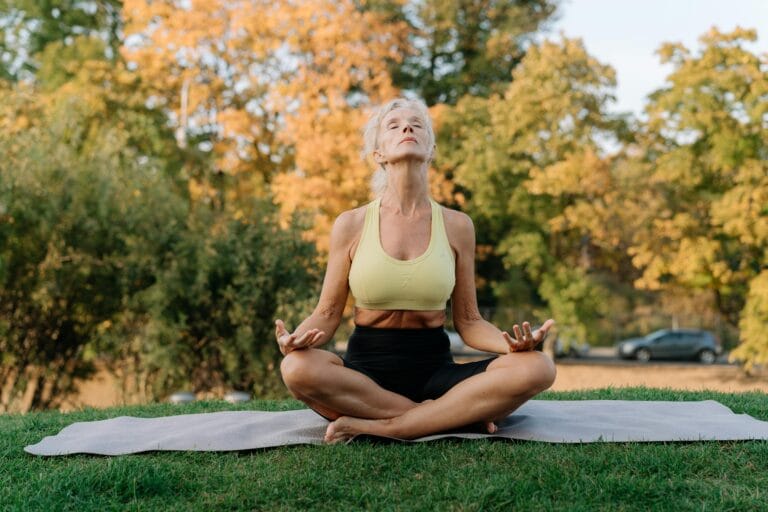

Did you know that approximately 31.1% of the U.S. population experiences an anxiety disorder at some point in their lives? Learning how to stop anxiety without medication by leveraging your nervous system can be a game-changer for those seeking alternative solutions. In this article, we will explore the concept of using your nervous system to manage anxiety, providing you with actionable tips and strategies to regain control over your mental health.
Anxiety can be overwhelming, affecting every aspect of daily life. However, by understanding how your nervous system works and applying simple yet effective techniques, you can learn to manage anxiety without relying on medication. This approach focuses on harnessing the power of your nervous system to promote relaxation, reduce stress, and improve overall well-being.
Before diving into the strategies, it’s essential to understand that everyone’s journey with anxiety is unique, and what works for one person might not work for another. Therefore, it’s crucial to be patient, compassionate, and open to exploring different techniques to find what works best for you. In the following sections, we will delve into the specifics of how to stop anxiety without medication using your nervous system.
Understanding Your Nervous System and Anxiety
Your nervous system plays a vital role in regulating your body’s response to stress and anxiety. The autonomic nervous system (ANS) is divided into two main branches: the sympathetic nervous system (SNS) and the parasympathetic nervous system (PNS). The SNS is responsible for the “fight or flight” response, while the PNS promotes relaxation and calmness.
When you experience anxiety, your SNS is triggered, leading to increased heart rate, blood pressure, and respiration. On the other hand, activating your PNS can help counterbalance the effects of anxiety, promoting a sense of calm and relaxation.
How to Activate Your Parasympathetic Nervous System
Activating your PNS can be achieved through various techniques, including deep breathing exercises, progressive muscle relaxation, and mindfulness meditation. These practices help slow down your heart rate, lower your blood pressure, and calm your mind.
- Deep Breathing: Focus on slow, deliberate breaths, inhaling through your nose and exhaling through your mouth.
- Progressive Muscle Relaxation: Tense and then relax different muscle groups in your body, starting from your toes and moving up to your head.
- Mindfulness Meditation: Practice being present in the moment, focusing on your breath, and letting go of distracting thoughts.
The Power of Breathwork in Anxiety Management
Breathwork is a powerful tool for managing anxiety, as it directly affects your nervous system. By practicing conscious breathing techniques, you can calm your mind, slow down your heart rate, and reduce stress hormones in your body.
- Diaphragmatic Breathing: Engage your diaphragm by placing one hand on your belly and the other on your chest. Inhale deeply, allowing your belly to rise while your chest remains still.
- 4-7-8 Breathing: Inhale through your nose for a count of 4, hold your breath for a count of 7, and exhale through your mouth for a count of 8.
- Box Breathing: Inhale for a count of 4, hold for a count of 4, exhale for a count of 4, and hold again for a count of 4.
Regular breathwork practice can help you develop greater awareness of your body’s physiological response to anxiety, allowing you to intervene earlier and prevent anxiety attacks.
Exercise and Physical Activity for Anxiety Reduction
Exercise is a natural anxiety-reducer, as it releases endorphins, also known as “feel-good” hormones. Regular physical activity can help alleviate anxiety symptoms by promoting relaxation, improving mood, and enhancing sleep quality.
Aim for at least 30 minutes of moderate-intensity exercise per day, such as brisk walking, cycling, or swimming. You can also incorporate high-intensity interval training (HIIT) for added benefits.
How Exercise Affects Your Nervous System
Exercise influences your nervous system by stimulating the release of neurotransmitters, such as serotonin and dopamine, which help regulate mood and reduce anxiety. Additionally, physical activity can enhance the growth of new neurons in the brain, improving cognitive function and resilience to stress.
Mindfulness and Meditation for Anxiety Management
Mindfulness and meditation are powerful tools for managing anxiety, as they help you develop greater awareness of your thoughts, emotions, and physical sensations. Regular practice can lead to reduced anxiety symptoms, improved emotional regulation, and enhanced overall well-being.
Start with short, guided meditation sessions, focusing on your breath, body sensations, or a mantra. As you progress, you can explore different types of meditation, such as loving-kindness meditation or transcendental meditation.
How Mindfulness Affects Your Nervous System
Mindfulness practice can affect your nervous system by increasing the activity of your PNS, leading to a decrease in stress hormones and an increase in feelings of relaxation and calmness.
Nutrition and Diet for Anxiety Reduction
A healthy diet rich in whole foods, fruits, vegetables, and omega-3 fatty acids can help alleviate anxiety symptoms. Avoid sugary, processed, and caffeinated foods and beverages, which can exacerbate anxiety.
Incorporate anxiety-reducing foods into your diet, such as:
- Turmeric: Contains curcumin, a potent anti-inflammatory compound.
- Dark Chocolate: Rich in flavonoids, which can help reduce stress and anxiety.
- Fatty Fish: High in omega-3 fatty acids, which support brain health and reduce inflammation.
Sleep and Relaxation for Anxiety Management
Adequate sleep and relaxation are essential for managing anxiety. Aim for 7-9 hours of sleep per night and establish a consistent sleep schedule.
Practice relaxation techniques before bedtime, such as reading, listening to calming music, or taking a warm bath. Avoid screens and electronic devices at least an hour before bedtime, as the blue light emitted can interfere with your sleep.
How Sleep Affects Your Nervous System
Sleep plays a critical role in regulating your nervous system, allowing your body to repair and recharge. During sleep, your PNS is active, helping to calm your mind and body, while your SNS is less active, reducing stress and anxiety.
Frequently Asked Questions
Question 1: Can I completely eliminate anxiety without medication?
While it’s possible to manage anxiety without medication, it’s essential to consult with a healthcare professional to determine the best course of treatment for your specific situation.
Question 2: How long does it take to see results from using my nervous system to manage anxiety?
Results may vary, but with consistent practice and patience, you can start to notice improvements in your anxiety symptoms within a few weeks to a few months.
Question 3: Can I use these techniques in conjunction with medication or therapy?
Yes, you can use these techniques in conjunction with medication or therapy. In fact, combining these approaches can lead to more effective anxiety management and improved overall well-being.
Key Takeaways
In conclusion, learning how to stop anxiety without medication using your nervous system requires patience, dedication, and a willingness to explore different techniques. By understanding your nervous system, practicing breathwork, exercise, mindfulness, and nutrition, and prioritizing sleep and relaxation, you can develop a comprehensive approach to managing anxiety.
- Understand your nervous system and its role in anxiety management.
- Practice breathwork, exercise, and mindfulness to reduce anxiety symptoms.
- Prioritize nutrition, sleep, and relaxation for overall well-being.
- Consult with a healthcare professional to determine the best course of treatment for your specific situation.
- Be patient and compassionate with yourself as you work through the process of managing anxiety.
If you’re struggling with anxiety, remember that you’re not alone. Reach out to a trusted friend, family member, or mental health professional for support. With the right tools and techniques, you can learn to manage anxiety and improve your overall quality of life.
By harnessing the power of your nervous system, you can take the first step towards a healthier, happier you. Remember, anxiety is not a sign of weakness, and seeking help is a sign of strength. Take control of your anxiety today and start living the life you deserve.
Resources
- National Alliance on Mental Illness (NAMI) Helpline: 1-800-950-6264 (Monday – Friday, 10am – 6pm ET)
- Crisis Text Line: Text “HOME” to 741741 (24/7 free, confidential support)
- Substance Abuse and Mental Health Services Administration (SAMHSA) National Helpline: 1-800-662-4357 (24/7 free, confidential support)
Disclaimer: This article is for informational purposes only and does not constitute medical advice. Always consult with qualified healthcare professionals for diagnosis and treatment of anxiety disorders.