Anxiety affects over 40 million adults in the United States, making it one of the most common mental health issues. If you’re struggling with anxiety, you might be wondering how to stop anxiety without medication. Fortunately, your nervous system holds the key to managing anxiety naturally, and in this article, we’ll explore how to stop anxiety without medication using your nervous system.
Understanding how your nervous system works is crucial in managing anxiety. The nervous system is composed of two main branches: the sympathetic nervous system (SNS) and the parasympathetic nervous system (PNS). The SNS is responsible for the “fight or flight” response, which can exacerbate anxiety, while the PNS promotes relaxation and calmness. By learning how to balance these two systems, you can effectively manage anxiety without relying on medication.
In the following sections, we’ll delve into the various techniques and strategies that can help you stop anxiety without medication using your nervous system. From breathing exercises to physical activity, we’ll cover a range of topics that will empower you to take control of your anxiety and improve your overall well-being.
Understanding the Role of the Nervous System in Anxiety
The nervous system plays a vital role in anxiety, as it regulates the body’s response to stress and fear. When the SNS is activated, it releases stress hormones like cortisol and adrenaline, which can contribute to anxiety. On the other hand, the PNS can counterbalance the SNS by releasing calming neurotransmitters like serotonin and dopamine.
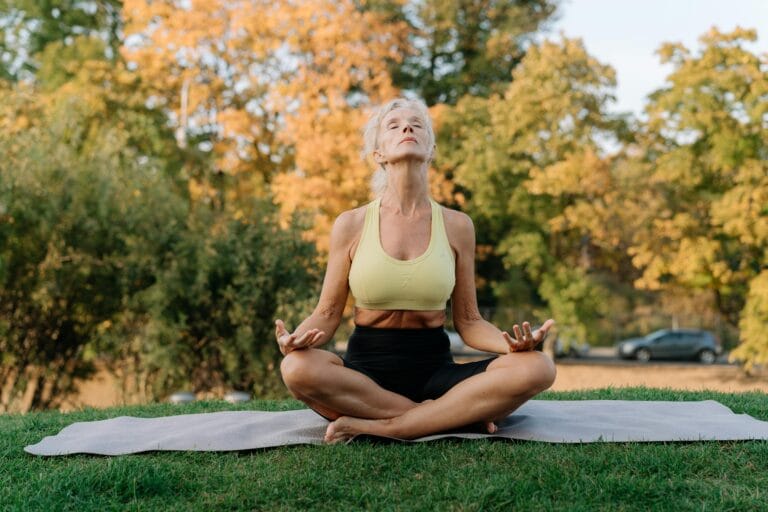
By understanding how the nervous system works, you can begin to develop strategies to manage anxiety. This might involve engaging in activities that stimulate the PNS, such as meditation or yoga, or avoiding triggers that activate the SNS, like caffeine or loud noises.
How the Sympathetic Nervous System Contributes to Anxiety
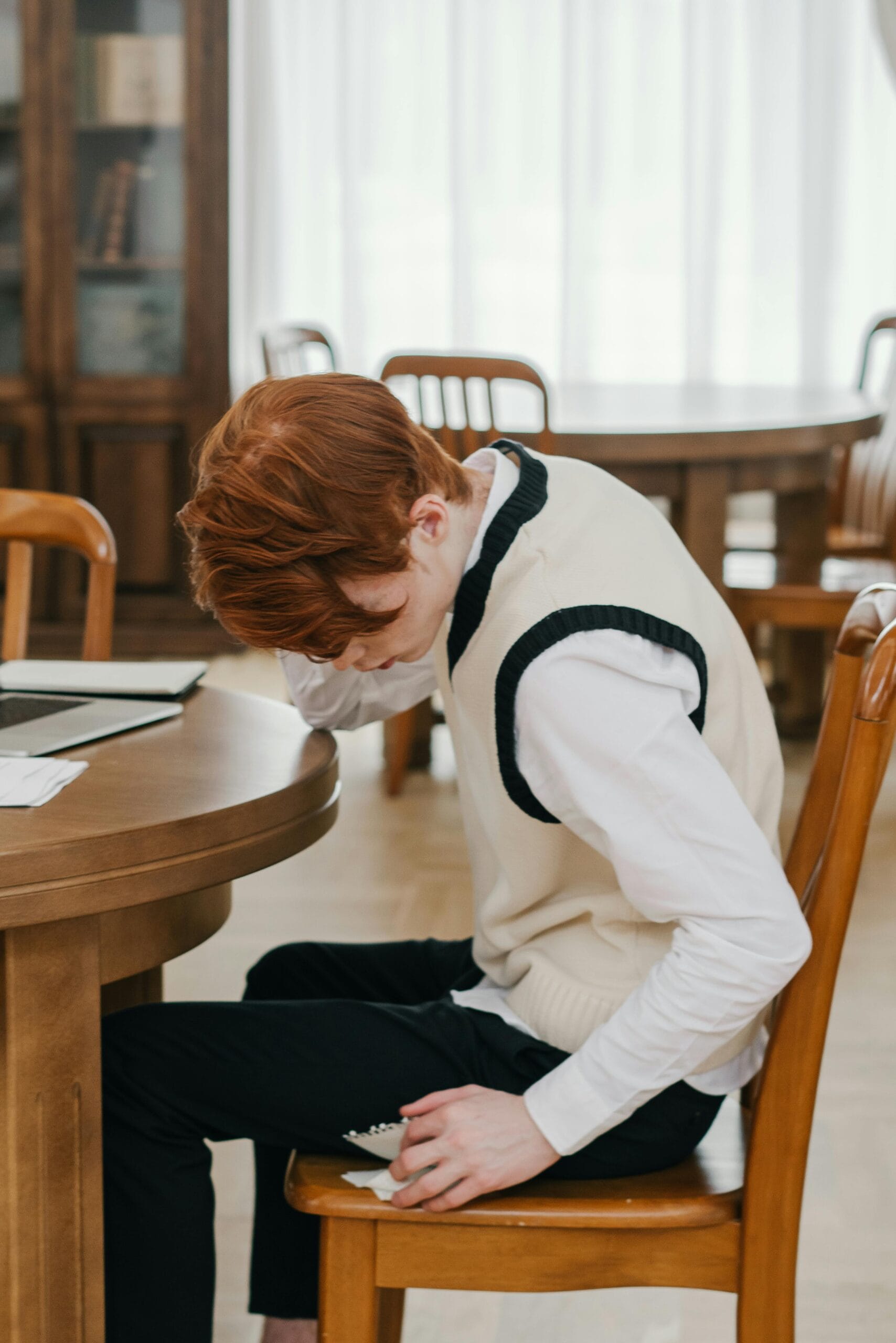
The SNS is responsible for the “fight or flight” response, which is designed to help the body respond to immediate threats. However, in modern life, this response is often triggered by non-life-threatening situations, such as public speaking or financial stress. When the SNS is activated, it can lead to physical symptoms like a racing heart, sweating, and tremors, which can exacerbate anxiety.
- Physical symptoms: The SNS can cause physical symptoms like a rapid heartbeat, high blood pressure, and rapid breathing.
- Emotional symptoms: The SNS can also contribute to emotional symptoms like fear, anxiety, and irritability.
- Cognitive symptoms: The SNS can affect cognitive function, leading to difficulties with concentration, memory, and decision-making.
Breathing Exercises to Calm the Nervous System
Breathing exercises are a simple yet effective way to calm the nervous system and reduce anxiety. By slowing down your breathing, you can activate the PNS, which can help to counterbalance the SNS. This can be achieved through various techniques, including diaphragmatic breathing, progressive muscle relaxation, and mindfulness meditation.
- Diaphragmatic breathing: Also known as belly breathing, this technique involves breathing deeply into the diaphragm, rather than shallowly into the chest.
- Progressive muscle relaxation: This technique involves tensing and relaxing different muscle groups to release physical tension and promote relaxation.
- Mindfulness meditation: This practice involves focusing on the present moment, often through mindfulness of the breath, to cultivate a sense of calm and awareness.
By incorporating breathing exercises into your daily routine, you can help to calm your nervous system and reduce anxiety. This can be especially helpful during times of stress or uncertainty, as it can provide a sense of control and grounding.
The Importance of Physical Activity in Managing Anxiety
Physical activity is a natural anxiety-reducer that can help to calm the nervous system. Exercise has been shown to reduce symptoms of anxiety by releasing endorphins, also known as “feel-good” hormones, which can help to improve mood and reduce stress.
Regular physical activity can also help to improve sleep quality, which is often disrupted in individuals with anxiety. Additionally, exercise can provide a sense of accomplishment and self-efficacy, which can help to boost confidence and reduce anxiety.
How Exercise Affects the Nervous System
Exercise can affect the nervous system in several ways, including reducing inflammation, improving mood, and enhancing cognitive function. Regular physical activity can also help to reduce stress and anxiety by activating the PNS, which can help to counterbalance the SNS.
- Reduces inflammation: Exercise has anti-inflammatory effects, which can help to reduce inflammation in the body and promote healing.
- Improves mood: Exercise releases endorphins, which can help to improve mood and reduce symptoms of anxiety and depression.
- Enhances cognitive function: Exercise can improve cognitive function, including attention, memory, and decision-making.
Mindfulness and Meditation for Anxiety Relief
Mindfulness and meditation are powerful tools for managing anxiety. By cultivating a sense of awareness and presence, you can learn to observe your thoughts and emotions without becoming overwhelmed by them. This can help to reduce anxiety and promote a sense of calm and well-being.
Mindfulness and meditation can be practiced in various ways, including through guided meditation, yoga, or simply paying attention to the breath. Regular practice can help to reduce symptoms of anxiety and improve overall mental health.
Getting Started with Mindfulness and Meditation
Getting started with mindfulness and meditation can be simple. Begin by setting aside a few minutes each day to practice, and gradually increase the duration as you become more comfortable with the practice. You can use guided meditation apps, YouTube videos, or simply focus on your breath to get started.
- Start small: Begin with short sessions, such as 5-10 minutes, and gradually increase the duration as you become more comfortable with the practice.
- Find a quiet space: Identify a quiet, comfortable space where you can practice without distractions.
- Focus on the breath: Bring your attention to the breath, noticing the sensation of the air moving in and out of the body.
Grounding Techniques for Anxiety Relief
Grounding techniques are a useful tool for managing anxiety. By focusing on the present moment and engaging with the senses, you can help to calm the nervous system and reduce anxiety. This can be especially helpful during times of stress or uncertainty, as it can provide a sense of control and grounding.
Grounding techniques can be practiced in various ways, including through sensory exploration, creative activities, or simply paying attention to the body. Regular practice can help to reduce symptoms of anxiety and improve overall mental health.
Examples of Grounding Techniques
There are many grounding techniques that can be used to manage anxiety. Some examples include:
- Sensory exploration: Engage with the senses by noticing the sights, sounds, smells, tastes, and textures of the environment.
- Creative activities: Engage in creative activities, such as drawing, painting, or writing, to express emotions and promote relaxation.
- Body scan: Lie down or sit comfortably, and bring attention to each part of the body, starting from the toes and moving up to the head.
Nutrition and Anxiety: The Importance of a Balanced Diet
Nutrition plays a critical role in managing anxiety. A balanced diet that includes plenty of fruits, vegetables, whole grains, and lean protein can help to support mental health and reduce symptoms of anxiety.
Certain nutrients, such as omega-3 fatty acids, vitamin D, and magnesium, have been shown to have a positive impact on anxiety. Additionally, avoiding trigger foods, such as caffeine, sugar, and processed foods, can help to reduce symptoms of anxiety.
How Nutrition Affects the Nervous System
Nutrition can affect the nervous system in several ways, including providing essential nutrients, reducing inflammation, and promoting relaxation. A balanced diet can help to support the health of the nervous system, reducing the risk of anxiety and other mental health disorders.
- Provides essential nutrients: A balanced diet provides essential nutrients, such as vitamins, minerals, and amino acids, that support the health of the nervous system.
- Reduces inflammation: A diet rich in antioxidants and omega-3 fatty acids can help to reduce inflammation, which can contribute to anxiety.
- Promotes relaxation: Certain nutrients, such as magnesium and vitamin D, can help to promote relaxation and reduce symptoms of anxiety.
Frequently Asked Questions
Question 1: Can I really stop anxiety without medication using my nervous system?
Yes, it is possible to manage anxiety without medication by using techniques that calm the nervous system, such as breathing exercises, physical activity, and mindfulness meditation.
Question 2: How long does it take to see results from using these techniques?
The amount of time it takes to see results can vary depending on the individual and the severity of their anxiety. However, with regular practice, many people begin to notice improvements within a few weeks.
Question 3: Are these techniques suitable for everyone?
While these techniques can be beneficial for many people, they may not be suitable for everyone, particularly those with severe anxiety or underlying medical conditions. It’s essential to consult with a healthcare professional before starting any new therapy or treatment.
Question 4: Can I use these techniques in combination with medication?
Yes, these techniques can be used in combination with medication. In fact, many people find that combining these techniques with medication can lead to better outcomes and improved mental health.
Question 5: Where can I find more resources and support?
There are many resources available to support anxiety management, including online forums, support groups, and mental health professionals. You can also find more information and guidance through reputable websites, such as the National Alliance on Mental Illness (NAMI) and the Anxiety and Depression Association of America (ADAA).
Key Takeaways
In conclusion, managing anxiety without medication is possible by using techniques that calm the nervous system. By incorporating breathing exercises, physical activity, mindfulness meditation, grounding techniques, and a balanced diet into your daily routine, you can reduce symptoms of anxiety and improve your overall mental health.
- Practice breathing exercises, such as diaphragmatic breathing, to calm the nervous system.
- Engage in regular physical activity to reduce symptoms of anxiety.
- Use mindfulness meditation and grounding techniques to promote relaxation and reduce anxiety.
- Eat a balanced diet that includes plenty of fruits, vegetables, whole grains, and lean protein.
- Seek support from mental health professionals and online resources.
If you’re struggling with anxiety, remember that you’re not alone. There is hope and help available. By taking the first step and seeking support, you can begin to manage your anxiety and improve your overall well-being. Don’t hesitate to reach out to a mental health professional or a support hotline for guidance and encouragement.
Using your nervous system to stop anxiety without medication is a powerful tool that can help you take control of your mental health. By incorporating these techniques into your daily routine, you can reduce symptoms of anxiety and improve your overall quality of life. Remember, you have the power to manage your anxiety and live a happier, healthier life.
Resources
- SAMHSA National Helpline: 1-800-662-4357 (24/7 free, confidential support)
- National Alliance on Mental Illness (NAMI): A grassroots organization that provides education, support, and advocacy for individuals and families affected by mental illness.
- Anxiety and Depression Association of America (ADAA): A national organization that provides education, support, and resources for individuals and families affected by anxiety and depression.
- Crisis Text Line: Text “HOME” to 741741 (24/7 free, confidential support)
Disclaimer: This article is for informational purposes only and does not constitute medical advice. Always consult with qualified healthcare professionals for diagnosis and treatment of anxiety disorders.