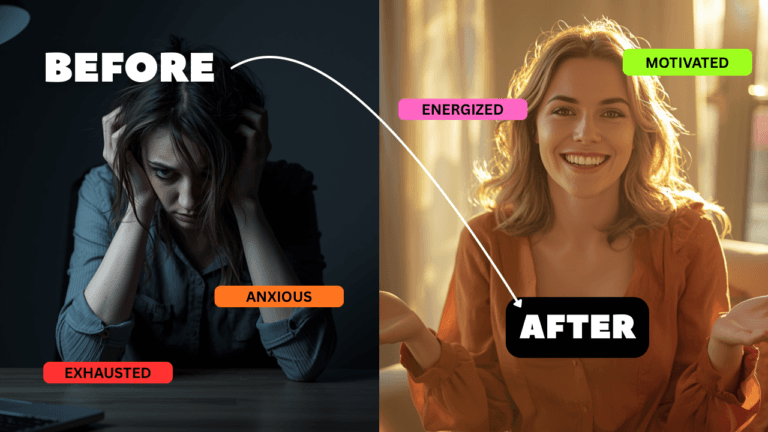

Do you often find yourself lying awake at night, unable to shake off the thoughts racing through your mind? You’re not alone; approximately 60 million Americans suffer from sleep disorders, with overthinking at night being a common culprit. Learning how to stop overthinking at night is crucial for improving the quality of your sleep and overall well-being. In this article, we’ll explore 9 proven sleep strategies to help you calm your mind and get a good night’s sleep.
Overthinking can be a significant obstacle to a restful night’s sleep, leading to fatigue, decreased productivity, and a weakened immune system. By understanding the causes of overthinking and implementing effective strategies, you can break the cycle of sleepless nights and wake up feeling refreshed and revitalized. In the following sections, we’ll delve into the world of sleep science and provide you with actionable tips to stop overthinking at night and improve your sleep quality.
So, let’s dive into the 9 proven sleep strategies that will help you overcome overthinking at night and start sleeping better. From relaxation techniques to sleep environment optimization, we’ll cover it all. Whether you’re a chronic overthinker or just someone who struggles with sleep from time to time, these strategies will help you achieve a restful night’s sleep and wake up feeling refreshed and ready to take on the day.
Understanding the Causes of Overthinking at Night
Before we can stop overthinking at night, it’s essential to understand what causes it. Overthinking can be triggered by various factors, including stress, anxiety, and an overactive mind. When we’re stressed or anxious, our minds tend to wander, making it difficult to fall asleep. Additionally, an overactive mind can lead to rumination, where we repeatedly think about the same thoughts or problems, making it challenging to relax and fall asleep.
To overcome overthinking, it’s crucial to identify the underlying causes and address them. This may involve practicing stress-reducing techniques, such as meditation or deep breathing, or seeking professional help to manage anxiety and other mental health conditions.
Common Causes of Overthinking at Night
- Stress and anxiety: High levels of stress and anxiety can lead to overthinking and make it difficult to fall asleep.
- Overactive mind: An overactive mind can lead to rumination, making it challenging to relax and fall asleep.
- Uncomfortable sleep environment: An uncomfortable sleep environment can disrupt sleep patterns and lead to overthinking.
Relaxation Techniques to Stop Overthinking at Night
Relaxation techniques are an effective way to calm the mind and body, making it easier to fall asleep. Techniques such as progressive muscle relaxation, mindfulness meditation, and deep breathing can help reduce stress and anxiety, leading to a restful night’s sleep.
- Progressive muscle relaxation: This technique involves tensing and relaxing different muscle groups to release tension and promote relaxation.
- Mindfulness meditation: Mindfulness meditation involves focusing on the present moment, without judgment, to calm the mind and reduce stress.
- Deep breathing: Deep breathing involves slow, deliberate breaths to calm the nervous system and promote relaxation.
By incorporating relaxation techniques into your bedtime routine, you can calm your mind and body, making it easier to fall asleep and stay asleep.
Optimizing Your Sleep Environment
Your sleep environment plays a significant role in the quality of your sleep. A dark, quiet, and cool environment can promote better sleep, while a bright, noisy, and warm environment can disrupt sleep patterns. To optimize your sleep environment, consider the following tips:
- Keep your bedroom dark: Use blackout curtains or blinds to keep your bedroom dark, promoting the production of melatonin, the sleep hormone.
- Keep your bedroom quiet: Use earplugs or white noise machines to keep your bedroom quiet, reducing distractions and promoting relaxation.
- Keep your bedroom cool: Keep your bedroom at a cool temperature, between 60-67 degrees Fahrenheit, to promote better sleep.
Establishing a Bedtime Routine
A consistent bedtime routine can help signal to your brain that it’s time to sleep, making it easier to fall asleep and stay asleep. A bedtime routine can include activities such as reading, taking a warm bath, or practicing relaxation techniques.
To establish a bedtime routine, consider the following tips:
- Set a consistent bedtime: Set a consistent bedtime and stick to it, even on weekends, to regulate your body’s internal clock.
- Avoid screens before bed: Avoid screens, such as smartphones, tablets, and laptops, at least an hour before bedtime, as the blue light emitted can suppress melatonin production.
- Practice relaxation techniques: Practice relaxation techniques, such as deep breathing or progressive muscle relaxation, to calm your mind and body before sleep.
Avoiding Stimulants and Heavy Meals Before Bed
Stimulants, such as caffeine and nicotine, and heavy meals can disrupt sleep patterns, making it difficult to fall asleep and stay asleep. To avoid disrupting your sleep, consider the following tips:
- Avoid caffeine and nicotine: Avoid consuming caffeine and nicotine at least 4-6 hours before bedtime, as they can interfere with sleep.
- Avoid heavy meals: Avoid eating heavy meals at least 2-3 hours before bedtime, as they can cause discomfort and indigestion, making it difficult to fall asleep.
- Avoid sugary foods and drinks: Avoid consuming sugary foods and drinks before bedtime, as they can cause a spike in energy and make it difficult to fall asleep.
Getting Regular Exercise
Regular exercise can help improve sleep quality, but it’s essential to time your workouts correctly. Avoid exercising within a few hours of bedtime, as it can stimulate your body and make it difficult to fall asleep.
To get the most out of exercise for sleep, consider the following tips:
- Exercise regularly: Exercise regularly, but avoid exercising within a few hours of bedtime, to promote better sleep.
- Choose low-intensity exercises: Choose low-intensity exercises, such as yoga or stretching, in the evening, to promote relaxation and reduce stress.
- Avoid high-intensity exercises: Avoid high-intensity exercises, such as running or weightlifting, in the evening, as they can stimulate your body and make it difficult to fall asleep.
Practicing Mindfulness and Meditation
Mindfulness and meditation can help calm the mind and body, making it easier to fall asleep and stay asleep. To practice mindfulness and meditation, consider the following tips:
- Start with short sessions: Start with short sessions, such as 5-10 minutes, and gradually increase the duration as you become more comfortable with the practice.
- Focus on your breath: Focus on your breath, without judgment, to calm your mind and promote relaxation.
- Use guided meditations: Use guided meditations, such as apps or videos, to help you get started and stay on track.
Seeking Professional Help
If you’re struggling with overthinking at night and it’s affecting your daily life, it may be helpful to seek professional help. A mental health professional can help you identify the underlying causes of your overthinking and develop a personalized plan to address them.
To seek professional help, consider the following tips:
- Consult with a therapist: Consult with a therapist, such as a psychologist or counselor, to discuss your overthinking and develop a plan to address it.
- Consider cognitive-behavioral therapy (CBT): Consider CBT, a type of therapy that helps you identify and change negative thought patterns, to address overthinking and improve sleep.
- Join a support group: Join a support group, either online or in-person, to connect with others who are experiencing similar challenges and learn from their experiences.
Frequently Asked Questions
Question 1: What is the best way to stop overthinking at night?
The best way to stop overthinking at night is to practice relaxation techniques, such as deep breathing or progressive muscle relaxation, and establish a consistent bedtime routine.
Question 2: How can I calm my mind before sleep?
You can calm your mind before sleep by practicing mindfulness and meditation, reading a book, or listening to soothing music.
Question 3: What are the benefits of getting regular exercise for sleep?
The benefits of getting regular exercise for sleep include improved sleep quality, increased energy, and enhanced overall health and well-being.
Question 4: Can mindfulness and meditation really help with sleep?
Yes, mindfulness and meditation can help with sleep by calming the mind and body, reducing stress and anxiety, and promoting relaxation.
Question 5: How can I get help if I’m struggling with overthinking at night?
If you’re struggling with overthinking at night, you can seek help from a mental health professional, such as a therapist or counselor, who can help you develop a personalized plan to address your overthinking and improve your sleep.
Key Takeaways
In conclusion, stopping overthinking at night requires a combination of relaxation techniques, sleep environment optimization, and lifestyle changes. By implementing the 9 proven sleep strategies outlined in this article, you can calm your mind and body, making it easier to fall asleep and stay asleep.
- Practice relaxation techniques, such as deep breathing or progressive muscle relaxation, to calm your mind and body before sleep.
- Optimize your sleep environment by keeping your bedroom dark, quiet, and cool.
- Establish a consistent bedtime routine to signal to your brain that it’s time to sleep.
- Avoid stimulants and heavy meals before bedtime to promote better sleep.
- Get regular exercise, but avoid exercising within a few hours of bedtime.
If you’re struggling with overthinking at night, don’t hesitate to seek help from a mental health professional. With the right strategies and support, you can overcome overthinking and achieve a restful night’s sleep. Remember, it’s essential to prioritize your sleep and overall well-being, and by doing so, you can wake up feeling refreshed, revitalized, and ready to take on the day. So, start implementing these strategies tonight and say goodbye to overthinking at night, and hello to a restful and rejuvenating sleep.
Resources
- National Sleep Foundation: A non-profit organization dedicated to promoting sleep health and providing resources for improving sleep.
- American Academy of Sleep Medicine: A professional organization that provides resources and guidelines for sleep health and sleep disorders.
- Cognitive Behavioral Therapy (CBT) for Insomnia: A type of therapy that helps individuals identify and change negative thought patterns and behaviors that contribute to insomnia.
- SAMHSA National Helpline: 1-800-662-4357 (24/7 free, confidential support for mental health and substance use disorders)
Disclaimer: This article is for informational purposes only and does not constitute medical advice. Always consult with qualified healthcare professionals for diagnosis and treatment of sleep disorders and mental health conditions.