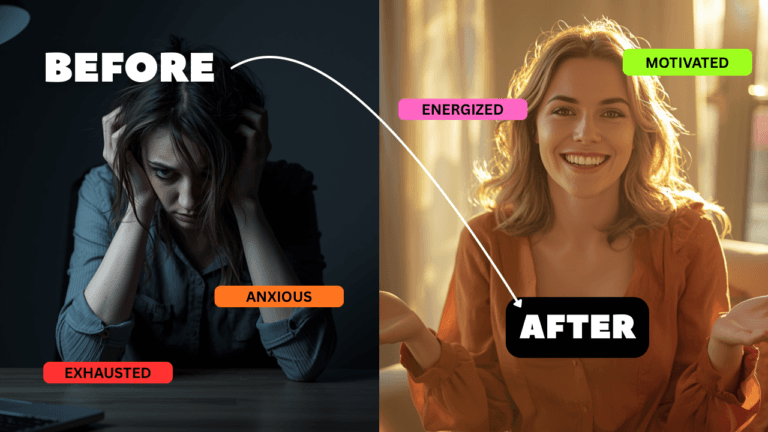

Depression affects over 300 million people worldwide, making it one of the most common mental health disorders. Treating depression with movement, light, and nutrition is a holistic approach that has shown promising results. By incorporating these elements into your daily routine, you can take the first step towards managing your symptoms and improving your overall well-being. In this article, we will explore how to treat depression with movement, light, and nutrition, providing you with a comprehensive guide to help you get started.
The connection between physical activity, light exposure, and nutritional intake is intricately linked to our mental health. Regular movement, adequate light exposure, and a balanced diet can help alleviate symptoms of depression, such as low mood, fatigue, and changes in appetite. By understanding the importance of these elements and incorporating them into your daily routine, you can take a proactive approach to managing your depression. Therefore, it is essential to learn how to treat depression with movement, light, and nutrition.
Before we dive into the details, it is crucial to note that while movement, light, and nutrition can be beneficial in managing depression, they should not replace medical treatment. If you are experiencing symptoms of depression, it is essential to consult with a healthcare professional for proper diagnosis and treatment. With that said, let’s explore the ways in which movement, light, and nutrition can help treat depression.
Treating Depression with Movement
Regular physical activity is a natural mood booster that can help alleviate symptoms of depression. Exercise releases endorphins, also known as “feel-good” hormones, which can help improve your mood and reduce stress. Additionally, movement can help distract you from negative thoughts and provide a sense of accomplishment, boosting your self-esteem.
Some of the best exercises for treating depression include brisk walking, jogging, cycling, and swimming. These activities can be done at your own pace and can be adapted to suit your fitness level. Furthermore, you can also try activities like yoga, Pilates, or dance, which can help improve your flexibility, balance, and overall well-being.
Getting Started with Exercise
Starting an exercise routine can be daunting, especially if you are new to physical activity. However, it is essential to remember that every small step counts. Begin with short sessions, such as 10-15 minutes, and gradually increase the duration and intensity as you become more comfortable. You can also try scheduling your workouts with a friend or family member to make it more enjoyable and help you stay motivated.
- Start small: Begin with short sessions and gradually increase the duration and intensity
- Find an activity you enjoy: Engage in physical activities that bring you joy and make you feel good
- Schedule it in: Treat your workouts as non-negotiable appointments and schedule them in your calendar
The Importance of Light in Treating Depression
Light therapy is a non-invasive treatment that involves exposure to a specific wavelength of light, typically in the morning. This type of therapy can help regulate your circadian rhythms, improve your mood, and reduce symptoms of depression. Additionally, natural light exposure can also have a positive impact on your mental health, providing a sense of connection to nature and improving your overall well-being.
Some of the best ways to incorporate light into your daily routine include taking short walks outside during the morning, using a light therapy box, or simply sitting by a window. You can also try adjusting your sleep schedule to wake up earlier and take advantage of natural light exposure.
- Use a light therapy box: Invest in a light therapy box specifically designed for treating depression
- Take short walks: Take short walks outside during the morning to expose yourself to natural light
- Adjust your sleep schedule: Wake up earlier to take advantage of natural light exposure and improve your circadian rhythms
Nutrition and Depression
A balanced diet rich in whole foods, fruits, vegetables, and lean proteins can help alleviate symptoms of depression. Certain nutrients, such as omega-3 fatty acids, vitamin D, and complex carbohydrates, have been shown to have a positive impact on mental health. Additionally, avoiding processed and sugary foods can help reduce inflammation and improve your overall well-being.
Some of the best foods for treating depression include fatty fish, nuts, seeds, and leafy green vegetables. You can also try incorporating fermented foods, such as kimchi or sauerkraut, into your diet to support your gut health and improve your mood.
Meal Planning for Mental Health
Meal planning can be overwhelming, especially if you are new to cooking or have limited time. However, it is essential to remember that every small step counts. Begin by planning your meals for the week, making a grocery list, and shopping for whole foods. You can also try cooking in bulk and freezing meals for later use.
- Plan your meals: Take time to plan your meals for the week and make a grocery list
- Shop for whole foods: Focus on buying whole foods, fruits, vegetables, and lean proteins
- Cook in bulk: Cook meals in bulk and freeze them for later use to save time and reduce stress
Combining Movement, Light, and Nutrition for Optimal Results
Combining movement, light, and nutrition can have a synergistic effect on your mental health, providing optimal results. By incorporating physical activity, light exposure, and a balanced diet into your daily routine, you can help alleviate symptoms of depression and improve your overall well-being.
Some of the best ways to combine movement, light, and nutrition include taking a walk outside during your lunch break, practicing yoga in a sunny spot, or cooking a healthy meal using fresh ingredients. You can also try scheduling your workouts and meals around your natural light exposure to maximize the benefits.
Overcoming Obstacles and Staying Motivated
Overcoming obstacles and staying motivated can be challenging, especially when dealing with depression. However, it is essential to remember that every small step counts. Begin by setting realistic goals, finding a support system, and rewarding yourself for your achievements.
Some of the best ways to stay motivated include tracking your progress, finding a workout buddy, or joining a support group. You can also try setting reminders, using a planner, or downloading a motivational app to help you stay on track.
Seeking Professional Help
While movement, light, and nutrition can be beneficial in managing depression, they should not replace medical treatment. If you are experiencing symptoms of depression, it is essential to consult with a healthcare professional for proper diagnosis and treatment.
Some of the best ways to seek professional help include talking to your primary care physician, scheduling an appointment with a therapist, or contacting a support hotline. You can also try reaching out to a trusted friend or family member for support and guidance.
Frequently Asked Questions
What is the best type of exercise for treating depression?
The best type of exercise for treating depression is one that you enjoy and can stick to in the long term. Some examples include brisk walking, jogging, cycling, and swimming.
How much light exposure do I need to treat depression?
The amount of light exposure needed to treat depression can vary from person to person. However, most people can benefit from 10-15 minutes of natural light exposure per day.
What are the best foods for treating depression?
The best foods for treating depression are those that are rich in whole foods, fruits, vegetables, and lean proteins. Some examples include fatty fish, nuts, seeds, and leafy green vegetables.
Key Takeaways
In conclusion, treating depression with movement, light, and nutrition is a holistic approach that can have a positive impact on your mental health. By incorporating physical activity, light exposure, and a balanced diet into your daily routine, you can help alleviate symptoms of depression and improve your overall well-being.
- Regular physical activity can help alleviate symptoms of depression
- Light exposure can help regulate your circadian rhythms and improve your mood
- A balanced diet rich in whole foods can help reduce inflammation and improve your mental health
- Combining movement, light, and nutrition can have a synergistic effect on your mental health
- Seeking professional help is essential for proper diagnosis and treatment of depression
If you are experiencing symptoms of depression, it is essential to consult with a healthcare professional for proper diagnosis and treatment. Additionally, incorporating movement, light, and nutrition into your daily routine can help you take a proactive approach to managing your depression. Remember, every small step counts, and seeking help is the first step towards recovery. Therefore, take the first step today and start treating depression with movement, light, and nutrition.
Finally, always remember that treating depression with movement, light, and nutrition is a journey, and it’s essential to be patient and compassionate with yourself. By taking small steps towards a healthier lifestyle and seeking professional help when needed, you can overcome depression and improve your overall well-being.
Resources
- SAMHSA National Helpline: 1-800-662-4357 (24/7 free, confidential support)
- National Institute of Mental Health (NIMH): [www.nimh.nih.gov](http://www.nimh.nih.gov) (information on mental health conditions and treatments)
- American Psychological Association (APA): [www.apa.org](http://www.apa.org) (information on mental health and wellness)
- Academy of Nutrition and Dietetics: [www.andjrnl.org](http://www.andjrnl.org) (information on nutrition and mental health)
Disclaimer: This article is for informational purposes only and does not constitute medical advice. Always consult with qualified healthcare professionals for diagnosis and treatment of substance use disorders.