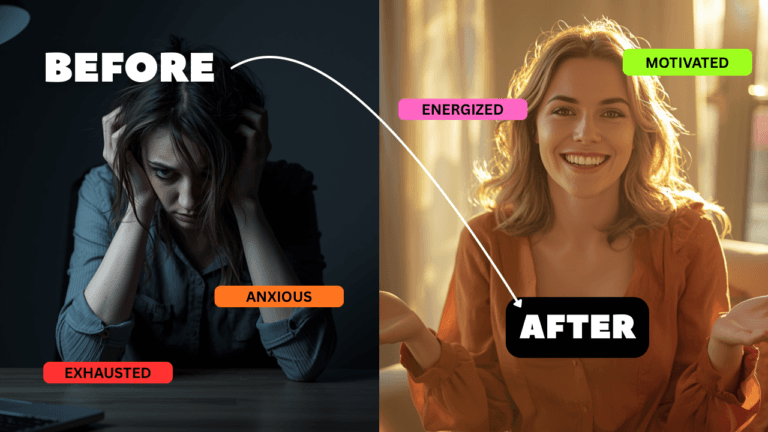
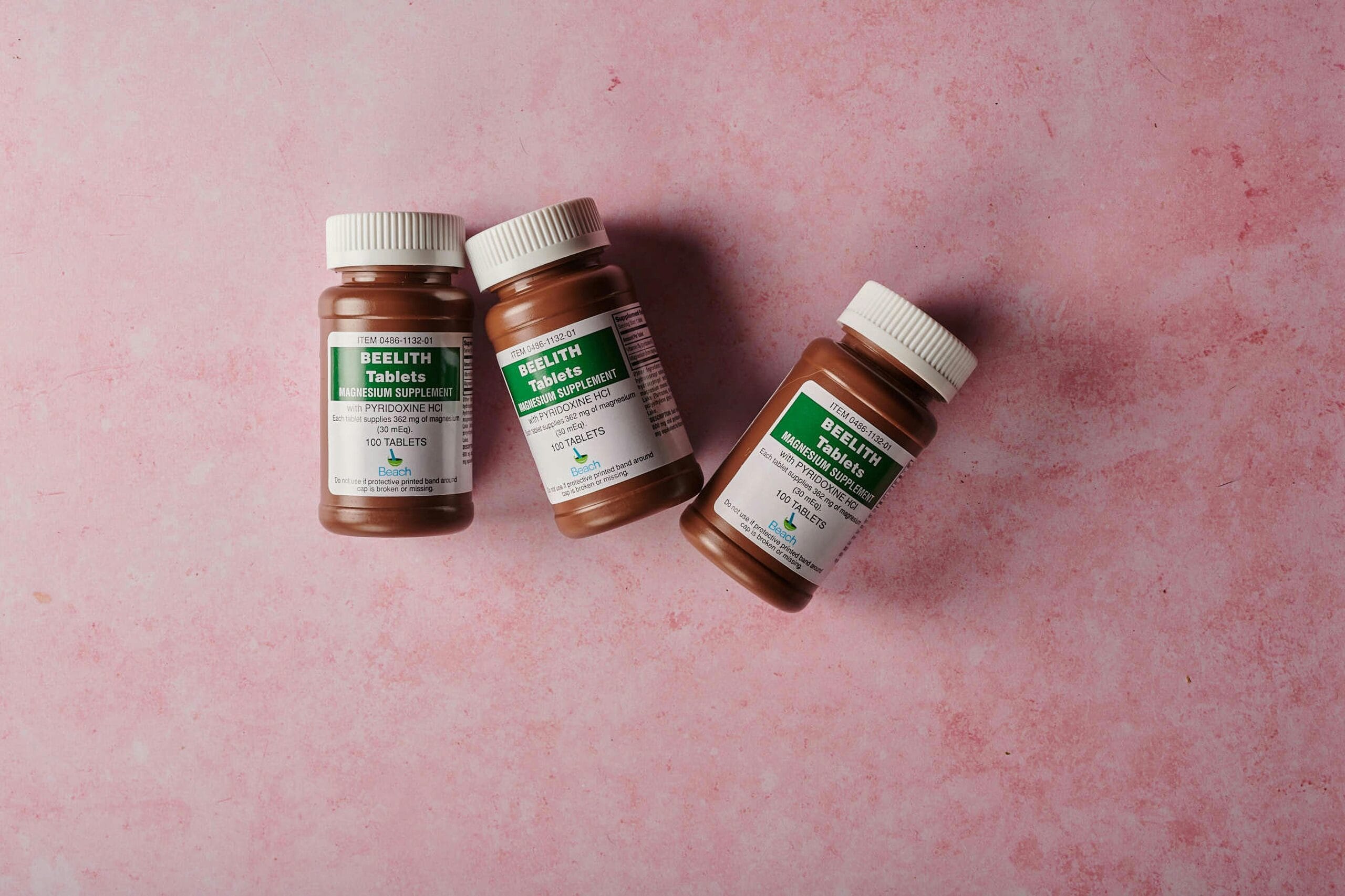
Are you among the millions of people who experience anxiety, with over 40 million adults in the US alone struggling with this condition? If so, you’re likely looking for effective ways to manage your symptoms and improve your mental health. One potential solution is magnesium, an essential mineral that plays a crucial role in various bodily functions, including anxiety regulation. When it comes to magnesium supplements, two popular forms are Magnesium Glycinate and Magnesium Citrate. But which one is better for anxiety, and how do they differ?
In this article, we’ll delve into the world of magnesium and explore the benefits and differences between Magnesium Glycinate and Magnesium Citrate for anxiety relief. We’ll also discuss how to choose the right supplement for your needs and provide tips on how to incorporate magnesium into your anxiety management plan. Whether you’re a person in recovery or simply looking for a natural way to reduce anxiety, this article aims to provide you with the information you need to make an informed decision.
Before we dive into the details, it’s essential to understand that while magnesium can be beneficial for anxiety, it should not be used as a replacement for medical treatment. If you’re experiencing anxiety or any other mental health condition, it’s crucial to consult with a qualified healthcare professional for proper diagnosis and treatment. With that said, let’s explore the benefits of magnesium for anxiety and the differences between Magnesium Glycinate and Magnesium Citrate.
Understanding Magnesium and Anxiety
Magnesium is an essential mineral that plays a critical role in various bodily functions, including muscle and nerve function, heart rhythm, and bone health. It’s also involved in the regulation of the body’s stress response system, which can help alleviate anxiety symptoms. Research has shown that magnesium deficiency is common in individuals with anxiety disorders, and supplementing with magnesium can help reduce symptoms of anxiety and depression.
There are several forms of magnesium, each with its unique benefits and characteristics. When it comes to anxiety, Magnesium Glycinate and Magnesium Citrate are two of the most popular forms. But what sets them apart, and which one is better suited for anxiety relief?
Benefits of Magnesium for Anxiety
Magnesium has been shown to have a positive impact on anxiety symptoms, including reducing stress and anxiety levels, promoting relaxation, and improving sleep quality. It can also help alleviate symptoms of anxiety disorders, such as panic attacks and social anxiety. Additionally, magnesium can help regulate the body’s stress response system, which can become dysregulated in individuals with anxiety disorders.
- Reduces stress and anxiety levels: Magnesium can help calm the nervous system and reduce feelings of anxiety and stress.
- Promotes relaxation: Magnesium can help promote relaxation and reduce muscle tension, making it easier to fall asleep and stay asleep.
- Improves sleep quality: Magnesium can help regulate the body’s sleep-wake cycle and improve the quality of sleep.
Magnesium Glycinate vs Citrate: What’s the Difference?
Magnesium Glycinate and Magnesium Citrate are two popular forms of magnesium, each with its unique characteristics and benefits. Magnesium Glycinate is a highly bioavailable form of magnesium, meaning it’s easily absorbed by the body. It’s also less likely to cause stomach upset or diarrhea, making it a good option for individuals with sensitive stomachs.
Magnesium Citrate, on the other hand, is a more soluble form of magnesium, which can help promote bowel regularity and prevent constipation. However, it may not be as easily absorbed by the body as Magnesium Glycinate, and it can cause stomach upset or diarrhea in some individuals.
Comparison of Magnesium Glycinate and Magnesium Citrate
When it comes to anxiety relief, Magnesium Glycinate is generally considered a better option than Magnesium Citrate. This is because Magnesium Glycinate is more easily absorbed by the body and can cross the blood-brain barrier, allowing it to have a more direct impact on the nervous system. Additionally, Magnesium Glycinate is less likely to cause stomach upset or diarrhea, making it a more comfortable option for individuals with anxiety.
- Bioavailability: Magnesium Glycinate is more easily absorbed by the body than Magnesium Citrate.
- Stomach comfort: Magnesium Glycinate is less likely to cause stomach upset or diarrhea than Magnesium Citrate.
- Anxiety relief: Magnesium Glycinate is generally considered a better option for anxiety relief than Magnesium Citrate.
How to Choose the Right Magnesium Supplement for Anxiety
When choosing a magnesium supplement for anxiety, it’s essential to consider several factors, including the form of magnesium, the dosage, and the quality of the supplement. Here are some tips to help you choose the right magnesium supplement for your needs:
- Consult with a healthcare professional: Before taking any supplement, it’s essential to consult with a qualified healthcare professional to determine the best course of treatment for your anxiety.
- Choose a high-quality supplement: Look for a supplement that is made by a reputable manufacturer and contains high-quality ingredients.
- Consider the form of magnesium: Magnesium Glycinate is generally considered a better option for anxiety relief than Magnesium Citrate.
Conclusion and Next Steps
In conclusion, magnesium is an essential mineral that can play a crucial role in anxiety management. When it comes to choosing a magnesium supplement for anxiety, Magnesium Glycinate is generally considered a better option than Magnesium Citrate. By understanding the benefits and differences between these two forms of magnesium, you can make an informed decision about which supplement is right for you.
Frequently Asked Questions
Question 1: What is the recommended dosage of magnesium for anxiety?
The recommended dosage of magnesium for anxiety can vary depending on the individual and the severity of their symptoms. Generally, a dosage of 200-400 mg per day is considered effective for anxiety relief.
Question 2: Can I take magnesium with other medications?
It’s essential to consult with a healthcare professional before taking magnesium with other medications, as it can interact with certain medications and reduce their effectiveness.
Question 3: Are there any side effects of taking magnesium for anxiety?
Magnesium is generally considered safe and well-tolerated, but it can cause stomach upset or diarrhea in some individuals. It’s essential to start with a low dose and gradually increase as needed and under the guidance of a healthcare professional.
Question 4: Can I get enough magnesium from my diet?
While it’s possible to get some magnesium from your diet, it can be challenging to get enough from food sources alone. Supplementing with magnesium can help ensure you’re getting enough of this essential mineral.
Question 5: How long does it take to see the effects of magnesium for anxiety?
The effects of magnesium for anxiety can vary depending on the individual and the severity of their symptoms. Some people may experience relief within a few days, while others may take several weeks to notice the benefits.
Key Takeaways
In summary, magnesium is a natural and effective way to manage anxiety symptoms, and Magnesium Glycinate is generally considered a better option than Magnesium Citrate for anxiety relief. Here are the key takeaways from this article:
- Magnesium is an essential mineral that plays a crucial role in anxiety management.
- Magnesium Glycinate is generally considered a better option for anxiety relief than Magnesium Citrate.
- It’s essential to consult with a healthcare professional before taking any supplement, including magnesium.
- Start with a low dose and gradually increase as needed and under the guidance of a healthcare professional.
- Consider combining magnesium with other natural anxiety-relief strategies, such as meditation and deep breathing exercises.
If you’re struggling with anxiety, don’t hesitate to reach out for help. Consult with a qualified healthcare professional to determine the best course of treatment for your anxiety, and consider incorporating magnesium into your anxiety management plan. With the right approach and support, you can manage your anxiety symptoms and improve your overall mental health.
Remember, anxiety is a treatable condition, and there is hope for recovery. By taking the first step and seeking help, you can begin your journey towards a happier, healthier you. And with magnesium Glycinate, you may find a natural and effective way to manage your anxiety symptoms and improve your overall well-being.
Resources
- SAMHSA National Helpline: 1-800-662-4357 (24/7 free, confidential support)
- National Alliance on Mental Illness (NAMI) Helpline: 1-800-950-6264 (Monday – Friday, 10am – 6pm ET)
- Anxiety and Depression Association of America (ADAA) Helpline: 1-240-485-1001 (Monday – Friday, 9am – 5pm ET)
- Magnesium deficiency information: National Institutes of Health (NIH) – Office of Dietary Supplements
Disclaimer: This article is for informational purposes only and does not constitute medical advice. Always consult with qualified healthcare professionals for diagnosis and treatment of anxiety disorders.