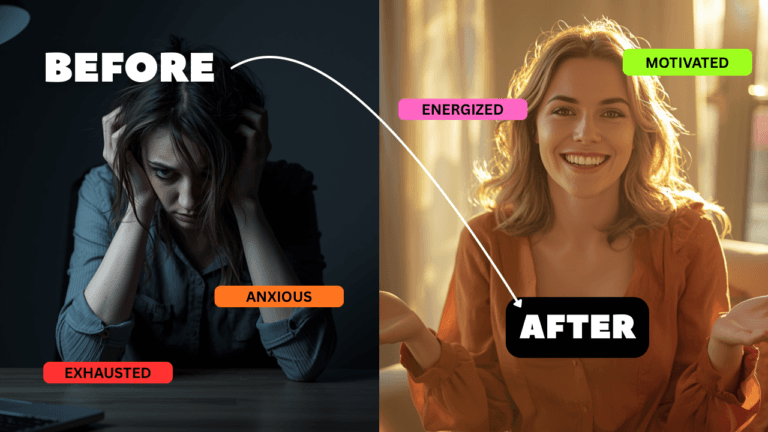

According to the National Center for PTSD, approximately 60% of men and 50% of women experience at least one traumatic event in their lifetime, highlighting the need for effective trauma healing approaches like Somatic Experiencing (SE). Developed by Peter Levine, Somatic Experiencing is a form of therapy that focuses on the physiological responses to trauma, aiming to restore balance and promote healing in individuals who have experienced traumatic events. In this article, we will delve into the principles of Somatic Experiencing, its benefits, and how it can be applied to support trauma recovery.
As we explore the concept of Somatic Experiencing, it’s essential to understand that trauma is not just an emotional or psychological experience, but also a physiological one. When we encounter a traumatic event, our body’s “fight or flight” response is triggered, releasing stress hormones like adrenaline and cortisol. However, in some cases, this response can become stuck, leading to a range of symptoms, including anxiety, depression, and hypervigilance. Somatic Experiencing offers a unique approach to addressing these symptoms by focusing on the body’s physiological responses to trauma.
Throughout this article, we will discuss the key principles of Somatic Experiencing, including its focus on physiological responses, the importance of establishing a sense of safety and control, and the role of the therapist in guiding the healing process. We will also explore the benefits of Somatic Experiencing, including its ability to reduce symptoms of post-traumatic stress disorder (PTSD), anxiety, and depression, and improve overall well-being.
What is Somatic Experiencing?
Somatic Experiencing is a form of therapy that focuses on the physiological responses to trauma, aiming to restore balance and promote healing in individuals who have experienced traumatic events. Developed by Peter Levine, SE is based on the idea that the body has an innate ability to heal itself, and that by accessing and processing traumatic memories, individuals can release stuck energy and restore balance to their nervous system.
At its core, Somatic Experiencing is a gentle, non-invasive approach that emphasizes the importance of establishing a sense of safety and control. This is achieved through a range of techniques, including mindfulness, breathing exercises, and gentle movement, which help individuals become more aware of their bodily sensations and emotions.
Key Principles of Somatic Experiencing
The key principles of Somatic Experiencing include a focus on physiological responses, the importance of establishing a sense of safety and control, and the role of the therapist in guiding the healing process. By understanding these principles, individuals can better appreciate the benefits of Somatic Experiencing and how it can be applied to support trauma recovery.
- Physiological Responses: Somatic Experiencing focuses on the physiological responses to trauma, including the body’s “fight or flight” response and the release of stress hormones like adrenaline and cortisol.
- Safety and Control: Establishing a sense of safety and control is essential in Somatic Experiencing, as it allows individuals to feel comfortable and secure as they process traumatic memories.
- Therapist’s Role: The therapist plays a crucial role in guiding the healing process, providing a safe and supportive environment for individuals to explore their traumatic experiences.
How Does Somatic Experiencing Work?
Somatic Experiencing works by helping individuals process traumatic memories and release stuck energy. This is achieved through a range of techniques, including mindfulness, breathing exercises, and gentle movement, which help individuals become more aware of their bodily sensations and emotions.
- Establishing Safety: The first step in Somatic Experiencing is to establish a sense of safety and control. This is achieved through a range of techniques, including deep breathing, progressive muscle relaxation, and visualization.
- Accessing Traumatic Memories: Once a sense of safety has been established, the individual can begin to access traumatic memories. This is done through a range of techniques, including mindfulness, imagery, and gentle movement.
- Processing Traumatic Memories: The final step in Somatic Experiencing is to process traumatic memories, releasing stuck energy and restoring balance to the nervous system. This is achieved through a range of techniques, including breathing exercises, movement, and mindfulness.
By following these steps, individuals can begin to heal from traumatic experiences, reducing symptoms of PTSD, anxiety, and depression, and improving overall well-being.
Benefits of Somatic Experiencing
The benefits of Somatic Experiencing are numerous, including reduced symptoms of PTSD, anxiety, and depression, and improved overall well-being. By focusing on physiological responses to trauma, Somatic Experiencing offers a unique approach to addressing traumatic experiences, one that emphasizes the importance of establishing a sense of safety and control.
In addition to its benefits for individuals who have experienced traumatic events, Somatic Experiencing can also be applied to a range of other conditions, including chronic pain, fibromyalgia, and irritable bowel syndrome. By reducing stress and promoting relaxation, Somatic Experiencing can help individuals manage symptoms and improve overall quality of life.
Case Studies and Research
Research has shown that Somatic Experiencing can be an effective approach to addressing traumatic experiences, reducing symptoms of PTSD, anxiety, and depression, and improving overall well-being. Case studies have also demonstrated the benefits of Somatic Experiencing, with individuals reporting reduced symptoms and improved quality of life.
- Reduced Symptoms: Somatic Experiencing has been shown to reduce symptoms of PTSD, anxiety, and depression, improving overall well-being.
- Improved Quality of Life: By reducing stress and promoting relaxation, Somatic Experiencing can help individuals improve overall quality of life, increasing energy levels and reducing pain.
- Increased Sense of Control: Somatic Experiencing can help individuals establish a sense of safety and control, reducing feelings of anxiety and depression.
Applying Somatic Experiencing in Practice
Somatic Experiencing can be applied in a range of settings, including private practice, hospitals, and community clinics. By understanding the principles of Somatic Experiencing, therapists and healthcare professionals can begin to incorporate this approach into their practice, supporting individuals who have experienced traumatic events.
In addition to its application in therapy, Somatic Experiencing can also be used in everyday life, helping individuals manage stress and promote relaxation. By practicing mindfulness, deep breathing, and gentle movement, individuals can reduce symptoms of anxiety and depression, improving overall well-being.
Self-Care and Somatic Experiencing
Self-care is an essential component of Somatic Experiencing, helping individuals establish a sense of safety and control. By practicing self-care, individuals can reduce stress and promote relaxation, supporting the healing process.
- Mindfulness: Mindfulness is a key component of Somatic Experiencing, helping individuals become more aware of their bodily sensations and emotions.
- Deep Breathing: Deep breathing can help individuals reduce stress and promote relaxation, supporting the healing process.
- Gentle Movement: Gentle movement, such as yoga or tai chi, can help individuals release stuck energy and restore balance to their nervous system.
Training and Certification in Somatic Experiencing
Training and certification in Somatic Experiencing are available for therapists and healthcare professionals, providing a comprehensive understanding of the principles and practices of SE. By completing a training program, individuals can gain the skills and knowledge necessary to support individuals who have experienced traumatic events.
In addition to formal training programs, there are also a range of resources available for individuals who want to learn more about Somatic Experiencing, including books, online courses, and workshops.
Resources for Further Learning
For individuals who want to learn more about Somatic Experiencing, there are a range of resources available, including books, online courses, and workshops. By accessing these resources, individuals can gain a deeper understanding of the principles and practices of SE, supporting their own healing journey or the healing journey of others.
- Books: There are a range of books available on Somatic Experiencing, including “Waking the Tiger” by Peter Levine and “The Body Keeps the Score” by Bessel van der Kolk.
- Online Courses: Online courses, such as those offered by the Somatic Experiencing Trauma Institute, provide a comprehensive understanding of the principles and practices of SE.
- Workshops: Workshops and training programs, such as those offered by the Somatic Experiencing Trauma Institute, provide hands-on experience and training in the principles and practices of SE.
Conclusion and Next Steps
In conclusion, Somatic Experiencing is a powerful approach to trauma healing, one that focuses on the physiological responses to trauma and aims to restore balance and promote healing. By understanding the principles of Somatic Experiencing, individuals can begin to heal from traumatic experiences, reducing symptoms of PTSD, anxiety, and depression, and improving overall well-being.
For individuals who want to learn more about Somatic Experiencing, there are a range of resources available, including training programs, books, and online courses. By accessing these resources, individuals can gain a deeper understanding of the principles and practices of SE, supporting their own healing journey or the healing journey of others.
Frequently Asked Questions
What is Somatic Experiencing?
Somatic Experiencing is a form of therapy that focuses on the physiological responses to trauma, aiming to restore balance and promote healing in individuals who have experienced traumatic events.
How does Somatic Experiencing work?
Somatic Experiencing works by helping individuals process traumatic memories and release stuck energy, restoring balance to their nervous system.
What are the benefits of Somatic Experiencing?
The benefits of Somatic Experiencing include reduced symptoms of PTSD, anxiety, and depression, and improved overall well-being.
Is Somatic Experiencing suitable for everyone?
Somatic Experiencing is suitable for individuals who have experienced traumatic events, including PTSD, anxiety, and depression. However, it may not be suitable for everyone, particularly those with severe mental health conditions or a history of trauma.
How can I find a Somatic Experiencing therapist?
You can find a Somatic Experiencing therapist by searching online or contacting the Somatic Experiencing Trauma Institute for a list of certified therapists in your area.
Key Takeaways
In conclusion, Somatic Experiencing is a powerful approach to trauma healing, one that focuses on the physiological responses to trauma and aims to restore balance and promote healing. The key takeaways from this article include:
- Somatic Experiencing is a form of therapy that focuses on the physiological responses to trauma.
- Somatic Experiencing can help individuals process traumatic memories and release stuck energy.
- The benefits of Somatic Experiencing include reduced symptoms of PTSD, anxiety, and depression, and improved overall well-being.
- Somatic Experiencing is suitable for individuals who have experienced traumatic events, including PTSD, anxiety, and depression.
- Training and certification in Somatic Experiencing are available for therapists and healthcare professionals.
If you or someone you know has experienced a traumatic event, consider seeking help from a certified Somatic Experiencing therapist. With the right support and guidance, individuals can begin to heal from traumatic experiences, reducing symptoms of PTSD, anxiety, and depression, and improving overall well-being.
Somatic Experiencing offers a hopeful and empowering approach to trauma healing, one that focuses on the physiological responses to trauma and aims to restore balance and promote healing. By understanding the principles and practices of Somatic Experiencing, individuals can begin to heal from traumatic experiences, improving overall well-being and quality of life.
Resources
- Somatic Experiencing Trauma Institute: The Somatic Experiencing Trauma Institute provides training and certification in Somatic Experiencing, as well as a list of certified therapists.
- National Center for PTSD: The National Center for PTSD provides a range of resources and information on PTSD, including treatment options and support groups.
- The Body Keeps the Score: “The Body Keeps the Score” by Bessel van der Kolk is a comprehensive guide to trauma and recovery, including Somatic Experiencing.
- Waking the Tiger: “Waking the Tiger” by Peter Levine is a classic book on Somatic Experiencing, providing a comprehensive understanding of the principles and practices of SE.
Disclaimer: This article is for informational purposes only and does not constitute medical advice. Always consult with qualified healthcare professionals for diagnosis and treatment of traumatic experiences.