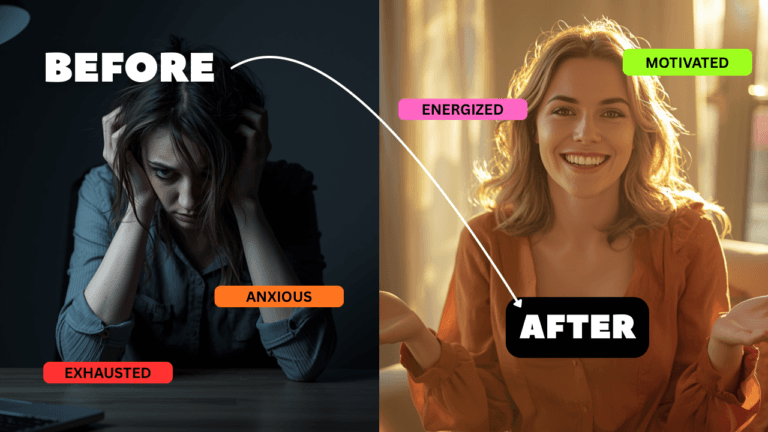
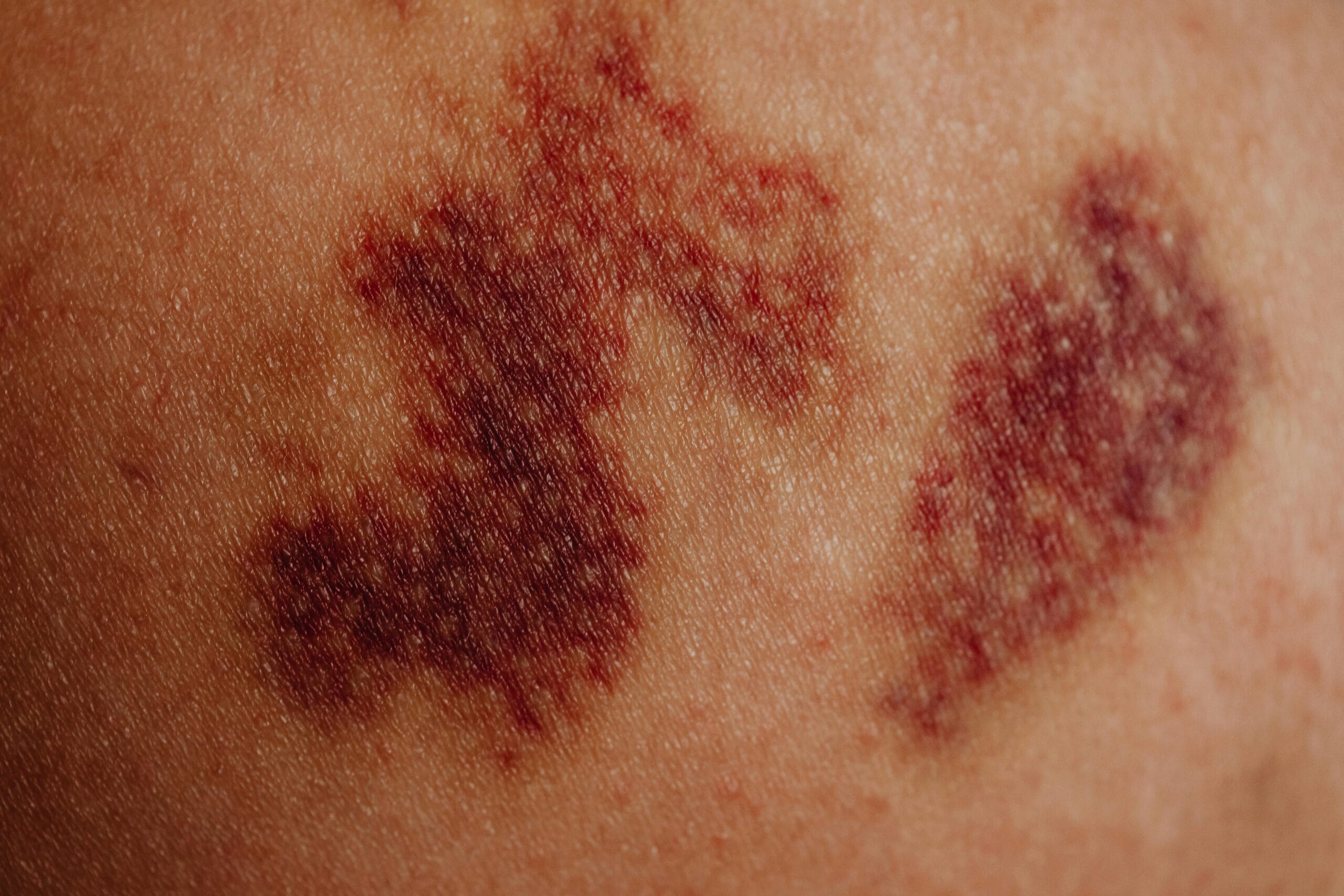
Did you know that approximately 70% of adults in the United States have experienced some form of traumatic event, and that trauma can have a profound impact on both the mind and body? The concept of trauma and its effects on the body is a complex one, and it’s a topic that has been explored in depth by Dr. Bessel van der Kolk in his book, “The Body Keeps the Score.” In this article, we’ll delve into the relationship between trauma and the body, and explore how understanding this connection can be a crucial step in the healing process for individuals who have experienced trauma.
The body’s response to trauma is often referred to as the “fight or flight” response, which is designed to help us respond to threats and protect ourselves from harm. However, when this response is triggered repeatedly, it can have a lasting impact on our physical and emotional well-being. As we’ll discuss in this article, the body keeps the score of traumatic experiences, and understanding this concept is essential for developing effective treatment strategies.
Throughout this article, we’ll explore the ways in which trauma affects the body, including the impact on the nervous system, the role of trauma in physical health problems, and the importance of somatic experiencing in the healing process. We’ll also discuss the concept of trauma and the body in relation to mental health, and provide guidance on how to seek help and support for trauma-related issues.
Understanding Trauma and Its Effects on the Body
Trauma can be defined as a person’s emotional response to a distressing event, such as a car accident, physical abuse, or the loss of a loved one. When we experience trauma, our body’s “fight or flight” response is triggered, releasing stress hormones like adrenaline and cortisol into our system. While this response is designed to help us respond to threats, it can also have a lasting impact on our physical and emotional well-being.
The effects of trauma on the body can be far-reaching, and may include symptoms such as anxiety, depression, and post-traumatic stress disorder (PTSD). Additionally, trauma can affect our physical health, leading to problems such as chronic pain, fatigue, and digestive issues. By understanding the ways in which trauma affects the body, we can begin to develop effective strategies for healing and recovery.
The Role of the Nervous System in Trauma
The nervous system plays a critical role in our response to trauma, and is responsible for regulating our body’s “fight or flight” response. When we experience trauma, our nervous system can become stuck in a state of hyperarousal, leading to symptoms such as anxiety, insomnia, and hypervigilance. By learning how to regulate our nervous system, we can begin to heal from trauma and develop a greater sense of calm and well-being.
- Recognizing the signs of hyperarousal: This may include symptoms such as a racing heart, sweaty palms, and an exaggerated startle response.
- Practicing relaxation techniques: Techniques such as deep breathing, progressive muscle relaxation, and mindfulness meditation can help to calm the nervous system and reduce symptoms of hyperarousal.
- Seeking support: Working with a therapist or support group can provide a safe and supportive environment for processing trauma and developing coping strategies.
The Impact of Trauma on Physical Health
Trauma can have a significant impact on our physical health, and may contribute to a range of health problems, including chronic pain, digestive issues, and autoimmune disorders. This is because trauma can affect the body’s stress response system, leading to inflammation and changes in the way our body functions. By understanding the connection between trauma and physical health, we can begin to develop effective strategies for preventing and treating trauma-related health problems.
One of the key ways in which trauma affects physical health is by disrupting the body’s natural balance, or homeostasis. This can lead to a range of symptoms, including fatigue, insomnia, and digestive problems. By learning how to regulate our body’s stress response system, we can begin to restore balance and promote overall health and well-being.
- Understanding the connection between trauma and physical health: This may involve learning about the ways in which trauma can affect the body’s stress response system, and how this can contribute to physical health problems.
- Developing a self-care plan: This may include activities such as exercise, meditation, and spending time in nature, which can help to reduce stress and promote overall health and well-being.
- Seeking medical attention: If you’re experiencing physical health problems, it’s essential to seek medical attention to rule out any underlying conditions that may need treatment.
The Importance of Somatic Experiencing in Trauma Recovery
Somatic experiencing is a form of therapy that focuses on the body’s physiological response to trauma, and can be a powerful tool for healing and recovery. By paying attention to the body’s sensations, feelings, and movements, we can begin to process and release traumatic memories, and develop a greater sense of calm and well-being.
Somatic experiencing can involve a range of techniques, including mindfulness, meditation, and physical exercise. By learning how to listen to our body and respond to its needs, we can begin to heal from trauma and develop a more positive and compassionate relationship with ourselves.
Getting Started with Somatic Experiencing
Getting started with somatic experiencing can be as simple as paying attention to your body’s sensations and feelings. This may involve taking a few minutes each day to notice how you’re feeling, and what sensations you’re experiencing in your body. By developing greater body awareness, you can begin to develop a more positive and compassionate relationship with yourself, and start to heal from trauma.
- Practicing mindfulness: This may involve taking a few minutes each day to focus on your breath, notice your body’s sensations, and pay attention to your thoughts and feelings.
- Engaging in physical activity: Exercise can be a great way to release tension and promote feelings of calm and well-being.
- Seeking out a somatic experiencing therapist: A trained therapist can provide guidance and support as you work through the somatic experiencing process.
Trauma and Mental Health
Trauma can have a significant impact on our mental health, and may contribute to a range of mental health problems, including anxiety, depression, and PTSD. This is because trauma can affect the body’s stress response system, leading to changes in the way our brain functions and processes information. By understanding the connection between trauma and mental health, we can begin to develop effective strategies for preventing and treating trauma-related mental health problems.
One of the key ways in which trauma affects mental health is by disrupting the body’s natural balance, or homeostasis. This can lead to a range of symptoms, including mood swings, irritability, and difficulty sleeping. By learning how to regulate our body’s stress response system, we can begin to restore balance and promote overall mental health and well-being.
- Understanding the connection between trauma and mental health: This may involve learning about the ways in which trauma can affect the body’s stress response system, and how this can contribute to mental health problems.
- Developing a self-care plan: This may include activities such as exercise, meditation, and spending time in nature, which can help to reduce stress and promote overall mental health and well-being.
- Seeking out a mental health professional: A trained therapist can provide guidance and support as you work through the healing process.
Seeking Help and Support for Trauma-Related Issues
Seeking help and support is an essential step in the healing process for individuals who have experienced trauma. This may involve working with a therapist, support group, or other mental health professional to process traumatic memories and develop coping strategies. By seeking out help and support, you can begin to heal from trauma and develop a more positive and compassionate relationship with yourself.
There are many resources available for individuals who have experienced trauma, including hotlines, support groups, and online resources. By reaching out for help and support, you can begin to take the first steps towards healing and recovery.
Resources for Trauma Recovery
There are many resources available for individuals who have experienced trauma, including:
- National Domestic Violence Hotline: 1-800-799-7233 (24/7 free, confidential support)
- National Alliance on Mental Illness (NAMI) Helpline: 1-800-950-6264 (Monday – Friday, 10am – 6pm EST)
- The Body Keeps the Score by Dr. Bessel van der Kolk: A book that explores the connection between trauma and the body, and provides guidance on the healing process.
Frequently Asked Questions
Question 1: What is trauma and how does it affect the body?
Trauma is a person’s emotional response to a distressing event, and can have a lasting impact on our physical and emotional well-being. The body’s response to trauma is often referred to as the “fight or flight” response, which can lead to changes in the way our body functions and processes information.
Question 2: How can I heal from trauma?
Healing from trauma involves a range of strategies, including seeking out help and support, developing a self-care plan, and practicing somatic experiencing. By working with a therapist, support group, or other mental health professional, you can begin to process traumatic memories and develop coping strategies.
Question 3: What is somatic experiencing and how can it help with trauma recovery?
Somatic experiencing is a form of therapy that focuses on the body’s physiological response to trauma, and can be a powerful tool for healing and recovery. By paying attention to the body’s sensations, feelings, and movements, you can begin to process and release traumatic memories, and develop a greater sense of calm and well-being.
Question 4: How can I find a therapist or support group for trauma recovery?
There are many resources available for finding a therapist or support group for trauma recovery, including online directories, hotlines, and referrals from healthcare professionals. By reaching out for help and support, you can begin to take the first steps towards healing and recovery.
Question 5: What are some self-care strategies that can help with trauma recovery?
Self-care strategies that can help with trauma recovery include exercise, meditation, spending time in nature, and engaging in creative activities. By developing a self-care plan, you can begin to reduce stress and promote overall health and well-being.
Key Takeaways
In conclusion, the body keeps the score of traumatic experiences, and understanding this concept is essential for developing effective treatment strategies. By seeking out help and support, practicing somatic experiencing, and developing a self-care plan, you can begin to heal from trauma and develop a more positive and compassionate relationship with yourself.
- Recognize the signs of trauma and its effects on the body
- Seek out help and support from a therapist, support group, or other mental health professional
- Practice somatic experiencing and develop a self-care plan
- Learn about the connection between trauma and physical health, and take steps to promote overall health and well-being
- Reach out for help and support, and remember that you are not alone in your journey towards healing and recovery
If you or someone you know has experienced trauma, it’s essential to seek out help and support. Remember that healing from trauma is possible, and that there are many resources available to support you on your journey. By taking the first steps towards healing and recovery, you can begin to develop a more positive and compassionate relationship with yourself, and start to live a more fulfilling and meaningful life.
The body keeps the score of traumatic experiences, but with the right support and guidance, you can begin to heal and move forward. Remember to be patient and compassionate with yourself, and to seek out help and support when you need it. With time and effort, you can begin to recover from trauma and live a more happy, healthy, and fulfilling life.
Resources
- SAMHSA National Helpline: 1-800-662-4357 (24/7 free, confidential support)
- National Domestic Violence Hotline: 1-800-799-7233 (24/7 free, confidential support)
- National Alliance on Mental Illness (NAMI) Helpline: 1-800-950-6264 (Monday – Friday, 10am – 6pm EST)
- The Body Keeps the Score by Dr. Bessel van der Kolk: A book that explores the connection between trauma and the body, and provides guidance on the healing process.
Disclaimer: This article is for informational purposes only and does not constitute medical advice. Always consult with qualified healthcare professionals for diagnosis and treatment of trauma-related issues.